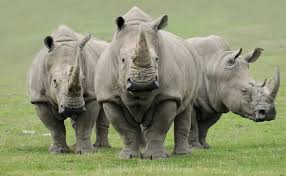
This year, Kenya is celebrating the fact that no new rhinos were killed by poachers in 2020, this is a first in 20 years. I know, this is an odd thing to celebrate, and it is a pity to be in a world were we have to celebrate another species not being killed by our own. Isn’t it weird…? We celebrate the fact that rhinos were not killed by poachers, as if we were powerless against their killing by members of our species. Are we powerless? When we can send men to space, build satellites, self-driving cars, nanobots, artificial intelligence, and so many technological innovations, yet… protecting another species (from us) is a challenge! I guess we take wins where we can… Enjoy… Excerpts below are from an article on the BBC.
====
Kenya celebrates rhino safety success
Conservationists in Kenya are marking some good news: for the first time in more than 20 years there have been no rhino deaths due to poaching.
Director General of Kenya Wildlife Service Brigadier John Waweru told BBC Newsday they intend to enforce the same tactics applied last year to end poaching.
“Through my teams, I have enhanced anti-poaching and intelligence led operations as well as strengthening cooperation and intelligence with stakeholders, law enforcement agencies and local communities,” he said.
I found this really good video on the story of the last monarch of the Kingdom of Madagascar, Queen Ranavalona III. It is a short documentary, very well done with footage from those years… As you can see the queen had a gentle nature, and calm resolve around her. She was also beautiful and fashionable. A tiny note, in the video, it is said that Princess Marie-Louise Razafinkeriefo, heiress to the queen, was the daughter of Ranavalona III’s sister. In reality, Marie-Louise was the grand-daughter of the Queen’s sister Princess Rasendranoro, and was born in exile. Her mother was Princess Razafinandriamanitra, a daughter of Princess Rasendranoro and a niece of Ranavalona III. Please enjoy!
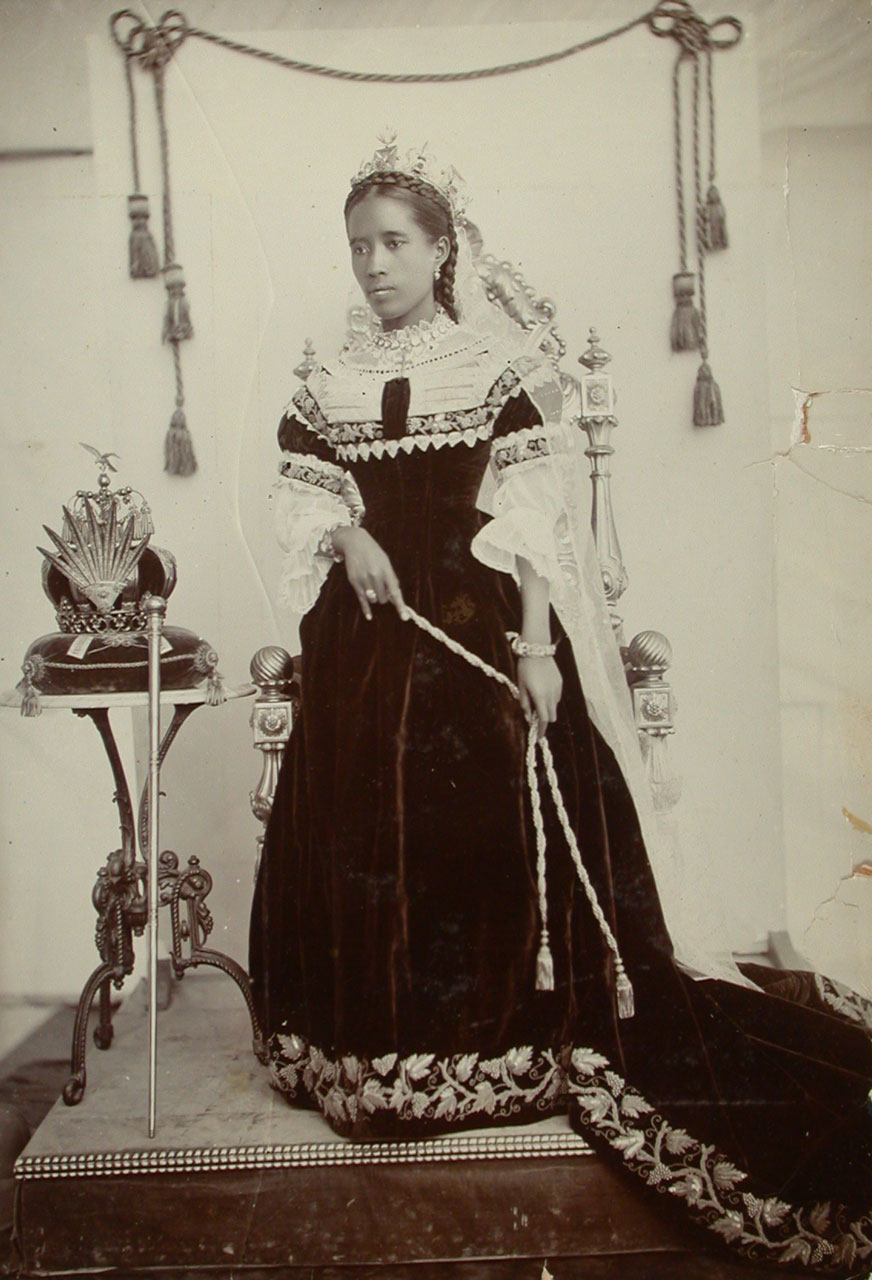
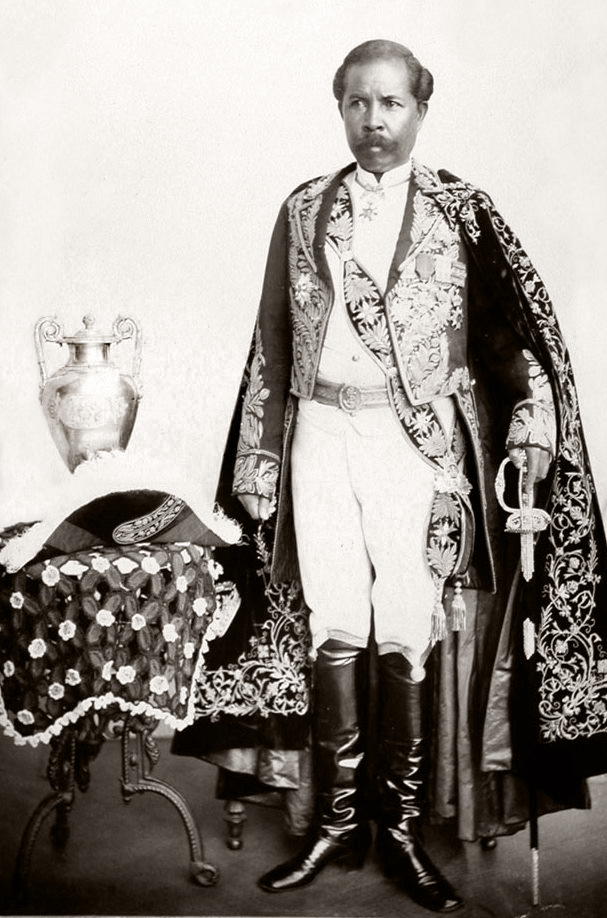
Queen Ranavalona III in full regalia, standing beside a throne table on which are the Royal crown and sceptre, ca 1890 – 1895
Last December, there was an auction in England of Queen Ranavalona III, the Last Monarch of the Kingdom of Madagascar photographs, letters, and fashion belongings. These were collected by Clara Herbert, who worked for the Madagascan royal family from the late 1890s to the 1920s, and were passed down through her family, and ended up in the attic of a house in Surrey. Auctioneer Kerry Taylor pieced together Ranavalona’s story from the box of photographs, postcards, souvenirs, receipts and diaries and sold them on auction. The government of Madagascar was able to purchase a lot of it. I was quite moved because this is part of the history and pride of Madagascar, and I am glad the government of Madagascar worked to have it returned. Enjoy! Excerpts below are from an article from The Guardian.
======
An archive of fashion, photographs and letters telling the remarkable story of the last queen of Madagascar will return home after it was bought at auction by the island’s government.
The jumble of ephemera, along with an ornate 19th-century dress, all relates to the life of Queen Ranavalona III, who was dethroned by the French and exiled to Algiers.
Queen Ranavalona III of Madagascar
… The president of Madagascar, Andry Rajoelina, said: “Madagascar attaches great importance to the acquisition of these royal items as part of the reappropriation of Malagasy national history and cultural heritage. They will be installed in the newly reopened, restored Queen’s palace, where they will be displayed to the general public.”
… Taylor [the auctioneer] said she was delighted the archive was heading to Madagascar. … “The queen and princess were separated during their lifetimes from their people and it gives me enormous satisfaction to know that this collection will soon be on its way home where it will be fully appreciated, admired and cared for in perpetuity.”
Today we will talk about the last queen of the Kingdom of Madagascar, Queen Ranavalona III. She reigned from July 30, 1883 to February 28, 1897. Like many African kings and queens of the late 1800s and early 1900, she was deposed by the European colonizer, in this case the French, and sent into exile first on the island of Reunion, and then later in Algeria (just like the King of Dahomey, Béhanzin) where she died, never to see her native Madagascar again.
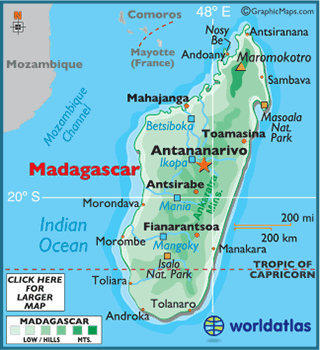
Map of modern-day Madagascar
Who was Ranavalona III? Well, as her name goes, she was the third Malagasy queen with the name Ranavalona. She became queen after the death of her grand-aunt, queen Ranavalona II. Ranavalona III was born Princess Razafindrahety in 1861. She was raised as a protestant, and taught by instructors from the London Missionary Society. Upon completion of her education, she married nobleman Ratrimo, but he died under suspicious circumstances in May 1883, just 2 months after Queen Ranavalona II’s passing. Rumor had it that the prime minister Rainilaiarivony had poisoned her husband, Ratrimo so as not to relinquish power. The young princess then ascended the throne of Madagascar at the tender age of 22, on July 13, 1883. It is said that she was chosen over her older sister, Rasendranoro, because of her conciliatory nature which the prime minister and other members of the Andriana looked for.
Prime Minister Rainilaiarivony of Madagascar
At the time of Ranavalona III’s ascension, Madagascar was navigating a shift from absolute rule (power in the hands of the king/queen) to constitutional monarchy. Under the new system, true authority was vested in the prime minister: in this case, Rainilaiarivony, who secured his grasp on power by marrying the newly crowned—and recently widowed—queen. In accordance with tradition, Rainilaiarivony had previously wed both of Ranavalona III’s predecessors, Ranavalona II and Rasoherina. Lucky man, wouldn’t you think? One man married to 3 successive queens! Probably the only one in history (this will be the story for another day)! Rainilaiarivony largely oversaw the day-to-day governance of the kingdom and managed its foreign affairs.
Illustration of France implanting its protectorate on Madagascar
As a queen, Ranavalona III inherited a kingdom which was assaulted by the French who wanted her country to be part of their protectorate. Throughout her reign, she tried to strengthen trade and diplomatic relations with the United States and Great Britain, in an effort to keep the French at bay. In 1886, the queen solicited U.S. intervention to help protect Madagascar from the French but was ignored. She, like many kings and queens of Africa back then, was probably not aware of the scramble for Africa, and the Berlin Conference (Selection from the 1885 Berlin Conference Final Act, The Berlin Conference 1884 – 1885 – Final Act (Continuation)), where Europeans allocated areas of the continent to themselves. She was forced to sign a treaty that gave France a certain control of Madagascar in order to prevent war, but the French wanted full control over Madagascar and did not back down. Ranavalona III successfully kept the French at bay until 1896 when the French declared Madagascar as their colony. Repeat French attacks on coastal port towns and an assault on the capital city of Antananarivo ultimately led to the capture of the royal palace in 1895, ending the sovereignty and political autonomy of the century-old kingdom (French Colonial Treaty in Madagascar : 18 January 1896).
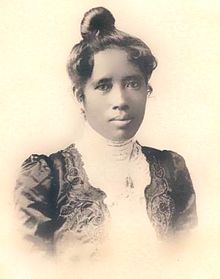
Queen Ranavalona III
The newly installed French colonial government promptly exiled prime minister Rainilaiarivony to Algiers, Algeria. Ranavalona and her court were initially permitted to remain in Madagascar as symbolic figureheads, but the outbreak of a popular resistance movement – the menalamba rebellion – and discovery of anti-French political intrigues at court led the French to exile the queen to the island of Réunion on February 27, 1897.
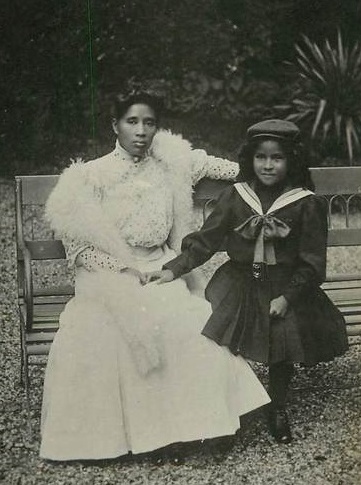
Queen Ranavalona III with her grandniece Marie-Louise ca 1905 in exile in Algiers, Algeria
Rainilaiarivony died that same year in Algiers, and shortly thereafter Ranavalona was relocated to a villa in Algiers, along with several members of her family. Despite Ranavalona’s repeated requests, she was never permitted to return home to Madagascar. Like many African kings and queens, she was deported (Deportation of African Heads of States). She died of an embolism at her villa in Algiers on May 3, 1917 at the age of 55. Her remains were buried in Algiers but were disinterred 21 years later and shipped to Madagascar, where they were placed within the tomb of Queen Rasoherina on the grounds of the Rova of Antananarivo (Rova de Manjakamiadana). you remember Queen Ranavalona III, remember that she was a queen who fought against the foreign invasion to the best of her ability, but above all remember that all she wanted was the independence of her people and culture.
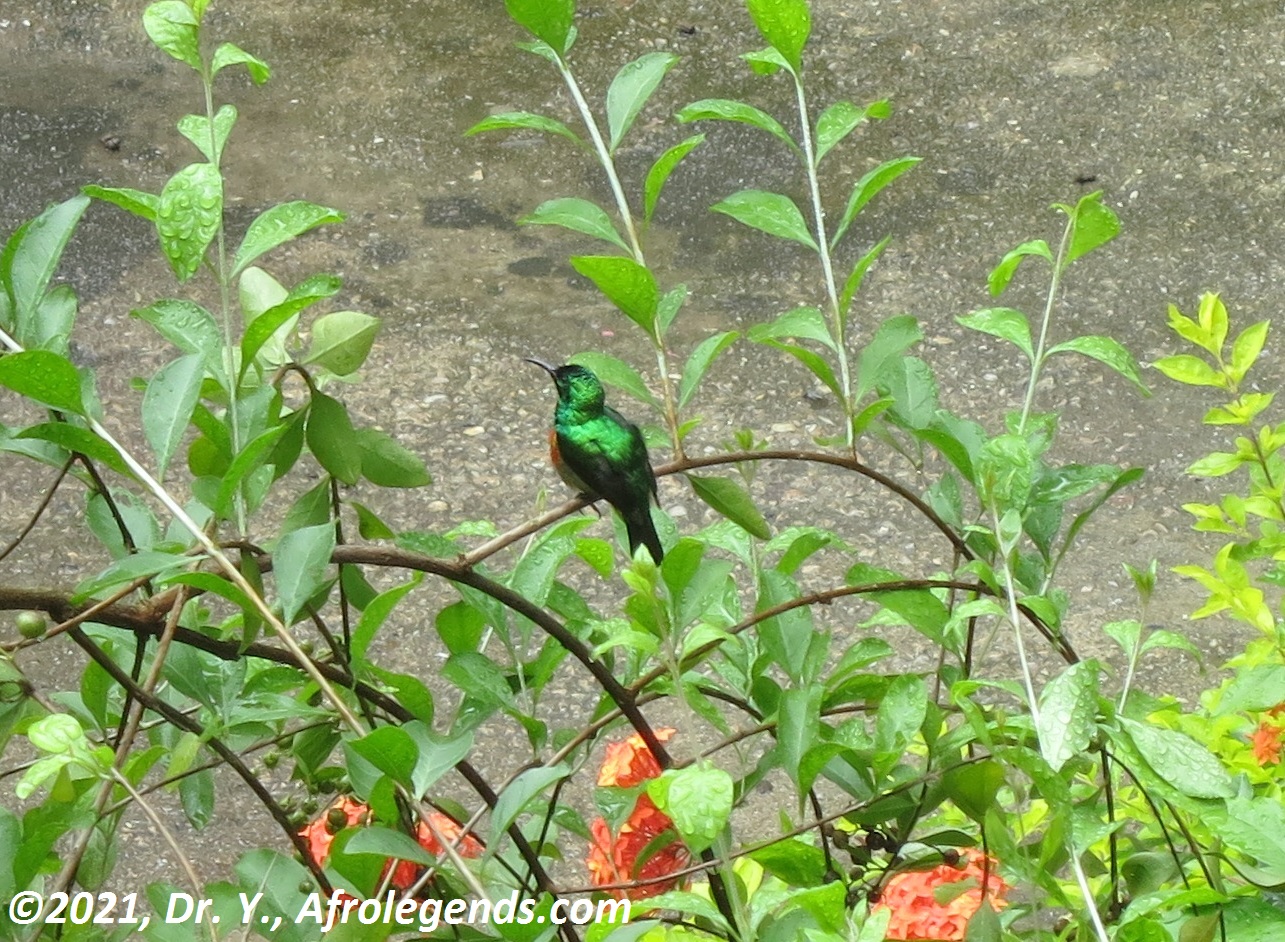
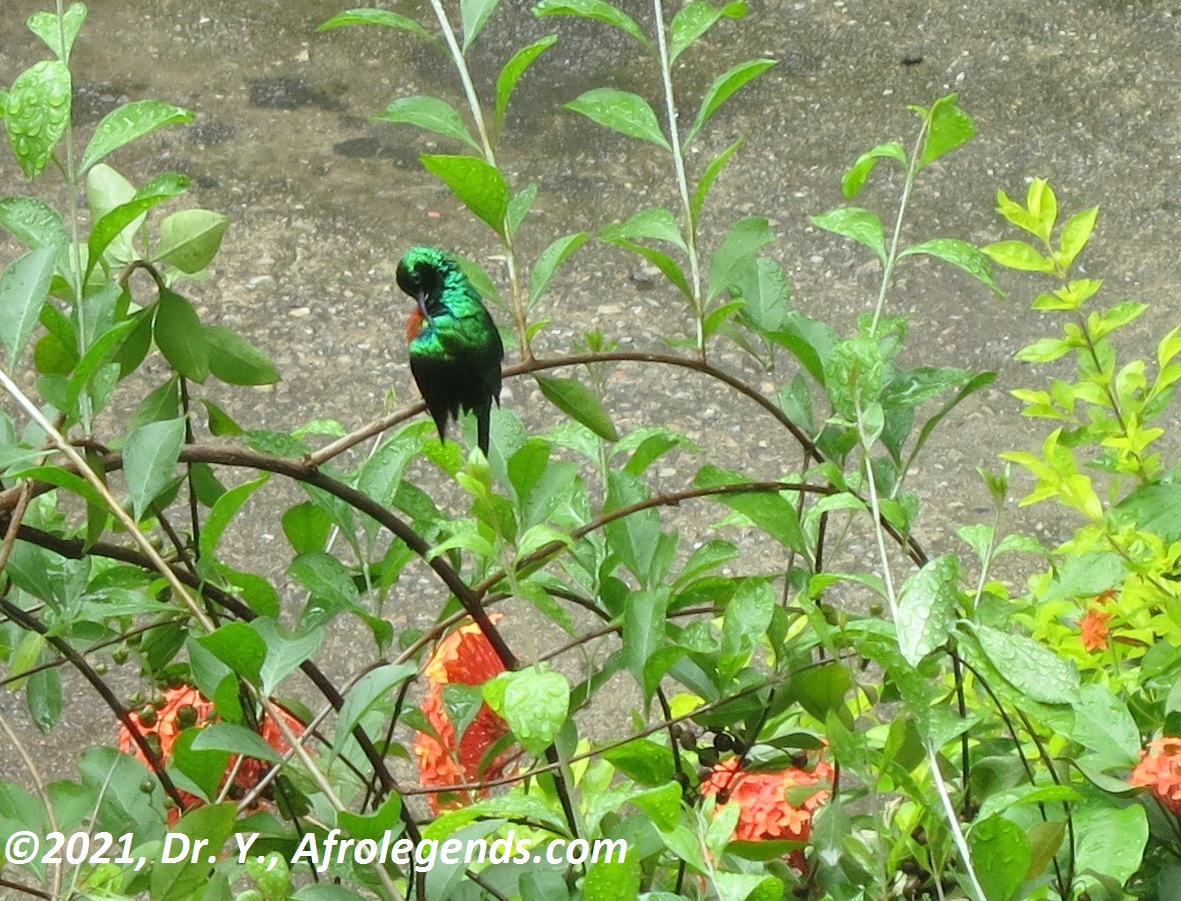
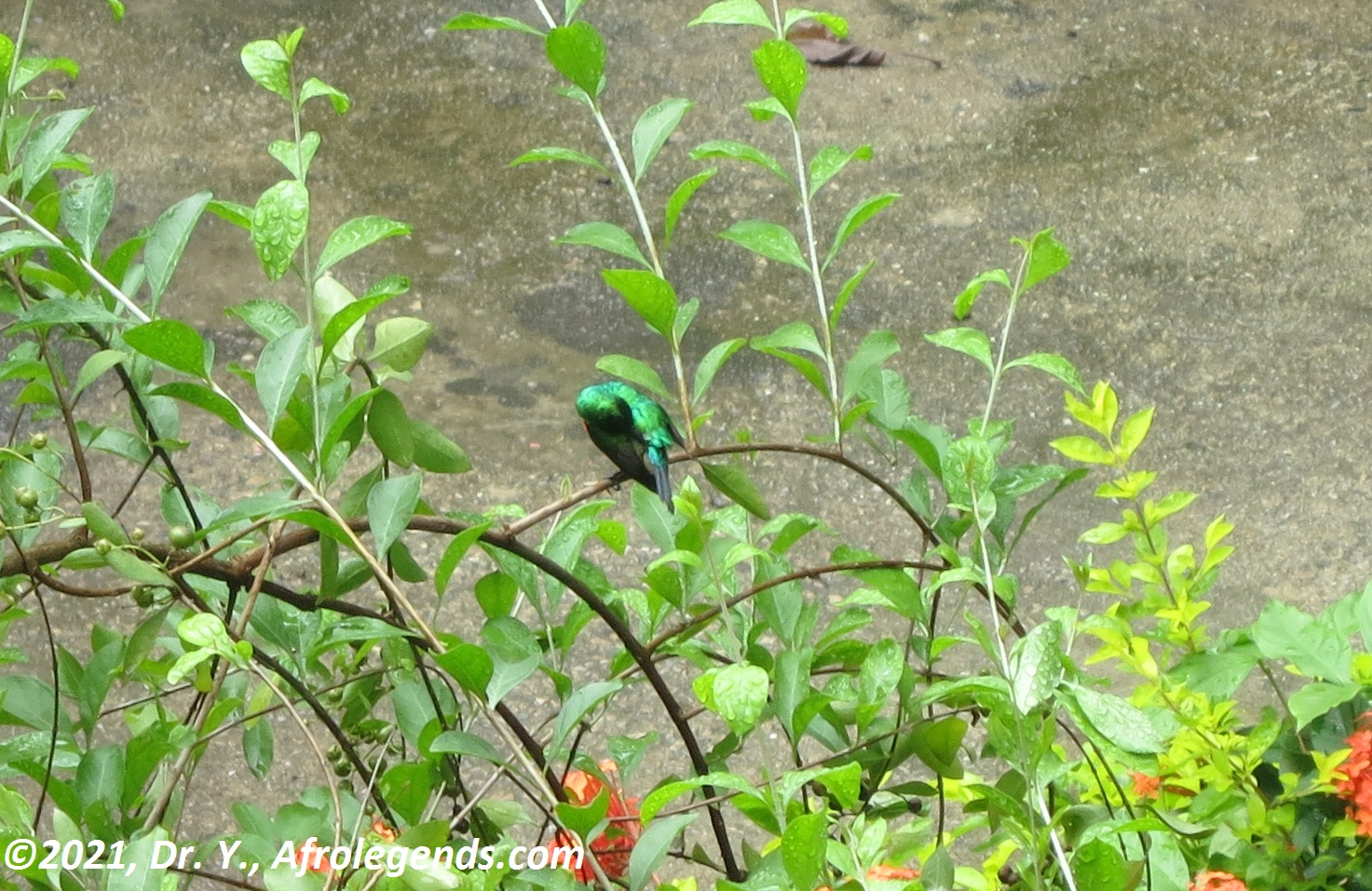
I just found another species of birds in my mother’s garden. It is called the Souimangain Malagasy which has been adopted as its name in French, or simply sunbird in English. In the case at hand, it is the Souimanga bronzé or bronzy sunbird known by its scientific name as Nectarinia kilimensis; it is very close to the Souimanga de Mariqua or Marico sunbird. It is native of Sub-Saharan Africa. Its coat is quite shiny and irridescent. Its flight is quick, similar to the American hummingbird. As you can see, this pretty visitor has a shiny green coat sparsed with black, and a red underbelly; it feeds on flower nectar. The shiny metallic color indicates that our visitor is a male. Enjoy!
Precious readers, wishing you all a HAPPY 2021! May this new year mark the beginning of new endeavors, the continuation of current ones, and/or the end of old ones. May it be filled with greatness, success, joy, love, happiness, abundance, harmony, and peace! I know 2020 was quite a year, and that many are hoping for something better. Let us leave behind the baggage, and be prepared to take off for this new year, never losing altitude during this flight, and trusting for better.
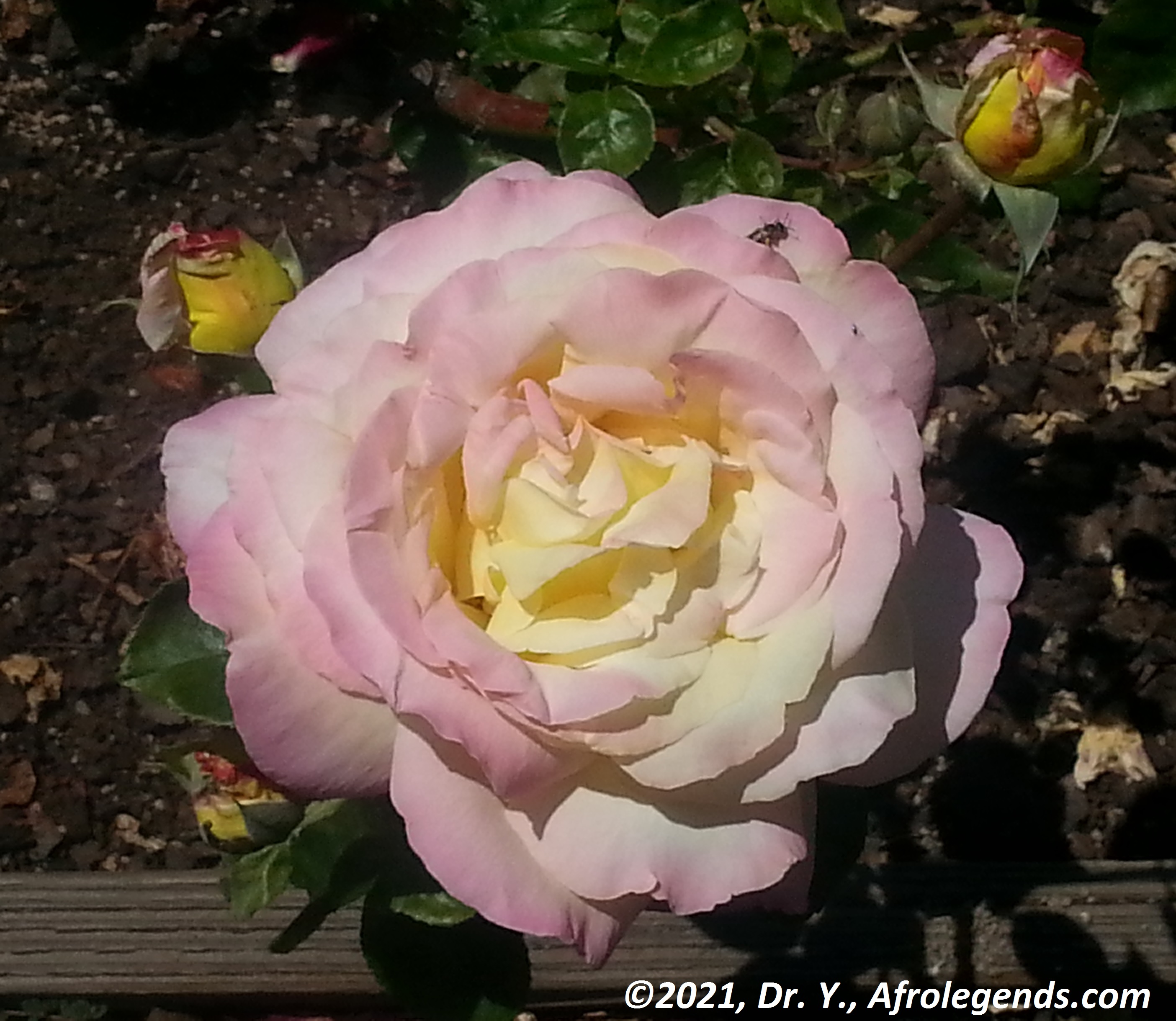
The top 5 posts of the year 2020 are listed below. We, at Afrolegends.com, would like to express our profound gratitude for your constant support, as your readership has carried us forward. Keep on visiting, sharing, and commenting. I wish you all wonders without borders, grace, and peace for 2021! Keep your heads up, and may your year be as beautiful as the petals of this flower! As you can see, everything about this flower marks the beginning of something beautiful: a new start, a new life, and a new joy! As always, like Agostinho Neto said, “A luta continua … a vitória é certa!”
Even though 2020 was quite a “different” year for a lot of people, there were still a lot of things to celebrate in Africa. Let’s do a review of some of the things we celebrated this year in 2020! There are many more, of course, but I selected 10. Enjoy!
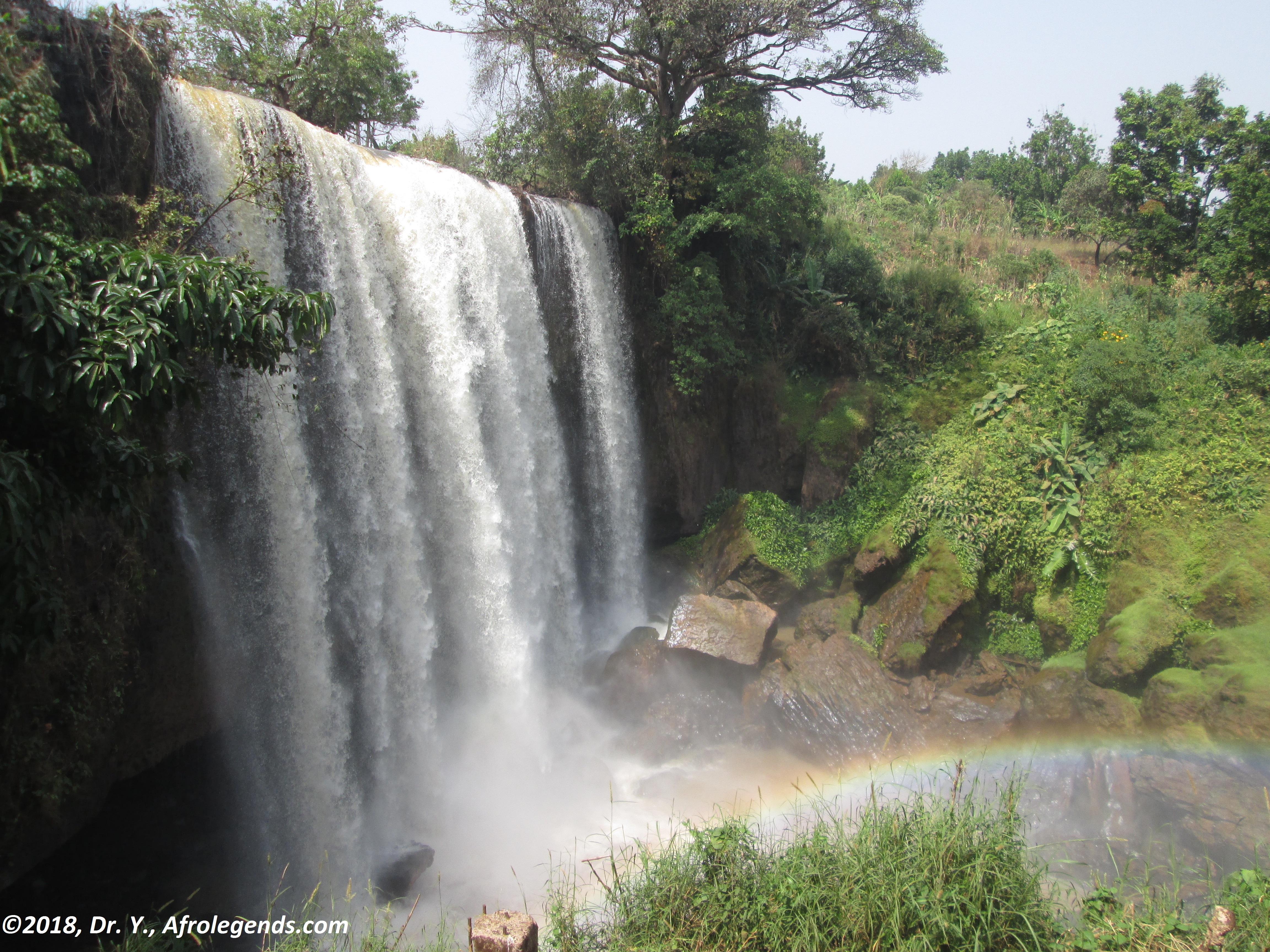
Metche Waterfalls in Cameroon was the site of French genocide there
France returned skulls of Algerian fighters in August, as a first step towards recognition of their wrongdoings (genocide) in Algeria. What is it with these people and skulls is beyond me! As a flashback, Algeria obtained its independence from France after 7 years of a bloody war with France. During that time, France perpetrated a genocide in Algeria… For the first time, a French president, Emmanuel Macron, acknowledged that the colonization of Algeria was a “crime against humanity.” We are now awaiting for recognition of France’s crimes against humanity in Cameroon, and Madagascar, and countless others [French President Acknowledges French Genocide in Cameroon, Fossi Jacob: A Cameroonian Hero and France’s Genocide in Cameroon].
In Tanzania, Saniniu Laizer, a small-scale miner, became an overnight millionaire in June when he found and sold two rough Tanzanite stones valued at $3.4 millions, and then sold another gem in August for $2 millions. This was the biggest ever found in Tanzania, not sure for the world. These are major records!
Flag of South Africa
Black South Africans who fought in World War II were finally recognized! This is great… but at the same time sad… why did it take 80 years for their recognition? We all know that African soldiers were key to the liberation of France during World War II, and yet when it came time for the parade on the Bastille, their uniforms were given to their white counterparts for the parade… after all, it should not be read in the annals of history that Africans liberated France! [Thiaroye: A French Massacre in Senegal, ‘Thiaroye Massacre’ by Ousmane Sembene]
There is strong excitement to the countdown to the African trade. The trading phase under the African Continental Free Trade Area (AfCFTA) by 54 of the 55 countries in Africa, and initially set to begin in July 2020, but now will start on January 1, 2021 [Nigeria signs African Free Trade Area Agreement]. This is a big news for the African continent as it will now allow for free trade across the continent, increasing trade among countries which should have always traded between themselves. This is what was envisioned by Kwame Nkrumah, all the independence fathers, and more recently by Muammar Kadhafi (Africans and the Trap of Democracy) at the AU.
Angelique Kidjo (Source: World Music Central)
The world-renowned singer singer-songwriter Angélique Kidjo from Benin kicked off the year 2020 with a monumental performance at the 62nd Grammy Awards in January. She snatched her 4th Grammy award for Best World Album, and rocked the Los Angeles Staples Center. As always (I have had the honor of attending one of her concerts), she brought the true spirit of Africa to the stage as she told all that African music is the bedrock of all music.
Amid the strong racial justice movements that rocked the world this year, the country of Benin has decided to renovate the fort of Ouidah, in Ouidah which was a key city in the slave trade for many centuries; this is a bid to promote tourism in the country, and to honour the suffering and celebrate the overcoming Africans who were captured and inhumanely shipped abroad from the main port of this coastal town [Benin restores the Fort of Ouidah]. Similarly, Somalia has also made a move to culturally reinforce its lands as it signed in February an education and heritage support deal with UNESCO aimed at strengthening efforts to preserve the country’s culture, education, and history.
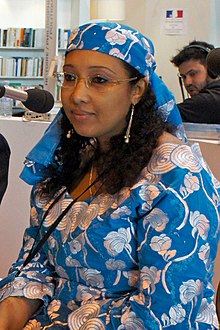
Djaili Amadou Amal (Source: Wikipedia)
This year, there was a good news for African writers. Cameroon’s Djaïli Amadou Amal won this year’s prestigious French Literary Award Goncourt des Lycéens for her novel ‘Les Impatientes‘ — inspired by her personal experiences in a South Sahel patriarchal society; later that week in December she won the Choix Goncourt de l’Orient. Two African authors were shortlisted for the Booker Prize of fiction: Ethiopian Maaza Mengiste, and Zimbabwean Tsitsi Dangarembga. Nigerian author Chimamanda Ngozi Adichie whose novel ‘Half of a Yellow Sun‘ — set during her the Biafra civil war, was voted the best book to have won the Women’s Prize for Fiction in its 25-year history.
Master KG and Nomcebo Kizode in Jerusalema (Africanews.com)
“Jerusalema”, the South African song by DJ Master KG featuring Nomcebo Kizode has taken over the world and has gone viral on social media… Jerusalema has become a global phenomenon, even inspiring its own dance challenge. What is even more amazing, is the hit took over the world, and is a Gospel song which talks about God always being close, saving us, and never letting go of us.. The Gospel hit has undoubtedly marked Africa as the soundtrack of the year [South Africa National Heritage Day, The story behind MasterKG’s ‘Jerusalema,’ one of the most …].
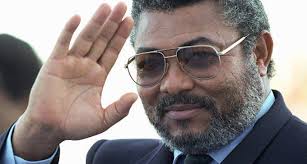
President Jerry Rawlings of Ghana (Source: thecable.ng)
Well, 2020 has been quite a year… when 2020 started, nobody could have told me that there would be a “global pandemic” and I would have believed it, that there will be a confinement and I would have believed, that people will be having “virtual parties” and I would have believed, or that people would have been walking around faceless i.e. masked and I would have believed. What a year! For sure, 2020 is going out, and there will be no other 2020. So let us remember 2020 in Africa, and remember the people, situations, and more that we said goodbye to.
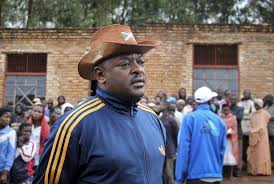
Pierre Nkurunziza during a community event (Source: PressHerald.com)
President J.J. Rawlings, former President of Ghana joined his ancestors this past November. The Ghanaian president J.J. Rawlings has a strong place in history as an influential, courageous, tough-talking, bold, impactful leader and charismatic Statesman who left deep impressions on the political landscapes of his country and, indeed, Africa.Just like the Ghana of today owes a lot to Kwame Nkrumah the father of its independence, the Ghana of today owes a lot to J.J. Rawlings, the father of its economic stability and face-lift. There were a lot of tributes, and I found so much similarities between the words of Rawlings and some that I have echoed here on his blog, J.J. Rawlings in His Own Words: African Identity, Betrayal, and More.
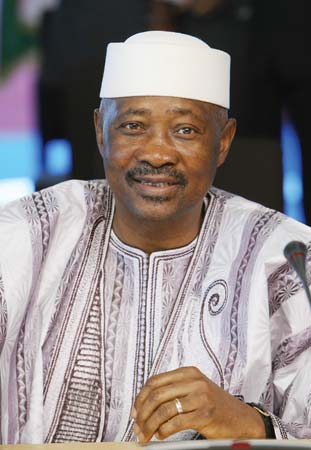
The soldier of democracy, the former president of Mali, Amadou Toumani Toure (ATT), also changed plane this year: GoodBye to Amadou Toumani Touré (ATT) -Former President of Mali. As I said earlier, this was a man of integrity! Some may call him a realist. When then president Traoré asked the army to keep firing at the Malian people, he stood up and said ‘NO’. He took power, and steered the country towards its first democratic elections. Then he stepped down. Later, he won the presidential election with a coalition, and served 2 terms. When in 2012 there was a coup against him, he resigned, and left the office. Others in Africa should copy a page from ATT’s book.
This year we said goodbye to Mory Kante : the Electrifying Griot from Guinea. Often known as the “electronic griot” because he modernized local traditional instruments such as his kora which he electrified, and fused African music with styles and instruments from Western pop. His 1987 hit “Ye Ke Ye Ke” is a hit I still dance to. If you ever come across a kora, or listen to Ye Ke Ye Ke remember the electrifying griot Mory Kante and the great musical century-long traditions dating back to the Ghana Empire, Ancient Kingdom of Africa.
Zindzi Mandela (Source: Timeslive.co.za)
In July, Zindzi Mandela: the daughter of Nelson and Winnie Mandela passed away. As well, as being remembered by her family and loved ones, the world remembers her as the young woman who read Nelson Mandela‘s letter of rejection in 1985. Reading that letter required a lot of courage, determination and strength to defy the apartheid regime and stand in front of a full stadium thirsty for words of encouragement, and hope from their leaders to keep facing the injustices of an inhumane regime.
This past November as well, Mamadou Tandja, the former President of Niger changed his plane of existence. Did you know that France’s nuclear power is funded by the uranium of Niger? and that Niger gets nothing for it? Tandja was the president who asked that the French nuclear company Areva start to pay something to Niger. During his terms, the relationship with Areva, which had enjoyed a de facto four decade monopoly in the country, worsened as he sought to curb the power of French influence by striking a deal with Sino-U in 2007 to develop a uranium mine, resulting in competition for Areva. As you can guess, he was deposed in a coup. Remember The 11 Components of the French Colonial Tax in Africa which gives France monopole over riches, mines, in a country? So long brother!
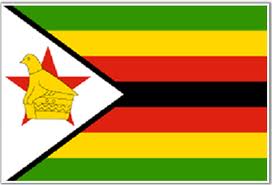
In September, common sense left the government of Zimbabwe, when it decided to compensate white farmers the hefty sum of 3.5 billion dollars… within 12 months, when the country is currently on life support and there is no money in its coffers [Is Zimbabwe the New Haiti?]! This is outrageous! When the economy is in shambles, how can the government agree to this? Did these white farmers ever compensate the Africans after independence in 1980 for using their lands for a century, for abusing them off their lands? And for all the years of economic embargo forced on the country? Then in September, Zimbabwe agreed to return seized land to foreigners. What is funny is that the government has been doing this in hopes of having the embargo removed, but the country is still under serious economic embargoes. Don’t they learn from history? Zimbabwe is indeed the new Haiti!
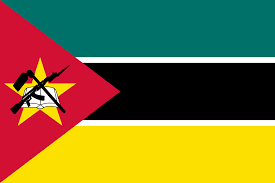
Flag of Mozambique
Peace in northern Mozambique seems to have become evasive, ever since that 15 billion dollars contract with the French firm Total for the oil in Cabo Delgado, and the discovery of one of the largest oil, diamonds, rubies in the world there. Tell me it is not connected? Now they want us to believe that there is islamist insurgency in Mozambique of all places!… And now Pope Francis has money to help the people and children of Mozambique who have been displaced by conflict! … Why did the Vatican not help the government of Samora Machel back then? why the people of Mozambique? Those diamonds and riches are really Africa’s downfall! Just a look at the banks financing the project reminds you of the Berlin conference of 1884 [Selection from the 1885 Berlin Conference Final Act]: 19 commercial bank facilities among which UK Export Finance (UKEF), the Export Import Bank of the United States, Italy’s SACE, the Netherlands’ Atradius, the Export Credit Insurance Corporation of South Africa, Japan Bank for International Cooperation, Nippon Export and Investment Insurance, and the Export-Import Bank of Thailand [Reuters].
President Jerry Rawlings of Ghana (Source: thecable.ng)
In the video below, you will hear J.J. Rawlings talk about the issues I always talk about on this blog: the loss of the African soul to westernization, the danger of traitors within our ranks, and more importantly the dangers of globalization. I think people should really pay attention to all he has to say about betrayal, African identity, and also about the manipulations of the people by the triumvirate that is the multinationals, the media, and the intelligence.
Kwame Nkrumah, First President of Ghana
On betrayal, Jerry Rawlings said, “Something that is worse than an enemy is a traitor.” This is very reminiscent of the speech Amilcar Cabral gave at the funeral of Ghana’s first president Kwame Nkrumah on May 13, 1972, which I translated to English here on Afrolegends, “The Cancer of Betrayal” by Amilcar Cabral. J.J. adds, “As bad as an enemy can be, … something worse than an enemy is a traitor.”
On African identity, Rawlings affirmed, “In the process of trying to modernize, we [Africans] have ended up being westernized. … When I wanted to even name my children African names, heroic names, … the catholic church said no…they will have to be catholic names … [which] are European names.“… “I have a right to my identity, don’t take away my identity!”
“Christianize me if you may, but don’t westernize me!” He talks about the issues of African identity, which is powerfully shown in the poem ‘My Name’ by Magoleng wa Selepe.
On globalization, “The world is manipulated by the multinational corporations, the media, and the intelligence apparatus, … they work as a triumvirate and they are neatly sandwiched… in between the governed people and the governors… the sooner we begin to return, restore, some sense of morality in business ethics, in politics, in the media, intelligence apparatus, …” apply the same morality to all, especially when talking about globalization, applying the same moral standards to all.
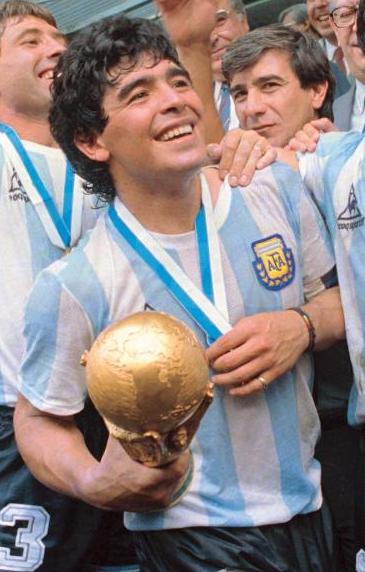
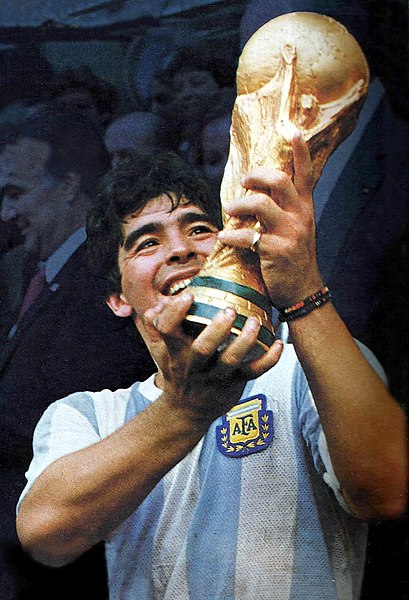
As a kid growing up on the African continent, football is everything… For many it is almost a religion! Which kid has not felt or touched a football? Which one has not been in awe of a football game? My two best football players of all times are Pelé and Maradona. Now Maradona has changed dimensions. I loved Maradona because he was just pure genius, and he had insane dribbling skills. He entered the annals of history for his impressive talent and charisma, for the famous “La Mano de Dios” in 1986, and more importantly for his dribbling from the 60 m line past 5 players to score the goal which was voted “Goal of the Century” by FIFA.com voters in 2002. He possessed an amazing ability, dexterity, and passion for the game on the field. I have viewed countless footings of him as he raised the cup in 1986, just as I watched as he cried for the second place in 1990. Learning to play football meant that you had to watch the maestro, the great Maradona. I have loved every play of this man. The man was a pure genius, an explosion of talent, a force of nature… no wonder that he was nicknamed “El Pibe de Oro” (the golden boy) as a young boy. Maradona was truly a golden boy… He has inspired so many. We all loved to wear the number 10 of Maradona, but very few have been found worthy of it. Just the other day, I found a small statue effigy of Maradona on my colleague’s table… yes So long El Pibe, you have touched all our hearts forever.
Below I share the words of a few famous African players; I have added words by my other all-time player, Pelé, at the end. Cameroon played against Argentina in 1990 and defeated Maradona’s Albiceleste in the opening game, and then went on to be the first African team to advance all the way to the quaterfinals in FIFA World Cup history, so this is special.
Didier Drogba of Ivory Coast said, “RIP Diego Armando Maradona, my first ever football shirt, the man behind my love for football.”
Roger Milla, the great Cameroonian player, a contemporary of Maradona, said, “My great friend Diego Maradona … Rest In Peace LEGEND.”
Diego Maradona lifting the World Cup for Argentina, 1986
“We have lost a legend and an icon,” former Liberia international and 1995 Ballon d’Or winner and now president of Liberia, George Weah tweeted. He added, “… His extraordinary story as a kid who unshackled himself from the yoke of poverty and used his mastery of football to bring joy, inspired millions. May his soul rest in perpetual peace.”
Samuel Eto’o of Cameroon, who like Maradona starred for Barcelona, also reserved special praise for the football icon. “… Maradona will always be with us. He was the idol for a whole generation, and for future generations, for what he did in football. He was from another planet. Diego, you’re god, you’ll always be alive in our hearts,” the former Cameroon international said as quoted by AS.
The other legend, the Brazilian Pelé, had this to say, “… I’ve lost a great friend and the world has lost a legend. One day, I hope we can play ball together in the sky.“