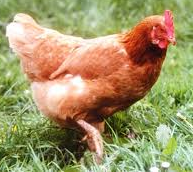

Un oeuf dans la bouche vaut mieux qu’une poule au poulailler (Proverbe Peul). – Un tiens vaut mieux que deux tu l’auras.
An egg in the mouth is better than a hen in the coop (Fula proverb) . – A bird in hand is worth two in the bush.

Un oeuf dans la bouche vaut mieux qu’une poule au poulailler (Proverbe Peul). – Un tiens vaut mieux que deux tu l’auras.
An egg in the mouth is better than a hen in the coop (Fula proverb) . – A bird in hand is worth two in the bush.
 Ne crachez pas en l’air, sinon la salive retombera sur vous (Proverbe Bakusu – République Démocratique du Congo). – Ne vous exposez pas au danger.
Do not spit up in the air, otherwise, the saliva will fall back on you (Bakusu Proverb – Democratic Republic of Congo). – Do not expose yourself to danger.


Celui qui mange du poivre doit s’attendre à avoir la bouche en feu (Proverbe Bantandu – République Démocratique du Congo).- Ne jouez pas avec le feu.
Whoever eats pepper should expect to have his mouth on fire (Bantandu Proverb – Democratic Republic of Congo).- Do not play with fire.

On jette des pierres dans l’arbre s’il porte des fruits (Proverbe Bakongo – République du Congo, République Démocratique du Congo, Angola). – Plus on est riche ou au pouvoir, plus on est importuné et critiqué.
We throw stones in the tree if it bears fruits (Bakongo proverb – Republic of Congo, Democratic Republic of Congo, Angola). – The richer or more powerful one is, the more one is bothered and criticized.
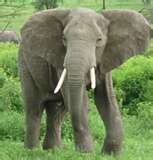
L’éléphant meurt, mais ses défenses demeurent (Proverbe Bamfinu – Republique Démocratique du Congo (RDC)). – Les parents meurent, mais leurs enfants restent.
The elephant dies, but its tusks remain (Bamfinu Proverb – Democratic Republic of Congo (DRC)).- Parents pass away, but their children remain.

La tortue ne quitte pas sa carapace (Proverbe Basuto – Lesotho).
The tortoise does not leave its shell (Basuto Proverb – Lesotho).
Le Crapaud aime l’eau, mais pas l’eau chaude (Proverbe Toucouleur – Senegal, Mauritanie, Mali). – N’exagérons pas.
The toad likes water, but not hot water (Toucouleur proverb – Senegal, Mauritania, Mali). – Do not exaggerate.
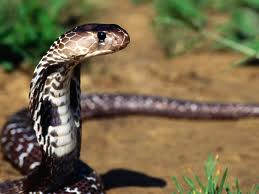
Chaque serpent rampe à sa façon (Proverbe Bayombe – République Démocratique du Congo). – Chacun est ce qu’il est.
Every snake crawls in its own manner (Bayombe Proverb – Democratic Republic of Congo). – Everyone is unique.

 Où la barbe apparaît, l’enfance disparait (Rwanda).
Where the beard appears, childhood disappears (Rwanda)
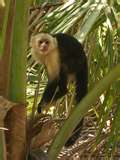
Même si le singe prend la peau du sanglier, il meurt comme singe (Proverbe Pygmées – Afrique Centrale). – Restez ce que vous êtes; ne pas vouloir se montrer plus qu’on est.
Even if the monkey takes the skin of the boar, it dies as monkey (Pygmy proverb – Central Africa). – Remain who you are; never try to show oneself as more than one is.


 African Heritage