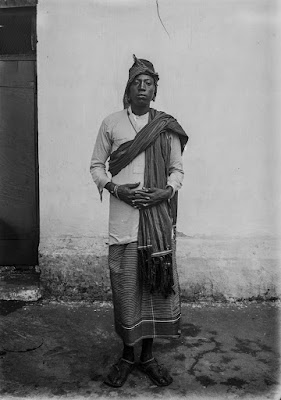
Mangi Meli of the Chagga of Moshi, ca 1890s (Source: Deutsche Fotothek)
Last week, the German President apologized for colonial past in Tanzania just a few days after the grandson of Mangi Meli reiterated his demand for the return of his grandfather’s skull. The story was published in the BBC. To us, Africans, it is a painful read: how can someone decapitate your father, and then take away his skull is inconceivable. It has been over 120 years; and some ask us to forgive, forgive when words are not followed by actions?
Isaria Anael Meli has been looking for his grandfather’s remains for more than six decades.
He believes the skull ended up in a Berlin museum after his grandfather, Mangi Meli, along with 18 other chiefs and advisers, was hanged by a German colonial force 123 years ago.
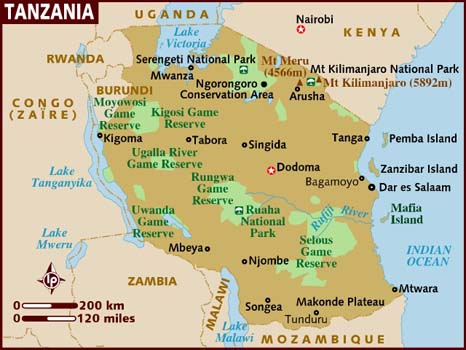
Map of Tanzania
After all this time, a German minister has told the BBC the country is prepared to apologise for the executions in what is now northern Tanzania.
Other descendants have also been searching for the remains and recently, in an unprecedented use of DNA research, two of the skulls of those killed have been identified among a museum collection of thousands [Germany Matches DNA from African Skulls looted during Colonial Era].
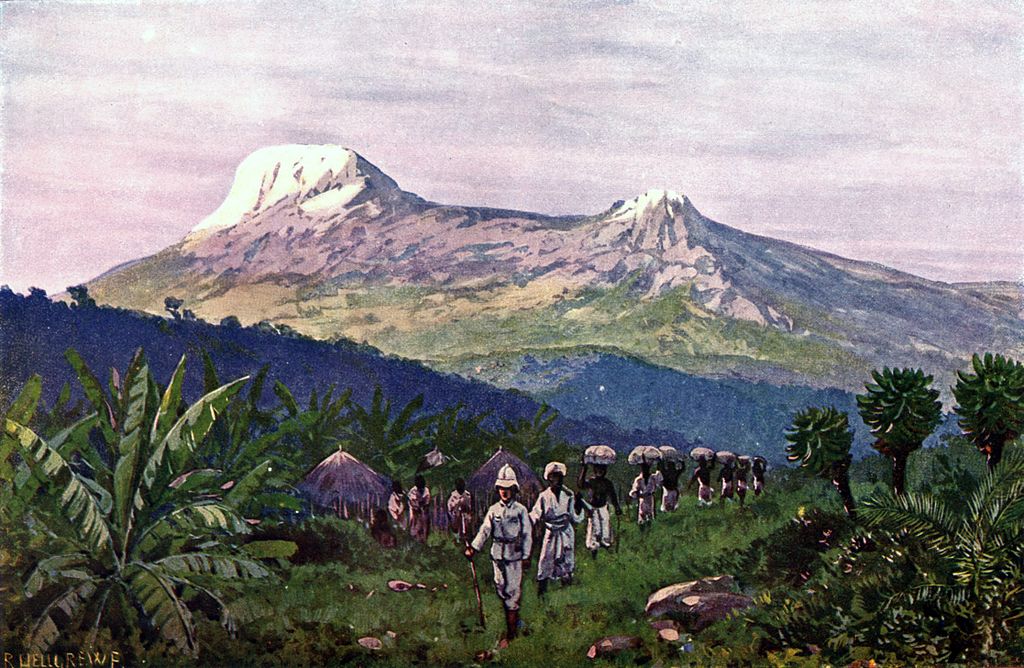
Mt Kilimanjaro in 1911
It is rare to find an acacia tree on the lower slopes of Mount Kilimanjaro. Its twisting branches reach above the steep road and stand out among the denser lush vegetation.
At one time, it shaded a market for the villagers of Tsudunyi, a part of what is now called Old Moshi, who lived off the fertile land and enjoyed the cooler temperatures that the higher altitude brought.
But this focal point for the community became the scene of a great tragedy. Despite the peace of the natural surroundings today, its impact has reverberated down the decades.
It was here on 2 March 1900 that, as the descendants tell it, one-by-one the 19 men were hanged. They had been hastily tried the day before, accused of plotting to attack the German colonial forces.
…
Mangi Meli and his Njama 1890s at the German Moshi Boma (Source: Deutsche Fotothek)
Mangi Meli, the most prominent mangi, or chief, among those who were killed, had in 1892 successfully defeated the German forces. That success was later reversed and by the end of the 19th Century, the Europeans were keen to stamp their authority on this part of what was known as German East Africa.
They wanted to make an example of Mangi Meli and other local leaders who may have been planning an uprising.
The humiliation did not end there. While most of the torsos are believed to be buried in a mass grave somewhere near the tree, their heads were at some point removed, packed up and sent 6,600km (4,100miles) to the German capital. In some cases the complete skeletons were shipped.
When speaking about what happened to his grandfather, Mr Meli does not sound angry, but there is a sadness in his voice and a sense of bewilderment that this was allowed to happen.
The lively 92-year-old was told about the killing of Mangi Meli by his grandmother, who he says was forced to watch the execution, and explains that the chief came to him at night telling him that he would return one day.
“Always, always, always he was coming to me in my dreams,” he says.
His floppy sun hat and twinkling eyes when he smiles disguise his tenacious personality.
Since at least the 1960s, Mr Meli had been writing to the German and Tanzanian authorities urging them to look for the remains of his grandfather.
Flag of Tanzania
He says officials tried to put him off by telling him that relevant records had been destroyed during World War Two. But Mr Meli was not deterred.
“Visitors are always crying: ‘Tell all the people of Germany to return the skull.’
“They kept it somewhere just because they thought the Mangi Meli family were small people – believing that they could do what they wanted. But remember that this skull is needed by the whole country – not me, myself, only.”
There is a sense of profound loss that goes beyond the idea that this was a historical injustice.
Mangi (King) Meli was a ruler of the Chagga people of Moshi, one of the sovereignChagga states, in the 1890s. He was the first son of Mangi Rindi Mandara from his second wife Sesembu. Born in 1866, he ascended his father’s throne in 1891. It is said that he was smart, exuberant, and extremely valiant.
Meli is hailed as one of the heroes of the former Tanganyika colony which was part of German East Africa which encompassed Rwanda, Burundi (Ruanda-Urundi), modern-day Tanzania (except Zanzibar), and part of the Kionga triangle in Mozambique. Meli has been prominent in the fight against colonial encroachment on the slopes of Mount Kilimanjaro.
Mangi Meli and his Njama 1890s at the German Moshi Boma (Source: Deutsche Fotothek)
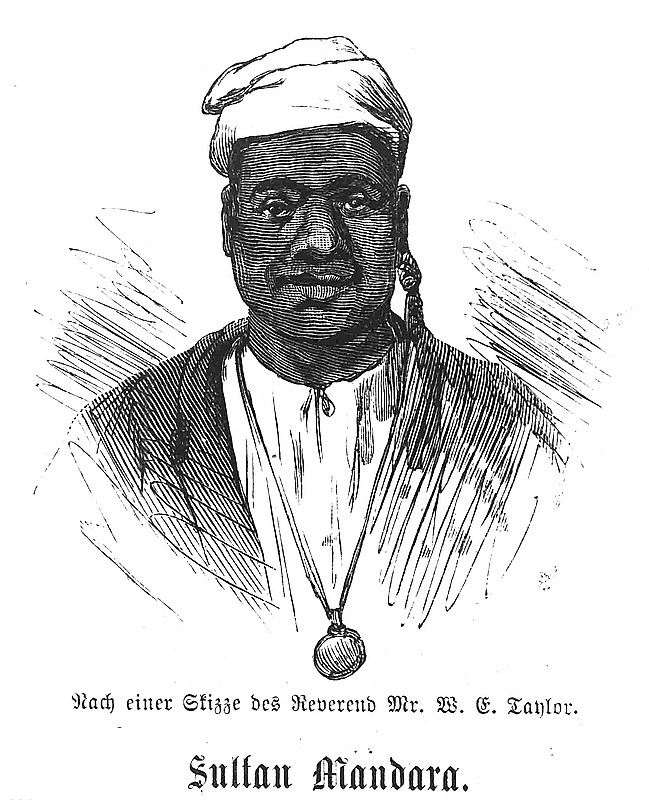
At the time when he became Mangi, the Germans were trying to lay hold on African territories, and every means were used. In 1892, there was an incident involving a young girl who the German forces wanted to capture, and when the Mangi of Moshi refused, the German troops fired, and the Moshi retaliated, killing one Askari (African serving in the German colonial forces). The German troops, led by Lt von Bulow, attacked, but were successfully defeated by Mangi Meli. This victory of the Meli made the Germans back down for 51 days.
Friedrich von Schele
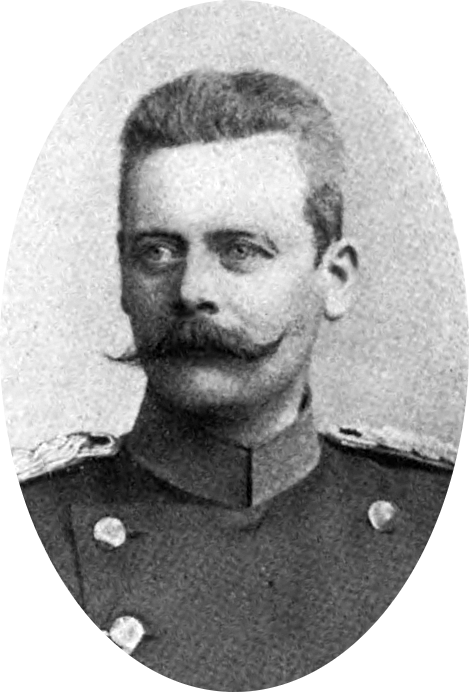
Based on the lie of a “Chagga revolt” orchestrated by a neighboring king, Mangi Marealle of Marangu who had made pacts with the Germans including the notorious murderer explorer Carl Peters, Col. Friedrich von Schele, the deputy governor, led the Germans as they moved back to Kilimanjaro on July 31, 1892, launching an effort to seize Meli of Moshi, destroying and plundering Meli’s lands. Yet they could not capture Mangi Meli. They occupied his lands and started enslaving his people. However, bidding his time to strike back, Mangi Meli united over following years with other Mangis of neighboring Chagga states, forming alliances with other Meru and Arusha kings as well. However, his plan was betrayed by an informant from Mangi Marealle. This plan culminated on 02 March 1900, when the Germans called the Chagga kings whom they accused of fomenting rebellion.
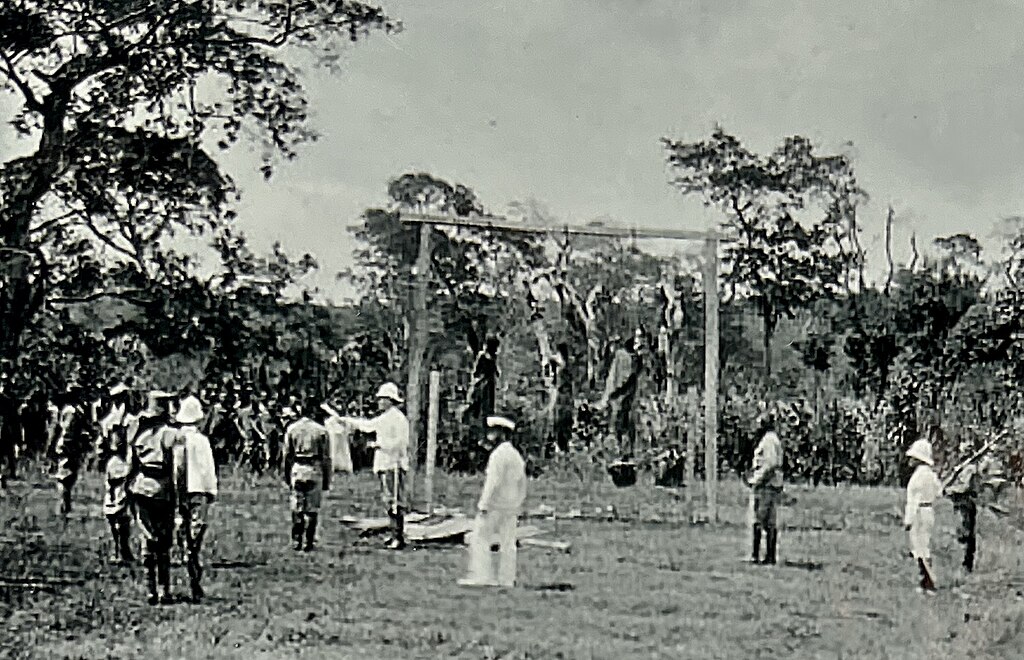
Hanging of Chagga men by the German Colonial Government ca 1890s – 1900
After his capture, Meli was convicted of rebellion and was hanged alongside 18 other kings and noblemen of Chagga, Meru, and Arusha; one of these kings was Mangi Ngalami of the Siha Kingdom, one of the numerous Chagga states. Their execution was public. However, when Meli was hanged, he did not die immediately; it is said that he hung on the tree for 7 hours alive until he was shot by a soldier. Following his death, the German colonial administration ordered his head be severed from the body; this was the fate for many executed on that day. The skulls are believed to have been sent to Berlin to Felix von Luschan, an anthropologist and curator at the Royal museum of Ethnology of Berlin, who requested them to Lt. Col. Moritz Merker who was second in command at the German military outpost of Moshi.
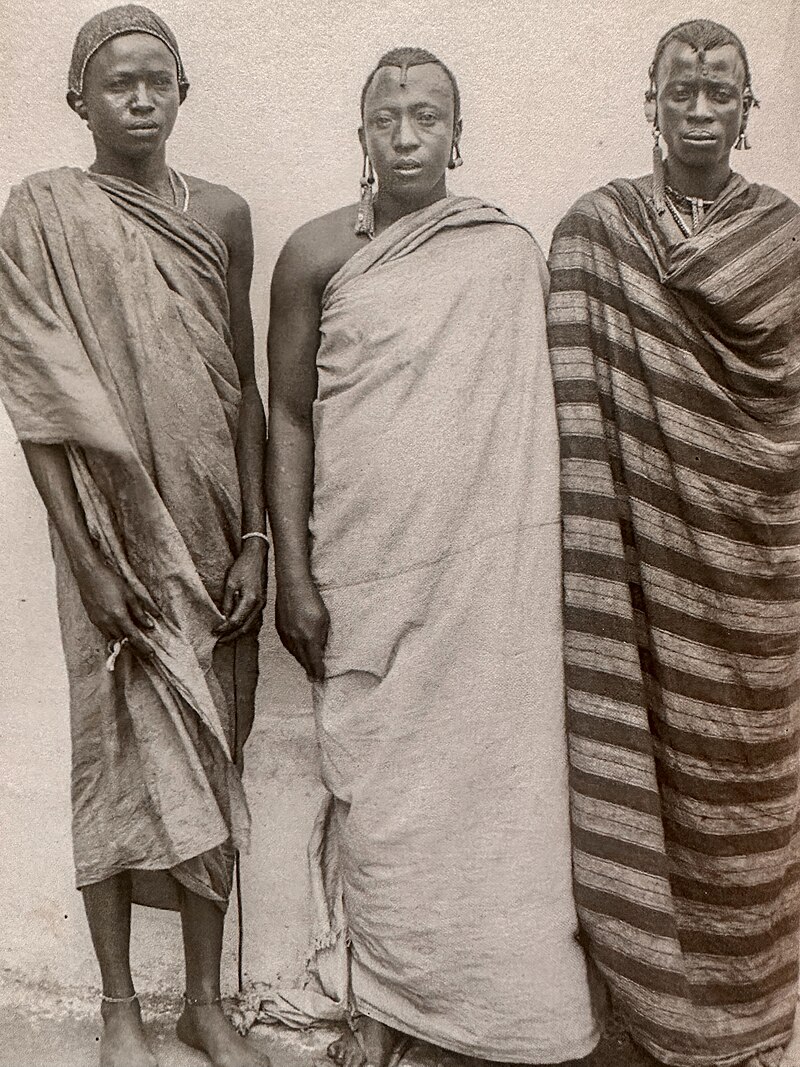
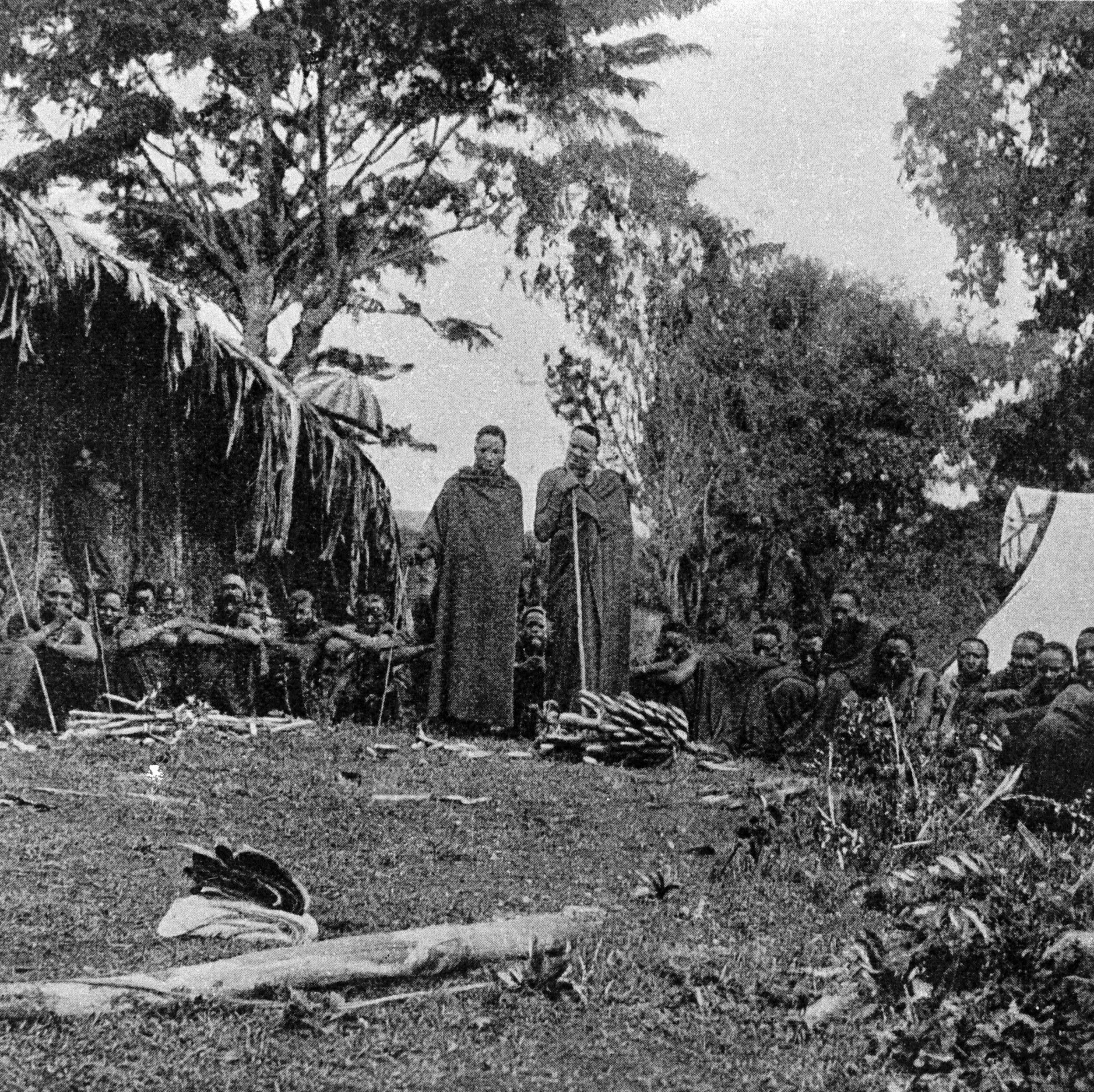
Mangi Ngalami, King of Shira, with another chief and their entourage. Reproduction from Johannes Schanz/ H. Adolphi, Am Fuße der Bergriesen-Ostafrikas, and published with the permission of the Evangelisch-Lutherisches Missionswerk Leipzig (Source: The Dial)
Today, descendants of both Mangi Meli and Mangi Ngalami and others are searching for the skulls of their ancestors. The grandson of Mangi Meli, Isaria Meli, has founded a foundation to search for the skull of Mangi Meli and turned to Stiftung Preußischer Kulturbesitz (SPK, Prussian Cultural Heritage Foundation) in 2016 to identify the remains of his grandfather, to no avail. Efforts are being made to recover his remains (and those of the other kings) and return them for proper burial in Tanzania. In Chagga culture, and many African cultures, the burial of a body after death is an essential ritual; without a proper funeral and resting place, the soul cannot find peace. Many of the skulls and remains ended up in different museums of Berlin, or in private collections (I cannot fathom why someone would want someone’s skull in their private collection ???). There are cases where entire skeletons were shipped to Germany. This was the case when in 1902, the whole skeleton of Mangi Lobulu of the Meru, another leader executed at the same time as Mangi Meli and Mangi Ngalami, was sent to Germany by Merker; over the decades, it eventually made its way to the American Museum of Natural History in New York City where it was located by German researcher Konradin Kunze 100 years later.
As you think of Mangi Meli, remember his bravery, and celebrate his spirit for the freedom of the Chagga people, and others, on the slope of Mount Kilimanjaro.
King Charles III is visiting Kenya on October 31. The leaders of the Nandi community in Western Kenya are requesting the returns of the skull of Koitalel arap Samoei, their chief, spiritual, and military leader killed by the British in 1905. Samoei waged a fierce resistance against the colonialists, and was killed by British soldier Richard Meinertzehagen, who had tricked him (the usual European colonial trick) into attending a truce meeting. A few months ago, we discussed the refusal of King Charles III to return the remains of Prince Alemayehu, son of Emperor Tewodros II, to Ethiopia; Ethiopians were told that returning his remains will not be possible, as it will disturb the resting place of several others in the vicinity (UK rejects Calls to Return Ethiopian Prince’s Remains). NONSENSE! Will the king agree to the return of the skull of Koitalel arap Samoei? Or will this be like the skull of King Mkwawa?
Koitalel arap Samoei, Supreme leader of the Nandi people of Kenya
Who was Koitalel arap Samoei?
Koitalel arap Samoei was the fourth of five sons of Kimnyole arap Turukat, Orkoiyot (king / Supreme leader) of the Nandi people of Kenya. His brothers were Kipchomber arap Koilege, Kipeles arap Kimnyole, Chebochok Kiptonui arap Boisyo, and Siratei arap Simbolei. His father, Kimnyole arap Turukat, was a strong leader with outstanding prophetic talents who predicted the arrival of Europeans on his soil. It is said that he also predicted his son Koitalel’s murder. Concerned by his son’s bravery, and to protect them all, Kimnyole sent 3 brothers to live among the Kipsigis people, while Koitalel was sent to live with the Tugen people.
Nandi warriors, ca 1905-1923
At Kimnyole’s passing, 25 years-old Koitalel succeeded to his father after a succession dispute with his brother Kipchomber arap Koilege. In the end, Koitalel was crowned Orkoiyot of the Nandi people, while his brother became the first Orkoiyot of the Kipsigis . He was a strong and fierce warrior. When the British started building the Uganda Railway going from Mombasa in Kenya to Kampala in Uganda passing through the Nandi territory, Koitalel led an eleven-year resistance movement against the railway. He understood that this marked the doom for his people, and most likely dispossession of their ancestral lands. The Nandi people were fierce warriors and never gave up, even when faced with British artillery. Samoei was a strategic military leader, planning surprise attacks on the railroad workers, and the British when they least expected. He resisted fearlessly.
Richard Meinertzhagen ca 1922
For almost 12 years, the British could not capture him. On October 19, 1905, to end the resistance, British officer Richard Meinertzhagen lured Koitalel to a peace truce meeting after leading a rebellion against the colonial invasion of the Nandi. Both parties agreed to come with five companions each. While Samoei brought five companions, Meinertzhagen brought an entire battalion of 80 people, 75 of which hid in the bushes surrounding the area. When Koitalel extended his hand to greet Meinertzhagen, he killed Koitalel with a shot at point-blank range. Then the British man decapitated Koitalel’s body and took his head to London as proof of his death as well as a macabre trophy of colonialism. This was such a traumatic event to the Nandi people that it ended the Nandi resistance. This is a people who had time-outs to allow all parties to take care of wounded warriors.
Kipsigis warriors ca 1954
The colonial administration subsequently set about banishing, detaining or killing his brothers and sons. In 1909, his brother Kipeles arap Kimnyole was installed by the colonial government as Orkoiyot; Kipeles died in 1912. In 1919 Koitalel’s second son, Barsirian Arap Manyei took over the leadership. However, his reign only lasted until 1922, at which point the British colonial government incarcerated him. He stayed in jail until 1964, making him the longest-serving political prisoner in the history of Kenya; after his release, he died in abject poverty.
Today, there is a museum built in the Nandi Hills to commemorate Koitalel Arap Samoei and his effort. He has also been celebrated by the Google Arts and Culture. Koitalel Arap Samoei is seen as Kenya’s first freedom fighter.
As King Charles III visits Kenya, the Nandi elders are calling for the repatriation of the skull of their great leader, Koitalel Arap Samoei, and their cultural artifacts and compensation for the grievous atrocities suffered during the colonial era. Do you think King Charles III would return Koitalel arap Samoei’s skull?
Marie Um Nyobe (born Marie Ngo Ndjock Yebga), the widow of one of Cameroon’s greatest opposition fighters and freedom fighters, the real Father of Cameroonian independence, Ruben Um Nyobé, has passed away on the exact same day that her husband was murdered 65 years ago, on 13 September 1958. This comes just as Cameroon and the Union des Populations du Cameroon (UPC) is commemorating the 65th year of his murder by the French forces in Cameroon.
Her son, Daniel Ruben Um Nyobe, communicated in a press release (Journal Du Cameroun) « the family of Mpodol Ruben Um Nyobe, the greater family Nlog Ngond, the greater family Ndog Soul have the grief to announce the passing of Widow Marie Um Nyobe born Ngo Ndjock Yebga on 13 September 2023 in … Yaoundé. »
UPC Leaders (L. to R.) front row: Castor Osende Afana, Abel Kingué, Ruben Um Nyobé, Felix Moumié, and Ernest Ouandié
Marie Um Nyobe is the spouse from a second union with the leader, Ruben Um Nyobé: Fighting for the independence of Cameroon. Um Nyobe had a first union in 1944 with Marthe Ngo Mayack which produced 3 daughters, and when the union fell apart, married Marie Ngo Ndjock Yebga with whom he had the son, Daniel, who was born a year before his death. We hope that Cameroonian historians had had a chance to talk to Mpodol’s wife to learn more about the man himself and Cameroon during the days of the fight for independence.
Flag of the UPC
Mpodol, the one who carries the demands or who defends the cause, was a Cameroonian freedom fighter, and an anti-imperialist leader. During his fight, he wrote, “la colonisation, c’est l’esclavage ; c’est l’asservissement des peuples par un groupe d’individus dont le rôle consiste à exploiter les richesses et les hommes des peuples asservis“( “Colonization is slavery; it is an enslavement of the populations by a group of individuals whose role is to exploit the riches and the men of the enslaved populations.”). He further wrote, Political Constant of Unity Practiced by Ruben Um Nyobe – 1959, and Ruben Um Nyobe and Liberation.
For this commemoration, as Cameroonians and Africans, celebrate the lives of Ruben and Marie Um Nyobe, they should also, above all, stand on the message of Mpodol and fight for the total independence of Africa [Remember Ruben: A Rare Video Biography of Ruben Um Nyobé].
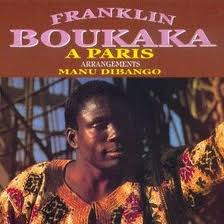
As stated earlier in the week, Franklin Boukaka was a visionary ahead of his time, and his songs are very politically engaged. His most acclaimed song is “Le Bûcheron” / “The Woodcutter” which has been timeless and covered by many singers over the years. Most know the song as “Aye Africa”. “Le Bûcheron” (the woodcutter; the Kenyan version of the single was titled “Le Bûcheron (Africa)”), is a complaint about the state of Africa and its poor, the refrain lamenting “Oh, Africa, where is your independence? … where is your liberty?” Boukaka even goes further, showing that the politicians of today who have replaced yesterday’s colonizers cannot really be differentiated from them. He laments the fact that some he believed in, have turned their back on the people and instead developed greed for power, only showing good sides during election times (isn’t this true of politicians around the globe, who only remember the people come election time with empty promises?), ” Some to whom I gave my voice, have developed the greed of power and cars; When the elections come I become important then in front of them.” Lastly, it is impossible to hear the saxophone notes coming from Manu Dibango.
As you read the lyrics and listen to the song, why do you think Franklin Boukaka titled his song The Woodcutter?
Ayé Africa eh … Ayé Africa eh Eh Africa oh Lipanda … Eh Africa oh where is your independence? Ayé Africa eh … Ayé Africa eh Eh Africa oh liberté … Ayé Africa eh where is your freedom?
Ko kata koni pasi … Cutting firewood is hard work Soki na kati, ko teka pasi … To sell this wood is another Na pasi oyo ya boye … With this lot of misfortunes and children Ngaï na bana mawa na koka te … I’m far from getting out
Basusu oyo na ponaka … Some to whom I gave my voice Bawela bonkonzi mpe na ba voitures … Have developed the greed of power and cars Ba voti tango e komaka … When the elections come Ngaï na komi moto mpo na bango … I become important then in front of them
Na ko mituna mondele a kende … I wonder: has the colonizer gone, Lipanda to zuaka, oh ya nani eh? … For whom did we obtain independence? Africa eh … Oh Africa
Ayé Africa eh … Ayé Africa eh Oh Africa oh Lipanda … Eh Africa oh where is your independence? Ayé Africa eh … Ayé Africa eh Oh Africa oh liberté … Ayé Africa eh where is your freedom?
Let’s do a trip down memory lane. Several years ago we published a post on the song “Les Immortels” / “The Immortals“ written and composed by the late Congolese singer Franklin Boukaka. The song honored the great Moroccan leader Mehdi Ben Barka, African resistants, and world revolutionaries. For those who do not know or remember Franklin Boukaka, you have probably heard his song “Aye Africa” which has been repeated by so many singers on the continent (one of my favorite renditions is the one by the group Bisso na Bisso). Franklin Boukaka was a freedom fighter, a poet, composer, activist, and fought for the independence of Africa both politically and in all his songs. He was ahead of his time, and a new patriot. So sad that he was murdered during the coup that deposed Ange Diawara during the night of 23-24 February 1972. He was clearly a threat to many.
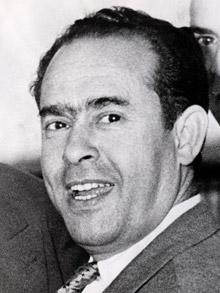
Mehdi Ben Barka
As the title says it all, The Immortals honors our great leaders of the past, those who fought for our liberties, and who have become martyrs. They are now immortal. The song was so popular in those days that it was sung in schools. No wonder Boukaka was murdered for this. Please find below, the English version. Enjoy!
« The Immortals » by Franklin Boukaka
Africa mobimba e ……… The whole of Africa Tokangi maboko e …….. crossed her arms Tozali kotala e …….. We observed powerless Bana basili na kokende … The loss of her children Bana basili na kotekama e … The traffic of her children Na banguna a ……………… near ennemies Tolati mokuya ata maloba te … Silent, we have carried the black veil of mourning Congo na bana Africa baleli … Congo and Africa burst into tears
(2X) Oh O Mehdi Ben Barka … Oh ! Mehdi Ben Barka Mehdi nzela na yo ya bato nyonso … Mehdi, your way is that of all humanity Mehdi nzela na yo ya Lumumba … Mehdi, your way is that of Lumumba Mehdi nzela na yo ya Che Guevara … Mehdi, your way is that of Che Guevara Mehdi nzela na yo ya Malcolm X … Mehdi, your way is that of Malcolm X Mehdi nzela na yo ya Um Nyobé … Mehdi, your way is that of Um Nyobé Mehdi nzela na yo ya Felix Moumié … Mehdi, your way is that of Felix Moumié Mehdi nzela na yo ya Nguyen Van Choi … Mehdi, your way is that of Nguyen Van Choi Mehdi nzela na yo ya Tsoroki … Mehdi, your way is that of Tsoroki Mehdi nzela na yo ya Camilo CienFuegos … Mehdi, your way is that of Camilo CienFuegos Mehdi nzela na yo ya Hoji Ya Henda … Mehdi, your way is that of Hoji Ya Henda Mehdi nzela na yo ya Camilo Torres … Mehdi, your way is that of Camilo Torres Mehdi nzela na yo ya Abdel Kader … Mehdi, your way is that of Abdel Kader Mehdi nzela na yo ya Coulibaly … Mehdi, your way is that of Coulibaly Mehdi nzela na yo ya André Matsoua … Mehdi, your way is that of André Matsoua Mehdi nzela na yo ya Simon Kibangu… Mehdi, your way is that of Simon Kibangu Mehdi nzela na yo ya Albert Luthuli… Mehdi, your way is that of Albert Luthuli Mehdi nzela na yo ya Boganda … Mehdi, your way is that of Boganda Oh ya Tiers-monde … Oh ! Third world Oh ya libération ya ba peuple … Oh ! that of the liberation of the people
Words: An old man, whom I consider always young, said to me one day : « My son, all men should die one day ; but not all deaths have the same meaning »
In1890, George Washington Williams wrote an open letter to King Leopold II about the atrocities being committed in his name in the Congo in the exploitation of rubber: it took the proportions of a genocide, as almost15 million peoplewere maimed or murdered at the hands of King Leopold II. To read the full letter, please consultBlackPast. Below are some excerpts from the letter.
=====
George Washington Williams, “An Open Letter to His Serene Majesty Leopold II, King of the Belgians and Sovereign of the Independent State of Congo By Colonel, The Honorable Geo. W. Williams, of the United States of America,” 1890
Good and Great Friend,
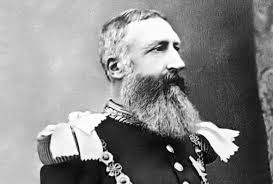
King Leopold II
I have the honour to submit for your Majesty’s consideration some reflections respecting the Independent State of Congo, based upon a careful study and inspection of the country and character of the personal Government you have established upon the African Continent.
It afforded me great pleasure to avail myself of the opportunity afforded me last year, of visiting your State in Africa; and how thoroughly I have been disenchanted, disappointed and disheartened, it is now my painful duty to make known to your Majesty in plain but respectful language. Every charge which I am about to bring against your Majesty’s personal Government in the Congo has been carefully investigated; a list of competent and veracious witnesses, documents, letters, official records and datahas been faithfully prepared, which will be deposited with Her Britannic Majesty’s Secretary of State for Foreign Affairs, until such time as an International Commission can be created with power to send for persons and papers, to administer oaths, and attest the truth or falsity of these charges.
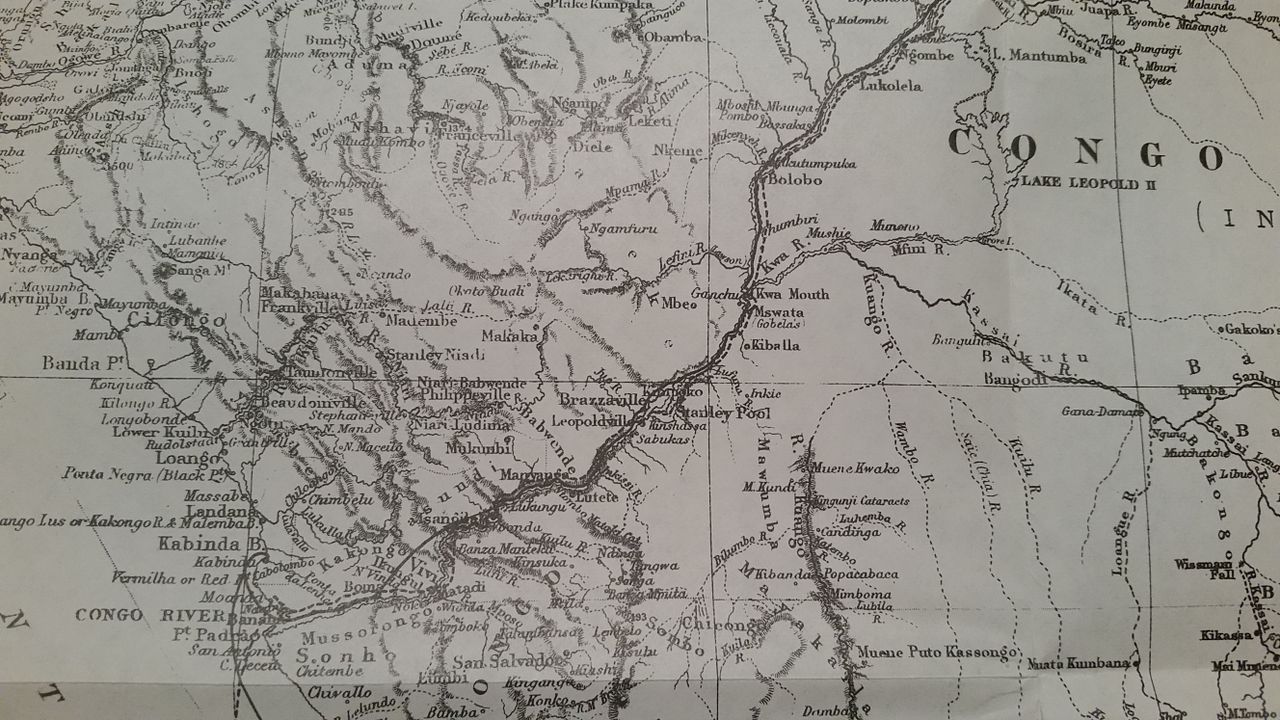
Map of Congo by Stanley
… When I arrived in the Congo, I naturally sought for the results of the brilliant programme: “fostering care”, “benevolent enterprise”, an “honest and practical effort” to increase the knowledge of the natives “and secure their welfare”. I had never been able to conceive of Europeans, establishing a government in a tropical country, without building a hospital; and yet from the mouth of the Congo River to its head-waters, here at the seventh cataract, a distance of 1,448 miles, there is not a solitary hospital for Europeans, and only three sheds for sick Africans in the service of the State, not fit to be occupied by a horse [“Afrique 50” The First French Anti-Colonization Documentary]. …
I was anxious to see to what extent the natives had “adopted the fostering care” of your Majesty’s “benevolent enterprise” (?), and I was doomed to bitter disappointment. Instead of the natives of the Congo “adopting the fostering care” of your Majesty’s Government, they everywhere complain that their land has been taken from them by force; that the Government is cruel and arbitrary, and declare that they neither love nor respect the Government and its flag. Your Majesty’s Government has sequestered their land, burned their towns, stolen their property, enslaved their women and children, and committed other crimes too numerous to mention in detail. It is natural that they everywhere shrink from “the fostering care” your Majesty’s Government so eagerly proffers them.
There has been, to my absolute knowledge, no “honest and practical effort made to increase their knowledge and secure their welfare.” Your Majesty’s Government has never spent one franc for educational purposes, nor instituted any practical system of industrialism. Indeed the most unpractical measures have been adopted against the natives in nearly every respect; and in the capital of your Majesty’s Government at Boma there is not a native employed. …
… From these general observations I wish now to pass to specific charges against your Majesty’s Government.
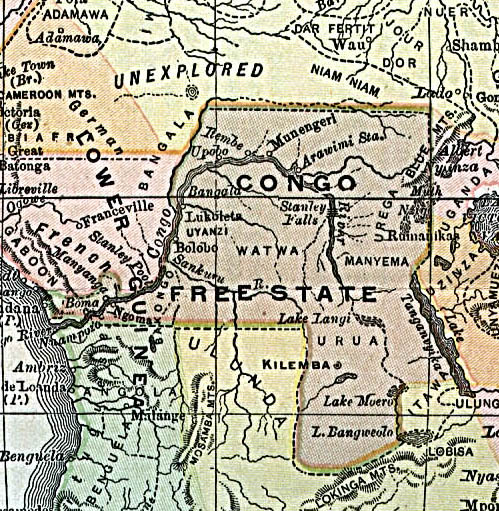
Map of the Congo Free State in 1892
FIRST.—Your Majesty’s Government is deficient in the moral military and financial strength, necessary to govern a territory of 1,508,000 square miles, 7,251 miles of navigation, and 31,694 square miles of lake surface. In the Lower Congo River there is but One post, in the cataract region one. From Leopoldville to N’Gombe, a distance of more than 300 miles, there is not a single soldier or civilian. Not one out of every twenty State-officials know the language of the natives, although they are constantly issuing laws, difficult even for Europeans, and expect the natives to comprehend and obey them. …
SECOND.—Your Majesty’s Government has established nearly fifty posts, consisting of from two to eight mercenary slave-soldiers from the East Coast. … These piratical, buccaneering posts compel the natives to furnish them with fish, goats, fowls, and vegetables at the mouths of their muskets; and whenever the natives refuse to feed these vampires, they report to the main station and white officers come with an expeditionary force and burn away the homes of the natives. These black soldiers, many of whom are slaves, exercise the power of life and death. They are ignorant and cruel, because they do not comprehend the natives; they are imposed upon them by the State. They make no report as to the number of robberies they commit, or the number of lives they take; they are only required to subsist upon the natives and thus relieve your Majesty’s Government of the cost of feeding them. They are the greatest curse the country suffers now.
THIRD.—Your Majesty’s Government is guilty of violating its contracts made with its soldiers, mechanics and workmen, many of whom are subjects of other Governments. Their letters never reach home.
FOURTH.—The Courts of your Majesty’s Government are abortive, unjust, partial and delinquent. I have personally witnessed and examined their clumsy operations. The laws printed and circulated in Europe “for the Protection of the blacks” in the Congo, are a dead letter and a fraud. …
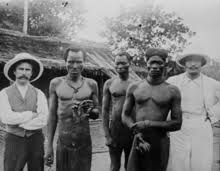
Picture of men holding cut-off hands (image by Alice S. Harris in Baringa 1904)
FIFTH—Your Majesty’s Government is excessively cruel to its prisoners, condemning them, for the slightest offences, to the chain gang, the like of which can not be seen in any other Government in the civilized or uncivilized world. … But the cruelties visited upon soldiers and workmen are not to be compared with the sufferings of the poor natives who, upon the slightest pretext, are thrust into the wretched prisons here in the Upper River. …
SIXTH.—Women are imported into your Majesty’s Government for immoral purposes. They are introduced by two methods, viz., black men are dispatched to the Portuguese coast where they engage these women as mistresses of white men, who pay to the procurer a monthly sum. The other method is by capturing native women and condemning them to seven years’ servitude for some imaginary crime against the State with which the villages of these women are charged. The State then hires these women out to the highest bidder, the officers having the first choice and then the men. Whenever children are born of such relations, the State maintains that the women being its property the child belongs to it also. …
SEVENTH.—Your Majesty’s Government is engaged in trade and commerce, competing with the organised trade companies of Belgium, England, France, Portugal and Holland. It taxes all trading companies and exempts its own goods from export-duty, and makes many of its officers ivory-traders, with the promise of a liberal commission upon all they can buy or get for the State. State soldiers patrol many villages forbidding the natives to trade with any person but a State official, and when the natives refuse to accept the price of the State, their goods are seized by the Government that promised them “protection”. When natives have persisted in trading with the trade-companies the State has punished their independence by burning the villages in the vicinity of the trading houses and driving the natives away.
EIGHTH.—Your Majesty’s Government has violated the General Act of the Conference of Berlin by firing upon native canoes; by confiscating the property of natives; by intimidating native traders, and preventing them from trading with white trading companies; by quartering troops in native villages when there is no war; … by permitting the natives to carry on the slave- trade, and by engaging in the wholesale and retail slave-trade itself.
NINTH.—-Your Majesty’s Government has been, and is now, guilty of waging unjust and cruel wars against natives, with the hope of securing slaves and women, to minister to the behests of the officers of your Government. In such slave-hunting raids one village is armed by the State against the other, and the force thus secured is incorporated with the regular troops. …
TENTH.—Your Majesty’s Government is engaged in the slave-trade, wholesale and retail. It buys and sells and steals slaves. … The labour force at the stations of your Majesty’s Government in the Upper River is composed of slaves of all ages and both sexes.
ELEVENTH.—Your Majesty’s Government has concluded a contract with the Arab Governor at this place for the establishment of a line of military posts from the Seventh Cataract to Lake Tanganyika territory to which your Majesty has no more legal claim, than I have to be Commander-in-Chief of the Belgian army. …
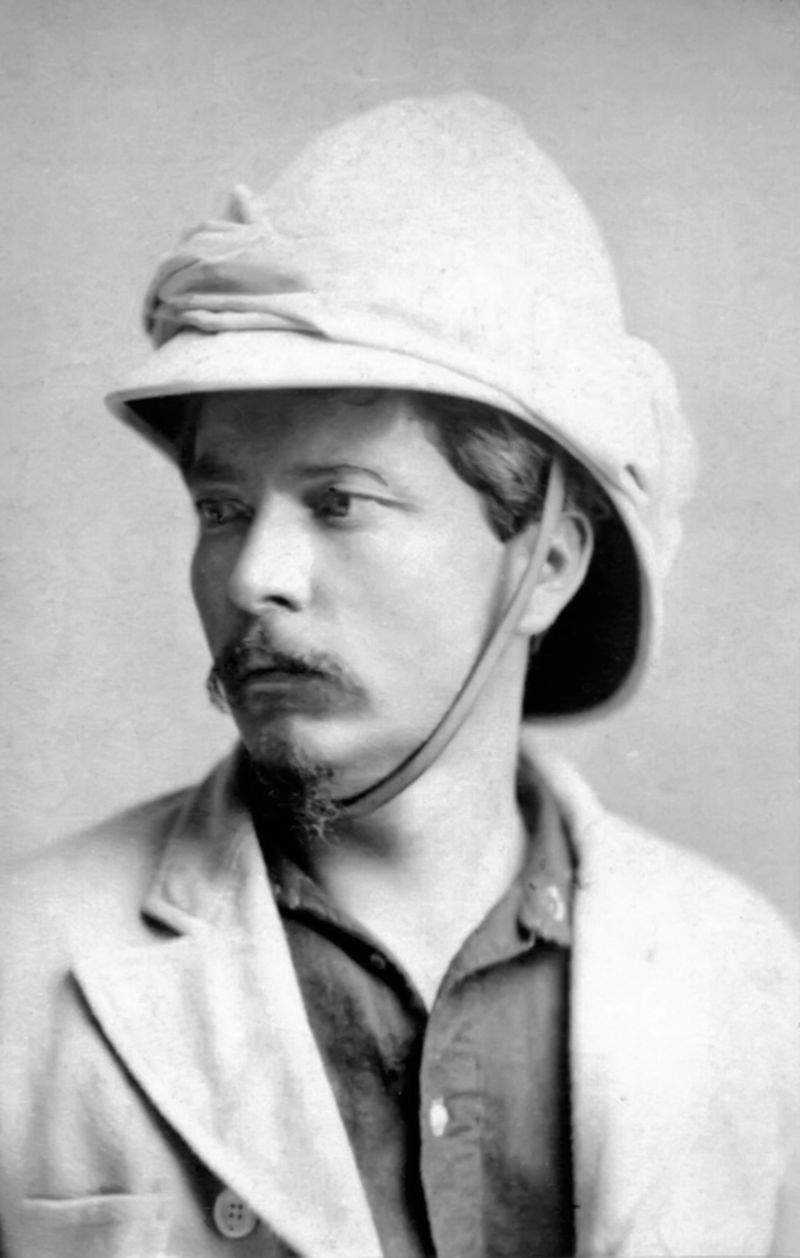
Henry Morton Stanley, whose exploration of the Congo region at Leopold’s invitation led to the establishment of the Congo Free State under personal sovereignty
TWELFTH—The agents of your Majesty’s Government have misrepresented the Congo country and the Congo railway. Mr. H. M. STANLEY, the man who was your chief agent in setting up your authority in this country, has grossly misrepresented the character of the country. Instead of it being fertile and productive it is sterile and unproductive. The natives can scarcely subsist upon the vegetable life produced in some parts of the country. … HENRY M. STANLEY’S name produces a shudder among this simple folk when mentioned; they remember his broken promises, his copious profanity, his hot temper, his heavy blows, his severe and rigorous measures, by which they were mulcted of their lands. His last appearance in the Congo produced a profound sensation among them, … the only thing they found in the wake of his march was misery. …
CONCLUSIONS Against the deceit, fraud, robberies, arson, murder, slave-raiding, and general policy of cruelty of your Majesty’s Government to the natives, stands their record of unexampled patience, long-suffering and forgiving spirit, which put the boasted civilisation and professed religion of your Majesty’s Government to the blush. …
All the crimes perpetrated in the Congo have been done in your name, and you must answer at the bar of Public Sentiment for the misgovernment of a people, whose lives and fortunes were entrusted to you by the august Conference of Berlin, 1884—1 885. I now appeal to the Powers which committed this infant State to your Majesty’s charge, and to the great States which gave it international being; and whose majestic law you have scorned and trampled upon, to call and create an International Commission to investigate the charges herein preferred in the name of Humanity, Commerce, Constitutional Government and Christian Civilisation.
I base this appeal upon the terms of Article 36 of Chapter VII of the General Act of the Conference of Berlin, in which that august assembly of Sovereign States reserved to themselves the right “to introduce into it later and by common accord the modifications or ameliorations, the utility of which may be demonstrated experience”.
Painting of George Washington Williams addressing the Ohio State Legislature. Williams was the first African-American elected to the Ohio State Legislature, serving one term 1880 to 1881 (Source: Ohio Statehouse, Wikipedia)
I appeal to the Belgian people and to their Constitutional Government, so proud of its traditions, replete with the song and story of its champions of human liberty, and so jealous of its present position in the sisterhood of European States—to cleanse itself from the imputation of the crimes with which your Majesty’s personal State of Congo is polluted.
I appeal to Anti-Slavery Societies in all parts of Christendom, to Philanthropists, Christians, Statesmen, and to the great mass of people everywhere, to call upon the Governments of Europe, to hasten the close of the tragedy your Majesty’s unlimited Monarchy is enacting in the Congo.
I appeal to our Heavenly Father, whose service is perfect love, in witness of the purity of my motives and the integrity of my aims; and to history and mankind I appeal for the demonstration and vindication of the truthfulness of the charge I have herein briefly outlined.
And all this upon the word of honour of a gentleman, I subscribe myself your Majesty’s humble and obedient servant,
The world came to know the truth about King Leopold II, the Belgian King who killed millions of Congolese, thanks to George Washington Williams, an African American missionary, lawyer, and writer, who visited the Congo. It is said that King Leopold II must have executed and maimed over 15 million Congolese people!
Painting of George Washington Williams addressing the Ohio State Legislature. Williams was the first African-American elected to the Ohio State Legislature, serving one term 1880 to 1881 (Source: Ohio Statehouse, Wikipedia)
George Washington Williams is an unsung hero who in today’s terms would be called a whistle blower. He was born free in 1849 in the state of Pennsylvania in America to free African American parents. He ran away at an early age and served in the Union Army during the Civil War. He was an American soldier, historian, Baptist clergyman, politician, lawyer, and lecturer. He served in the Ohio General Assembly from 1880 to 1881, becoming the first African American to be elected to the Ohio State Legislature. He was the first person to write an objective, researched history of Blacks in America. His first book, History of the Negro Race in America (1882), is one of the most important contributions any American has made to the field, as he showed African American participation and contributions from the earliest days of the colonies. He wrote other books on the history of the United States Colored Troops and African-American participation in the American Civil War, A History of Negro Troops in the War of Rebellion (1887).
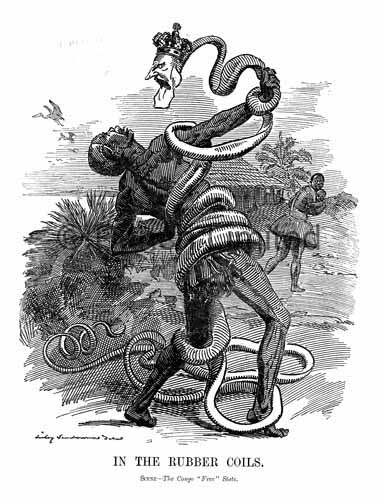
In The Rubber Coils. Scene – The Congo ‘Free’ State” Linley Sambourne depicts King Leopold II of Belgium as a snake entangling a congolese rubber collector
In the late 1880s, after meeting King Leopold II of Belgium in Europe and being impressed by his ‘benevolent enterprise’ in the Congo, Williams traveled to the Congo Free State, then a property of the King, in 1890. He was shocked by the widespread brutal abuses, atrocities, forced labor, torture, murder, kidnapping, physical mutilation, and slavery imposed on the Congolese for the rubber quota. The king employed a private militia to enforce rubber production, back then rubber was like gold. What Williams witnessed was so outrageous that he wrote “An Open Letter to His Serene Majesty Leopold II, King of the Belgians and Sovereign of the Independent State of Congo” on July 18, 1890 about the suffering of the Congolese people. In his letter, he used the term “crimes against humanity,” term used for the first time, and it became a catalyst for an international outcry against the brutality of King Leopold II. He followed the open letter by “A Report Upon the Congo-State and Country to the President of the Republic of the United States.” In the letter, he mentioned the role played by explorer Henry Morton Stanley in deceiving and maltreating the local Congolese; to think that some places were even named after Stanley such as Stanleyville – now Kisangani and Stanley Falls – now Boyoma Falls! Williams reminded the King that the crimes committed were all committed in his name, making him as guilty as the perpetrators. He appealed to the international community of the day to “call and create an International Commission to investigate the charges herein preferred in the name of Humanity …“.
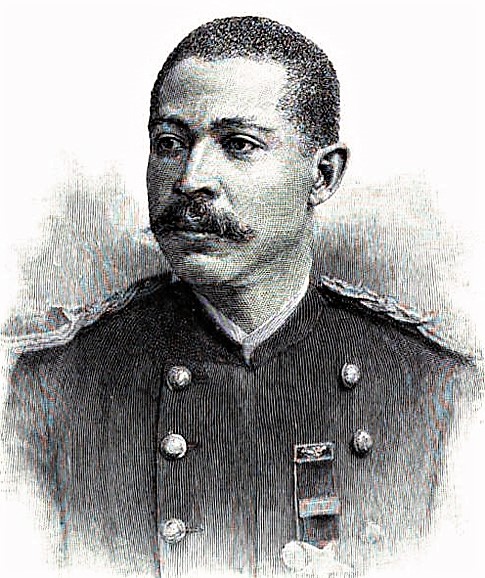
George Washington Williams (Source: Wikipedia)
Like with all whistle blowers in history, King Leopold II and his supporters tried to discredit Williams, but Williams continued to speak out about the abuses in the Congo Free State, helping to generate actions in Belgium and the international community. Unfortunately, George Washington Williams died just a year after, in 1891, while traveling from Africa to England. However, the seeds he planted with his open letter led the Belgian government to take over supervising the Congo Free State and to try to improve treatment of the Congolese. The Congo Free State was then reconstituted as a new territory, the Belgian Congo, which as history goes did not fare much better.
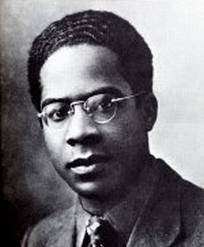
It is no secret that Aimé Césaire, the father of the Négritude movement, was a prolific author and poet. He published over 100 poems, each one more unique than the other. Césaire was not only responsible for Cahier d’un retour au pays natal, a widely acclaimed masterpiece read throughout schools in Africa today, which documented the 20th-century colonial condition, but he was also an accomplished playwright. In what Césaire describes as his “triptych” of plays, La Tragédie du roi Christophe (The Tragedy of King Christophe, another one read in schools), Une Saison au Congo (A Season in the Congo, another masterpiece), and Une Tempête (The Tempest), he explores a series of related themes, especially the efforts of Blacks—whether in Africa, the United States, or the Caribbean—to resist the powers of colonial domination. Like his poetry and polemical essays, Césaire’s plays explore the paradox of Black identity under French colonial rule.
The poem below “The Woman and The Flame” by Aimé Césaire, Solar Throat Slashed: The Unexpurgated 1948 Edition, is from published by Wesleyan University Press, and translated to English by Clayton Eshleman. Enjoy!
=====
African Venus, a sculpture by Charles-Henri Joseph Cordier 1851 (Source: Walters Art Museum)
“The Woman and the Flame” by Aimé Césaire
A bit of light that descends the springhead of a gaze twin shadow of the eyelash and the rainbow on a face and round about who goes there angelically ambling Woman the current weather the current weather matters little to me my life is always ahead of a hurricane you are the morning that swoops down on the lamp a night stone between its teeth you are the passage of seabirds as well you who are the wind through the salty ipomeas of consciousness insinuating yourself from another world Woman you are a dragon whose lovely color is dispersed and darkens so as to constitute the inevitable tenor of things I am used to brush fires I am used to ashen bush rats and the bronze ibis of the flame Woman binder of the foresail gorgeous ghost helmet of algae of eucalyptus dawn isn’t it and in the abandon of the ribbands very savory swimmer














 African Heritage