
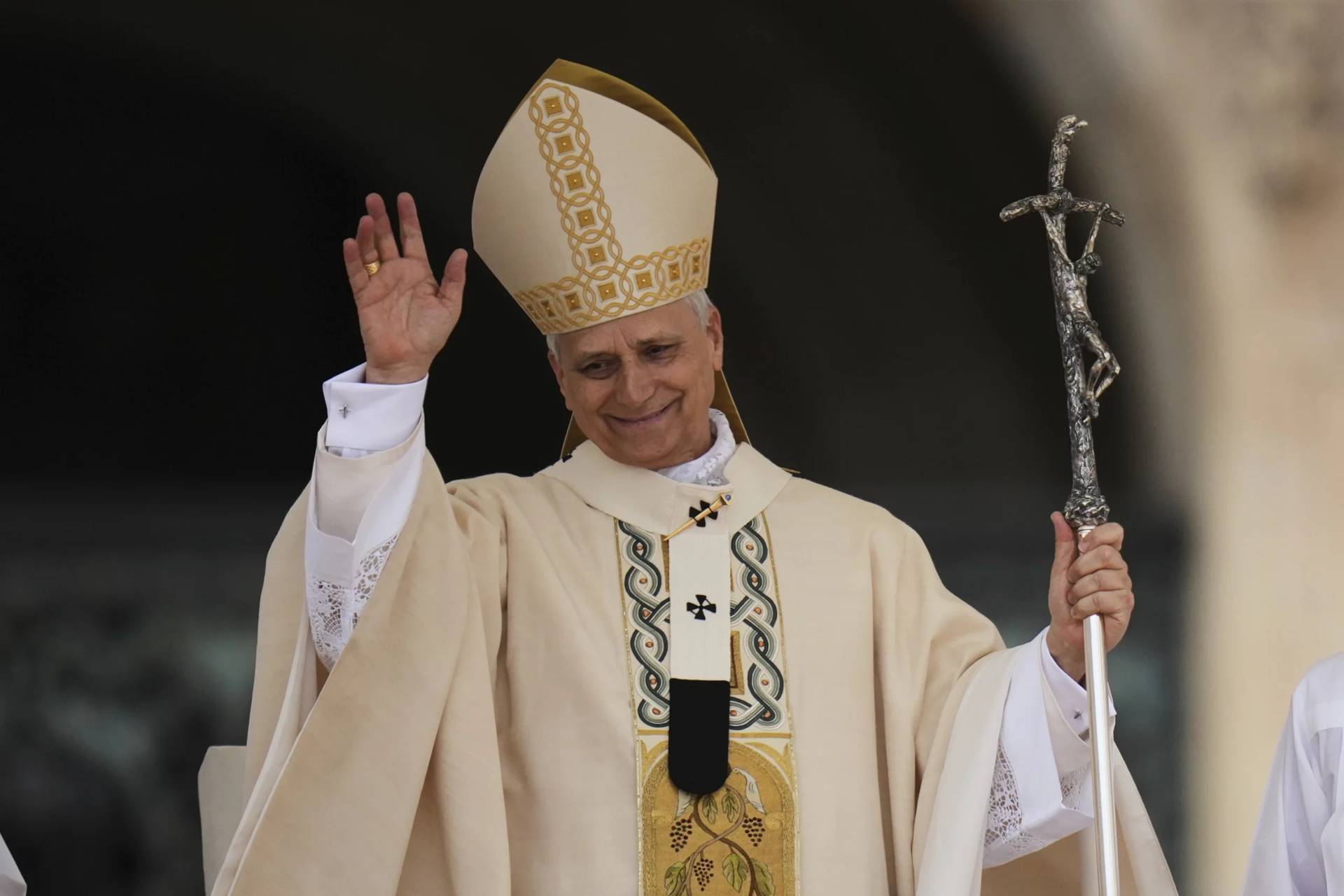
On May 25, 2026, Pope Leo XIV supposedly ‘apologized’ for the Church’s historic role in legitimizing slavery, and the apology appeared in his first encyclical, Magnifica Humanitas [Magnificent Humanity]: On Safeguarding the Human Person in the Time of Artificial Intelligence. This is the first time any pope has directly acknowledged the papacy’s own role in authorizing the enslavement through 15th-century papal bulls like Dum Diversas or The Vatican’s Authorization of Slavery.
Pope Leo XIV said in his encyclical, Magnifica Humanitas, “It is impossible not to feel deep sorrow when contemplating the immense suffering and humiliation endured by so many stark contrast to their immeasurable dignity as persons infinitely loved by the Lord. For this, in the name of the Church, I sincerely ask for pardon.” He further described the Church’s record as “a wound in Christian memory.“
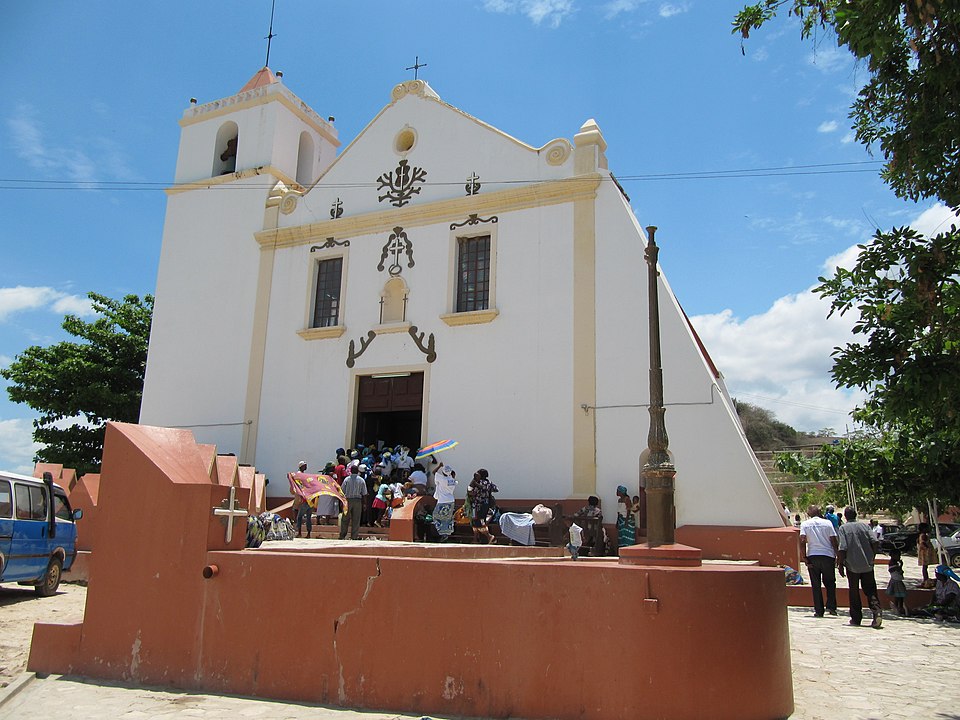
To me, the above text is confusing, i.e. what is he really asking pardon for? Not trusting MSM, I read the encyclical directly. I looked everywhere, and found an apology for the ‘delay’ with which the Church in the past condemned ‘the scourge of slavery.’ What the ??? If the words above are considered an apology for slavery, then why is not written clearly? Why are the newspapers acting like we are fools who should applaud for the way the Pope talked about slavery as a parenthesis to highlight the dangers of Artificial Intelligence? Thus, the Transatlantic Slave Trade, which has recently been recognized by the UN as the gravest crime against humanity, was mentioned as a parenthesis in his encyclical, and we are supposed to clap (The UN Recognizes the Transatlantic Slave Trade as the Gravest Crime against Humanity, Dum Diversas or The Vatican’s Authorization of Slavery, Vatican rejects ‘Doctrine of Discovery’ used to Justify Colonial Quest and Theft of Land)? I read in the encyclical about “new forms of slavery.” Then in this parenthesis, he tells us that as a matter of fact, many already practiced slavery even in the Middle Ages; it was just not as organized. What should we expect when Pope Leo XIV gave his Last Blessing in Angola on April 19, 2026, at an Old Slave Trade Hub? O Africans, how can you continue to follow these people?
It is important to note that, the Pope’s encyclical has been written primarily to safeguard the human dignity in the age of artificial intelligence, arguing that human beings can never be reduced to data, productivity, or technological utility. He said “AI must serve humanity not concentrate power.” Does the Pope know something we don’t? He highlights the challenges posed by artificial intelligence, calling for AI to be “disarmed” from logics of domination, exclusion and war. Drawing parallels with Rerum Novarum, the Pope urges the global community to place technological progress at the service of human dignity, solidarity and the common good. This is where the Pope wants to make sure AI does not turn humanity into slavery. He talks of transhumanism and posthumanism thought current. At this point, the newspapers should talk about the Pope’s message as it pertains to AI the way it really is, instead of trying to lump together an apology for slavery that is not there, to appease (or fool) the largest population of Catholics (Africans).
Below are the words of Pope Leo XIV in the encyclical Magnifica Humanitas, as it pertains to slavery. Read it for yourself and tell me: is this an apology?
=====
…
174. … In continuity with the tradition inaugurated by Leo XIII, the Church renews her firm condemnation of all forms of slavery, trafficking and the commodification of persons….
175. Human trafficking must be recognized as a contemporary form of slavery and a grave violation of human dignity. Failing to respond firmly, or tolerating these practices in any way, is in some way to become complicit in today’s sins, which are akin to those of the past when slavery was being concealed and justified.
176. In the development of her doctrine, the Church has gradually come to a deeper awareness of the gravity of these issues. It is true that past events cannot be judged anachronistically, as though the moral criteria that matured over time had always been available. Yet neither can we deny or diminish the delay with which both society and the Church came to denounce the scourge of slavery. In antiquity and the Middle Ages many individuals and even ecclesiastical institutions had slaves. Already in the early modern period, the Apostolic See of Rome, responding to requests from Sovereigns, intervened several times in order to regulate and legitimize forms of subjugation, and, in certain cases, the enslavement of “infidels.” [174] It was only in the nineteenth century that a formal, absolute and universal condemnation of slavery was clearly articulated, notably under Pope Leo XIII. [175] This development offers a clear example of the Church’s growth in understanding the perennial truths of Revelation that she safeguards. Although there was not always consistency in practice — given that slavery was long tolerated before being unequivocally condemned — there has been a continuous affirmation throughout history of the dignity of every human being, created in the image of God, even if it took eighteen centuries for its full incompatibility with slavery to be explicitly recognized. This constitutes a wound in Christian memory, one from which we cannot consider ourselves detached. [176] It is impossible not to feel deep sorrow when contemplating the immense suffering and humiliation endured by so many in stark contrast to their immeasurable dignity as persons infinitely loved by the Lord. For this, in the name of the Church, I sincerely ask for pardon.
…


