In 2024, we said goodbye to many people and things in Africa. Below are a few:
President Hage Geingob (Source: TheHealthSite)
In February, the 3rd president of Namibia, Hage Geingob, passed away in Windhoek, Namibia, from cancer. As a strong freedom and anti-apartheid activist, in his early years, he fought to set the international stage for the South West Africa People’s Organization (SWAPO) and the Namibian fight for independence from South Africa; we remember his years of service and sacrifice for the nation of Namibia, and Southern Africa as a whole. So Long Hage Geingob, Third President of Namibia – African Heritage
In February, Kenyan athlete Kelvin Kiptum and his coach died in a car crash in their home country. Kiptum epitomized athletic brilliance. His record-breaking marathon performances catapulted him into global recognition, with contributions extending beyond the track. In his hometown, Kiptum established programs that provided sports training and education for underprivileged youth, ensuring that his success translated into broader societal impact.
Democratic Republic of Congo (DRC) mineral map (Source: Atlas du continent africain, Jeune Afrique et editions Jaguar, 2000)
In February, the European Union (EU) agreed to discuss the price of minerals coming from the DRC with Rwanda. Unheard of!!! Such a preposterous agreement! The EU and Rwanda signed a Memorandum of Understanding (MOU) to strengthen Rwanda’s role in fostering sustainable development and resilient value chains for critical raw materials MOU on Sustainable Raw Materials Value Chains between the EU and Rwanda. Since then, several mineral-rich Congolese cities have been captured by the M23, a rebellious movement backed by Rwanda. The town with one of the biggest coltan reservoirs in the world, Rubaya was captured by the M23 rebels. Kanyabayonga, Kirumba, Shasha, Vuvano, Kiuli, and Mbwambaliro are other cities that were captured by the M23 this year. Rubaya is rich in coltan, tantalum, cobalt; north Kivu, gold, tin, and of course diamond. Coincidence or Not? Coltan-rich Town Captured – African Heritage
‘Segu’ by Maryse Conde
In April, Maryse Condé, the grande Dame of Caribbean literature left us, aged 90. Condé’s work has touched so many throughout the world, as it was a literary bridge between Africa, the Caribbean, and Europe. Her best work, Segu, is a great favorite. My first encounter with Maryse Condé’s work, was when I read her book “La Belle Créole.” Then I read Segu, and really that was it! I was sold… It was unforgettable, strong, and vivid. Maryse Conde: The Grande Dame of Caribbean Literature is no more – African Heritage
In June, the African National Congress (ANC) of South Africa suffered a historic defeat. The ANC, the party which brought the end of the apartheid regime, lost its parliamentary majority in a historic election on June 1. This puts South Africa on a new political path for the first time since the end of the apartheid system of white minority rule 30 years ANC flag
In August, the longest-serving president of the Confederation of African Football (CAF), the Cameroonian Issa Hayatou joined his ancestors this year. Hayatou was a legend who transformed African football into a powerhouse. His visionary leadership expanded Africa’s presence at the FIFA World Cup from two teams in 1982 to 3, 5, and eventually 10 by 2026. He relentlessly lobbyied for the place of Africa in the world of football, including the dream of an African country hosting the world cup, which materialized with South Africa as a host in 2010. He also expanded the Africa Cup of Nations (CAN), increasing participating teams from 8 to 24, creating more opportunities for African nations to compete on the global stage. His legacy in African football is unmatched.
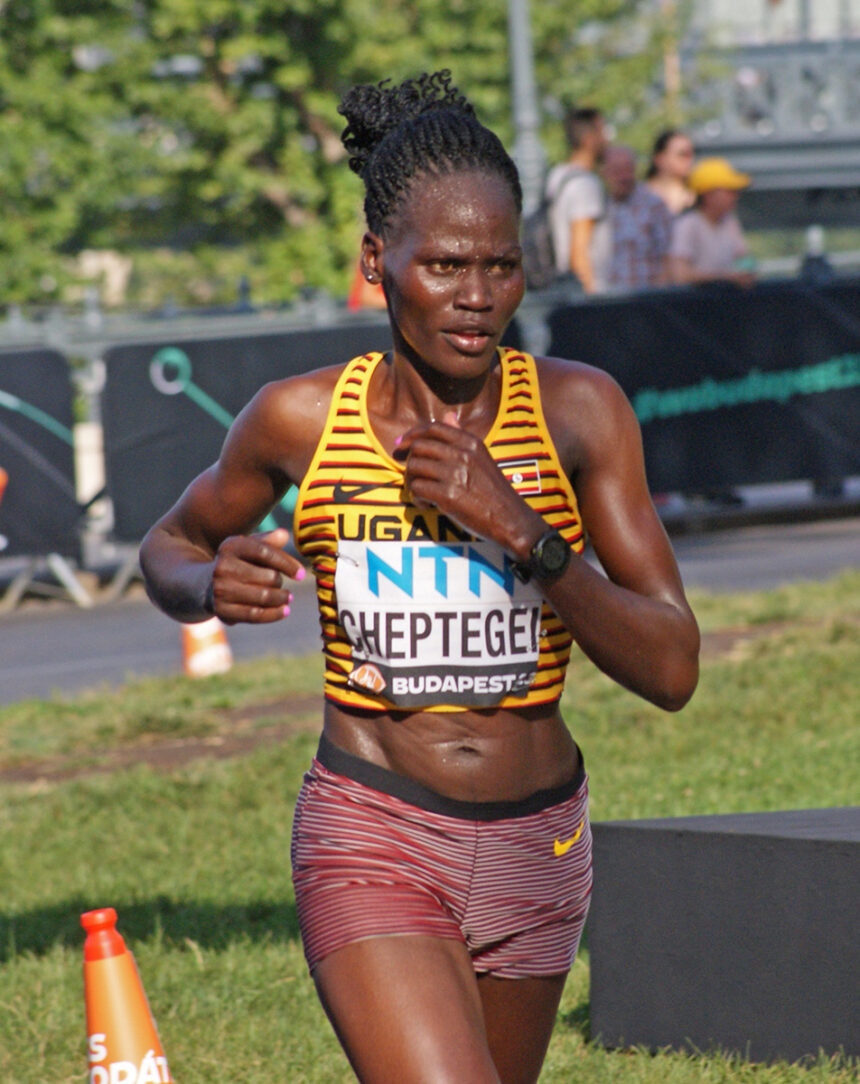
Rebecca Cheptegei (Source: swiftsportsug.com)
In September, talented Ugandan cross-country, long-distance, and marathon runner Rebecca Cheptegei was set ablaze by her former boyfriend who doused her with petrol over a land dispute in northern Kenya; she died of sustained injuries from the fire. As an athlete, her accomplishments included Olympic gold medals, and she was also a member of the Ugandan armed forces. Her death highlighted the domestic violence issues against women in Kenya which has been a big public problem this year with several marches against it.
In October, Hama Amadou, a former prime minister of Niger who consistently pushed for governance grounded in accountability and transparency left us. Despite facing imprisonment and exile due to his political stances, Amadou remained committed to justice and the dream of a prosperous West Africa. He was given all honors for his funerals by the current Nigerien government. His story reflects the perseverance required to navigate political adversity, leaving a legacy of resilience and hope for future reformers.
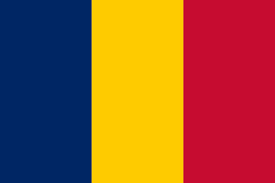
Flag of Chad
Bye bye to French military bases in Chad. France began withdrawing its Mirage fighter jets from Chad on December 10, 2024. Two Mirage 2000-D fighters departed from a French base in N’Djamena and returned to France. This move is part of a larger French military withdrawal from Chad, following the end of the defense cooperation agreement between the two countries on Nov. 29, 2024 when Chad and Senegal Ordered French Military Bases Out of their Territories. While the Chadian president has remained strong in his decision, the Senegalese president has since corrected, saying that it was just the start to start the discussion.
Cyclone Chido’s path of destruction (Source: blog.thegovernmentrag.com)
On December 14, 2024, the island of Mayotte was hit by the cyclone Chido which left total devastation behind. 80% of the island, which is a French overseas department, was destroyed when the cyclone brought winds exceeding 200 km/h (124 mph) and gusts over 225 km/h (140 mph). The current death toll is 35, (French PM says only dozens killed not thousands) but all expect it to be significantly higher in the thousands, given that majority of the population is Muslim (and thus bury their dead within 24 hours), and many were illegals thus had no papers due to the huge illegal migration to that island. Moreover, cyclone Chido also caused significant damage in Mozambique, causing more deaths, making it likely that the numbers given by the French authorities should be significantly higher. During his visit, the French president Emmanuel Macron had the gull to insult the bereaved populations, handing out moral lessons. Our hearts and prayers go out to our brothers and sisters of Mayotte and Mozambique.
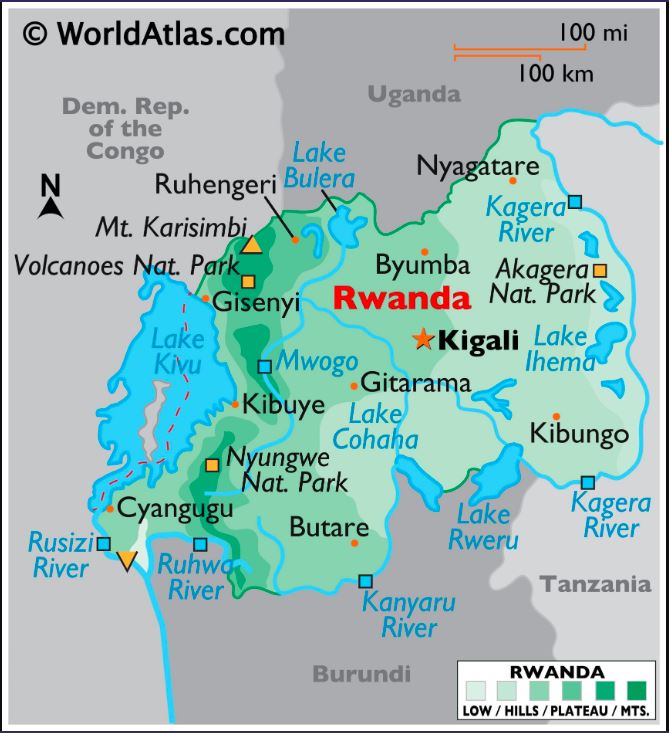
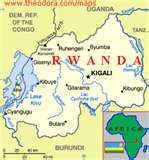
Last month, Rwanda and the UK signed a deal to repatriate all African migrants that will come to the United Kingdom (UK) in search of a better tomorrow to Africa, and more precisely to Rwanda. The UK will pay Rwanda an “economic transformation and integration fund” amounting to£120 million, and will also fund each immigrant between£20,000and£30,000for their relocation and temporary accommodation in the scheme. Where do they find the money? I thought times were hard! Upon arrival in Rwanda, migrants will be temporarily accommodated in the capitalKigalias their claims for asylum are processed. If successful, migrants will then receivepermanent residency in the country and be offered permanent accommodation. It is expected that all claims will, at most, take three months to be processed. Once in Rwanda, migrants will not be allowed to return to the United Kingdom to seek asylum. As a skeptic, I wonder how that will work, given that we hear often about over-population in the city ofKigali… Certainly, as I have said countless times, Africa is the richest continent on this planet, and it is about time that we, Africans, stay home to make it work, and get rid of those governments (puppets of the West) that are seated on our destinies instead of risking our lives in the Sahara desert, the Mediterranean Sea, or the English Channel. As a side note, when we know that the Rwandan army is deployed in Mozambique (among other places) to watch over the interests of Total, I doubt that those asylum seekers will really be integrated in Rwandan society as Rwandans, but maybe as extras in the army to be sent out to protect foreign interests in other African countries? Hey, if I were the government of Rwanda, it is a really good deal! Enjoy the article below fromAfricaNews.
=====
Flag of the United Kingdom
Hotels and guest houses in Rwanda are being prepared to accommodate asylum-seekers illegally arriving into the UK.
It’s part of a controversial deal, signed by Rwanda and Britain, to deport illegal migrants to Kigali.
The plan aims to discourage desperate migrants from attempting to cross the English Channel by flying them some 6,400 kilometres to Rwanda where they are expected to stay for good.
Both Britain and Rwanda have faced criticism at home and with at least two UN agencies speaking out about the controversial plan.
Migrants arriving illegally in the UK – often in small boats crossing the English Channel – will have their asylum claims processed in Kigali.
“We will welcome these migrants with open arms, we will try to make them forget the problems that made them leave their country,” said Denis Bizimungu, general manager of the Desire Resort Hotel which is being refurbished and renovated to accommodate the migrants.
“We want to make sure that the idea of crossing the Mediterranean never comes back to their hearts, we want their hearts to be filled with joy in this country,” he added.
UN officials and other critics – particularly in the two countries – have raised human rights concerns and warned that such a move goes against the Refugee Convention.
… According to Rwanda’s deputy government spokesperson Alain Mukurarinda “the contract between Rwanda and the United Kingdom is clear.”
“All the expenses are taken care of by the British government,” he said.
Have you ever wondered about the meaning of the name Kigali, the capital of Rwanda? Is the name from the ancient Kingdom of Rwanda? Was Kigali its capital? Or is it the name of a local town the colonizer decided to turn into the seat of a new protectorate state in Africa?
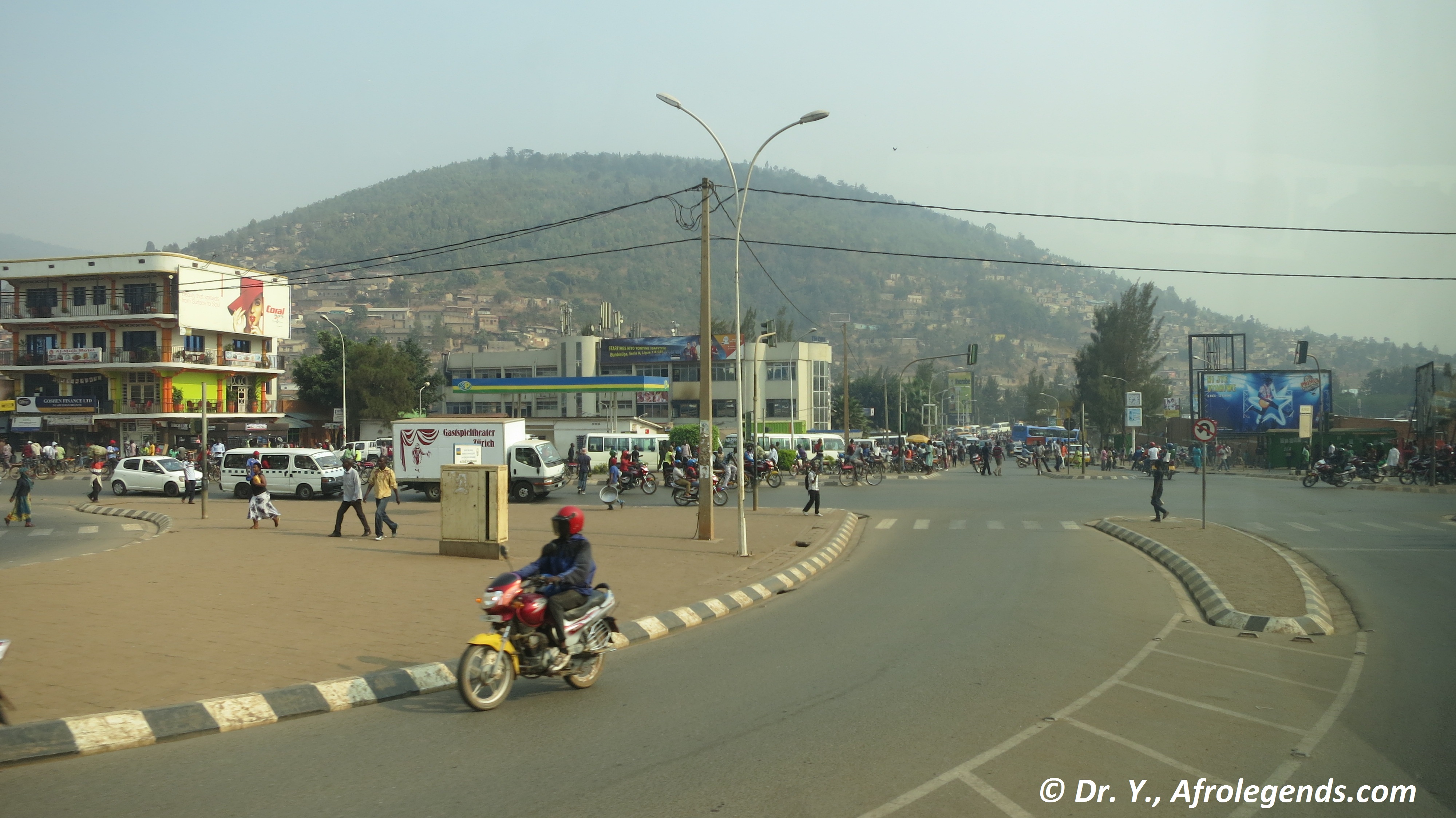
Boulevard in Kigali, Rwanda
Well, Kigali takes its name from Mount Kigali at the foothills of which the city is located. In Kinyarwanda, the prefix ki- denotes objects, while the adjective –gali means ‘vast’, ‘broad’, ‘wide’. Thus the translation of the name Kigaliyields ‘great or big mount’ or ‘vast mountain,’ because the mountain itself is broad and wide. However, based on oral tradition, it is said that the name might have originated in the 14th century when local king Rugwe after conquering the area stood on top of the hill and stated “burya iki gihugu ni Kigali,” which translates to “this country is vast.” Note that the capital of the Kingdom of Rwanda was never Kigali, but Nyanza.
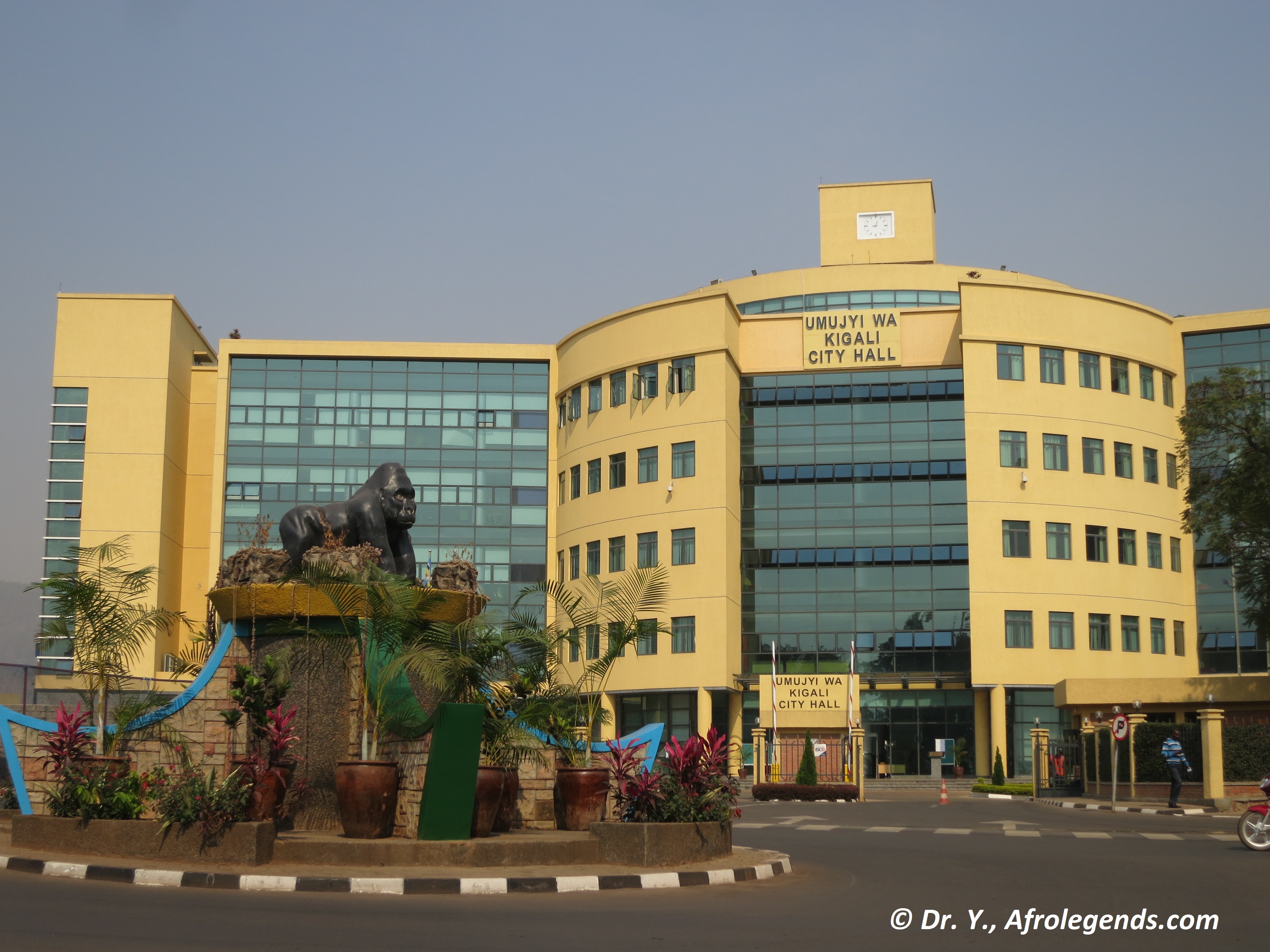
Kigali City Hall, Kigali, Rwanda
The city was established in 1907 by the German administrator and explorer Richard Kandt, who chose Kigali for its central location, and good views of the entire region (security-wise). Perched at an altitude of 1500 m, Kigali is made up of rolling hills and valleys, thus it is quite a strategic point. Kandt’s house was the first European house in the city, and is still in use today as the Kandt House Museum of Natural History. Very often to destroy the power of traditional and local kingdoms, colonial main cities and capitals were chosen away from the usual centers of power which might have carried a lot of the indigenous people’s traditions and thus caused a resistance to the colonial rule; this could also explain the choice of Kigali as the capital.
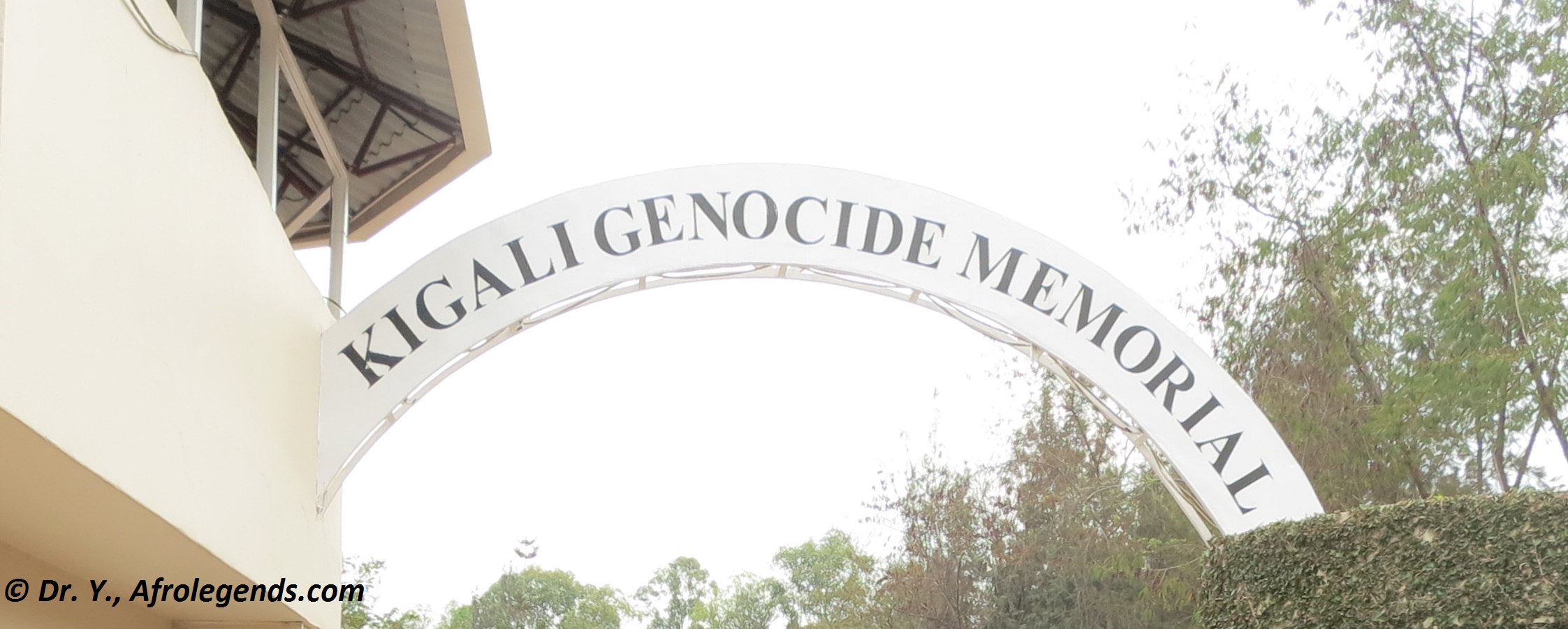
Kigali Genocide Memorial, Kigali, Rwanda
Kigali became the capital upon independence in 1962. Two other cities were considered as contenders for the title of capital, Nyanza the seat of the Mwami and the capital of the ancient kingdom, and Butare which was considered a cultural and religious center. Yet again Kigali won over the other two because of its central location. Over the years, Kigali has grown and expanded. However, the Rwandan civil war and Rwandan genocide of 1994 cast a dark cloud over Kigali, the Rwandan sky, and the entire sub-region. Over 800,000 people died during that time, which marked one of the darkest times in the history of the country. Today, one can still visit the Genocide Memorial in Kigali to remember those whose lives were taken.
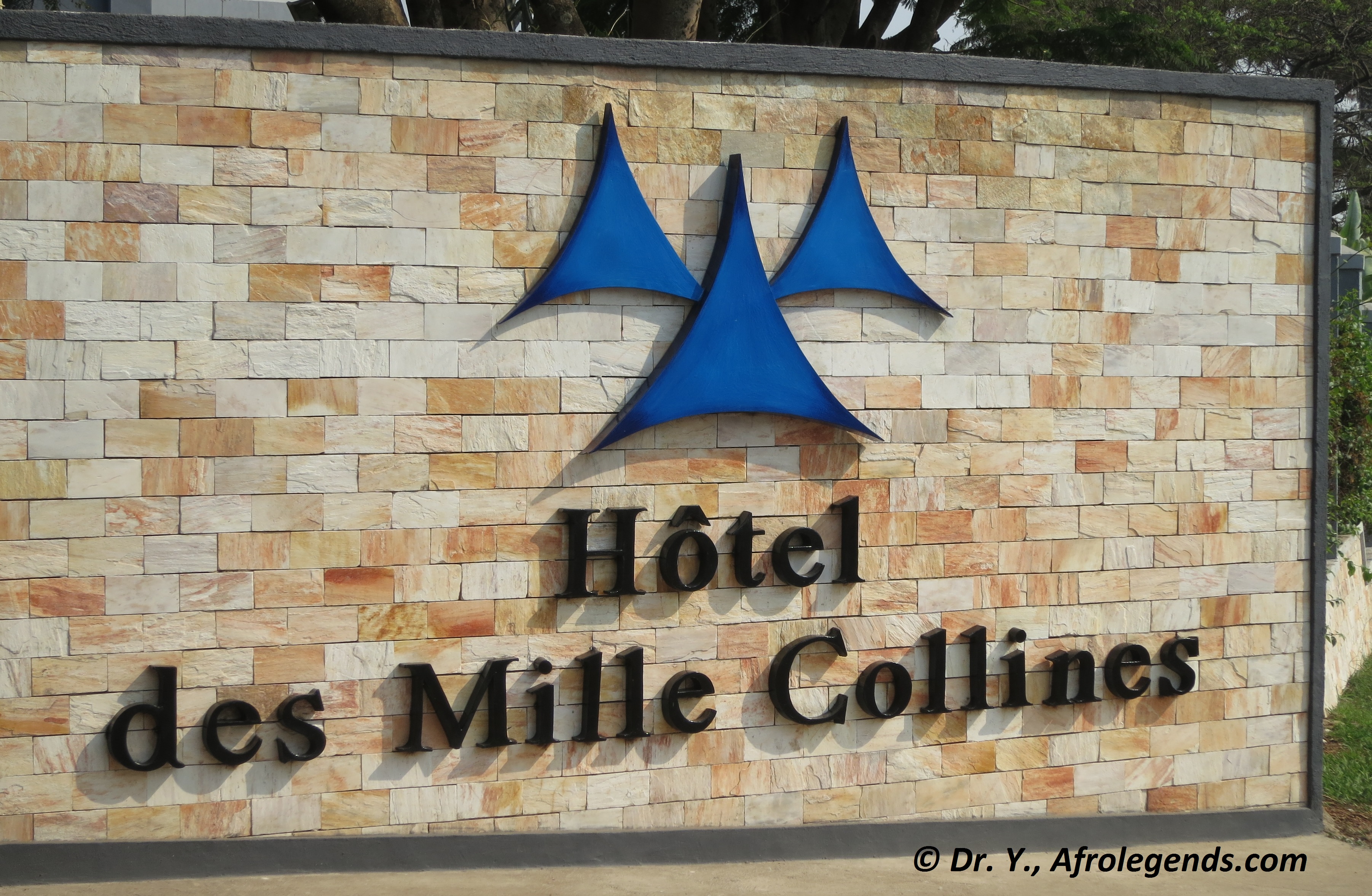
Hotel des Mille Collines which at the height of the 1994 genocide housed over 1200 Hutus and Tutsis refugees, and was made famous by the movie Hotel Rwanda with his general manager Paul Rusesabagina who has been abducted from exile in 2020 and is currently jailed in Kigali by the Kagame regime
Today, Kigali has expanded tremendously, and grown significantly. Much of the city has been rebuilt, and today flourishes. It is the economic and financial hub of the country. In 2013, the economy was reported to be dependent on foreign aid and illegal resource extraction from the DRC. I once read comments from a member of the Rwandan financial ministry who explained that they were finding new precious stones or minerals every day on Rwandan soil… in reality, it is from neighboring DRC.
Overall, Kigali knows cooler temperatures than most countries around the equator, because of its high elevations. The city is particularly lauded for its cleanliness, innovation, and foreign investments. The quick turnaround and rebuilding of Kigali and Rwanda as a whole has made it a key player in all continental organizations. Although many criticize the government of Paul Kagame, it is no doubt that Kigali and Rwanda have experienced undeniable growth, thanks to a combination of the neighbor’s wealth and good governance.
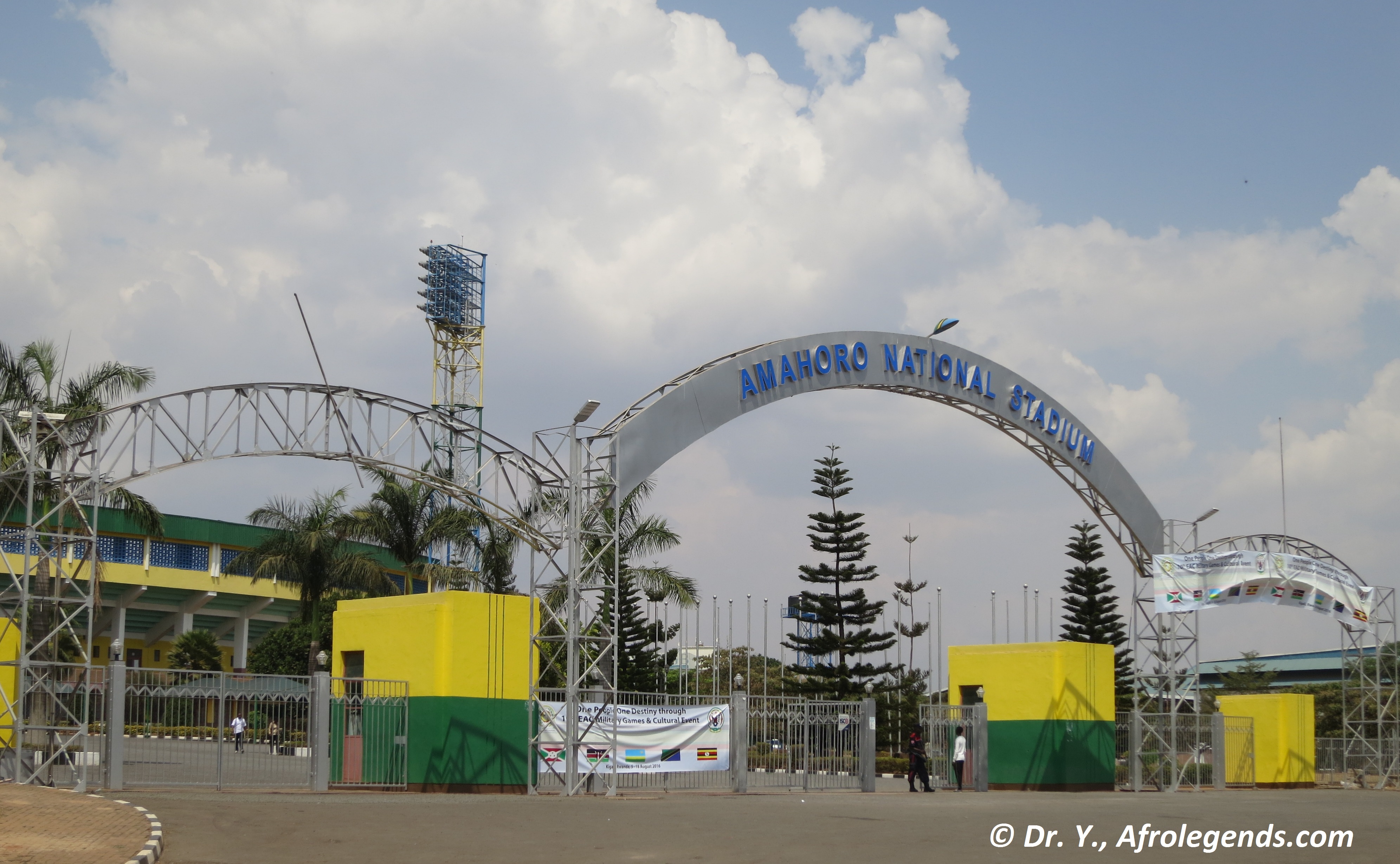
Amahoro National Stadium entrance in Kigali, Rwanda
If you visit Kigali and Rwanda as a whole, please make sure to check your plastic bags at your point of origin as plastic bags are prohibited on Rwandan soil. Make sure to visit the Kigali Genocide Memorial, the Amahoro Stadium, the Presidential Palace Museum which was the abode of past president Juvénal Habyarimana, the Muslim mosque of the city, and the different craft centers. The city expands along all the different hills, and so make sure to ride around on the moto-taxis or use public transportation, and do not forget to buy the famous agaseke baskets for which Rwandans and Burundians are known for.
I still remember the day the Rwandan genocide started. I was just in “4eme”, and the images of the genocide on TV made me cry at night! What could I do, me… a simple school child in Cameroon, except watching on television and praying for someone or something to stop this butchery! Well… among all the heroes mentioned in books and documentaries about Rwanda, a fellow African heard my cry, a Senegalese UN soldier who was in Rwanda decided to act… with no guns, no arms, and no authorization from the UN, he decided to take destiny in his hands…. He is almost forgotten when people talk of Rwanda: few ever mention the act of bravery from this African soldier stationed there.
Yes… I am talking about the young Senegalese captain Mbaye Diagne who was working for the UN in Rwanda. From the first hours of the genocide, he decided to take destiny in his hands, ignoring orders from the UN telling him to just be an observer. He probably thought: “how can I just look when human beings are being slaughtered? how can I just look when I am a blue beret, a UN officer supposed to maintain peace in the world?” From the first hours of the genocide, he was able to save the children of the prime minister Agathe Uwilingiyimana who was murdered; he hid them in his house, and was later able to take them to safety at the “Hotel des Mille Collines.” From then on, he saved many lives, some even think that he probably saved at least 600 -1000 people.
Capt Mbaye in Rwanda
During the genocide, he was constantly rushing and never stayed put. He had a gift to make people laugh and always wore a smile on his face. He could be familiar with anyone within minutes! He could joke with the Interahamwe at all checkpoints, share a cigarette with them, talk with them… and in the midst of the genocide, even the interahamwe probably liked to see a smile in the midst of all the killings, a glimpse of light in all the darkness! He had to save hundreds of people by carrying 3-5 at a time in his vehicle, not to raise suspicion, and pass at least 23 checkpoints at which he had to stop each time and explain himself each time. All of this was done unarmed! Imagine, … saving hundreds of people unarmed, 3-5 at a time!
Yes… Capt Mbaye with his toothy smile was a light in Rwanda… an African angel sent to save people, an answer to some of our prayers. While learning about Capt’ Mbaye, I couldn’t help but cry, tears of happiness… happiness because all I ever heard in documentaries or books were these acts of bravoure by Europeans (or Rwandans like Rusesebagina in “Hotel Rwanda”)… but no-one mentioned this African child saving another African child! No one ever mentioned that the only UN officers left with Gen. Dallaire in Rwanda were mostly Ghanaians and other Africans like Senegalese Capt Mbaye!
Capt Mbaye at the "Hotel des Mille Collines"
One thing is sure, Capt Mbaye showed that in the midst of uglyness, we have a choice to be either observers or actors! We have a choice to protect, and help others! From the very first day of the genocide, Capt Mbaye decided to listen to his conscience and save people! He gave his life for others and stood on the side of justice; he extended his arms to fellow humans in distress… he loved! He was not superman, he was just Mr. ‘everyone’ reaching to the human side in every single one of us: he talked, negotiated, and smiled with the Interahamwe so-called monsters.
Please watch parts of this great documentary from PBS Frontline, and raise your hat to a true African hero! We, Africans, are the only ones who can truly praise the acts of bravoure, courage, and love of this forgotten angel of Rwanda! What can I say… words cannot express my profound gratitude to have learned the story of someone ordinary who decided to do extraordinary things, and saved hundreds of lives!









 Last month, Rwanda and the UK signed a deal to repatriate all African migrants that will come to the United Kingdom (UK) in search of a better tomorrow to Africa, and more precisely to Rwanda. The UK will pay Rwanda an “economic transformation and integration fund” amounting to




 African Heritage