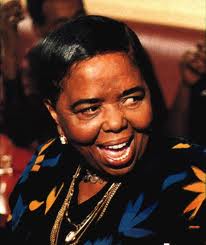
“Angola” by Cesária Évora

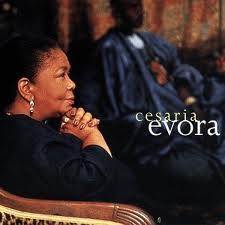
The album titled 'Cesaria Evora'
The album titled ‘Cesaria Evora’

We talked about Fortaleza de São Miguel in Luanda, Angola, a major slave fort of Angola which today has been turned into a museum and stood the test of times, and show the resilience of the Angolan people and their love of life in spite of adversities. Cesária Évora, the barefoot diva, Cape Verde’s national diva sang Angola.” As this fortress, she had a breakthrough after years of disappointment, she never gave up. She exemplified endurance, strength, confidence, and perseverance. Just like her song Angola is a tribute to the wisdom, resilience, joy, and cultural strength of the Angolan people, celebrating how they endure hardship, war, and colonial trauma while still finding community, patience, and pleasure in life. It’s like a mirror of her life, as if Cesária is singing of her life, and of the beautiful country of Angola, and the resilience of its people.

The repeated line Angóla, Angóla, oi, ke pove sábe means: Angola, Angola, oh, what a wise people.” This is the emotional anchor of the song. She is praising: Angolan wisdom, Angolan strength, Angolan endurance through the civil war which devastated their country and live, Angolan cultural richness, and joy.
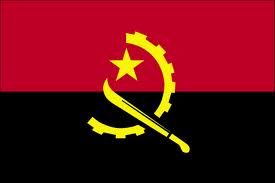
Flag of Angola
Flag of Angola

The song emphasizes that Angolans have endured wars, colonial violence, and hardship, yet remain strong and united. Words like konvivénsia (coexistence), pasiénsia (patience), and rezisténsia (resistance) reinforce this.

The line, Es vida sábe ke nhos ta vivê / Paródia dia i note manxê, sen maka ma ku sabura celebrate living life intensely, to the fullest, dancing, laughing, enjoying community, even through life’s difficulties.

Happy 2025 !

Dear Readers, 2025 is upon us!

May 2025 be a book you will author. Write your chapters of joy, love, and extraordinary adventures in it!

The top 6 posts of the year 2024 are listed below with two old-time favorites, “Love Poem for my Country” by Sandile Dikeni took first place as the most read post of the year, while another favorite poem “My Name” by Magoleng wa Selepe took second place. The surprise of the year was the post “The Lebombo Bone: The Oldest Mathematical Artifact in the World,” which reinforces the rich archaeological and scientific parts of the African continent which is the cradle of humanity. Other surprises were the songs ‘Asimbonanga‘ on freedom from apartheid by South African Johnny Clegg, and ‘Yamore‘ on love by the Malian great Salif Keïta and Cape-Verdean diva Cesaria Evora. We wish you a full and amazing new year, rich in blessings and greatness. Like the vibrant petals of this flower, may your year be vibrant, bringing in new fruits! As always, like Agostinho Neto said, “A luta continua … a vitória é certa!

  1. ‘Love Poem for my Country’ by Sandile Dikeni
  2. ‘My Name’ by Magoleng wa Selepe
  3.  The Lebombo Bone: The Oldest Mathematical Artifact in the World
  4. ‘Asimbonanga’ by Johnny Clegg
  5. “Yamore” by Salif Keita and Cesaria Evora
  6. ‘A ma Mère / To my Mother’ by Camara Laye

“Yamore” by Salif Keita and Cesaria Evora

To wish you all a happy Valentine’s day, I decided to share with you a classic love song by two outstanding African singers: the late Cesaria Evora: the Barefoot Diva– the Love of Cape Verde, and the great Malian singer Salif Keita. It was shared with me this morning. I love you mi Amore… too much! Enjoy! and do share with those special ones, even if it is not love the Valentine way, share it with the precious ones in your life.


Cesaria Evora: the Barefoot Diva– the Love of Cape Verde

Cesaria Evora
Cesaria Evora

I was quite shocked to learn of the ‘passing’ of Cesaria Evora… It hurts… the barefoot diva, the lady who sang ‘sodade‘ and ‘Angola‘, is no longer. The lady who started singing in her later days, and gained stardomship at the age of 50+, the lady who always performed barefoot on stage is no longer. She exemplified endurance and perseverance. Someone else could have given up… someone else could have said ‘there is no point singing, if I can barely make a living’. She knew all of that, but she also knew that she had a gift for singing and bringing the morna (Cape Verde music) to the international scene. She sang, and went on worldwide tours in her late 60s… giving concerts, etc… at an age when most people would have retired. She was truly an example of strength, confidence, endurance and perseverance. Her life was really all about endurance!

The album titled 'Cesaria Evora'

She lost her dad at the age of 7, and was placed in an orphanage at the age of 10 by her mother who could not raise all her 6 children.  She started singing at the age of 16 in a sailors’ tavern. She won international acclaim for her album ‘La Diva aux Pieds Nus‘ in 1988, and the album ‘Miss Perfumado‘ released in 1992 sealed her international aura.  In 1997, she won the Kora All African Music Awards for best Artist of West Africa, Best Album, and Merit of Jury.  In 2004, came the Grammy in the world category (such a silly category… mixing musicians from Europe, Africa, Asia, and Latin America in one pot… unthinkable) for her album ‘Voz D’Amor‘. Keep singing, and check out her website Cesaria Evora, a video biography on BBC, An article by the Guardian newspaper, USA Today, NY Times, LA Times, So long Cesaria, we will keep singing ‘sodade‘ and dancing the morna, praising ‘Angola‘ and ‘Cabo Verde.’