Last week, the world-renowned singer Angelique Kidjo became the first Black African to get a star on the Hollywood Walk of Fame, thus joining another African, South African actress Charlize Theron. The legendary singer, five-time Grammy award winner of Beninese origins known for Wombo Lombo, We We, Agolo, has been inducted into the Hollywood Walk of Fame, an honor granted to only a few in the world. She has cemented her place in history. Have you ever been to a Kidjo’s concert? I have been quite fortunate to attend one of them: the energy is electrifying, carried over by her strong voice which is rooted in ancestral sounds. Her career spans four decades, fusing elements of different African genres, Jazz, R&B, and Latin music, collaborating with some of the greats of this world, and crossing over continents. She has reinvented herself, releasing a total of 16 albums, earning 15 Grammy nominations and securing 5 wins. She is also one of the few who started under the tutelage of another legend of the continent, the Cameroonian Ekambi Brillant.
Excerpts below are from AfricaNews, for the full article check it out. For other articles, please check out The Citizen and DW.
=====
Benin with its map and flag
Music icon Angélique Kidjo has cemented her place in history, becoming the first black African artist to be awarded a star on the Hollywood Walk of Fame. …
The Beninese singer, known for her electrifying voice and genre-blending sound, is no stranger to acclaim. With five Grammy Awards and a global fanbase, Kidjo has long been recognized as one of Africa’s most influential musical exports.
Over the course of her four-decade career, she has released 16 albums, fusing Afrobeat with elements of jazz, R&B, funk, and Latin music. Her collaborations read like a who’s who of the music industry, including the likes of Burna Boy, Alicia Keys, Carlos Santana, and Philip Glass.
…
… Her star on the Hollywood Walk of Fame is more than a personal achievement — it’s a historic recognition of African artistry on one of the world’s most iconic stages.
This year, we are celebrating the centennial of the birth of Frantz Fanon, the great revolutionary psychiatrist, philosopher, and anti-colonial French author from Martinique. His work explored the psychological effects of colonization and the struggles of decolonization, and inspired liberation movements across Africa, Latin America, the Caribbean, and even the United States. To date, his works, Black Skin, White Masks (1952) and The Wretched of the Earth (1961) remain essential reading in postcolonial studies and political philosophy. He died quite young at the age of 36, but he left his imprints everywhere, particularly on the African continent, and in particularly Algeria where he lived and fought for the liberation of the Algerian people.
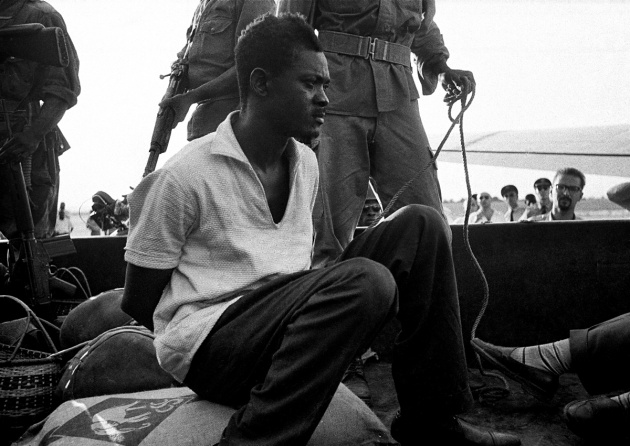
Lumumba detained
Fanon saw Congo, then Belgian Congo, clearly, as the center for pan-african solidarity, and believed that the assassination of its prime minister, Patrice Emery Lumumba, was a blow not just to Congo, but to the entire African liberation movement. When Lumumba was alive, he had invited Fanon to attend the inter-African Conference in 1960, thus showing his active engagement in Congo’s political future. He wrote on Congo, Lumumba’s death: Could we (Africans) have acted differently? Like Amilcar Cabral, he warned of the presence of “traitors from within” seeing that the greatest threat to African independence was not just Western imperialism, but also African elites who had internalized colonial values and acted against their own people; like Moise Tshombe who played a great role in Lumumba’s demise.
The great success of the enemies of Africa is to have corrupted the Africans themselves. It is true that these Africans had vested interest in the murder of Lumumba. Heads of puppet governments, in a fake independence, faced everyday by massive opposition from their peoples, it did not take long to convince themselves that the real independence of the Congo would put them personally at risk.
… And first by Lumumba when he sought the intervention of the UN. He should have never called on the United Nations.The UN has never been able to properly solve problems brought to man’s consciousness by colonialism, and whenever it has intervened, it was to actually come to the aid of the colonial power to the oppressed country [see … think about MONUSCO].
In reality the UN is the legal card used by imperialist interests when brute force has failed. The sharing, the mixed controlled joint committees, under guardianship are international means of torture to break the will of the people, cultivating anarchy, banditry and misery.
… Lumumba’s fault was then initially to believe in the impartiality of the UN. He forgot that the UN, particularly in the current state, is only a reserve assembly established by the Greats to continue, between two armed conflicts, the “peaceful struggle” for the balkanization of the world.
… Africans should remember this lesson. If outside help is necessary to us, let us call on our friends. Only they can truly and fully help us achieve our goals precisely because the friendship between us is a friendship of struggles. [The AES should remember this].
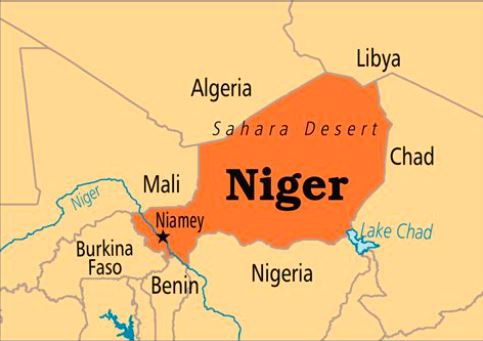
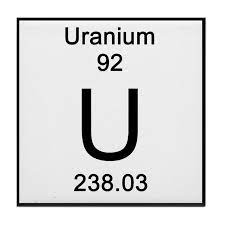
Last week, on June 19th, Niger announced plans to nationalize its uranium venture which until now had been operated by the French company Orano. By this, the Niger government has decided to gain control over its resources from France. For many years, the French state owned company Orano, which was previously Areva, has been extracting uranium in Niger, enjoying a full monopoly, paying barely anything to the country including no taxes (Mali and Niger end Long-Standing Tax Treaties with France). This quest for freedom or rather fairness by Niger is not something new which started with the government of President Abdourahamane Tchiani, but rather the culmination of years of an unfair treatment based on an unbalanced relationship with the French company and government. In the 2000s, then President Mamadou Tandja had sought to re-negotiate the partnership with then Areva (now Orano) which until then had enjoyed a de facto4 decade monopoly in the country paying almost nothing to the locals; he tried to curb the French influence by striking a deal with the China Nuclear International Uranium Corporation in 2007 to develop a uranium mine. As expected, Tandja was deposed in a coup in 2010, coup financed by the metropolis. Niger Takes Control of its Uranium, and Niger and Orano: Disagreement.
In yet another assertion of sovereignty, the government of Niger announced on Thursday, June 19, that it would nationalize the Somaïr uranium venture, wresting control from the multinational nuclear fuel cycle corporation Orano.
Orano is owned by the French state, which, the government noted, has been “openly hostile toward Niger since July 26, 2023”, when the then president Mohamed Bazoum, domestically perceived as a French puppet, was ousted in a popularly supported coup.
Without yielding to French threats of war, the military government replacing Bazoum’s regime consolidated widespread support by expelling French troops, fulfilling the demand for which mass protests had been underway in the lead-up to his removal.
Flag of Niger
… France has long exerted a monopoly over Niger’s uranium, which is among the highest grade in Africa. It has been fueling French nuclear power plants, lighting up a third of its light bulbs, while over 85% of Nigeriens lacked connection to the electricity grid.
… The nationalization changing this neo-colonial arrangement “will allow for healthier and more sustainable management of the company and, consequently, optimal enjoyment of the wealth from mining resources by Nigeriens,” its statement added.
Threatening Niger with “legal actions, including criminal proceedings if necessary”, Orano said it “intends to seek full compensation for the damages suffered and will assert its rights to the stock corresponding to Somaïr’s production to date.”
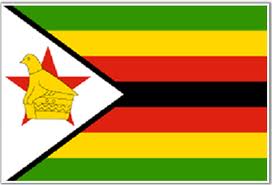
As of June 2025, the Zimbabwean government has announced that exports of raw lithium concentrate will be banned starting in January 2027. This move is meant to push mining companies to build local processing plants and keep more of the value chain within the country, thus helping towards the country’s development, and stopping the cycle of exports of raw materials and barely anything (The Lithium of Zimbabwe). This should also create employment for the locals.
Lithium
Several Chinese firms—like Sinomine and Zhejiang Huayou Cobalt—are already building lithium sulfate plants at the Bikita and Arcadia mines. These facilities will refine lithium concentrate into lithium sulfate, a key ingredient for battery-grade chemicals like lithium carbonate and hydroxide.
There is not yet a full refinery built, but this ban indicates Zimbabwe’s clear shift from being just a raw exporter of lithium. Given the importance of lithium in the electric car revolution as a material for batteries, this is really a game changer. We applaud Zimbabwe, and call other countries to learn from Zimbabwe, Mali, Burkina Faso, and Niger.
Kwame Nkrumah
This is where the dream of Kwame Nkrumah, of a real African Union, comes back; we are not talking about the current union which is just a puppet organization serving the interest of the Western powers. Kwame Nkrumah: African Visionary and Ghana’s First President. Currently, each country is negotiating individually, which may yield good or not so good results, if they do not have good negotiators or good mining lawyers in the case of lithium for instance. However, some would end up being taken advantage of just because they are not exposed to the new changes, don’t know, and could accept really low prices which may affect even their neighbors. Being United would insure good negotiations across the board learning from others, and also ensure that the multinationals respect the local governments and populations; and if they are kicked out of one country because of law or contract infringements, that they do not just run to another to perpetuate the cycle. This is what the AES is doing (The AES Creates a Joint Military Force), and all African countries should.
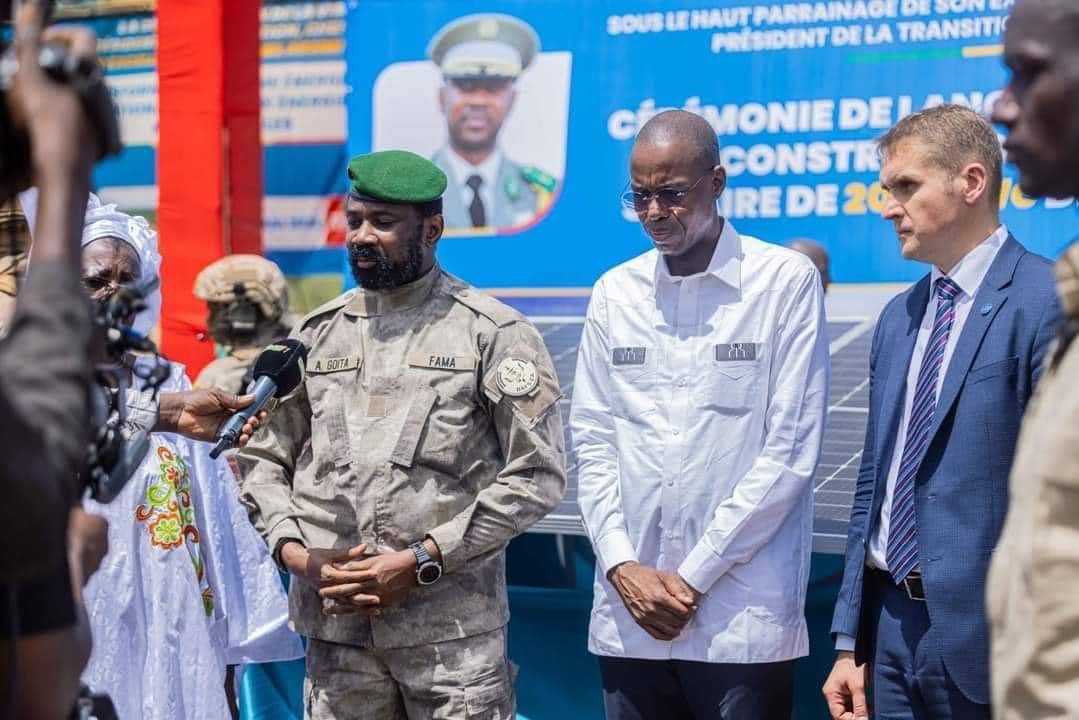
President Assimi Goita of Mali during the launching of a public gold refinery (Source: akondanews.net)
Today, June 17, 2025, Mali has begun the construction of a new state-controlled gold refinery. The facility, built in partnership with Russia’s company Yadran Group, is expected to process up to 200 metric tons of gold annually, significantly increasing Mali’s refining capacity. The refinery is part of the broader mining reforms taken by the government of Assimi Goïta to keep more gold processing within the country rather than exporting raw materials. This should, in principle, help develop the local manpower. The state will hold a 62% stake, with Yadran Group owning the remaining 38%. This refinery is intended to serve as a regional hub, processing gold not only for Mali, but in the long term for neighboring countries like Burkina Faso as well. This project reflects the wider trend in the Sahel, and particularly in the AES, where countries are revising mining laws so as to keep more value-added processing at home.
Flag of Mali
It is about time that Mali, and other African countries learn to process their materials at home, instead of exporting the raw materials to later on import the same things, or letting the others reap fruits from our raw materials. Just imagine for a second if the Democratic Republic of Congo had the power to develop its cobalt, tantalum, tin, uranium, etc., at home, wouldn’t it impact its populations for better? Or just imagine if Ivory Coast, the number one world producer of cocoa was processing its cocoa at home, instead of exporting the raw beans to Europe for Europeans to process, how would this fundamentally change the Ivorian economy?
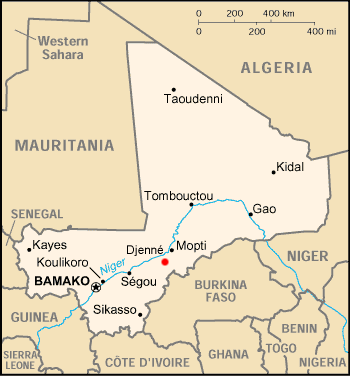
Map of Mali
Of course, when you read the MSM magazines, they will title Junta-led Mali begins construction of gold refinery in partnership with Russia; instead of the Malian government begins the construction of a gold refinery! They are upset that Mali, and all the other countries of the AES, Burkina Faso and Niger, are taking steps to nationalize, to improve, and to build factories to refine their God-given resources in their own lands, thus taking a step towards lifting their nations out of poverty! This, of course, would not help the West which would rather have a weak African government or puppet governments.
Moreover, yesterday 06/16, the Malian courts ordered that the Loulo-Gounkoto gold mine be placed under provisional administration for six months. The deposit has been the subject of a tug-of-war between the Malian government and the Canadian mining group Barrick Gold for the past two years, over tax dispute (Mali wins $160m in Gold Mining Dispute). The Malian authorities hope to resume production operations halted in January at this strategic gold site, while gold prices are at their highest.
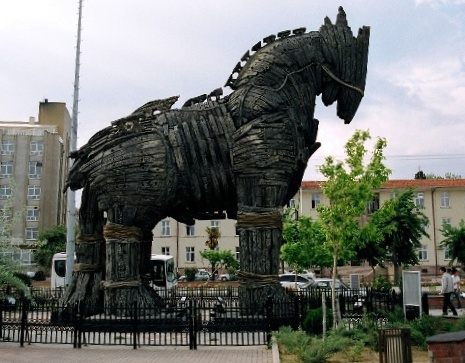
A replica of the Trojan Horse, used in the 2004 film Troy, stands today in Çanakkale, Turkey, the modern-day location of the city of Troy (Source: Wikipedia)
Have you ever received a poisoned gift? Do you remember the Fall of Troy with the story of the Trojan horse as told in the Odyssey of Homer? The Greeks built a huge wooden horse at the behest of Odysseus, and hid a select force of soldiers inside including Odysseus himself; they pretended to sail away leaving the wooden horse behind, and the Trojans thinking that it was a gift from the Greeks pulled the horse into their city as a victory trophy. That night, the Greek force came out of the horse, opened the city gates for the rest of the Greek army, and destroyed the entire city defeating the Trojans.
Last week, we heard Bill Gates say that he will be leaving the majority of his $200 billions to the future of Africa towards education, healthcare, and innovation. His focus will be maternal and child health, infectious diseases, and poverty. He plans to work closely with governments, local organizations, and partners across Africa to implement plans. It is quite laudable that such a rich man would want to “give away” his fortune. However, one cannot be blinded by some loud elements that would make this questionable.
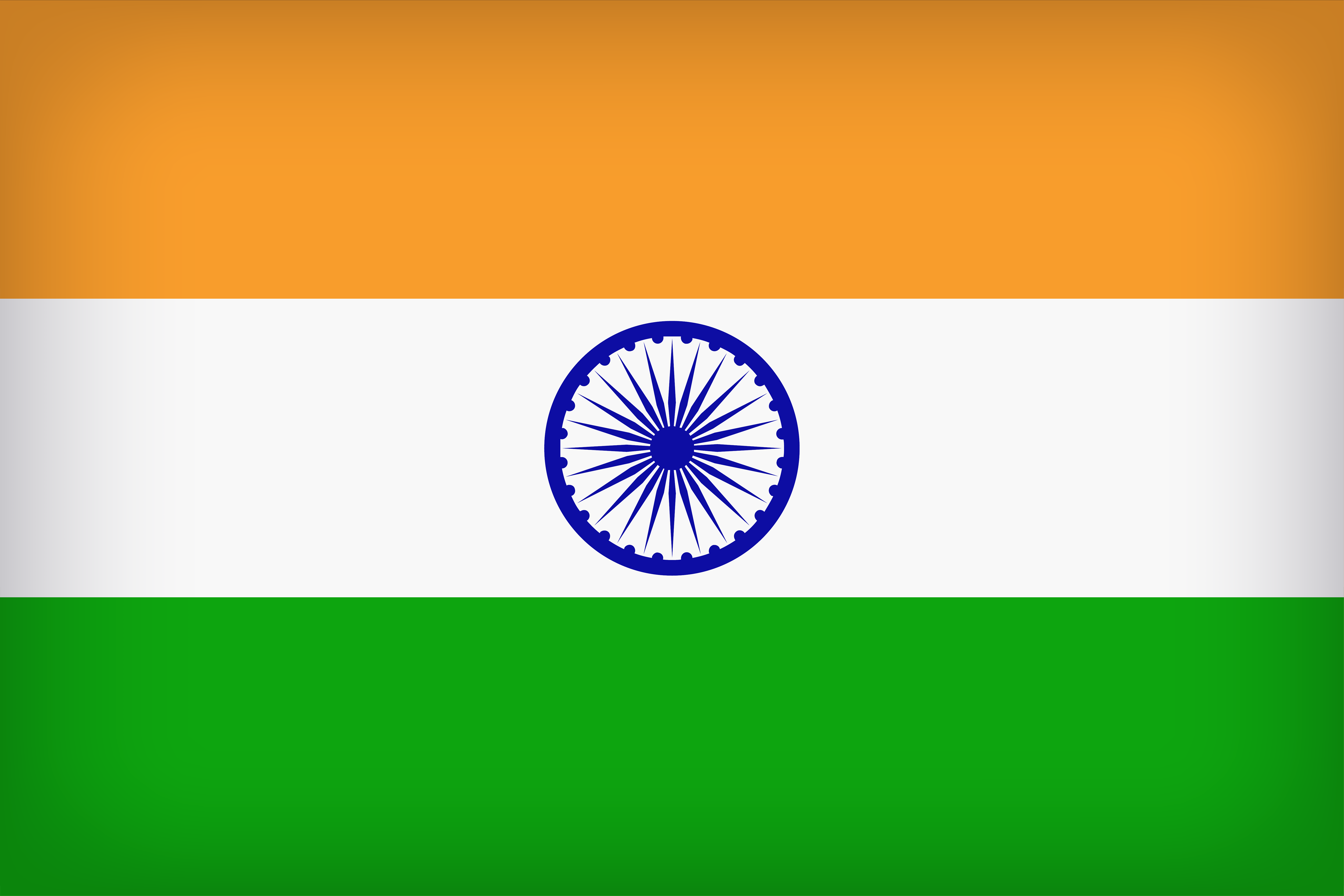
Flag of India
In 2009, the Bill & Melinda Gates Foundation was involved in a clinical trial of cervical cancer vaccines in India which killed and handicapped thousands of girls, causing the organization to be kicked out of the country. In December 2024, Gates called India “a laboratory to try things,” which caused an uproar. Indian farmers have also protested against controversial laws promoting privatization of agriculture passed by the government supported by Gates.
Flag of Kenya
In Kenya, the Bill & Melinda Gates Foundation faced criticism for its involvement in the livestock vaccination; the green revolution promised by Gates through one of his organizations AGRA has wreaked so much havoc and destruction. There have also been adverse effects of some of his other vaccines (including meningitis or tetanus) on young girls, or the polio vaccine which caused issues, in some cases there are claims of young girls getting sterilized or dying. This caused the removal of the foundation’s diplomatic immunity in the country. Can you imagine a non governmental organization and its staff receiving diplomatic immunity from legal action in a country? What are they hiding to need such? This was canceled in April 2025. Recently, we heard about genetically modified (GM) mosquitoes introduced by his foundation in Djibouti to fight malaria; who has approved this? Once the mosquitoes are released in Djibouti, what is to stop them from crossing the border to Eritrea, Ethiopia, Somalia, or even Yemen?
Thus, when this same person, who for many years was the richest man on earth and thus could pay off any government in the world, says he is pledging his money to Africa for “maternal and child health“, it raises concerns. Remember when Melinda Gates said that “family planning is vital” and pledged almost $5 billion to ensure that the African woman is less fertile, less encumbered and yes, she said more “liberated“. In a 2010 TED talk, Bill Gates expressed the hope that vaccines along with “family planning” could bring population growth to nearer zero.
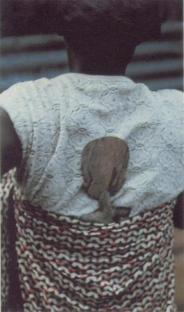
An Akua’ba tucked into the wrapper of an Asante woman. Photograph by Herbert M. Cole, Ghana, 1972 (RandAfricanArt.com)
Why is the fertility of the African woman such a problem to these people (remember Macron and his monologue about African women having too many children?)? We do not worry about theirs, why worry about ours? In a world where some countries (Japan, Italy, South Korea, …) are facing population crises, not producing enough children to regenerate the society, and trying to find ways to circumvent this, why do these people have issues with African fertility? It is no secret that the African population represents 18% of the world’s population, and has the youngest population in the world.
Thus, when Bill Gates says he is pledging his money for the well-being of Africa… it is clear that Africans should treat it as a Trojan horse. Why Africa? As shown in the article by S. Ahmed, and others on India, there are 54 countries and governments in Africa with very poor control and thus there will be little accountability for anything that could possibly go wrong, and as Gates said about India, and maybe now Africa, it is so easy “to try things” on the continent without much control! Africans, beware of free money! There is no free lunch out here!
On the black woman. “I believe that black has been oppressed by white; female by male; peasant by landlord; and worker by lord of capital … the black female worker and peasant is the most oppressed. She is oppressed on account of her color like all black people in the world; she is oppressed on account of her gender like all women in the world; and she is exploited and oppressed on account of her class like all workers and peasants in the world. Three burdens she has to carry.” Wizard of the Crow
On unity. In A Grain of Wheat, Ngũgĩ stressed the importance of unity of resisting tyranny, “Our fathers fought bravely. But do you know the biggest weapon unleashed by the enemy against them? It was not the Maxim gun. It was division among them. Why? Because a people united in faith are stronger than the bomb.”
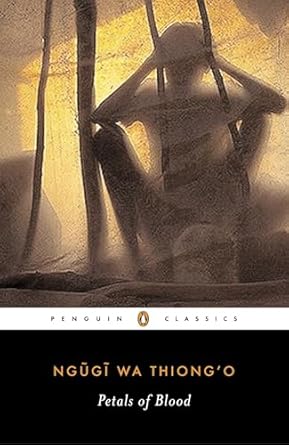
Petals of Blood by Ngũgĩ wa Thiong’o
Like Sengat-Kuo in his poem “Ils sont venus“, Ngũgĩ highlighted in Petals of Blood the holy trinity of the Bible, the guns, and commerce to conquer and oppress Africans, “He carried the Bible; the soldier carried the gun; the administrator and the settler carried the coin. Christianity, Commerce, Civilization: the Bible, the Coin, the Gun: Holy Trinity.“
Language as a weapon. In his groundbreaking book Decolonising the Mind: The Politics of Language in African Literature, he championed the use of the mother tongue, arguing, “To speak one’s language is to celebrate one’s identity, … but to impose a language is a way to divide people – it is to practice tribalism of another kind.”
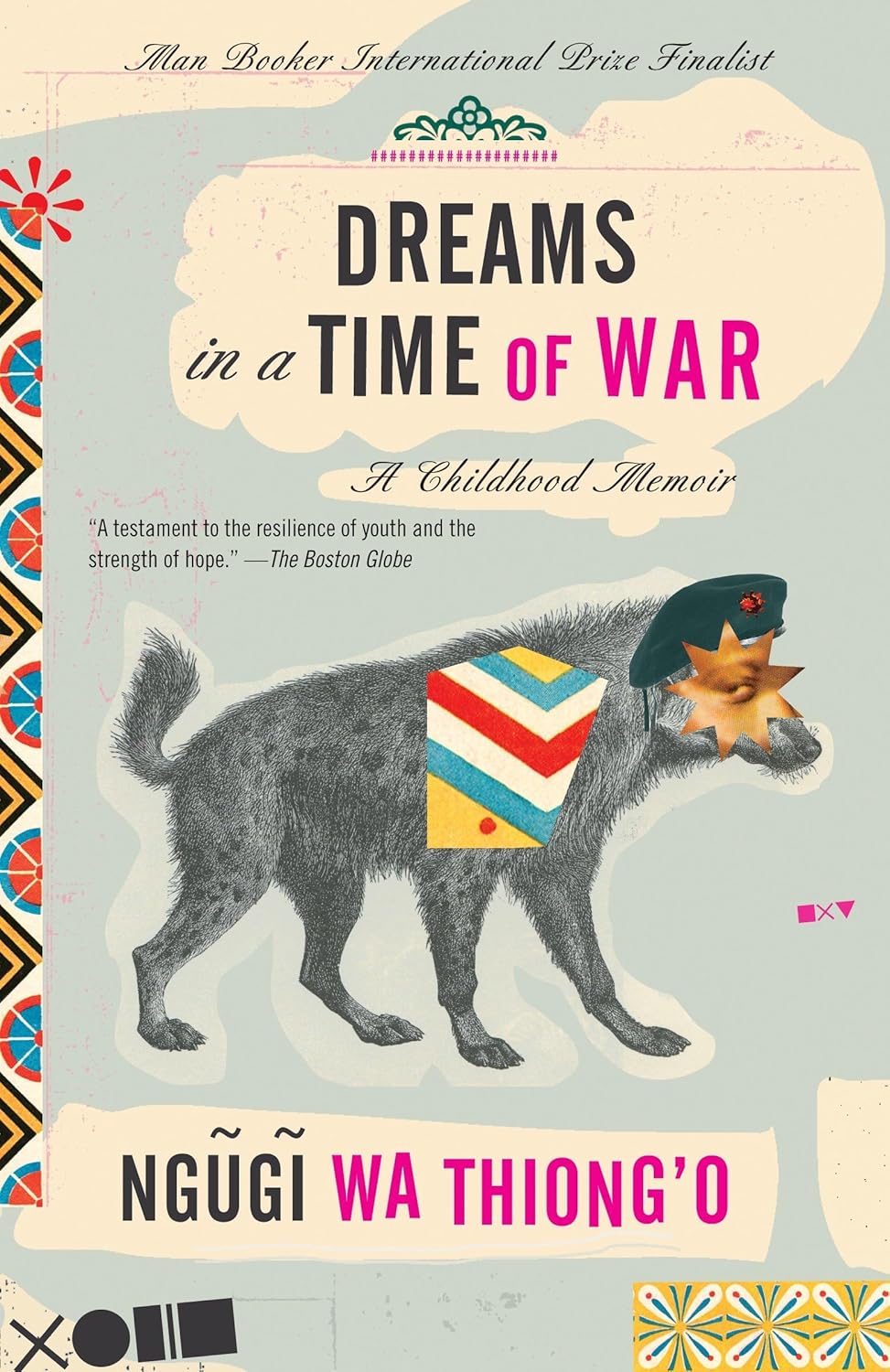
Dreams in a Time of War: A Childhood Memoir by Ngũgĩ wa Thiong’o
On Women condition. In Wizard of the Crow, Ngũgĩ said, “The condition of women in a nation is the real measure of its progress.“
On self-validation. in Dreams in a Time of War, he added “Belief in yourself is more important than endless worries of what others think of you. Value yourself and others will value you. Validation is best that comes from within.“
I love this message of our general and president Assimi Goïta: “if I die before reaching our ideal, continue the project without me and lay the groundwork for change with my blood and my flesh. No sacrifice is huge for this country“[Assimi Goïta Speaks to the Malian People: No Sacrifice is too Big for this Country]. This is indeed the motto that all the leaders of the AES, Assimi Goïta of Mali, Abdourahamane Tchiani of Niger, and Ibrahim Traoré of Burkina Faso lead with and live by. They all created the Alliance of the Sahel (AES) so as to be strong together, uniting their forces, people, and resources to fight together against the forces of imperialism. Now the west is trying hard to break apart the union by singling out Traoré (Coup against Ibrahim Traoré and Worldwide Support for Him). Traoré is brilliant, no doubt. He has been doing an awesome job, no doubt. And he has been the true communicator in the AES plan. He is young, and appeals to the youths of the entire continent. He speaks with great charisma, and confidence, which scares many. He is a true son of Burkina Faso inspired by the great Thomas Sankara.
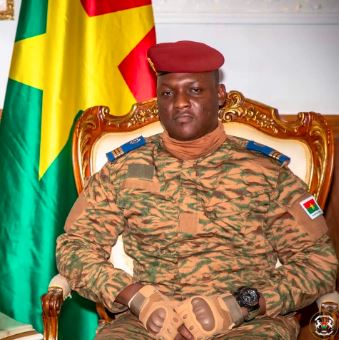
Capitaine President Ibrahim Traore (Source: sig.gov.bf)
A mother does not love one child over the other. She loves each one, albeit differently and uniquely, given the uniqueness of each child. Mama Africa loves all her leaders of the AES equally and together we will free the whole. Thus, it is important to know that we, Africans, cannot afford to have just oneTraoré, for we are all Traoré, and we should all endeavor to have thousands of Traoré, Tchiani, and Goïta throughout the continent, for history not to repeat itself. We have to be careful… and take care of our leaders, and make sure we keep working towards total freedom. Just a few years back (not even 5 years), John Magufuli of Tanzania was here, Pierre Nkurunziza of Burundi was here and we, Africans, applauded them. Both went down… and we all cried… we need to make sure history does not repeat itself! Let’s have Millions of African Leaders: Be the Leader You Want to Have!
Below are excerpts from an article from the BBC explaining why Ibrahim Traoré is loved… yet claiming that it is a “skillfully built persona af a pan-africanist”… pure nonsense… they really have not known him when he was younger. Had they known him, they would have known that there is nothing ‘built’ about him, and it is not a persona… when an African stands up proudly and with confidence without the complex of inferiority, they call it a persona. Our duty is to all be Ibrahim Traoré!
=====
Ibrahim Traore lays the foundation for the Thomas Sankara Mausoleum (Source: LeFaso.net)
A charismatic 37-year-old, Burkina Faso‘s military ruler Capt Ibrahim Traoré has skilfully built the persona of a pan-Africanist leader determined to free his nation from what he regards as the clutches of Western imperialism and neo-colonialism.
His message has resonated across Africa and beyond, with his admirers seeing him as following in the footsteps of African heroes like Burkina Faso’s very own Thomas Sankara – a Marxist revolutionary who is sometimes referred to as “Africa’s Che Guevara“.
“Traoré’s impact is huge. I have even heard politicians and authors in countries like Kenya [in East Africa] say: ‘This is it. He is the man’,” Beverly Ochieng, a senior researcher at global consultancy firm Control Risks, told the BBC.
“His messages reflect the age we are living in, when many Africans are questioning the relationship with the West, and why there is still so much poverty in such a resource-rich continent,” she said.
Flag of Burkina Faso
After seizing power in a coup in 2022, Traoré’s regime ditched former colonial power France in favour of a strong alliance with Russia, that has included the deployment of a Russian paramilitary brigade, and adopted left-wing economic policies.
This included setting up a state-owned mining company, requiring foreign firms to give it a 15% stake in their local operations and to transfer skills to Burkinabé people.
As part of what Traoré calls a “revolution” to ensure Burkina Faso benefits from its mineral wealth, the junta is also building a gold refinery and establishing national gold reserves for the first time in the nation’s history.
… The junta [they still call it a junta, even though, he has received a full vote of confidence for 5 years by the entire Faso nation – like said before: Gabon and the Double Standards of the International Community] has also nationalised two gold mines previously owned by a London-listed firm, and said last month that it planned to take control of more foreign-owned mines.
Enoch Randy Aikins, a researcher at South Africa’s Institute for Security Studies, told the BBC that Traoré’s radical reforms had increased his popularity in Africa. “He is now arguably Africa’s most popular, if not favourite, president,” [No, Traore does not want to be the most popular or the favorite, he just wants to do right by his people! – Thus African, let us follow his footsteps and make our countries and continent proud!] Mr Aikins said.
Burkina Faso
… Ms Ochieng said that Traoré first caught the attention of Africans when he spoke at the Russia-Africa summit in 2023 [that is not true… we already knew him before 2023], telling African leaders to “stop behaving like puppets who dance every time the imperialists pull the strings“.
… Traoré’s popularity comes despite the fact that he has to fulfil his pledge to quell a 10-year Islamist insurgency failed [has he failed? What did the French, and Operations Barkhane via the TakubaTask Force and Serval… – that compendium of all western nations- do in over 10 years in the region? And who was funding these terrorist groups?] that has fuelled ethnic divisions and has now spread to once-peaceful neighbours like Benin. [yeah right… we know who is in Benin – France!].
… “Traoré is stylish and confident, with a very open face and a small smile. He is also a powerful orator, and presents himself as a man of the people.”
We have previously spoken about the Trap of Democracy in Africa, and the double standards of the ‘International Community’ when it comes to the application of this word: a person who serves the West to the detriment of his country is deemed a democrat; however, someone who serves the interests of his people and not the West is deemed a tyrant, a dictator, a junta leader, etc.
Thus, it is no surprise that the mainstream media (MSM) has not applauded the vote of confidence which was recently granted to General Assimi Goïta of Mali by his people last week [Assimi Goïta Speaks to the Malian People: No Sacrifice is too Big for this Country]. Why? Because he does not serve their interests. The MSM has been lauding someone like Oligui Nguema of Gabon who traded his military fatigues to win elections by over 90% (talk about democracy!), because he does not disturb their system; however Goïta is not serving them, and he has even dared to liberate Kidal in the north of the country, where the French army and MINUSMA could not or chose not to [Mali Forces Succeed in Kidal where France and Allies could not!].
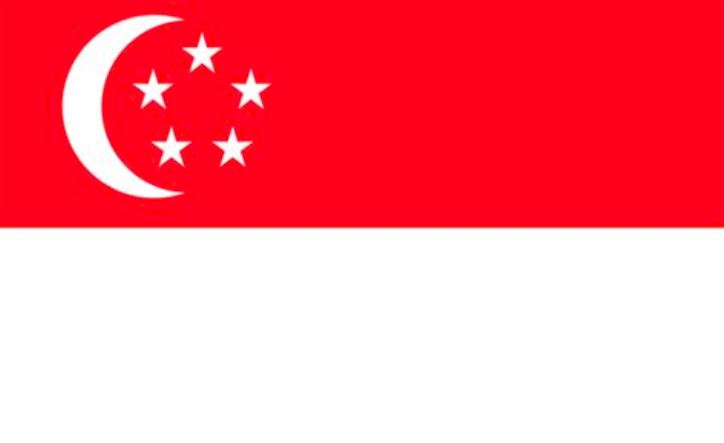
Flag of Singapore
Singapore is known as an example of progress and development in the world. Do you know that Lee Kuan Yew ruled as prime minister for over 30 years, and was in the government in some shape or form for over 50 years? Have you ever heard Singaporeans complain about him, or talk about democracy?
Last week, General Assimi Goita was given 5 years by the people of Mali. Excerpts below are from the very biased article by BBC.
=====
Map of Mali with its capital Bamako
Mali’s military leader Gen Assimi Goïta has won the backing of key political allies to be declared president for the next five years.
The 41-year-old, who has seized power twice, was named transitional president after his last coup in 2021. At the time he promised to hold elections the following year – but has since reneged, in a blow to efforts to restore multi-party rule in the West African state.
A national conference organised by the regime – but boycotted by leading opposition parties – has now recommended naming Gen Goïta president until 2030.
He has not yet commented on the recommendation, but the conference was seen as an attempt to legitimise his bid to remain in power.
Over the weekend, an opposition leader, Mohamed Salia Touré [backed by the West], told the AFP news agency that suppressing the multi-party system would be a “historic error”.
Flag of Mali
… The conference also recommended suspending anything to do with elections until there was peace in the country [rightfully so… how can there be elections when the country is at war or when the territory is divided? – Gbagbo of Cote d’Ivoire can tell you that, that is a sham], according to a document seen by AFP. The military government has been trying to quell jihadist violence unleashed by groups linked with the Islamic State (IS) and al-Qaeda.
Since taking power, the junta leader has formed an alliance with coup leaders in neighbouring Burkina Faso and Niger, pivoting the region towards Russia after drastically reducing ties with former colonial power France.
Gen Goïta has also withdrawn Mali from the regional grouping Ecowas over its demands to restore democratic rule. Burkina Faso and Niger have also left the grouping.
Capitaine President Ibrahim Traore (Source: sig.gov.bf)
For the past few weeks, the price of gold has hit a record high of $3400. Some of the places with some of the largest gold mines is in the Sahel, the AES. So it is no surprise that there was a recent coup against the president of Burkina Faso, one of the leaders of the AES a few weeks ago.
Ibrahim Traoré, president of Burkina Faso, escaped another coup attempt on his life. Coincidentally, this attempted coup happened the day after the American General Langley lied in front of the US congress saying that Traoré was embezzling the country’s funds for his personal security. It is quite preposterous to hear. Why doesn’t Langley mention Ouattara who has put Ivory Coast in debt and destroyed the country? Why doesn’t Langley mention Paul Biya of Cameroon who has been in power 43 years, and taken the country 60 years backwards? Why doesn’t Langley mention Sassou Nguesso of the Republic of Congo who has siphoned all the country’s money into his pockets and those of his family? Or Faure Eyadema who comes from the Eyadema dynasty? Moreover, how can someone like Ibrahim Traoré who has foregone his presidential salary embezzle money? Then how disgusting of this man to stand in front of congress and lie? It reminds me of another, a certain Colin Powell, who stood in front of the whole world and spoke of things which never existed in Irak?
Flag of Burkina Faso
Since coming to power, Ibrahim Traoré has bought over 400 tractors for farmers, 953 motorcycles, 710 motor pumps for water, 10,000 tons of fish food, 68,964 tons of fertilizer, 10,000 liters of products to name a few to try to empower the country’s agriculture. In the ministry of health, his accomplishments include buying 15 mobile clinics, 36 vehicles for hospitals, 3 oxygen units, 11 cold rooms, 835 tablets, 1,900 solar refrigerators. There was also the inauguration of a full tomato plant to enhance local productions, and now the plan for the largest Coca Cola plant in Africa.
A Escrava Isaura (Source: primetelenovelas.com)
This Langley dude reminds me of the slave/overseer Domato, in the Brazilian telenovela A Escrava Isaura who was always treating his slave brothers and sisters so much worse than the white master.
Burkina Faso’s military government has said it foiled a “major plot” to overthrow junta leader Capt Ibrahim Traoré, with the army alleging the plotters were based in neighbouring Ivory Coast [this is no secret, but BBC writes it as if the Burkinabe people were hallucinating].
Security Minister Mahamadou Sana said the coup attempt was led by current and former soldiers working with “terrorist leaders“. The intention was to attack the presidential palace last week, he added. The aim of the plan was to “sow total chaos, and place the country under the supervision of an international organisation“, Sana said on state television on Monday.
It is the latest of several claims of attempts to remove the junta leader who seized power in 2022 amid increasing militant attacks. …
=====
Burkina Faso
Thousands of people gathered at the Place de la Révolution in Ouagadougou on Wednesday 30 April to show their support to the President of the transition, Captain Ibrahim Traoré.
The demonstration happened after the US commander of AFRICOM, General Michael Langley, told the US Senate Armed Services Committee in early April that the military regime in power in Burkina Faso has taken advantage of the resources of the country, particularly the gold reserves [interesting, why does he mention only gold and no other resources?], for his own protection instead of the population. What General Langley told the US Senate provoked people to react in Burkina Faso and throughout the AES countries and even beyond the region. The government of Burkina Faso condemned the statement by the US military command, made with the ‘aim to spoil the country’s image.’
… The massive support for Burkina Faso’s military leader, Captain Ibrahim Traoré, comes at a time of growing tensions with Western powers. General Langley’s accusations of corruption leveled against the President of the transition, Captain Ibrahim Traoré, instead of weakening the regime in Burkina Faso, has reinforced the status and aura of the young military leader, whose popularity extends beyond national borders.
Alliance des Etats du Sahel (source: linfodusahel.com)
… Traoré quickly adopted an anti-imperialist stance, where he strongly criticized the interference of Western powers, particularly France. They see his decision to draw closer to new partners like Russia and Iran, and to leave certain regional cooperation frameworks (G5 Sahel, ECOWAS) as a stamping of his sovereignty. This geopolitical shift excites young people seeking political and economic independence happy.
… Captain Traoré has become a symbol of resistance to Western influence, particularly French influence, and this has gone positively with the predominantly young population. His revolutionary stance and commitment to African unity appeals to many Burkinabè, especially young people.
‘There is a third element for me: Ibrahim Traoré’s youth, his outspokenness and his imperialist stance which are inline with another Burkinabe president, Captain Thomas Sankara, whose popularity for almost 40 years after his death is in doubt‘ [says] Seidik Abba, President of the Centre international d’études et de réflexions sur le Sahel (CIRES).
The military regime in power in Burkina Faso is multiplying symbolic and even populist acts to boost its image. The decision to forego the presidential salary and opt for the modest income he receives as army leader also makes his popular with the public.
… Since taking power in 2022, Captain Ibrahim Traoré has undertaken a series of reforms that will strengthen the state’s control over mining resources, particularly gold, for the country’s main export.



















 African Heritage