There was a lot to celebrate in Africa this year. Below are just a few:
Alliance des Etats du Sahel (AES) (Source: Alliance-sahel.org)
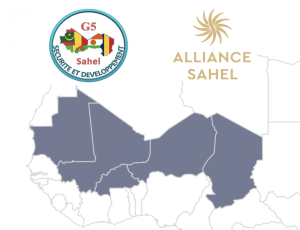
In January, Mali, Burkina Faso, and Niger left the ECOWAS creating a major seismic shift in the organization. Mali, Burkina Faso, and Niger all leave the ECOWAS. This came as no surprise given that the coup to topple puppet governments in their respective countries, the ECOWAS had suffocated these countries by suspending all three countries and imposing heavy sanctions on Mali and Niger that exacerbated the populations’ sentiments that it is a puppet organization serving foreign interests. Niger even tried to amend the situations by inviting ECOWAS representatives to the country, but only the member from Togo showed up. Why should anybody remain in an organization that punishes its member populations?
In January, Ghanaian artifacts were returned home for the first time in 150 years, on a “loan”. Ghana Artefacts “Return” Home 150 years later … on Loan. It is a disappointment that African governments can only get “loans” for what is dutifully theirs from those institutions which have amassed millions over the year from the exhibition of stolen African artefacts.
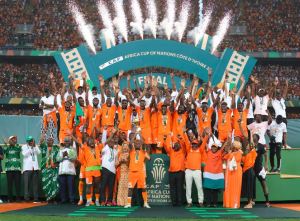
The Elephants are winners of the Africa Cup of Nations 2023 (Source: CAFonline.com)
In February, the Elephants of Cote d’Ivoire gave us a thrill from being redeemed in the knockout stage with 2 defeats (among which a 4-0 loss against Equatorial Guinea) that left them open to elimination, and a redemption that came from being one of the four best 3rd-placed team, a coach sacking, and a coach change, to lift the trophy of the Africa Cup of Nations. It was a real “Coup du Marteau” (Tam Sir, we are talking about your special song!) The Ivorians added to their previous Nations Cup wins of 1992 and 2015 (Côte d’Ivoire wins the 2015 Africa Cup of Nations) and became the first tournament hosts to triumph since Egypt lifted the trophy in 2006. CAN 2023: the Elephants of Côte d’Ivoire are the New Champions
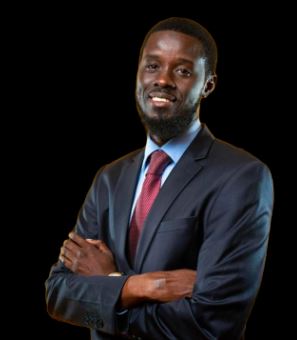
Bassirou Diomaye Faye (Source: Seneweb.net)
In March, Bassirou Diomaye Faye was elected president of Senegal, making him the youngest African president at 44. This was a joyous moment for the Senegalese people who stood to have their democratic system and constitution upheld. Faye is very unconventional, as the youngest with no political background (he was previously a tax officer), he is also the first Senegalese president to openly have two wives. With his friend and Prime Minister Ousmane Sonko, we hope for better governance for Senegal. Senegal Presidential Elections: Bassirou Diomaye Faye is set to be the next president. Either way, the Senegalese have demonstrated once again, that although their democracy is young, it is not to be messed with!
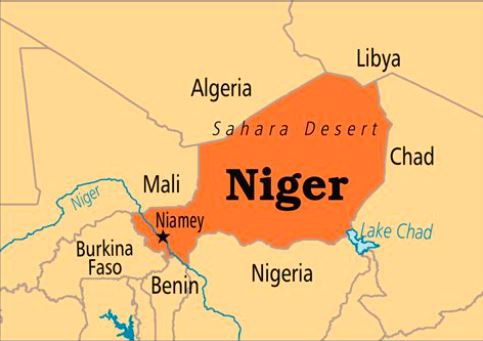
Map of Niger
In mid-March, Niger suspended military “cooperation” with the USA, with immediate effect. Operating from years of condescending treatments of those deemed inferior, particularly of Africans, the Americans had decided to dictate their will, like the French before, to Niger people and deny their sovereign rights to choose their own partnerships in their fight against terrorism. The spokesman of Niger’s government, Colonel Amadou Abdramane, exposed the fact that the military “cooperation” with the US was not even a real one, i.e. the US had installed their largest drone base in Africa, and possibly in the world, in Niger via a verbal agreement only, and the Niger people had to pay for the American base in their country, while the Americans never raised a hand to help Niger fight against terrorist attacks that were maiming their citizens [Bye Bye to French Troops in Niger, France set to Withdraw Troops and Ambassador from Niger]. Niger suspends military “cooperation” with the US, effective immediately.
Alliance des Etats du Sahel (source: linfodusahel.com)
Mali, Niger, and Burkina Faso’s leaders met on July 6, 2024 in Niamey, Niger, as part of the first summit of the Alliance des Etats du Sahel (AES – Alliance of the Sahel States). During the summit, the three leaders signed a confederation treaty aimed at strengthening the links between the three nations in terms of defence, and other aspects such as the economy, infrastructures, and more. They reinforced their mutual defence pact.
Right before the Paris Olympics, brother Biniam Girmay of Eritrea made history by becoming the first African to win a stage at the Tour de France, and two more stage victories which helped him capture the green jersey for the highest points scorer – a first for anyone from the continent.
Faith Kipyegon winning historic 3rd gold medal at the Paris 2024 Olympics (source: Kelly Ayodi for Olympics Kenya – EastleighVoice.co.ke)
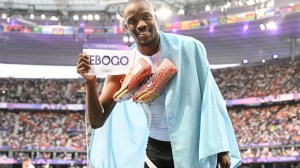
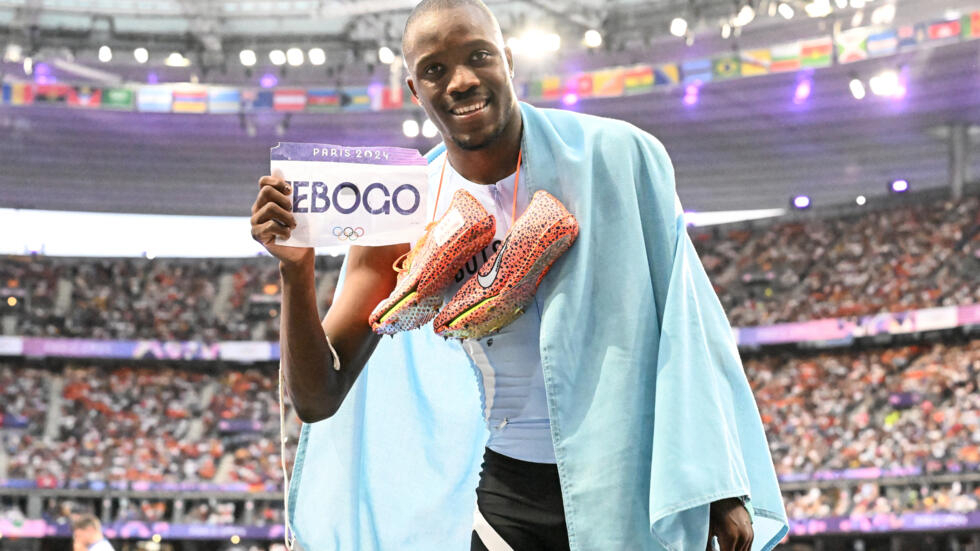
The Paris 2024 Olympics ended with a strong show from African athletes who shined in various disciplines, and represented many countries including outside of Africa. They made us proud and served us joy, endurance, and passion. We will list just a few. We had a lot of firsts, like our Kenyan sister Faith Kipyegon who won her 3rd successive Olympic gold in the women’s1500 m, making her the first African athlete to ever win gold in the same event 3 times in a row. Our brother Letsile Tebogo of Botswana earned the top most place in the Men’s 200 m thus giving Botswana and Africa as a whole its first ever olympic gold medal in the 200 m; Tebogo also led the Botswana’s team to a silver medal in the
Letsile Tebogo after winning gold in 200m (Source: Onuaonline)Men’s 4x400m relay, again a first for any African country ever. Ugandan brother JoshuaCheptegei delivered on his promise for his last Olympics to be memorable by winning gold in the Men’s 10,000 m, and landing Uganda its first gold at the games. Tatjana Smith of South Africa made her country proud by winning gold and silver medals in the Women’s 200m and 100m breaststroke events. Akani Simbine and South African track team delivered us silver in the Men’s 4 x 100 m relay, again a first for South Africa, and for Africa as a whole. Kaylia Nemour gave Algeria and Africa its very first victory ever in gymnastics with a gold in the Women’s Uneven bars in artistic gymnastics. Tamirat Tola, who was just added to the Ethiopian Olympics’s team 2 weeks prior, took home the gold medal in the Men’s Marathon. AhmedElgendy won the first gold medal for Egypt at any Olympics, becoming the first African and person to win in the new discipline of Men’s Modern Pentathlon. Cabo Verde got its very first medal at the Olympic games through David de Pina who won bronze in the Men’s 51 kg Boxing. Zambian Muzala Samukonga won the bronze medal in the Men’s 400m, giving his country its very first Olympic medal.
Aliko Dangote, Africa’s richest man, has built one of the world’s largest oil refineries in Nigeria, Africa. The refinery opened its doors last year, and in May shipped out its first boat of refined jet fuel to the Netherlands. Since then, the refinery has gotten into agreements with the Nigerian governments and neighboring ones as well.
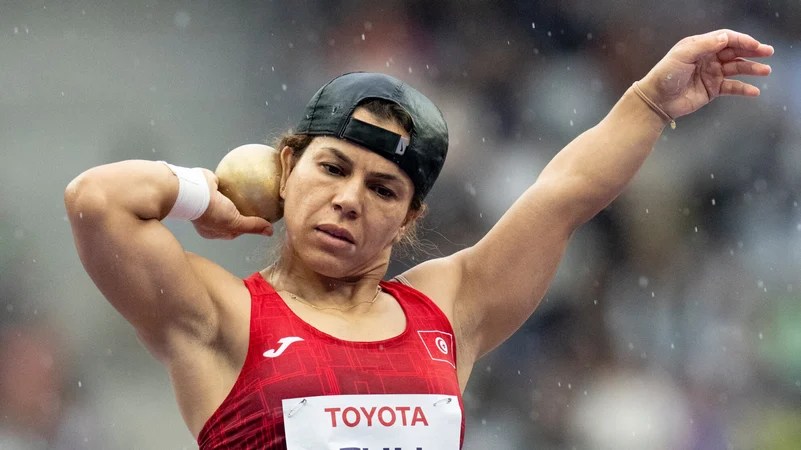
Paris Paralympics 2024 (Source: https://www.paralympic.org/paris-2024)Africa shone at the Paralympics, winning 64 medals, with Morocco getting the most medals with 15 medals, but Algeria topped the continent’s medal table thanks to its 6 gold medals vs. 3 gold for Morocco. Most medals were won in para-athletics and para-powerlifting disciplines. Veteran RaouaTlili of Tunisia cemented her place as a legend in the F41 discus throw and shot put, winning 2 gold medals this year, giving her a total of 8 gold medals for her country, having competed in each Olympics since
Raoua Tlili (Source: Outlook India)
Beijing 2008. Nigeria’s Mariam Eniola Bolaji became the first African to win an Olympic or Paralympic medal in Badminton. Yovanni Philippe gave Mauritius its first medal ever by securing a bronze medal in the men’s T20 400m; while Annaba native, Brahim Guendouz won gold in para-canoeing’s KL3 class over 200m, giving Algeria its first ever medal in a discipline outside of para-athletics, para-judo, and para-powerlifting.
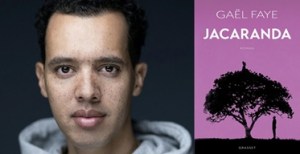
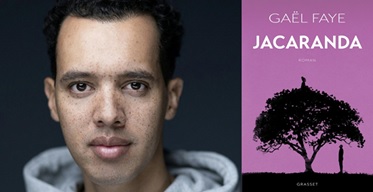
Gael Faye and his book Jacaranda
African authors made great wins and firsts: they won the most important literary awards in French literature: the Goncourt prize, which was awarded to Kamel Daoud for his third novel titled «Houris», and the Renaudot prize awarded to Gaël Faye for «Jacaranda». Daoud’s novel is currently in a controversy. Africans win the Goncourt and Renaudot 2024 Literary Prizes.
AndakiaA Senegalese startup, Andakia, has just introduced the very first African AI: AWA. AWA is a Wolof-speaking artificial intelligence system; it is the brainchild of Alioune Badara Mbengue. In an interview to TRT Afrika, Mbengue said, “AWA is the first AI that understands and speaks perfect Wolof. Our vision is to extend AWA to other African languages, enabling Africa to become a leader in digital innovation and ensure technological sovereignty tailored to its needs.” Users need to simply engage in a spoken exchange with the AI interface in Wolof, seeking general information or asking it to perform tasks such as ordering a taxi, ordering a meal, or carrying out financial and other transactions. This is revolutionary as it addresses the needs of the population. We applaud the amazing work of our brother and his team, and truly the sky is the limit.
In 2024, we said goodbye to many people and things in Africa. Below are a few:
President Hage Geingob (Source: TheHealthSite)
In February, the 3rd president of Namibia, Hage Geingob, passed away in Windhoek, Namibia, from cancer. As a strong freedom and anti-apartheid activist, in his early years, he fought to set the international stage for the South West Africa People’s Organization (SWAPO) and the Namibian fight for independence from South Africa; we remember his years of service and sacrifice for the nation of Namibia, and Southern Africa as a whole. So Long Hage Geingob, Third President of Namibia – African Heritage
In February, Kenyan athlete Kelvin Kiptum and his coach died in a car crash in their home country. Kiptum epitomized athletic brilliance. His record-breaking marathon performances catapulted him into global recognition, with contributions extending beyond the track. In his hometown, Kiptum established programs that provided sports training and education for underprivileged youth, ensuring that his success translated into broader societal impact.
Democratic Republic of Congo (DRC) mineral map (Source: Atlas du continent africain, Jeune Afrique et editions Jaguar, 2000)
In February, the European Union (EU) agreed to discuss the price of minerals coming from the DRC with Rwanda. Unheard of!!! Such a preposterous agreement! The EU and Rwanda signed a Memorandum of Understanding (MOU) to strengthen Rwanda’s role in fostering sustainable development and resilient value chains for critical raw materials MOU on Sustainable Raw Materials Value Chains between the EU and Rwanda. Since then, several mineral-rich Congolese cities have been captured by the M23, a rebellious movement backed by Rwanda. The town with one of the biggest coltan reservoirs in the world, Rubaya was captured by the M23 rebels. Kanyabayonga, Kirumba, Shasha, Vuvano, Kiuli, and Mbwambaliro are other cities that were captured by the M23 this year. Rubaya is rich in coltan, tantalum, cobalt; north Kivu, gold, tin, and of course diamond. Coincidence or Not? Coltan-rich Town Captured – African Heritage
‘Segu’ by Maryse Conde
In April, Maryse Condé, the grande Dame of Caribbean literature left us, aged 90. Condé’s work has touched so many throughout the world, as it was a literary bridge between Africa, the Caribbean, and Europe. Her best work, Segu, is a great favorite. My first encounter with Maryse Condé’s work, was when I read her book “La Belle Créole.” Then I read Segu, and really that was it! I was sold… It was unforgettable, strong, and vivid. Maryse Conde: The Grande Dame of Caribbean Literature is no more – African Heritage
In June, the African National Congress (ANC) of South Africa suffered a historic defeat. The ANC, the party which brought the end of the apartheid regime, lost its parliamentary majority in a historic election on June 1. This puts South Africa on a new political path for the first time since the end of the apartheid system of white minority rule 30 years ANC flag
In August, the longest-serving president of the Confederation of African Football (CAF), the Cameroonian Issa Hayatou joined his ancestors this year. Hayatou was a legend who transformed African football into a powerhouse. His visionary leadership expanded Africa’s presence at the FIFA World Cup from two teams in 1982 to 3, 5, and eventually 10 by 2026. He relentlessly lobbyied for the place of Africa in the world of football, including the dream of an African country hosting the world cup, which materialized with South Africa as a host in 2010. He also expanded the Africa Cup of Nations (CAN), increasing participating teams from 8 to 24, creating more opportunities for African nations to compete on the global stage. His legacy in African football is unmatched.
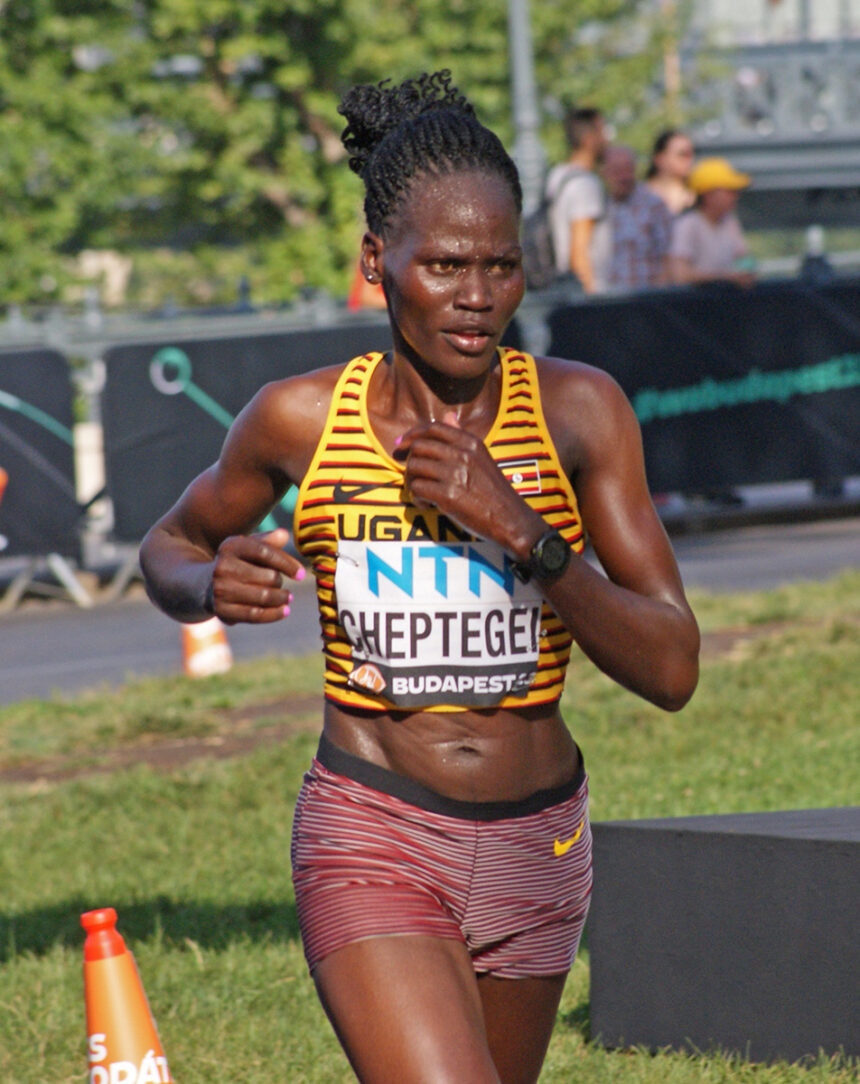
Rebecca Cheptegei (Source: swiftsportsug.com)
In September, talented Ugandan cross-country, long-distance, and marathon runner Rebecca Cheptegei was set ablaze by her former boyfriend who doused her with petrol over a land dispute in northern Kenya; she died of sustained injuries from the fire. As an athlete, her accomplishments included Olympic gold medals, and she was also a member of the Ugandan armed forces. Her death highlighted the domestic violence issues against women in Kenya which has been a big public problem this year with several marches against it.
In October, Hama Amadou, a former prime minister of Niger who consistently pushed for governance grounded in accountability and transparency left us. Despite facing imprisonment and exile due to his political stances, Amadou remained committed to justice and the dream of a prosperous West Africa. He was given all honors for his funerals by the current Nigerien government. His story reflects the perseverance required to navigate political adversity, leaving a legacy of resilience and hope for future reformers.
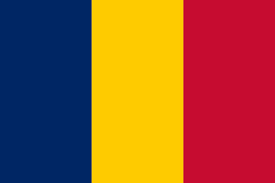
Flag of Chad
Bye bye to French military bases in Chad. France began withdrawing its Mirage fighter jets from Chad on December 10, 2024. Two Mirage 2000-D fighters departed from a French base in N’Djamena and returned to France. This move is part of a larger French military withdrawal from Chad, following the end of the defense cooperation agreement between the two countries on Nov. 29, 2024 when Chad and Senegal Ordered French Military Bases Out of their Territories. While the Chadian president has remained strong in his decision, the Senegalese president has since corrected, saying that it was just the start to start the discussion.
Cyclone Chido’s path of destruction (Source: blog.thegovernmentrag.com)
On December 14, 2024, the island of Mayotte was hit by the cyclone Chido which left total devastation behind. 80% of the island, which is a French overseas department, was destroyed when the cyclone brought winds exceeding 200 km/h (124 mph) and gusts over 225 km/h (140 mph). The current death toll is 35, (French PM says only dozens killed not thousands) but all expect it to be significantly higher in the thousands, given that majority of the population is Muslim (and thus bury their dead within 24 hours), and many were illegals thus had no papers due to the huge illegal migration to that island. Moreover, cyclone Chido also caused significant damage in Mozambique, causing more deaths, making it likely that the numbers given by the French authorities should be significantly higher. During his visit, the French president Emmanuel Macron had the gull to insult the bereaved populations, handing out moral lessons. Our hearts and prayers go out to our brothers and sisters of Mayotte and Mozambique.
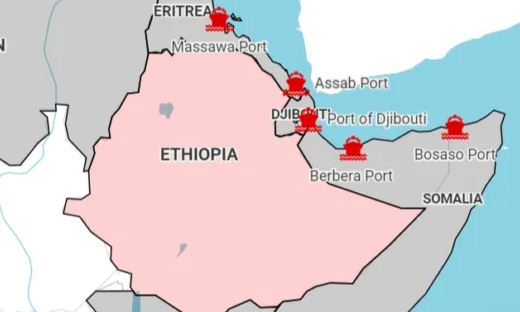
With a population of over 100 million inhabitants, Ethiopia is the largest landlocked country in the world. Sea access is not just a common question, but is an existential issue for the country. On January 1, 2024, Ethiopia announced an agreement signed with Somaliland (way to announce the colors of the new year) to lease the port of Berbera in Somaliland, on the Red Sea, and a 20-km stretch of Red Sea coastline for 20 years, Ethiopia – Somaliland Agreement: Will Sea Access lead to Conflict in the Horn of Africa? The agreement made countries in the entire Horn of Africa sweat pools in fear of war, even though those same countries, Ethiopia’s coastal neighbors, Djibouti, Eritrea, and Somalia all rejected its pleas for direct access to a port on the Red Sea. African countries are always ready and eager to lease their lands, ports, airports, railways (Lobito), for a specific duration to European or Chinese or even South African companies, why is it so hard to do the same for fellow African neighbors? Somalia’s president was particularly vocal, calling the Ethiopia-Somaliland agreement an act of agression, saying that the agreement implied that Ethiopia was recognizing Somaliland (which has seceded from Somalia) as an independent state.
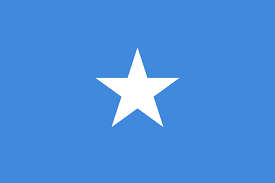
Flag of Somalia
Last week, a historic agreement was signed between Ethiopia and Somalia, under the patronage of Turkey. It centered around, 1) resolving misunderstandings, with both countries committing to resolve issues in upcoming months; 2) cooperation and dialogue to ensure mutual prosperity (should this even be a question among neighbors?); 3) access to the sea for Ethiopia, which Somalia agreed to facilitate under its sovereign authority; 4) both countries will begin technical talks to iron details no later than the end of February 2025, aiming to complete them within 4 months with Turkey’s assistance if needed.
Map of the region with the different countries involved and ports (Source: Medium.com)
We applaud the historic agreement, and can only breathe a sigh of relief for a year which has been tough in the Horn of Africa with war intensifying in neighboring Sudan. However, the agreement still seems a bit vague as to the fundamental issue of whether Ethiopia will use the port of Berbera in Somaliland or whether another port (perhaps in Somalia) will be used instead.
Under the United Nations Convention on the Law of the Sea (UNCLOS), specifically Part X of the convention addresses the rights of landlocked states to access the sea and freedom of transit. Sea access should not be used as a carrot and a stick as it is an existential issue for these countries. Part X ensures that landlocked countries have the right to access the sea for the purpose of exercising their rights, including freedom of the high seas. Nobody has heard of European countries blocking Switzerland, Austria, Hungary, or Slovakia from sea access. However, we saw ECOWAS countries try that during the year, particularly Benin which even went as far as blocking the Niger pipeline which goes through its territory until China gave Benin a reminder (want to bet that it was not a gentle one?) that it was not right.
For more information on this agreement brokered by Turkey between Ethiopia and Somalia, check out the articles on DW and The Economist.
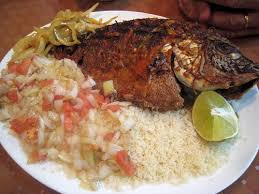
This past weekend, I visited an Ivorian friend who served me Attiéké, Ivory Coast’s iconic dish made from fermented cassava roots, which is part of almost all Ivorian tables. Few days ago, the attiéké, has been inscribed on the UNESCO’s Representative List of the Intangible Cultural Heritage of Humanity. What is the UNESCO list of Intangible Cultural Heritage, you may ask? The Intangible heritage focuses on the non-physical aspects of a culture, contrary to the tangible heritage which focuses on monuments and natural landscapes, working on the preservation of traditions, practices, expressions, and knowledge of entire communities. Thus, African treasures which are part of the UNESCO tangible heritage list would be Great Zimbabwe, the Rock-hewn churches of Lalibela (Ethiopia), Timbuktu (Mali), or Pyramids of Giza (Egypt), while intangible heritages would be the Congolese Rumba and now Attiéké.
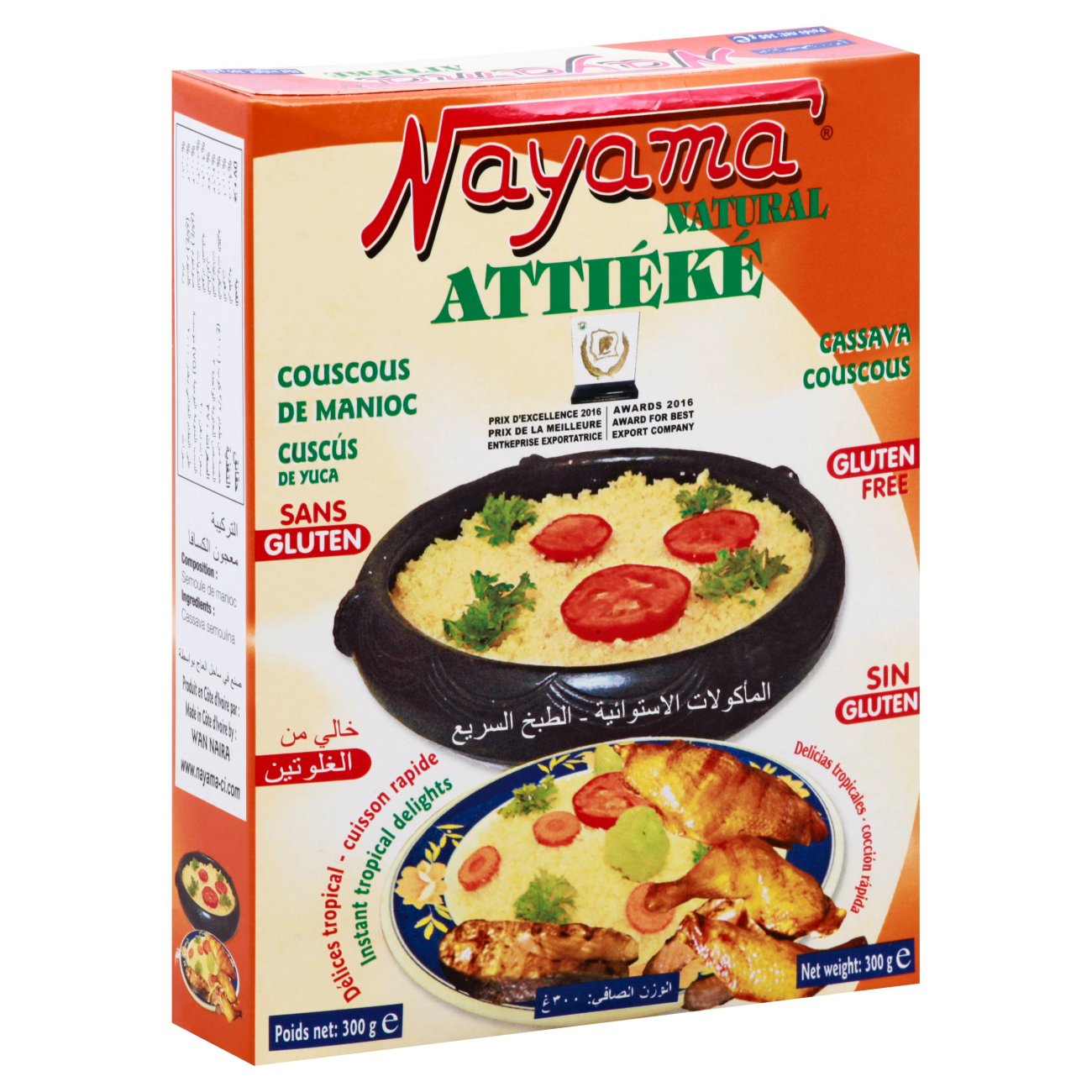
A pack of Attieke
Attiéké is often nicknamed “Ivorian couscous,” because it is a staple made from grated, fermented cassava roots, which has a texture similar to the semolina couscous consumed in the countries of the Maghreb, in northern Africa. The Attiéké originated in the coastal regions of Ivory Coast centuries ago; today, it has become a culinary cornerstone across the country and even beyond its frontiers. The dish is versatile, often paired with grilled fish and served during meals and special ceremonies such as weddings, baptisms, and funerals. It also represents a livelihood for many women in Ivory Coast, as its production is an intricate, multi-day process which has been traditionally led by women and passed down from generation to generation. This tradition includes peeling, grating, fermenting, pressing, drying, and steaming the cassava pulp. These skills, which are central to its preparation, have also been recognized as intangible cultural heritage. Today, Cote d’Ivoire produces over 40,000 tons of Attieke per year, and its commercialization and consumption has expanded beyond the country’s border to other African countries, and other continents.
Attieke
The UNESCO’s recognition of this Ivorian treasure highlights the importance of preserving not just the dish itself but also the traditional knowledge and skills associated with its preparation. The generational transfer of these skills ensures attiéké’s role as a cultural bridge in Ivorian society.
Last week, Orano, the French nuclear company which until now controlled the mining of uranium in Niger, has announced that the Niger government had taken control of its Somair uranium mining. Orano owns about 63 % of the mine. Orano claims that the government had been stopping them from resuming exports and operation, when we know that the degradation (Niger and Orano: Disagreement) is in part because they were trying to force the government to go through Benin whose border has remained closed, previously due to ECOWAS blockage (fueled by France), and now given that it hosts French military bases. The media tell us that Niger is not that important and Orano, France, and the EU have been able to find alternative suppliers in Canada, Uzbekistan, Australia, Namibia, and others… if that is the case, then why do they persist in Niger? Why not leave Niger alone? Is it because the uranium from Niger was dirt cheap, and now paying from it at regular prices from those other sources hurts the pocket book? The BBC admits that “the timing could hardly be more awkward, as Western countries struggle to meet the challenge of climate change and cut their carbon emissions from electricity generation.” Overall, the West is unhappy that Niger is now seeking other partners such as Russia, China, and others.
Flag of Niger
The Western mainstream media, in a case of absolute double standard keeps calling the government of Niger, “military junta“, while calling the Syria terrorists “liberators.” These same media are all up in arms in the case of Niger, Mali, and Burkina Faso. Today, the BBC received a 3-month ban in Niger, while the Nigerien government is filing suits against RFI for spreading fake news that could destabilize the social peace and inciting war propaganda against the local government.
In the latest sign of a dramatic deterioration in relations, Niger’s military rulers appear increasingly determined to drive France out of any significant sector in their economy – and particularly uranium mining. This week the French state nuclear company Orano announced that the junta … had taken operational control of its local mining firm, Somaïr. …
… the crisis facing Orano in Niger represents a significant practical challenge for French energy supply. With 18 nuclear plants, totalling 56 reactors, which generate almost 65% of its electricity, France has been ahead of the game in containing carbon emissions from the power sector. … So, over the past decade or so, [France] has imported almost 90,000 tonnes – a fifth of which has come from Niger. … Last year, as West African neighbours responded to the coup in Niger by imposing a trade blockade that paralysed uranium exports, other suppliers readily stepped into the breach. The European Union’s imports of the mineral from the country plunged by a third, but these were largely replaced by Canada.
… After last year’s coup, Orano itself tried to stay out of the diplomatic row, keep a low profile and carry on operating normally. But the Ecowas trade blockade prevented it from exporting the output from the Somaïr mine, near Arlit, in the Sahara Desert. And even after the sanctions were lifted in late February, the usual uranium export route, via Benin’s port of Cotonou, remained blocked, because the junta kept the border closed in an ongoing political row with Benin…. In June the junta cancelled the French company’s rights to develop a new mine at the large Imouraren deposit, which had been seen as the uranium sector’s principal new hope for future growth. Meanwhile, the export blockage was pushing Somaïr, which by November was sitting on 1,150 tonnes of blockaded stocks of uranium concentrate worth $210m (£165m), into financial crisis.
… Niger’s junta feels no need to make concessions to Orano because it is now buoyed by a sharp rise in oil exports, thanks to a new Chinese-built pipeline. With that financial cushion, the regime appears prepared to bear the cost of paralysing and probably dismantling the traditional uranium partnership with France – now its main international opponent.
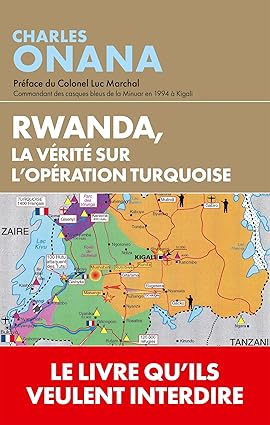
“Rwanda, la Verite sur l’Operation Turquoise” de Charles Onana
On Monday, a French court found the Franco-Cameroonian journalist and author Charles Onana guilty of downplaying the 1994 Rwandan genocide. Onana has been condemned to pay 8400 Euros of penalty. His editor, Damien Serieyx has also been found guilty and condemned to pay 5000 Euros. They also have to further pay 11,000 Euros in compensation to human rights organisations that filed the suit. The book at the center of the controversy is, “Rwanda, la vérité sur l’opération Turquoise: quand les archives parlent.”
The court said that Onana’s book had “trivialised” and “contested” in “an outrageous manner” the genocide that occurred between April and July1994. Onana’s lawyer, Emmanuel Pire, insisted that Onana did not question that genocide took place, or that Tutsis were particularly targeted as per the BBC; but rather that many lost lives in the 1994 horrendous events including Tutsis, Hutus, and Twas. Onana invites all to read his book without pulling passages out of context, but reading the book in its entirety. Both Onana and his publisher have appealed against the verdict.
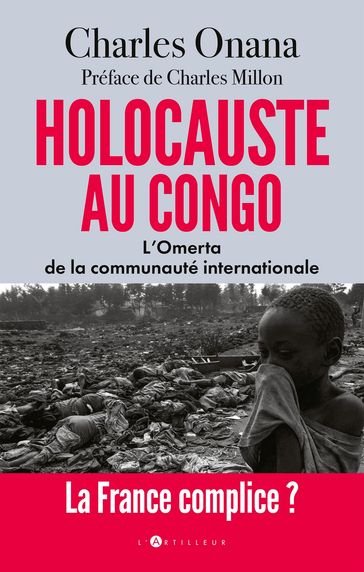
“Holocauste au Congo, L’Omerta de la Communaute Internationale” by Charles Onana
Could this be a vendetta against Onana for shedding light on the horrors happening in the East of the Democractic Republic of Congo (DRC), with his book “Holocaust in Congo: the International Community’s Omerta“? Until his book and a few by others like Patrick Mbeko, Michela Wrong, Pierre Pean, …, the international community had turned a blind eye on the atrocities committed in the DRC. With over 10 million dead, 7 million internally displaced, 500 000 woman raped, the story should have been in the front pages of news outlets around the world, yet it is a total blackout. Why? Because of the Geological Scandal that is the Democratic Republic of Congo (DRC), The New Scramble for Africa with Congo as the centerpiece, and the special first rate place played by that country ‘wrongfully’ dubbed by some as the Switzerland of Africa.
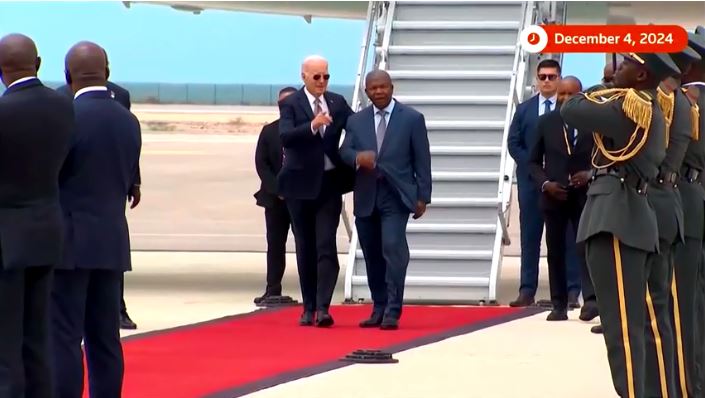
Angola President João Lourenço welcomes U.S. President Joe Biden on the day of his arrival on Dec 4, 2024, at Catumbela Airport in Catumbela, Angola
What could a president who has just pardoned his son from crimes during thanksgiving weekend when everybody was asleep, be doing in a lightning visit to Africa in the ending times of his term? It sounds fishy right? As we have learnt in the past, the transition times are the shady times of an administration. So what was President Biden doing in Angola at this time? Why wait until the end of his term for his first visit to Africa? Why was he not then at the re-opening ceremony of the Notre Dame Cathedral in France with all world leaders at the end of the week? We are told that this lightning first visit to Africa is to cement a deal that will benefit Angola, the Democratic Republic of Congo (DRC), and Zambia: the deal called the Lobito Atlantic Railway project.
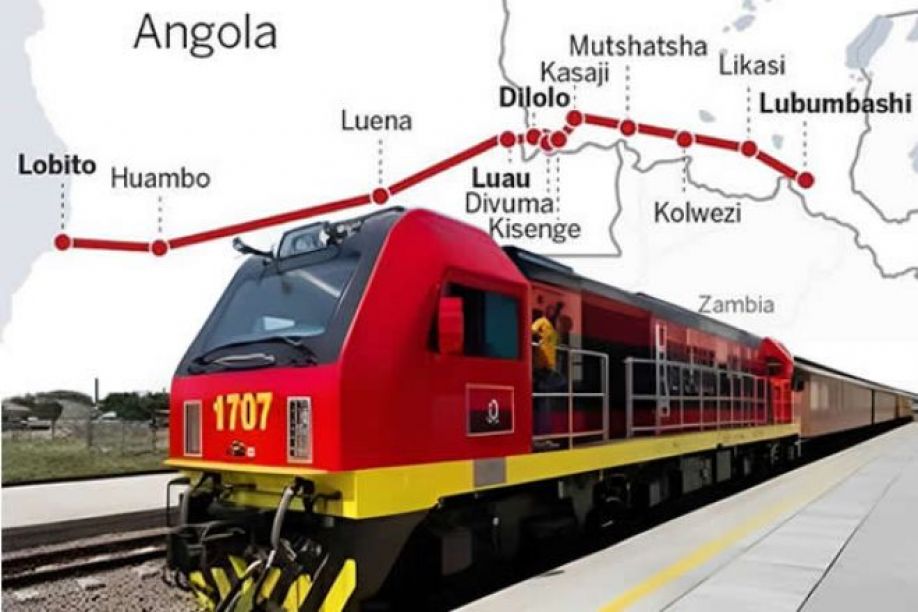
A map of the Lobito Atlantic Railway project (Source: LobitoCorridor.org)
The Lobito Corridor is connected by a stretch of railway infrastructure snaking through mineral (70% of the world’s cobalt is found in the DRC) and oil-rich parts of Angola, the DRC, and Zambia (70% of the world’s copper). Many of these minerals are considered critical for the energy transition adding an additional layer of urgency (The New Scramble for Africa, The Geological Scandal that is the Democratic Republic of Congo (DRC), DRC and Zambia Sign Over Cobalt and Copper Resources Rights to the United States?, When Einstein Wrote to the US President about Congo for its Uranium ). The Lobito project provides a faster access route to the mines in these parts of the world and a pathway to the Atlantic Ocean. The rail route was established in the early 1900s and thrived until the mid-1970s. During the dark days of Angola, in the civil war era, the Angolan parts of the railway were destroyed. From 2006 to 2015, the Lobito project was resurrected/rehabilitated by the Chinese government in the region, who spent over $2 billion rail-for-oil program, but JLo as João Lourenço, the president of Angola is known, has decided to change hands from the Chinese to the Americans and Europeans. In 2022, the Lobito Atlantic Railway concession, a 30-year concession (extendable an additional 20 years), was awarded to a consortium of Western companies.
This investment represents the first alternative from Washington DC to China’s Belt and Road Initiative. As President Biden said in 2023 during JLo’s visit to Washington, “This [the Lobito railway project] first-of-its kind project is the biggest US rail investment in Africa ever,” … “A partnership between Angola and America is more important and more impactful than ever.” President Hichilema of Zambia said, “This corridor is of vital importance to opening up our countries, to opening up our regions, the continent, and truly the global economy,… This project is a huge opportunity for investment, for trade.”
Many see the Lobito Atlantic Railway project more as a West (US/Europe) vs. East (China) war interest on the African continent; while some imagine a money laundering scheme (after all Africa is known for its opacity in accounting) in the last days of an outgoing administration. You, dear reader, what do you think this is?
Christmas may be coming early this year! On November 29th, during the visit of the French Minister of Foreign Affairs in Ndjamena, Chad, Jean-Noel Barrot thought he was back as the French colonialist and managed to even tell the Chadian president who to collaborate with, and give him lessons. By the time he was on his plane back to France, the Chadian government sent out a notice ordering the French army to leave the Chadian soil.
Map of Chad (Source: Lonely Planet)
After more than a century of presence, the French army has been, at last, kicked out of Chad. The dictator approved by France, Mahamat Idriss Deby, has just denounced the defense agreements that bind his country to France. This was done without even notifying the Elysée. If the idea had been in the back burners for several months already, given the recent trip of Deby to Russia, the first in over 40 years, nothing suggested such a brutal break, yet desired by the vast majority of Chadians.
On Monday, The Chadian president Mahamat Idriss Deby defended on state TV, his decision to break military ties with France, saying at a news conference Sunday that their defense pact no longer meets Chad’s security needs.The decision requires France to withdraw its troops from the central African nation and echoes growing anti-French sentiment with civil society groups who say it is long overdue. Deby said his decision to end cooperation agreements with the French military is part of a promise he made during his May 23 inauguration, ending three years of military transition.
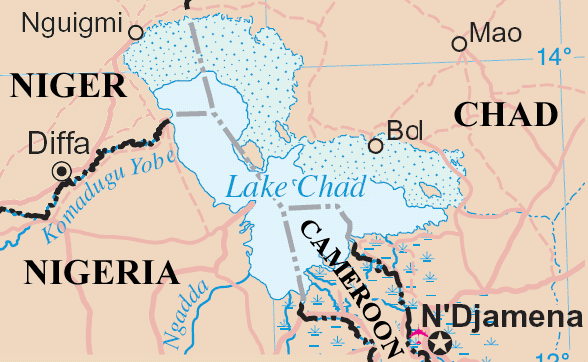
Lake Chad
This rupture comes just a month after a Boko Haram attack killed 40 Chadian soldiers in a military garrison in Lake Chad shared by Chad, Cameroon, Nigeria, and Niger, this without any help from the 1000+ French troops located in Chad. As can clearly be seen, the presence of French troops seems to be of no use to Chad. Just ask our Malian brothers and they will let tell you all about the uselessness of the Operation Serval, Operation Barkhane and the Task Force Takuba.
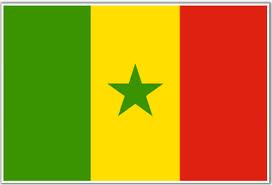
Flag of Senegal
On the wake of the Thiaroye celebration (Thiaroye: A French Massacre in Senegal), the Senegalese President Bassirou Diomaye Faye has called for the closure of all French military bases in the country, asserting in an interview with a French media, that their presence is “incompatible” with the nation’s sovereignty. Faye clarified that this decision decision does not sever ties with France. Unlike other West African nations that have expelled French forces in favor of Russian military support, Senegal aims to maintain its relationship with France. “Today, China is our largest trading partner in terms of investment and trade. Does China have a military presence in Senegal? No. Does that mean our relations are cut? No,” Faye remarked.
This month, African authors made great wins and firsts: they won the most important literary awards in French literature: the Goncourt prize, which was awarded to Kamel Daoud for his third novel titled «Houris», and the Renaudot prize awarded to Gaël Faye pour «Jacaranda». These two books focus on some of the dark periods in the histories of Algeria in one, and Rwanda in the 1990s.
Kamel Daoud and his book Houris (Source: entrevue.fr)
Algeria writer and journalist Kamel Daoud wrote the novel Houris about Algeria’s 1990 civil war. The novel has been banned in his home country of Algeria. In 1994, he entered journalism working for the French daily newspaper Quotidien d’Oran, where he wrote a popular column “Raïna Raïkoum” (Our Opinion, Your Opinion). In parallel, he started writing novels, publishing his first one in 2013, TheMeursault, Investigation, a retelling of Albert Camus‘ famous novel The Stranger, which tells the story from the standpoint of the previously nameless Arab victim killed by Meursault; this first novel won the 2015Goncourt first novel prize, the 2014Prix François-Mauriac and the 2014Prix des cinq continents de la Francophonie. The current book, Houris is a story which focuses on themes such as religion, freedom and identity; the Algerian government sees it as a political gesture amid the current heightened tensions between Algeria and France. A couple of days ago, a woman in Algeria, Saada Arbane accused Daoud of using her personal story without her consent in the award winning novel Houris; thus, she is suing him. Like the heroine of the book, she survived one of the massacres, and had her throat cut in an Islamic attack that wiped out her family. She uses a tube to talk, and was in 2015 one of the patient of Daoud’s wife, psychiatrist Aicha Dahdouh. She said that many details in the heroine’s life – “her speaking tube, her scars, her tattoos, her hairdresser” – came directly from her confidences to Ms. Dahdouh during sessions. Are these accusations founded? What will happen to this year’s Goncourt novel?
Gael Faye and his book Jacaranda
The winner of the Renaudot prize this year is Gaël Faye for his second novel “Jacaranda” which centers around the dark years of Rwanda. Gaël Faye, is a Franco-Rwandan author, French by his father and Rwandan by his mother, who used to be a London financier, before quitting and returning to live in Rwanda to focus on music, and whose first novel Petit Pays (Small Country) set in Burundi won, among others, the Goncourt prize in 2016. This time, his comeback novel Jacaranda is set in Rwanda, as a powerful narrative exploring the effects of the 1994 genocide and impacts on current and future generations and the need to the keep the memory. The story encompasses 4 generations, and tells the terrible story of this country which slowly emerges from darkness to light.



























 African Heritage