Te rappelleras-tu ? / Will You Remember ? by Richard Dogbeh

Flower – Smile

Today is a day of remembrance. I love this poem by Beninese author Richard Dogbeh, Te rappelleras-tu ? (Will You Remember?) published in Cap Liberté, Edition Clé, 1969. This poem is not only a love poem, but also a friendship poem, a hardship poem, and above all a future poem. Beyond the battles that a couple goes through in life, there are joys, wishes, and visions. Further, as one reads this poem, there is also a vision for the country, in this case Benin, for the development of the country which is struggling; this could be applied to the continent as a whole. 

For love, the sentence “Will you remember friend that formidable night when love took us by surprise?” says it all. The deep friendship is highlighted by the togetherness and vision, “We will build our lives with faithfulness and pride” or “Look friend of the deadly shores .” One can see hardship in the journey with unity, “we will fight jealousy and envy that destroys the future, the injustice that divides…“. The future is highlighted in “In your eyes, the prophecy shone“… or “the future will be beautiful in our difficult roads…

Enjoy! This is brought to you by Dr. Y., Afrolegends.com. Te rappelleras-tu ? (Will You Remember?) by Richard Dogbeh published in Cap Liberté, Edition Clé, 1969. Love, love, love…

=====

Te rappelleras-tu ? / Will You Remember by Richard Dogbeh

Te rappelleras-tu amie ce soir redoutable

Où l’amour nous a surpris tous les deux

Dans tes yeux la prophétie scintillait

Comme dans toutes les chansons

Le bonheur dépendait de nous deux

Tout simplement


Dans la tourmente de notre pays

Nous combattrons la jalousie et l’envie qui déciment l’avenir l’injustice qui divise

Nous combattrons la paresse et la routine

Nous bâtirons notre vie fidèle et fière.


Regarde

Amie des rives mortelles

Impatiente de charité

L’harmonie jaillit dans le pays

De Cotonou à Malanville


Dans nos jardins et nos maisons

Croissant des fleurs aux mille couleurs

J’ai lu dans le ciel de nos villes

Que l’avenir sera beau

Sur nos routes difficiles


Au bord de la mer en furie

Il pleuvait ce soir-là et le vent froid nous fouettait le visage

Comment se peut-il qu’un flot de bonheur naisse d’une cité d’angoisse

Ainsi va la vie

Il faut nous armer

Il faut nous cacher (…)


Will you remember my friend this formidable evening

Where love surprised us both

In your eyes the prophecy was shining

As in all songs

Happiness depended on both of us

Simply


In the turmoil of our country,

We will fight the jealousy and envy that are decimating the future and the injustice that divides us.

We will fight against laziness and routine.

We will build our lives with faithfulness and pride.


Look

Friend of the deadly shores

Impatient for charity

Harmony springs forth in the land

From Cotonou to Malanville


In our gardens and our homes

Flowers of a thousand colors are blooming

I read in the sky above our cities

That the future will be beautiful

On our difficult roads


On the edge of the raging sea

It was raining that evening and the cold wind was lashing our faces

How is it possible that a wave of happiness can arise from a city of anguish?

That’s how life is.

We must arm ourselves.

We must hide (…)


Le bien triomphe toujours / Good Always Triumphs

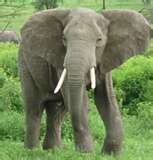
Elephant
Elephant

L’éléphant grandit, même si cela ne plaît pas aux hommes (proverbe Vai /Mande – Liberia, Sierra Leone). –  Le bien triomphe toujours.

The elephant grows up, even if it does not please men (Vai /Mende proverb – Liberia, Sierra Leone). Good always triumphs.

Mali uses AI to Teach School Children in Bambara

Artificial Intelligence (Source: IBTimes.co.uk)

As AI tools become ubiquitous, many African countries are taking advantage to improve their education, economy, and much more. One such country is Mali where AI tools have been used to teach school children in the local languages. In parenthesis, this is happening while some African countries like Nigeria are moving away from teaching local languages in the curriculum; this is quite sad. Here, we are raising our hats to educators in Mali who are using AI to teach kids how to learn and write in local languages that they already speak at home with friends and family. The Education ministry is using the services of RobotsMali which has produced more than a hundred stories in Bambara, the most widely spoken local language.

Excerpts below are from Africanews. Enjoy!

=====

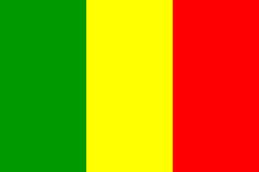
Flag of Mali
Flag of Mali

Since Mali adopted a new constitution in 2023, the country has 13 official languages. Although French is no longer part of that list, the language of the former coloniser is still present everywhere, including in classrooms.

Malian authorities hope artificial intelligence can change that by helping students learn to read and write in local languages they already speak with friends and family.

To achieve this goal, the Education ministry has called on RobotsMali. This AI company has produced more than a hundred stories in Bambara, the most widely spoken language in the country, for students to read in schools.

It helps me speak better with my friends. All of this is good,” said 13-year-old pupil Clarisse Yasségué Togo. At school, we only speak French.”

AI programmes like ChatGPT and Leonardo are used to write, translate and illustrate the stories.

Since the stories are also illustrated, it teaches [students] to make the connections between words and their meaning very quickly,” said RobotsMali Mamadou Dembele.

The organisation hopes to provide a solution to the lack of books in Malian languages.

Bambara is our language. We should prioritise it,” said 17-year-old student Fatoumata Sacko.

Bon sens / Common Sense

Elephant
Elephant

Même si l’éléphant est devenu maigre, il n’osera jamais passer un pont de lianes (Proverbe Toma et Mande – Guinée, Sierra Leone, Libéria).

Even if the elephant has become thin, it will never dare to cross a bridge of vines (Toma and Mende proverb – Guinea, Sierra Leone, Liberia).

Mali Recovers over a Billion $ for its Miners

Map of Mali 

Imagine being able to recover money from multinationals? Imagine putting the well-being of your people so much at the forefront that you are not afraid of uncovering or exposing corruption or injustice, and of taking on major world multinationals! This is what the Malian government has just done, and as a result has uncovered a billion dollar in arrears! Remember how Pascal Lissouba, the former president of the Republic of Congo, admitted that the Congolese government had no idea how much oil Elf (now Total Energies) was pumping out of its soil, and that they were at the mercy of whatever the company wanted to pay them, which was pennies; when he tried to renegotiate contracts or find better partners, he was deposed by Denis Sassou Nguesso, the Western puppet. Remember Jean Bedel Bokassa of the Central African Republic who admitted that he had no visibility on the amount of diamonds or uranium that French and Swiss companies were extracting from his country. Now, imagine being in your sovereign state, i.e. no Western puppet at your helm, the well-being of your people at the forefront?

AES Logo

Mali (and the other countries of the AES) has been working tirelessly on nationalizing their resources, and renegotiating correctly contracts with multinationals that are extracting their resources. Thus, such an exercise is fruitful in the sense that now, they can audit accounts, and compensate or fight for better compensation for their people better. Today, it was announced that Mali has recovered over a billion dollar in arrears from mining companies! Isn’t this a beautiful Christmas /end of year present? This also makes us pray further for the safety of such governments who place the restoration of their people’s dignity and well-being at the forefront of their efforts. Now, more than ever, they will be the target of the foreign corporations and bandits! Now, more than ever, they need each of us to stand in solidarity with them!

Excerpts below are from Africanews.

=====

Mali has recovered more than a billion dollars in arrears from mining companies after a sweeping audit, its finance minister, Alousséni Sanou, said on Tuesday.

It’s one of the country’s biggest ever clawbacks from its lucrative mining sector.

The military-led government launched an audit of the sector in early 2023 and uncovered massive shortfalls for the state. That paved the way for a new mining code that raises royalties, boosts the state’s ownership in mining companies and scraps stability clauses.

A recovery commission was set up after an audit flagged financial irregularities and shortfalls for the state estimated at between half a billion and a billion dollars.

African Fraternity on Display in the AES

AES Logo

We take a minute today to salute the African fraternity displayed by our brothers of the Alliance des Etats du Sahel (AES – Alliance of Sahel States). It is no secret that islamic terrorists funded by ‘we know who’, have blockaded the distribution of fuel in the capital of Mali, Bamako, for the past 2 months. The jihadists have imposed blockades, multiplied attacks on fuel convoys, and disrupted transported routes, which has almost paralyzed the city. 

The sister country of Niger sent a convoy of trucks to Mali carrying fuel across 1,400 km amid the ongoing regional insecurity. It took 21 days for the convoy of 82 petrol tankers to arrive in Bamako from Niamey. The convoy arrived on 25 November. This example of fraternity among African nations is a warm balm to the heart. 

Since the creation of the AES, a confederation formed by Mali, Burkina Faso, and Niger, the governments have presented an alliance to deepen their security, defence, and economy, amidst the barricade of open sanctions and hidden attacks that have come from the West and its puppet organization that is the Economic Community of West African States (ECOWAS). 

Excerpts below are from APA News.

=====

Fuel

A large convoy of 82 hydrocarbon tankers from Niamey successfully arrived in Bamako on November 22, completing a major delivery that signals Niger’s official support for Mali.

This operation takes place amid persistent supply tensions in Mali and underscores the evolving regional solidarity within the Alliance of Sahel States (AES).

The fuel shipment, a donation initiated by Nigerien President Abdourahamane Tiani, reached the Malian capital after navigating the sensitive Niamey-Bamako axis—a crucial corridor challenged by insecurity in certain border areas. The Malian government officially received the 82 tankers, handing them over to the Minister of Industry and Trade.

The delivery is critically important given Mali’s heavy reliance on imports to meet its energy needs. The country’s daily fuel requirements are estimated at approximately 40,000 barrels of hydrocarbons (equating to about 6.3 to 6.5 million liters per day). This massive consumption, driven by road transport and growing electricity demands coupled with a lack of national refining infrastructure, makes the nation highly vulnerable to external disruptions and embargoes. Malian authorities confirm that this shipment will help to temporarily stabilize the domestic market.

Charité bien ordonnée commence par soi-même / Charity starts at home

Leopard

On ne prête pas la porte de sa maison au voisin, quand le léopard est aux alentours (Proverbe Burundais – Burundi). – On cherche quand même à se protéger d’abord soi-même.

You do not lend your door to the neighbor, when the leopard is nearby (Burundi proverb – Burundi). – We try to protect ourselves first.

African Countries are Uniting to Pass a Resolution to have Colonial Era Crimes Recognized

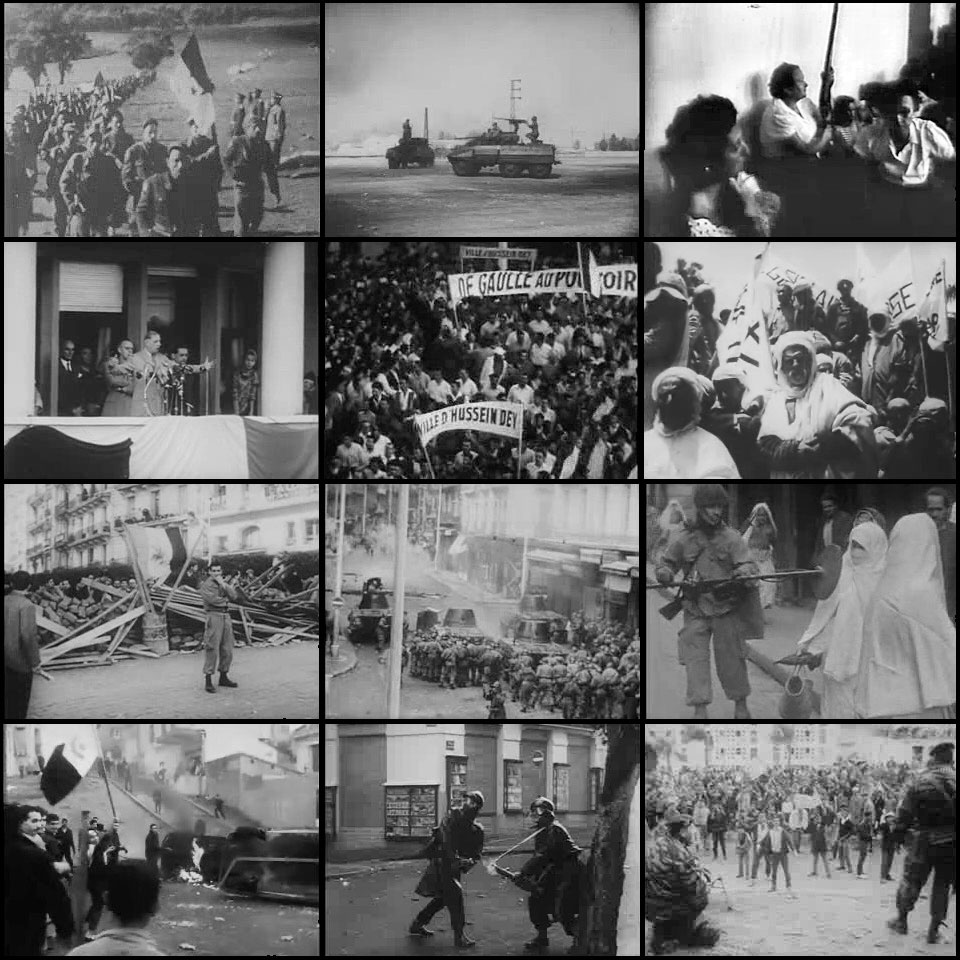
Algerian War Collage (Source: Wikipedia)

This is a recurring issue, but this time, African countries, are uniting to challenge the status quo, and ask for justice and reparation for victims of colonialism. They met in Algiers, the capital of Algeria this past week to pass a resolution to recognize the colonial era hurts. The choice of Algeria as a summit holder is no coincidence, as French forces committed some of the worst atrocities in the country during the colonial era, including nuclear tests which decimated entire villages; Algerians fought a bloody war which lasted 8 years between 1954 to 1962 to win independence. The death toll is estimated at over 1.5 million Algerians who lost their lives due to the barbary of France.

As stated before, African countries need to become stronger for their voices to be heard, and one way for this to happen is to present a strong united front. 

Excerpts below are from The Guardian.

=====

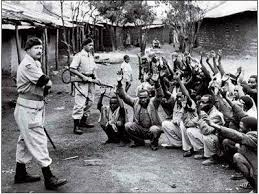
Under British guns, during the Mau Mau rebellion in Kenya
Under British guns, during the Mau Mau rebellion in Kenya in the 1950s

African leaders are pushing to have colonial-era crimes recognised, criminalised and addressed through reparations.

At a conference in the Algerian capital, Algiers, diplomats and leaders convened to advance an African Union resolution passed at a meeting earlier this year calling for justice and reparations for victims of colonialism.

Algerian foreign minister Ahmed Attaf said Algeria’s experience under French rule highlighted the need to seek compensation and reclaim stolen property.

A legal framework, he added, would ensure restitution is seen as “neither a gift nor a favour”.

Africa is entitled to demand the official and explicit recognition of the crimes committed against its peoples during the colonial period, an indispensable first step toward addressing the consequences of that era, for which African countries and peoples continue to pay a heavy price in terms of exclusion, marginalisation and backwardness,” Attaf said.

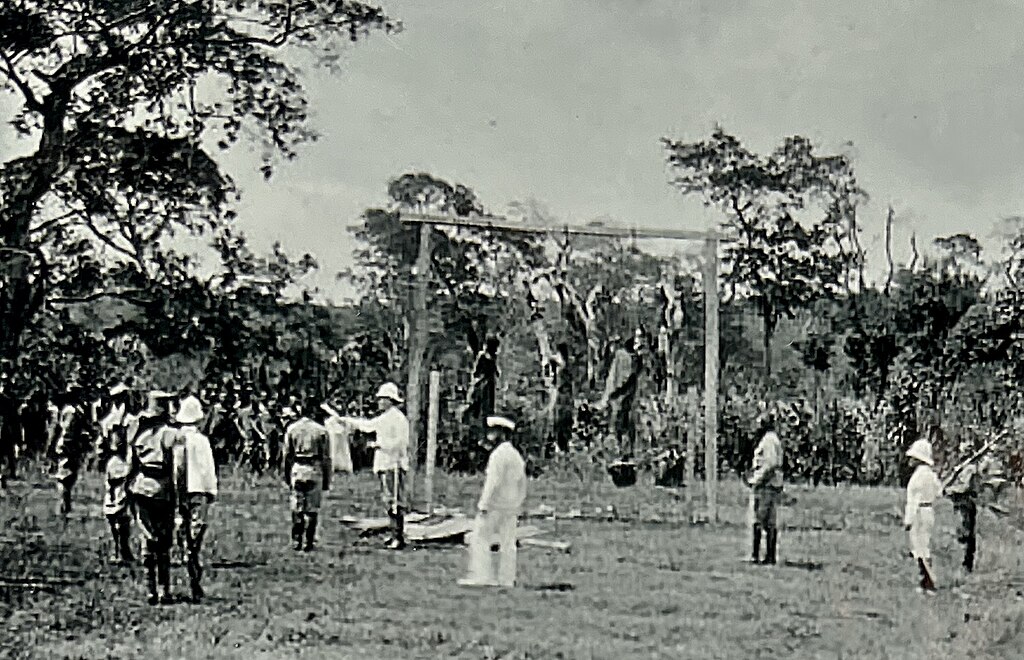
Hanging of Chagga men by the German Colonial Government ca 1890s – 1900 (Source: Wikipedia)

… [At] the African Union’s February summit, … leaders discussed a proposal to develop a unified position on reparations and formally define colonisation as a crime against humanity [about time!].

The economic cost of colonialism in Africa is believed to be staggering, with some estimates in the trillions. European powers extracted natural resources often through brutal methods, amassing vast profits from gold, rubber, diamonds and other minerals, while leaving local populations impoverished.

… Earlier in November, … Caribbean governments have also been calling for recognition of the lasting legacy of colonialism and enslavement, and for reparative justice from former colonisers, including a full formal apology and forms of financial reparations.

So Long to Jimmy Cliff, the Author of Many Rivers to Cross

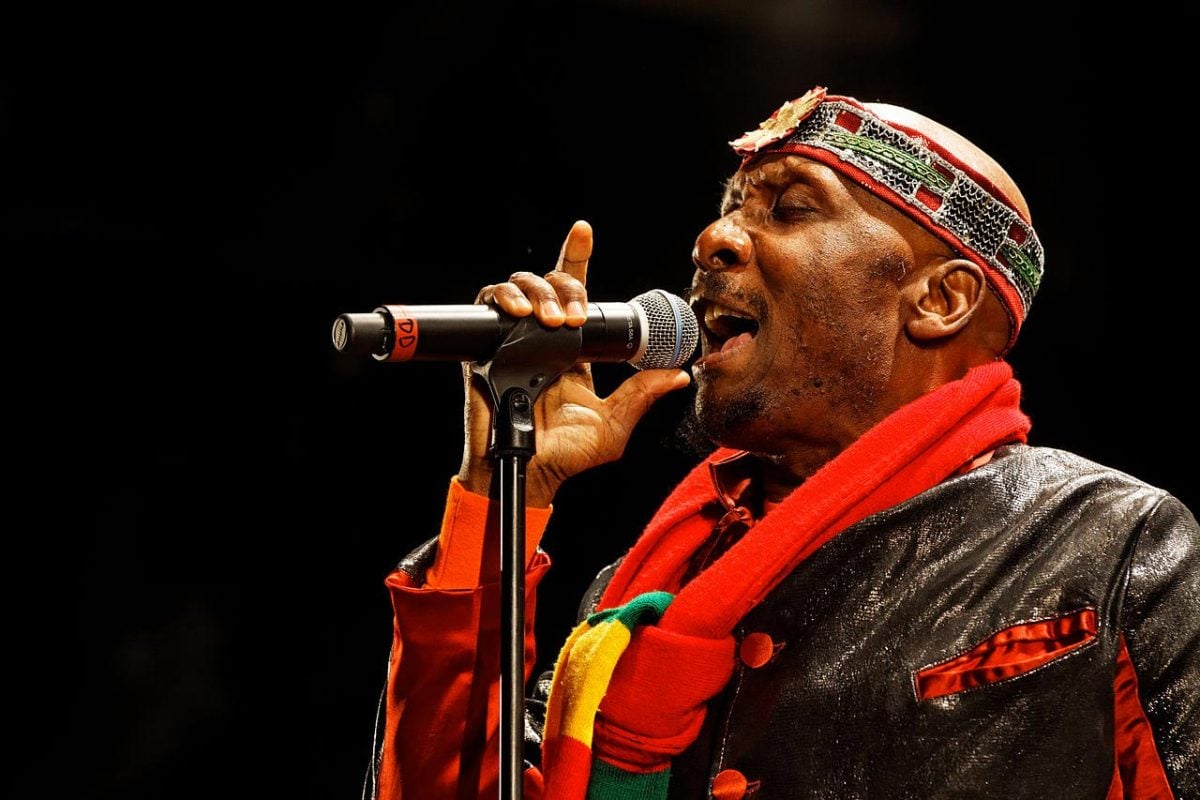
Jimmy Cliff (Source: Dancehallmag.com)

One of Reggae’s greatest known artists, Jimmy Cliff, passed away yesterday. The author of Many Rivers to Cross, I can see Clearly Now, or The Harder They Come, or Vietnam, and many more, has joined the ancestors… they must be all singing today. My favorite of Cliff’s songs has always been “I can See Clearly Now”, for it is a deep message of hope and renewal; it was the cover of the 1993 movie Cool Runnings soundrack.

Jimmy Cliff was born James Chambers in 1944 in St James parish in Jamaica in a family of nine children; he was the eighth child. In terms of music, he was self-taught, started singing at age 6 in the church choir, later started writing his own songs, and wrote his first song, I Need a Fiancée, on a guitar made with bamboo. By the age of 14, he moved to Kingston, the capital, and took the surname Cliff to express the heights he intended on reaching. In 1965, he moved to London, where it took a while for his music to take off, until his 1969 single Wonderful World, Beautiful People, and then the politically charged Vietnam, which Bob Dylan called “the best protest song ever written.” In 1986, he told Reggae archivist Roger Steffens, “The essence of my music is struggle. What gives it the icing is the hope of love.”

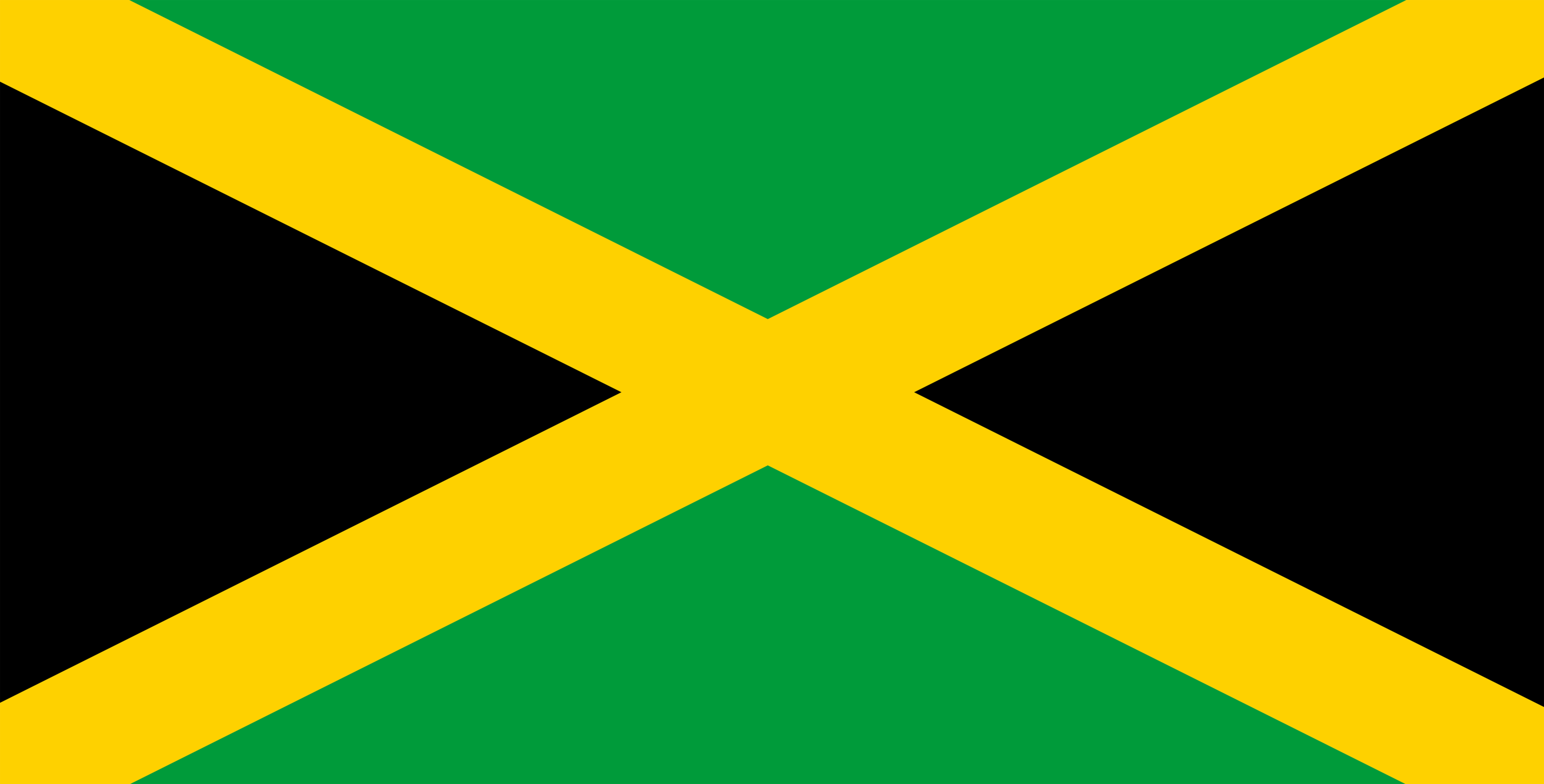
Flag of Jamaica

Over the years, Cliff has collaborated with some of the greatest artists of this earth, from Bob Marley, The Rolling Stones, Bruce Springsteen, Sting, Elton John, UB40, Kool & the GangElvis CostelloWyclef Jean, and countless others. He is the only other Jamaican, after Bob Marley, to have been inducted in the Rock and Roll Hall of Fame.

Throughout his career, Cliff expressed his deep love for Africa which he described as his ancestral home, and his music inspired generations of musicians in Africa and beyond. His themes of liberation, struggle, and hope mirrored African struggles against colonialism and apartheid. He also always valued African culture singing on stage and showcasing African clothing with style.

Below are the lyrics of my favorite, I can see clearly now

I can see clearly now the rain is gone

I can see all obstacles in my way

Gone are the dark clouds that had me blind

It’s gonna be a bright (bright) 

Bright (bright) sunshiny day

It’s gonna be a bright (bright)

Oh, yes, I can make it now the pain is gone

All of the bad feelings have disappeared

Here is the rainbow I’ve been praying for

It’s gonna be a bright (bright)

Bright (bright) sunshiny day

(Ooh) Look all around, there’s nothing but blue skies

Look straight ahead, there’s nothing but blue skies

Experience

Les oreilles grandissent, mais jamais plus haut que la tête (Proverbe Dogon – Mali).

The ears grow, but never higher than the head (Dogon proverb – Mali).