
There was a lot to celebrate in Africa in 2023. Below are just a few in the sea of celebrations.
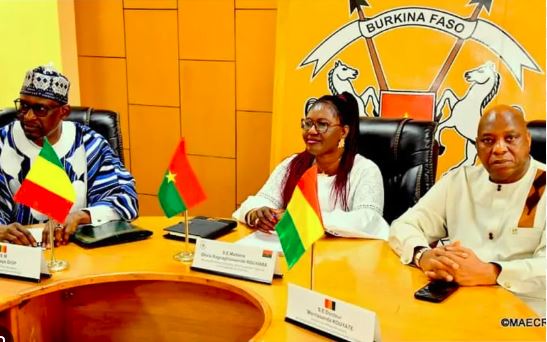
1. In January, Mali, Guinea, and Burkina Faso, three West African countries , all of whom have recently undergone military takeovers amid rising public national anger against France, have agreed to a Bamako-Conakry -Ouagadougou axis, with enhanced cooperation on matters ranging from trade to the fight against insecurity.
2. The biennial African film festival, FESPACO, took place this year from 25 February to March 4. On March 4, the winner, Tunisian Youssef Chebbi won the Golden Stallion of Yennenga (Etalon d’or de Yennenga) for his film ‘Ashkal‘ which centres on the investigation into the killing of a caretaker on a construction site in Carthage on the outskirts of his hometown. This year, women directors were celebrated and took home the second and third prizes, with Burkinabe filmwriter Apolline Traore, who picked up the Silver Stallion of Yennenga for the film ‘Sira‘, while the Bronze Stallion was awarded to Kenya’s Angela Wamai for ‘Shimoni.‘ FESPACO 2023: Tunisian Film ‘Ashkal’ Wins the Golden Stallion of Yennenga, and Women Filmmakers are Recognized
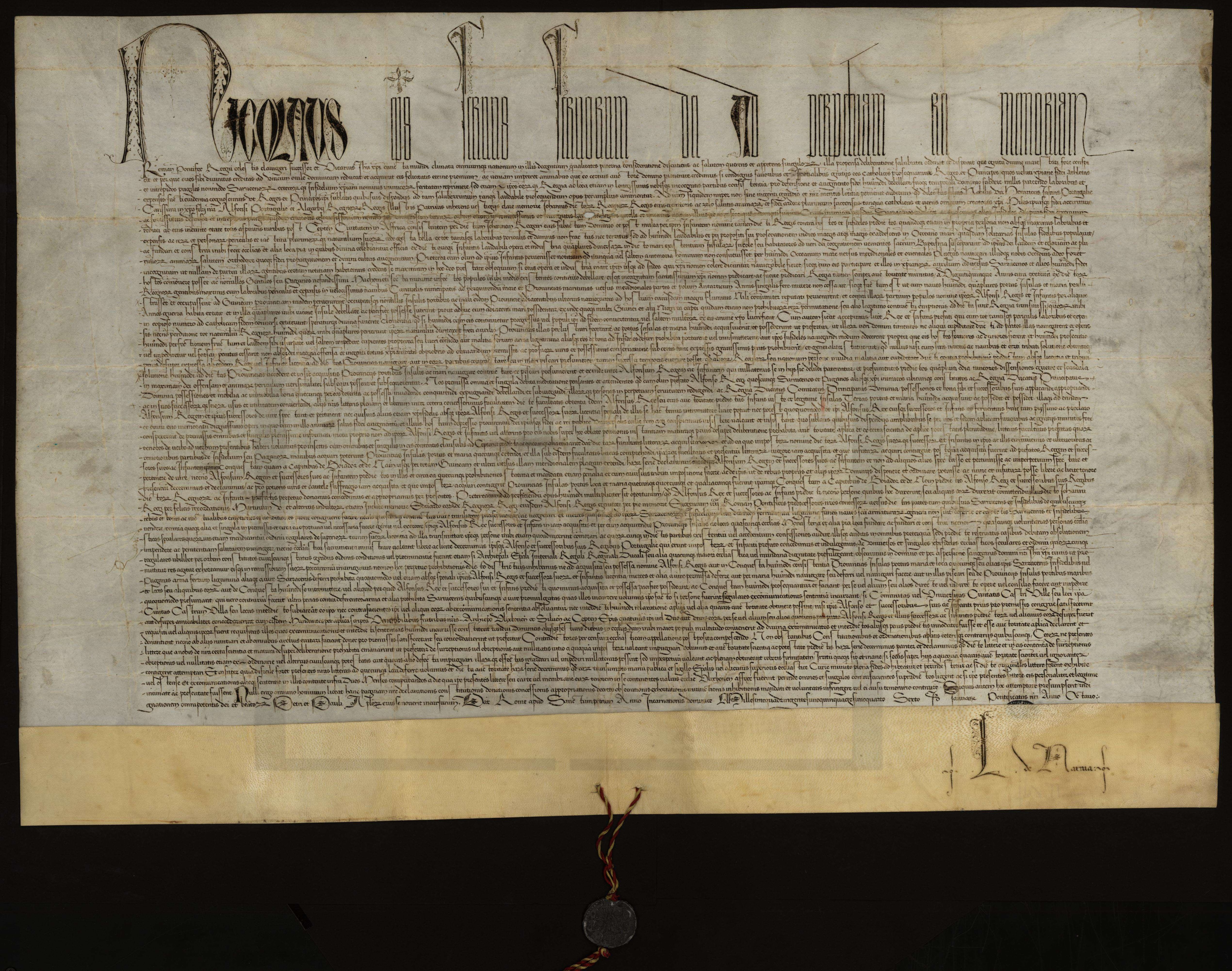
3. In March, the Vatican rejected the ‘Doctrine of Discovery’ used to Justify Colonial Quest and Theft of Land. A Vatican statement said the papal bulls, or decrees, “did not adequately reflect the equal dignity and rights of Indigenous peoples” and “therefore [the Vatican] repudiates those concepts that fail to recognize the inherent human rights of Indigenous peoples, including what has become known as the legal and political ‘doctrine of discovery.’” This is the first official acknowledgment of the Catholic Church for his first place participation in the enslavement of people around the globe, and particularly of Africans. We had published here Dum Diversas or The Vatican’s Authorization of Slavery, which highlighted the major role played by the Vatican in the slave trade of Africans over the centuries.
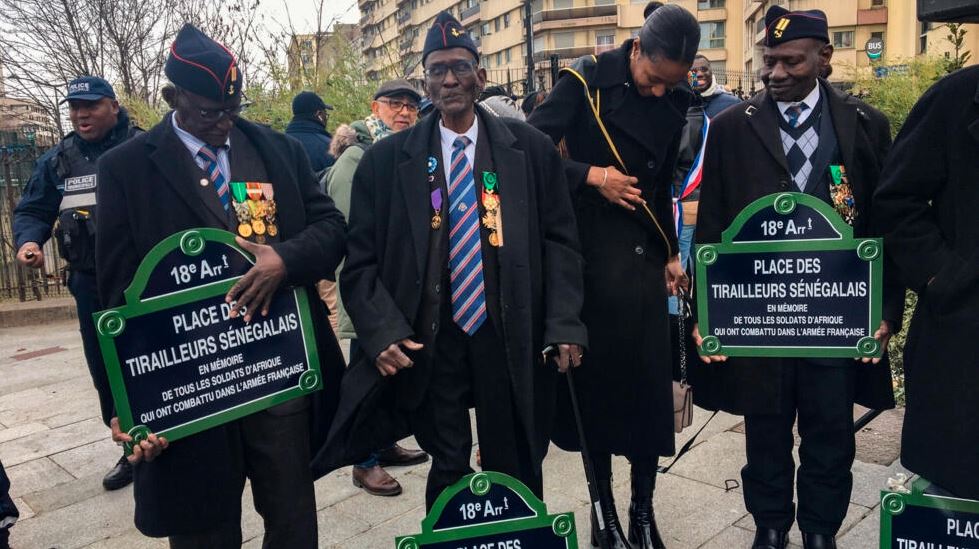
4. Nine Senegalese tirailleurs, men who served for France for its liberation during the wars, have now won the right to receive their pension while living in Senegal. These men, aged 85 to 96 years, have served in the French army during the wars of Indochina and Algeria, and were forced to live in France at least 6 months per year to get their retirement pension! Can you imagine serving for a country that does not even want to pay you a dime for your services (remember Thiaroye?)? As a result, most of them never returned home. This year, they were able to finally go home. At Last: Senegalese Tirailleurs now allowed to receive their pension while living in Senegal
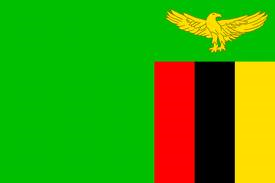
5. Following months of talks, Zambia successfully agreed new repayment terms with its state creditors on up to $6.3bn (£5bn) debt, including over $4bn owed to China. … Although the details of the deal have not yet been released [as always, populations are kept in the dark, while their future is being signed over], it appears that Zambia will be granted an extended repayment time of over 20 years, including a three-year grace period with interest-only payments. In recent years, the economic debt of Zambia has been making the locals apprehensive; this is a positive step. Zambia breathes a Sigh of Relief after $6bn Debt Deal.
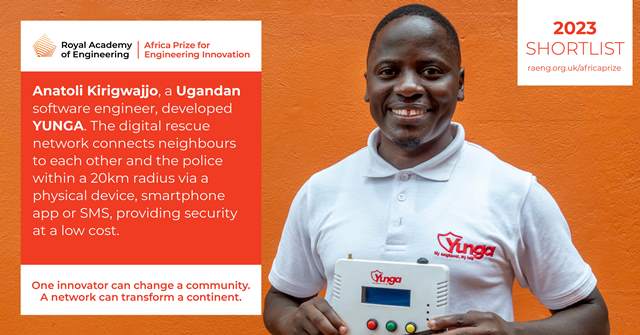
6. Anatoli Kirigwajjo from Uganda, the founder and CEO of Yunga, a local digital security network that enhances neighbor-to-neighbor safety, was awarded “The Africa Prize for Engineering Innovation” dedicated to developing African innovators, an award, founded by the Royal Academy of Engineering in the UK. In a modern world where drums are no longer used to alert communities, it is imperative to find a solution that will be used to alert all neighbors within a community of some impending issue. His innovation is based on the ancestral drum tradition, and the “10,000 household model” – a traditional practice where people use drums to alert their community in case of an emergency. Ugandan Engineer takes Africa’s Top Innovation Award for His Safety Invention.
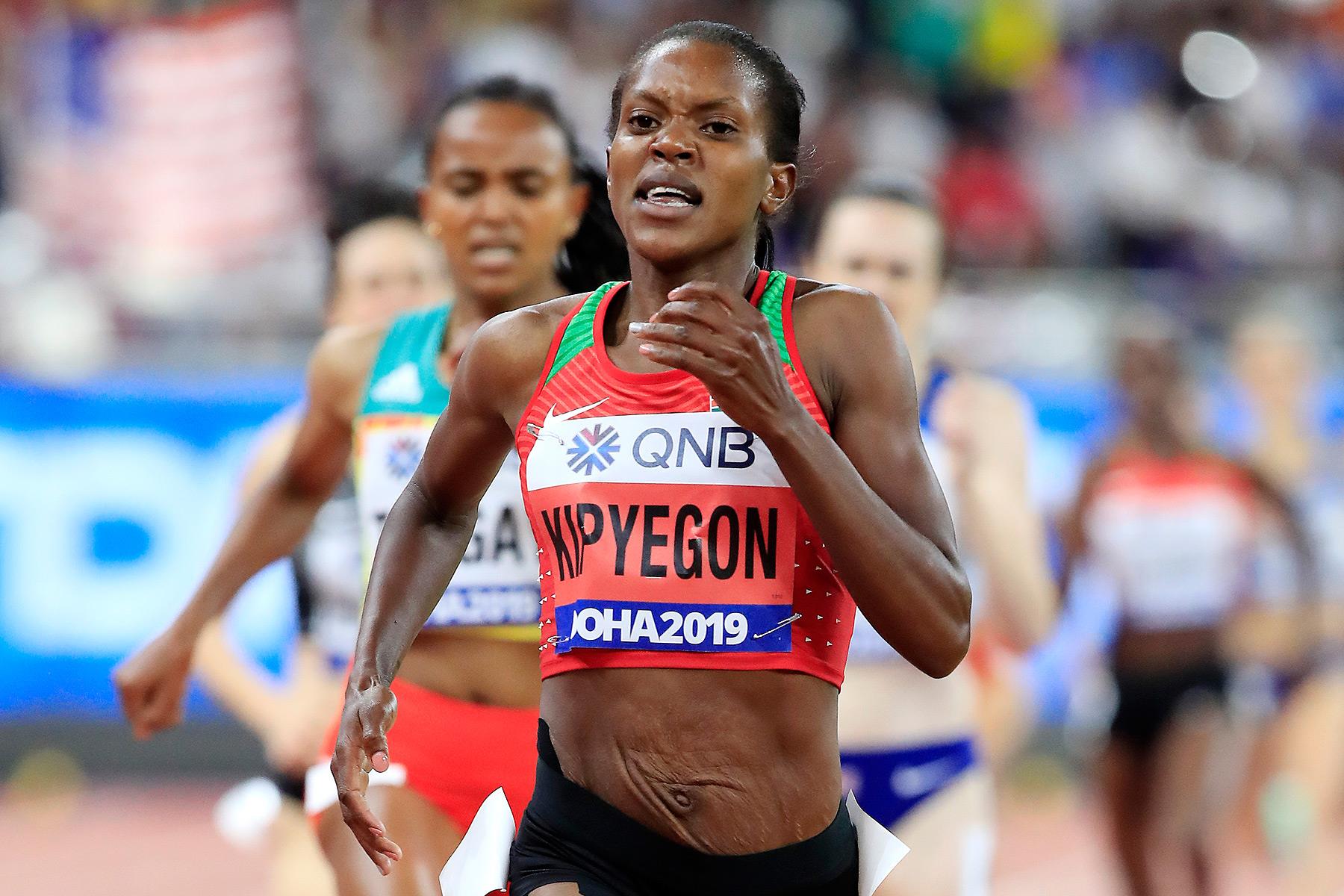
7. Africans made us Proud at the 2023 World Athletics Championships in Budapest, Hungary. There were so many outstanding contributions, and amazing firsts. Hugues Fabrice Zango of Burkina Faso who took home the gold medal in the men’s triple jump, thereby offering his country its first gold at the World Championships. Letsile Tebogo of Botswana made us proud by becoming the first African to win a silver medal at the World Championships ever in the men’s 100 m, and a bronze medal in the 200 m. Faith Kipyegon of Kenya delivered! There isn’t another athlete as consistently dominant over such a range as Kipyegon, and she was rightfully selected among the best African athlete of the year; at the world championships, she won gold medals in the women’s 1,500 m and 5,000 m in Budapest. Ladies Gudaf Tsegay, Letesenbet Gidey, and Ejgayehu Taye of Ethiopia dominated their events to give us a trio winning gold, silver, and bronze medals respectively in the women’s 10,000 m. Please check out the exhaustive list of winners.
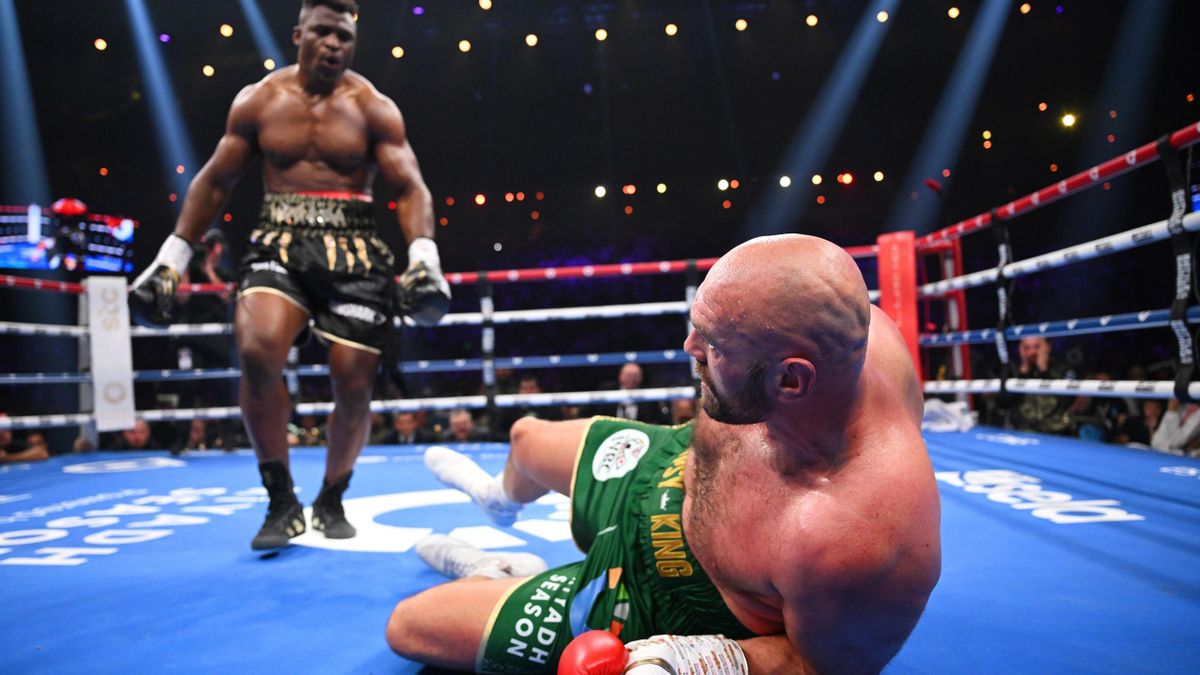
8. Francis Ngannou, professional mixed martial artist and professional boxer, of Cameroon made us proud in the “Battle of the Baddest” against the undefeated world heavyweight champion Tyson Fury, which place on October 28, 2023, in Riyadh, Saudi Arabia. Ngannou was able to knock down Fury in the third round, taking the fight all the way to the scorecards, in which the judges awarded Fury the victory in a controversial split decision. To many, not just Africans, the real winner was Ngannou.
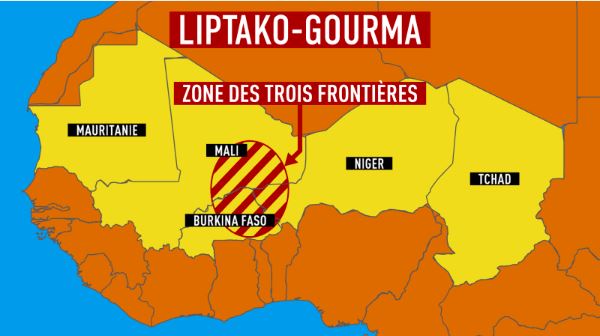
9. Mali, Burkina Faso, and Niger signed a Mutual Defence Pact called the Liptako-Gourma Charter, to protect their countries, and fight effectively against terrorists which have been occupying the northern parts of their territories. The Liptako-Gourma Charter establishes the Alliance of Sahel States (AES), which aims to “establish an architecture of collective defence and mutual assistance for the benefit of our populations“, Colonel and leader of Mali, Assimi Goïta wrote on X. These countries have shown that we, Africans, can take care of ourselves, without the need of puppet organizations such as ECOWAS.

10. Ethiopian-American Scientist Gebisa Ejeta receives US National Medal of Science, the highest state honor attainable by scientists in the United States for his work on sorghum, and he has developed a sorghum hybrid that is resistant to drought and parasites. Thanks to the conflict in Ukraine, a lot of Africans are turning back to ancestral grains native to their lands and alternatives to wheat. How Africa Copes with the War in Ukraine : Alternatives to Wheat and How Africa Copes with The War in Ukraine: Alternatives to Wheat – Ancient Grains? We applaud Gebisa Ejeta for his contributions.

11. On the 36th anniversary of Thomas Sankara’s assassination, Burkina Faso renamed Boulevard in Honor of Thomas Sankara; the boulevard, one of the main streets of the capital Ouagadougou, was previously known as General Charles de Gaulle Boulevard. Thus, Burkina Faso has replaced the country’s former colonial ruler with its very own leader and inspiration to the nation, Thomas Sankara. We applaud Burkinabes for doing this, and hope to see many African countries follow in their tracks, as many streets and cities still wear the names of European men who wiped out entire peoples (Brazzaville, Port-Gentil, etc).

12. Senegalese couple, Mame Bougouma Diene and Woppa Diallo, has made history this week by winning the Caine Prize for African Writing [Senegalese Couple Makes History by Winning Literary Caine Prize for African Writing]. It is the first time in the history of the prize that it is awarded to a couple. Diallo is a lawyer and activist while French-Senegalese American Diene is a humanitarian and a short-story writer. There were also lots of African writers who published acclaimed work this year.

13. Mali military forces succeeded in Kidal where France and Allies could not! The forces were able to liberate the city of Kidal from terrorist groups where France and its allies and the MINUSMA could not. They succeeded in a few days, where it took years for France and co. On November 14 2023, president Assimi Goïta of Mali announced the liberation of Kidal, stronghold of terrorist groups for the past few years. The news was so stunning that even the BBC who has been calling the Mali government, ‘the junta’ and all sorts of names, and always showing ugly pictures of Assimi Goïta, had to, begrudgingly write the article and for once showed him in a decent image :).
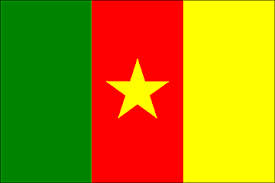
14. Two Cameroonian Women win the L’Oreal-UNESCO Award for Women in Science. The two scientists are Sabine Adeline Fanta Yadang, a doctor of neuroscience, and Hadidjatou Daïrou, a doctor of cellular physiology, have won the prestigious L’Oréal-Unesco Young Talent Award for Women in Science for their work on the power of medicinal plants. Congratulations to those ladies.



 African Heritage