
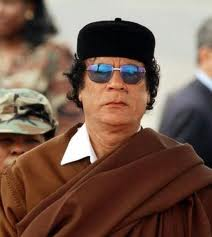
I would like to share some points about life in Libya under the Guide of the Libyan Revolution Muammar Gaddafi, from an African perspective, not the trash published by the Western media. Western Media Lies in Libya, NATO’s debacle in Libya, Truth Dispatch: Update on Libya. He was not a saint, but he loved his country deeply and Africa as a whole, and was fighting for our freedom and dignity as human beings!
Libya had significant reserves of crude oil and the discovery of oil changed its socio-economic landscape. Before Gaddafi, Libya had less control on the oil industry as most of the companies involved in oil exploration activities were foreign, but a few years after Gaddafi took control of the government of Libya, his administration nationalized the oil Industry which had a marked impact on the economy and development. Under Gaddafi’s leadership, Libyans enjoyed an exceptional standard of living, financed by oil revenues that were equitably redistributed.
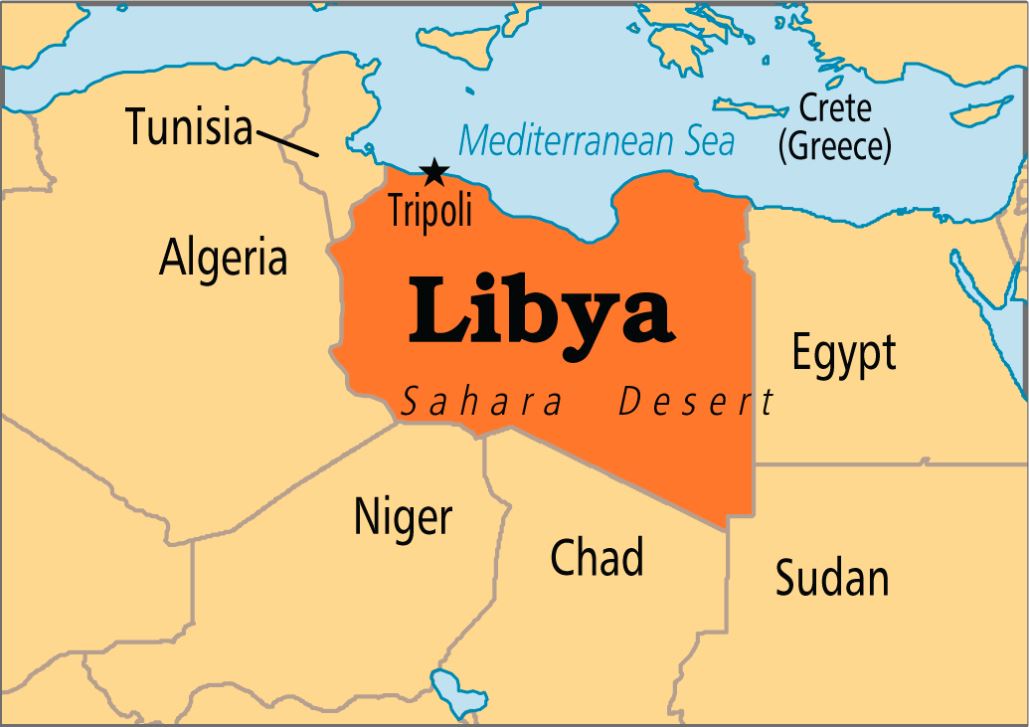
Thanks to a bold management of oil wealth, Gaddafi transformed his desert country into a model of social and economic development, offering its citizens unparalleled benefits on the continent, and in the world (Norway is now applying his doctrines – just under a different name). While the West often portrays him as a dictator, we want to tell you about the life of Libyans under Gaddafi, and the benefits to the whole of Africa.
Below are the main benefits enjoyed by citizens (source Eurafrica, translated by Dr.Y, Afrolegends.com):
Free education for all: Access to education, from primary school to university, was entirely free. Before Gaddafi, only 20% of Libyans were literate; under his rule, this rate rose to 83%. A quarter of the population held a university degree, a record in Africa.
Free medical care: Hospitals provided free care, and the number of doctors quadrupled in a decade. Diseases like malaria were eradicated, and tuberculosis declined sharply.
Affordable electricity: Although sometimes described as free, electricity was so heavily subsidized that its cost was negligible for households.
Housing, a fundamental right: Gaddafi considered housing an inalienable human right. Massive programs were implemented to build affordable housing, and citizens could obtain interest-free loans to buy their homes. No homelessness like in the streets of some of American and European capitals!
Support for young couples: Newlyweds received financial assistance of approximately $50,000 to acquire a home and start their family life.
Support for mothers: Every woman giving birth received a bonus of $5,000 to support her family.
Car subsidies: The state covered 50% of the price of cars, making mobility accessible to all. Gasoline at a ridiculously low price: With a liter of gasoline costing only $0.14, Libyans enjoyed some of the cheapest fuel in the world.
Affordable basic necessities: Essential goods were subsidized to ensure access for all.
Support for agriculture: Aspiring farmers received land, equipment, seeds, and livestock free of charge to start their farms.
Assistance for unemployed graduates: Unemployed young graduates received an allowance equivalent to the average salary for their profession until they found a job.
Education and healthcare abroad: If local infrastructure was insufficient, the state financed studies or medical treatment abroad, providing a monthly allowance of $2,300 for housing and transportation.
Oil revenue redistribution: A portion of oil revenues was reinvested in social programs, ensuring rare economic stability.
Libya was a debt-free economy and Gaddafi had a pan-African vision. With reserves of $150 billion and no external debt, Gaddafi’s Libya was an anomaly: an African country free from the clutches of international financial institutions like the IMF. This economic independence allowed Gaddafi to dream big. His ambitious project, the Great Man-Made River, transported millions of cubic meters of water across the desert, transforming arid lands into fertile fields. Nicknamed the “eighth wonder of the world,” this irrigation network symbolized his ambition to make Libya self-sufficient.
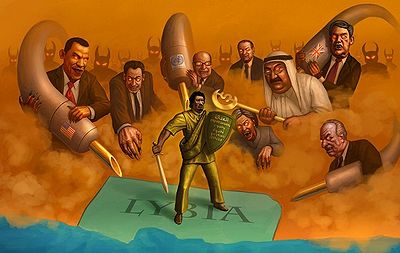
Gaddafi went even further: he wanted to unite Africa. By proposing a gold dinar to replace the dollar in African trade, he sought to free the continent from Western powers. This project, combined with his support for the African Union, made him a threat to the global order.
…






 African Heritage