Strategies to Destabilize a Country : the Case of Guinea

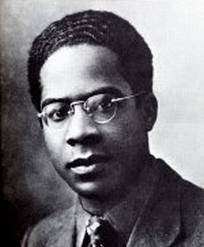
Sekou Toure, Cover Time Magazine, Feb. 16, 1959

The Guinea of Sekou Toure was the first country to say ‘NO’ to the General de Gaulle. Sekou Touré, proud descendent of one of the great African leaders who fought colonialism, Samori Touré, said, on 25 August 1958, Sekou Touré said: “Il n’ya pas de dignité sans liberté. Nous préférons la liberté dans la pauvreté à la richesse dans l’esclavage.” [There is no dignity without freedom. We prefer freedom in poverty to wealth in slavery].

After Sekou Toure said ‘No‘, De Gaulle did not take it lightly and reacted harshly to crush the new Guinean state, and ensure that no other African countries followed the Guinean example.  The Washington Post back then, observed how brutal the French were in tearing down all what they thought was their contributions to Guinea: “In reaction, and as a warning to other French-speaking territories, the French pulled out of Guinea over a two-month period, taking everything they could with them. They unscrewed light bulbs, removed plans for sewage pipelines in Conakry, the capital, and even burned medicines rather than leave them for the Guineans.” Imagine that, they unscrewed light bulbs! It is said that they even poured cement on water pipes!… the French reacted like a really angry boyfriend who had been thrown out.
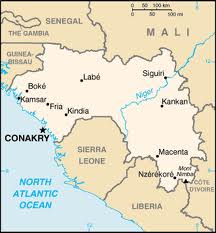
Guinea-Conakry
Guinea-Conakry

Maurice Robert, head of the African cell for the Service de documentation extérieure et de contre-espionnage (SDECE), France‘s external intelligence agency from 6 November 1944 to 2 April 1982 said in an interview, « Nous devions déstabiliser Sékou Touré, le rendre vulnérable, impopulaire et faciliter la prise du pouvoir par l’opposition. Une opération de cette envergure comporte plusieurs phases : le recueil et l’analyse des renseignements, l’élaboration d’un plan d’action à partir de ces renseignements, l’étude et la mise en place des moyens logistiques, l’adoption de mesures pour la réalisation du plan. Avec l’aide d’exilés guinéens réfugiés au Sénégal, nous avons aussi organisé des maquis d’opposition dans le Fouta-Djalon. L’encadrement était assuré par des experts français en opérations clandestines. Nous avons armé et entraîné ces opposants guinéens pour qu’ils développent un climat d’insécurité en Guinée et, si possible, qu’ils renversent Sékou Touré. Parmi ces actions de déstabilisation, je peux citer l’opération Persil, par exemple, qui a consisté à introduire dans le pays une grande quantité de faux billets de banque guinéens dans le but de déséquilibrer l’économie. » [“We had to destabilize Sékou Touré, make him vulnerable, unpopular and facilitate the seizure of power by the opposition. An operation of this scale involves several phases: the collection and analysis of information, the development of an action plan based on this information, the study and implementation of logistical means, the adoption of measures to implement the plan. With the help of Guinean exiles who had taken refuge in Senegal, we also organized opposition groups in Fouta-Djallon. Supervision was provided by French experts in clandestine operations. We have armed and trained these Guinean opponents so that they develop a climate of insecurity in Guinea and, if possible, overthrow Sékou Touré. Among these destabilizing actions, I can cite Operation Persil, for example, which consisted of introducing a large quantity of counterfeit Guinean banknotes into the country with the aim of unbalancing the economy.”]
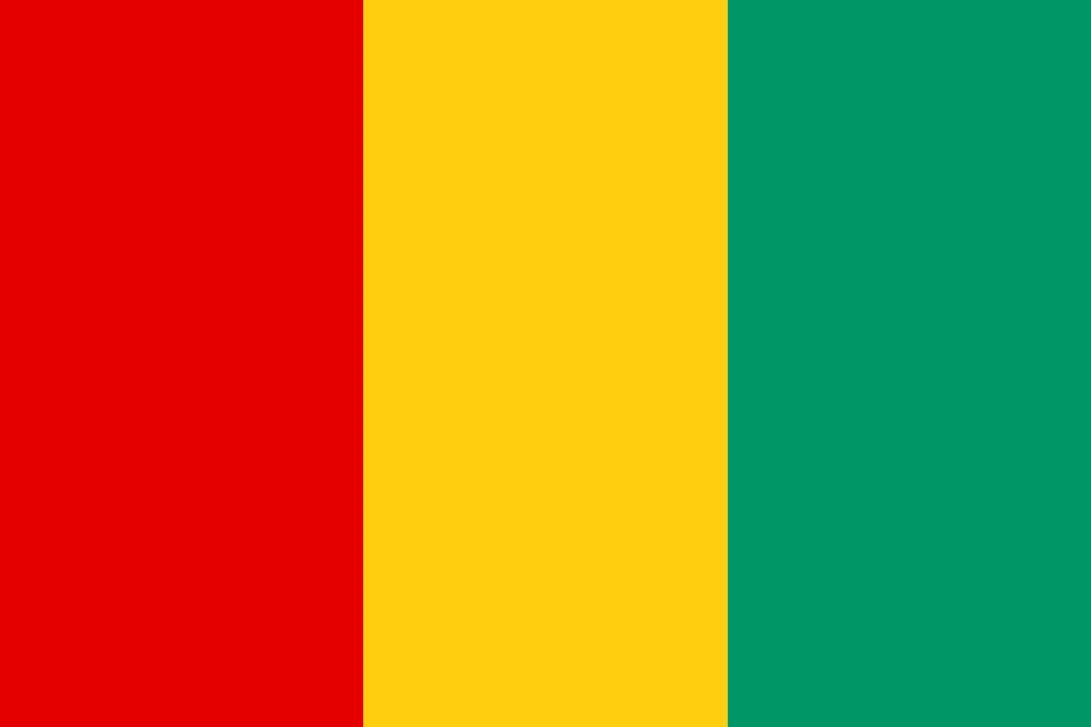
Flag of Guinea

Thus, the strategies to destabilize Guinea were, among others, 1) Make Sekou Toure weak and impopular by financing and arming his opponents; 2) using exiled Guineans in neighboring Senegal, training them militarily to create zones of insecurities in the country to eventually topple off Sekou Toure’s government; 3) economically weaken the country by using fake currency.

There are numerous examples of how these strategies were used in recent years: in Cote d’Ivoire during the presidency of Laurent Gbagbo with the armed rebellion financed from external forces, terrorist forces’ attacks in the AES countries, and much more…

“Ôde à la Guinée” de Aimé Césaire

Aimé Césaire
Aimé Césaire

Aimé Césaire, le grand écrivain et poète Martiniquais, présente ici son Ôde à la Guinée… ce chant qui s’élève et embrasse la Guinée, ce pays si cher qui était le premier en Afrique francophone à reclamer son indépendance à la France, ce pays-là qui nous a montré à tous Africains, que comme disait si bien Sékou Touré: ‘nous préférons la pauvreté dans la dignité à l’oppulence dans l’esclavage.‘ C’est bien pour cela que Aimé Césaire a chanté pour la Guinée!

=========

Ôde à la Guinée

Et par le soleil installant sous ma peau une usine de force et d’aigles
et par le vent sur ma force de dent de sel compliquant ses passes les mieux sues
et par le noir le long de mes muscles en douces insolences de sèves montant
et par la femme couchée comme une montagne descellée et sucée par les lianes
et par la femme au cadastre mal connu où le jour et la nuit jouent à la mourre des eaux de sources et des métaux rares
et par le feu de la femme où je cherche le chemin des fougères et du Fouta-Djallon
et par la femme fermée sur la nostalgie s’ouvrant
JE TE SALUE
Guinée dont les pluies fracassent du haut grumeleux
des volcans un sacrifice de vaches pour mille faims
et soifs d’enfants dénaturés
Guinée de ton cri de ta main de ta patience
il nous reste toujours des terres arbitraires
et quand tué vers Ophir ils m’auront jamais muet
de mes dents de ma peau que l’on fasse
un fétiche féroce gardien du mauvais oeil
comme m’ébranle me frappe et me dévore ton solstice
en chacun de tes pas Guinée
muette en moi-même d’une profondeur astrale de méduses.

Aimé Césaire

======

Guinea-Conakry
Guinea-Conakry

Ode to Guinea” by Aimé Césaire

And by the sun installing a power and eagle fac­tory under my skin
and by the wind elab­o­rat­ing the passes it knows best over my power of tooth of salt
and by the black ris­ing along my mus­cles in sweet sap-like effron­ter­ies
and by the woman stretched out like a moun­tain unsealed and sucked by lianas
the woman with the lit­tle known cadas­tre where day and night play mora for spring­head waters and
rare met­als
and by the fire of the woman in which I look for the path to ferns and to Fouta Jal­lon
and by the closed woman open­ing on nostalgia

I HAIL YOU

Guinea whose rains from the cur­dled height of vol­ca­noes shat­ter a sac­ri­fice of cows for a thou­sand
hungers and thirsts of dena­tured chil­dren
Guinea from your cry from your hand from your patience
we still have some arbi­trary lands
and when they have me, killed in Ophir per­haps and silenced for good,
out of my teeth out of my skin let the make
a fetish a fero­cious guardian against the evil eye
as your sol­stice shakes me strikes me and devours me
at each one of your steps Guinea
silenced in myself with the astral depth of medusas

from The Col­lected Poetry of Aimé Césaire, trans­later by Clay­ton Esh­le­man and Annette Smith.

Guinea: the country who dared say ‘NO’ to France

Guinea-Conakry
Guinea-Conakry

Dear all,

Last week was the second turn of elections in Guinea, and it only made sense to talk about Guinea. Well… Guinea is a country in West Africa whose capital is Conakry… it is a country rich in minerals such as bauxite, gold, diamonds, magnesium, etc. It is well-known for his first president Sekou Toure, who was the first to say ‘NO’ to France in 1958. In his own words, he said: “It is better to be poor and free, than to live in opulence and be a slave.” Guinea, thus became the only nation in French Africa to say ‘NO’  to the General de Gaulle and France. It was seen as a treason and an affront… and France never forgave Guinea, destroying files when leaving, withdrawing abruptly, destroying infrastructures, and breaking political and economic ties. I will not say much, but the video below says it all… Sekou Toure and the people of Guinea dared to say ‘NO’, and for that we, from French Africa, are forever thankful!

Sekou Toure
Sekou Toure

Je lance un appel à tous les Guinéens d’aller sur Wikipedia corriger l’histoire de leur pays. La définition sur Wikipedia est très incomplète! Nul part est-il mentionné le fait que la Guinée était le seul pays en Afrique Francophone à dire ‘NON’ à la France; et à cause de cela, ils ont été persécutés!