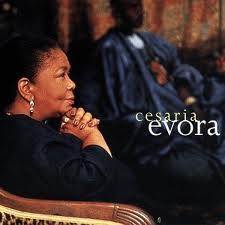
We talked about Fortaleza de São Miguel in Luanda, Angola, a major slave fort of Angola which today has been turned into a museum and stood the test of times, and show the resilience of the Angolan people and their love of life in spite of adversities. Cesária Évora, the barefoot diva, Cape Verde’s national diva sang “Angola.” As this fortress, she had a breakthrough after years of disappointment, she never gave up. She exemplified endurance, strength, confidence, and perseverance. Just like her song “Angola” is a tribute to the wisdom, resilience, joy, and cultural strength of the Angolan people, celebrating how they endure hardship, war, and colonial trauma while still finding community, patience, and pleasure in life. It’s like a mirror of her life, as if Cesária is singing of her life, and of the beautiful country of Angola, and the resilience of its people.
The repeated line “Angóla, Angóla, oi, ke pove sábe” means: “Angola, Angola, oh, what a wise people.” This is the emotional anchor of the song. She is praising: Angolan wisdom, Angolan strength, Angolan endurance through the civil war which devastated their country and live, Angolan cultural richness, and joy.
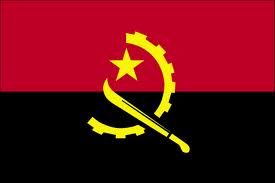
Flag of Angola
The song emphasizes that Angolans have endured wars, colonial violence, and hardship, yet remain strong and united. Words like konvivénsia (coexistence), pasiénsia (patience), and rezisténsia (resistance) reinforce this.
The line, “Es vida sábe ke nhos ta vivê / Paródia dia i note manxê, sen maka ma ku sabura” celebrate living life intensely, to the fullest, dancing, laughing, enjoying community, even through life’s difficulties.
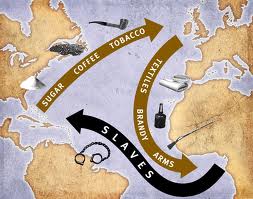
In March, the United Nations (UN) recognized the Transatlantic Slave Trade as the gravest crime against humanity. The fact that it took centuries to reach this acknowledgment speaks volumes about those who benefited from the trade, and about how deeply some countries and institutions resist accountability. Despite its scale, the Transatlantic Slave Trade is rarely discussed with the same global urgency as the Holocaust, even though it claimed over “15 millions” African lives (and we know the math is not math-ing) and reshaped continents. Many Africans can name European concentration camps, yet very few can name the African slave forts where millions were imprisoned before crossing the Atlantic.
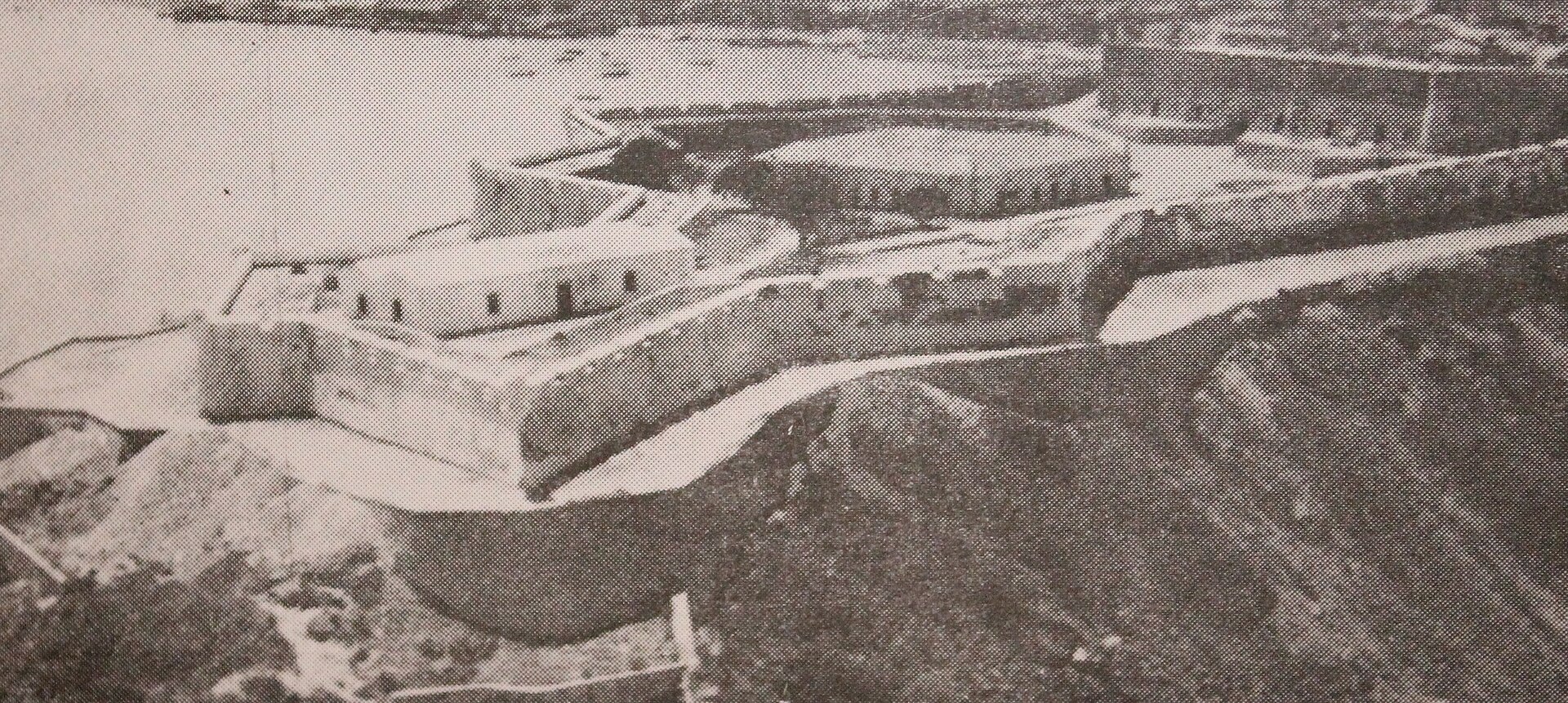
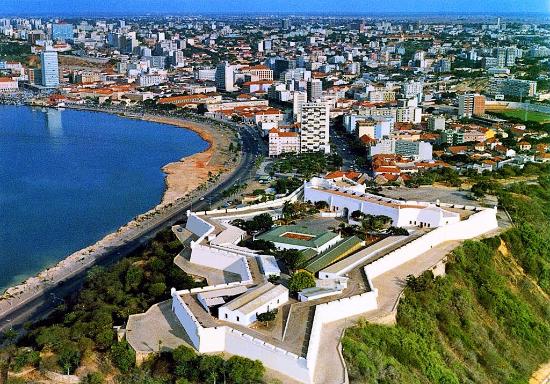
Aerial view of Fortalesa de Sao Miguel ca 1950s
If you are like me, you may have heard of Elmina Castle, Cape Coast Castle, Ouidah, Gorée Island, the sites most commonly referenced in West African history. But far fewer people know about Fortaleza de São Miguel, the largest and most politically significant slave fort in Angola. Perched high above Luanda Bay, the Fortaleza de São Miguel or Fort Sao Miguel is one of Angola’s most important historical landmarks which has survived the test of times. It was built in 1576 by the first governor of Angola Paulo Dias de Novais, the grandson of the explorer Bartolomeu Dias; yes that explorer they used to burst our ear drums with in school, the one who rounded the Cape of Good Hope proving that there was a sea route from the Atlantic to the Indian Ocean. It was the first major Portuguese stronghold in Angola and Central Africa, and the beating heart of colonial power for nearly three hundred years.
Queen Nzingha of Angola
From the late 1500s through the mid‑1800s, São Miguel became a central node in the transatlantic slave trade. Captives from the interior: Kongo, Ndongo, Mbundu, Ovimbundu, Lunda, Chokwe, and others, were funneled through a network of inland routes toward Luanda. Don’t be fooled by its whitewashed walls made of thick basalt and its cute polygonal design! These were tailored to the hilltop terrain as a defensive fort to guard against any rival foreign invaders, like the Dutch, or local African kings. Among those taken to the new world, it is said that the most traded ethnic groups were the Mbundu and Ndongo people, and we can understand why, when we remember that Queen Nzingha: Great Queen of Angola opposed a strong fight against the enslavement of her people and tirelessly fought the Portuguese for almost a century!
The Cuanza Rivercorridor was the most infamous route: people were funneled through inland forts like Massangano and Muxima (Pope Leo XIV gave his Last Blessing in Angola at an Old Slave Trade Hub), chained in canoe convoys or forced along riverbanks toward the coast. At São Miguel, they were registered, taxed, and imprisoned before being loaded onto ships bound for Brazil, especially Bahia and Rio de Janeiro. São Miguel was thus the seat of Portuguese power, but also a place where human lives were reduced to cargo manifests for colonial profit. Governors lived within its walls; while soldiers and bureaucrats managed the colony from its ramparts. The Dutch seized the fort briefly in 1641, renaming it Fort Aardenburgh, but Portugal reclaimed it 7 years later in 1648, restoring its dominance in the area.
Fortaleza de Sao Miguel in Angola (Source: WelcometoAngola.co.ao)
When Angola gained independence in 1975, São Miguel was transformed into the Museum of the Armed Forces. Today, it houses exhibits on: colonial wars, the struggle for independence, the Angolan civil war, and national heroes and military history. If you are ever in Luanda, remember to visit this site which hosts so much history, history of our tears, pain, exploitation, determination, strength, and resilience.