

We talked about Fortaleza de São Miguel in Luanda, Angola, a major slave fort of Angola which today has been turned into a museum and stood the test of times, and show the resilience of the Angolan people and their love of life in spite of adversities. Cesária Évora, the barefoot diva, Cape Verde’s national diva sang “Angola.” As this fortress, she had a breakthrough after years of disappointment, she never gave up. She exemplified endurance, strength, confidence, and perseverance. Just like her song “Angola” is a tribute to the wisdom, resilience, joy, and cultural strength of the Angolan people, celebrating how they endure hardship, war, and colonial trauma while still finding community, patience, and pleasure in life. It’s like a mirror of her life, as if Cesária is singing of her life, and of the beautiful country of Angola, and the resilience of its people.
The repeated line “Angóla, Angóla, oi, ke pove sábe” means: “Angola, Angola, oh, what a wise people.” This is the emotional anchor of the song. She is praising: Angolan wisdom, Angolan strength, Angolan endurance through the civil war which devastated their country and live, Angolan cultural richness, and joy.
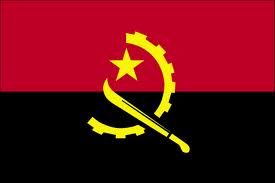
The song emphasizes that Angolans have endured wars, colonial violence, and hardship, yet remain strong and united. Words like konvivénsia (coexistence), pasiénsia (patience), and rezisténsia (resistance) reinforce this.
The line, “Es vida sábe ke nhos ta vivê / Paródia dia i note manxê, sen maka ma ku sabura” celebrate living life intensely, to the fullest, dancing, laughing, enjoying community, even through life’s difficulties.


