
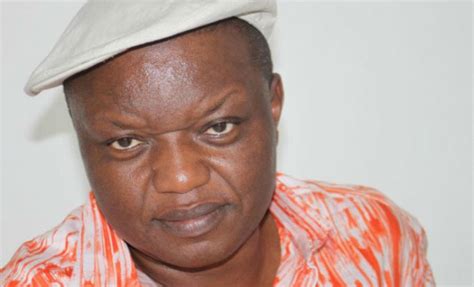
The great Cameroonian filmmaker Bassek Ba Kobhio, the creator of Sango Malo or Le grand blanc de Lambaréné (the Great White of Lambarene), the founder of Écrans Noirs Film Festival in Yaoundé, one of Central Africa’s most vital platforms for regional stories and cinematic resistance, has joined his ancestors.
I remember watching ” Le grand blanc de Lambaréné (The Great White of Lambarene)” and thinking about all the pains Africans endured at the hand of the European explorers and missionaries who visited Africa. The cruelty of these missionaries, who claimed to have had a civilizing mission in Africa. The vivid scene in the movie where the doctor removes the teeth of a villager with pliers and without any anesthesia is still stuck in my mind. Ba Kobhio had a way of showing the portraits of flawed idealists like Albert Schweitzer, the 1952 Nobel Peace Prize winner whose biopic Le grand blanc de Lambaréné is, who had ‘good’ intentions but turned to authoritarianism, and paternalism towards Africans who he (Schweitzer) thought in a way inferior, seeing himself as an “elder brother” to them. In that movie, Bassek showed a part of the Gabonese history and Equatorial French colonies through the lens of an African.
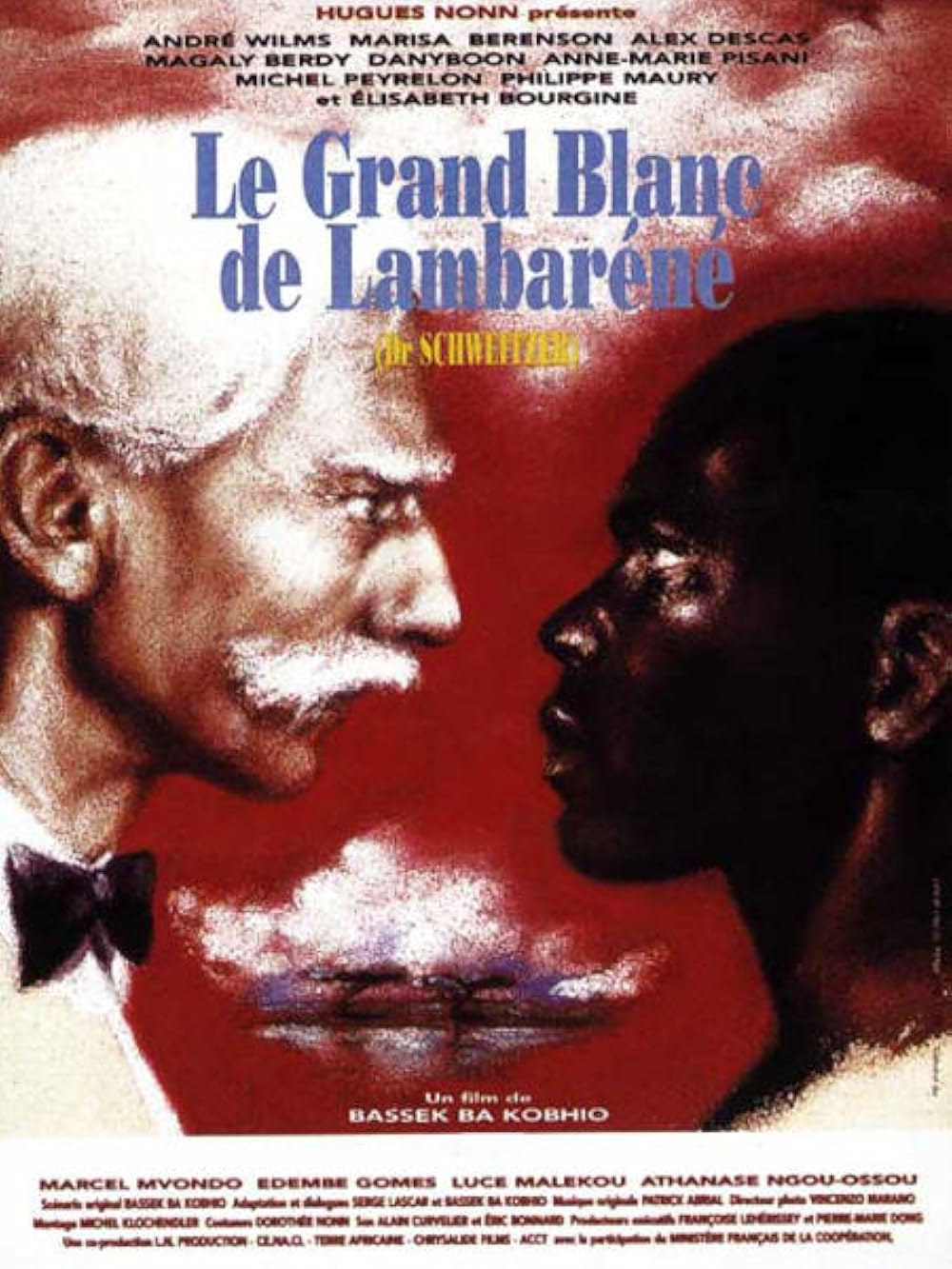
His filmography, including masterpieces like Sango Malo (which won the 1992 public prize at the 2nd Festival du cinéma africain of Milan, in Italie), Le grand blanc de Lambaréné and The Silence of the Forest, consistently sought to reclaim the African narrative, portraying the continent with a dignity that rejected the traditional, condescending external gaze. Beyond his work behind the camera, Bassek Ba Kobhio was a visionary architect of the African film industry’s infrastructure. In 1997, he founded the Écrans Noirs Film Festival in Yaoundé, one of Central Africa’s most vital platforms for regional stories and cinematic resistance, contributing to African cinematography.
Excerpts below are from an article written by Henri Matip Ma Soundjock for the African Intercontinental Press (AICP). I could not have written a better eulogy! Enjoy!
=====
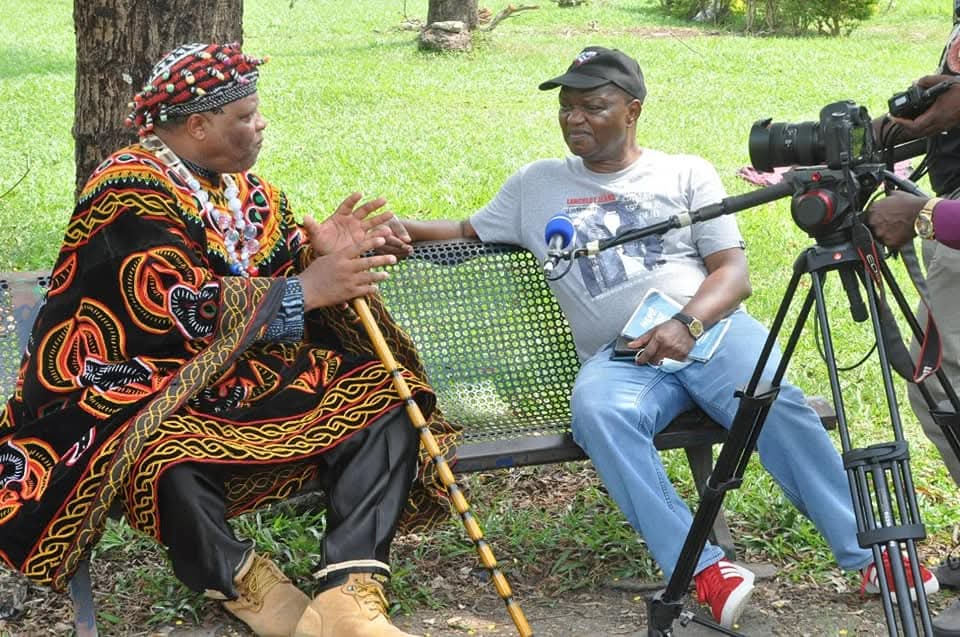
* PUBLICATION – AICP | AFRICAN INTERCONTINENTAL PRESS
Nécrologie & Hommage – Yaoundé, 10 mai 2026
Par Henri MATIP MA SOUNDJOCK
Tel: 237 6 72 71 81 64
BASSECK BA KOBHIO N’EST PAS MORT : IL EST ENTRÉ DANS SES PROPRES IMAGES
Hommage au cinéaste camerounais, père du Festival Écrans Noirs, qui vient de rendre l’âme
Il filmait pour que le Cameroun se voie. Il a créé Écrans Noirs pour que l’Afrique se regarde. Basseck Ba Kobhio vient de s’éteindre. Mais un homme qui a donné des images à un peuple n’entre pas dans la mort. Il entre dans le montage final. Celui où les vivants reprennent le scénario.
I. LE CINÉASTE QUI A REFUSÉ QUE LE CAMEROUN SOIT HORS-CHAMP
1. Le nom : Basseck Ba Kobhio. Deux K. Comme Kamer. Comme Kribi, où il naît en 1957. Comme Kolatier, le quartier de Yaoundé où il installe ses bureaux.
2. L’œuvre : Sango Malo 1991. Le Grand Blanc de Lambaréné 1995. Le Silence de la Forêt 2003. Il ne filme pas l’Afrique des cartes postales. Il filme l’Afrique des dilemmes. Le maître d’école qui gifle la colonisation. Le docteur Schweitzer vu par les Gabonais. Le Pygmée qui juge les Bantous.
3. La thèse : Chez Basseck, la caméra n’est pas neutre. Elle est témoin. Elle est tribunal. Elle est confessionnal. Il filme comme on rend justice. Plan par plan, il a fait comparaître 100 ans de non-dits camerounais.
Et nous ? Nous regardions. Pour la première fois, nous ne regardions pas Paris ou Hollywood. Nous nous regardions. Et nous avions mal. Et c’était bien.
…
III. LE PÈRE, LE PUGILISTE, LE PASSEUR
1. Le Père : Il engueulait. Il exigeait. « Un plan mal cadré est une faute morale », disait-il. Ses stagiaires pleuraient. Puis ils devenaient chefs-op. Il ne formait pas des techniciens. Il formait des héritiers.
2. Le Pugiliste : Il se battait avec le MINFI pour 10 millions de subvention. Avec les hôtels pour loger les réalisateurs. Avec Air France pour des billets. Il perdait souvent. Il revenait toujours. Écrans Noirs a eu lieu même quand il n’y avait pas de courant. Groupe électrogène. Même quand il n’y avait pas d’argent. Dette personnelle.
3. Le Passeur : Il a passé 30 ans à connecter. Connecter Douala à Ouagadougou. Connecter le FESPACO à Cannes. Connecter le jeune de Mvog-Ada au producteur de Paris. Il était le câble HDMI de l’Afrique.
Aujourd’hui le câble est coupé. À nous de devenir la fibre.
…


