
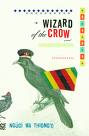
On the black woman. “I believe that black has been oppressed by white; female by male; peasant by landlord; and worker by lord of capital … the black female worker and peasant is the most oppressed. She is oppressed on account of her color like all black people in the world; she is oppressed on account of her gender like all women in the world; and she is exploited and oppressed on account of her class like all workers and peasants in the world. Three burdens she has to carry.” Wizard of the Crow
On unity. In A Grain of Wheat, Ngũgĩ stressed the importance of unity of resisting tyranny, “Our fathers fought bravely. But do you know the biggest weapon unleashed by the enemy against them? It was not the Maxim gun. It was division among them. Why? Because a people united in faith are stronger than the bomb.”
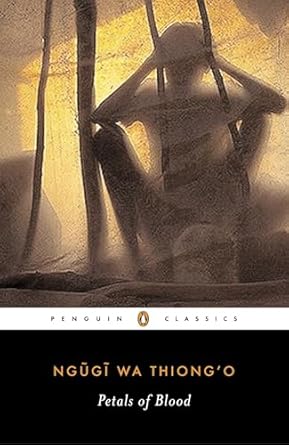
Like Sengat-Kuo in his poem “Ils sont venus“, Ngũgĩ highlighted in Petals of Blood the holy trinity of the Bible, the guns, and commerce to conquer and oppress Africans, “He carried the Bible; the soldier carried the gun; the administrator and the settler carried the coin. Christianity, Commerce, Civilization: the Bible, the Coin, the Gun: Holy Trinity.“
Language as a weapon. In his groundbreaking book Decolonising the Mind: The Politics of Language in African Literature, he championed the use of the mother tongue, arguing, “To speak one’s language is to celebrate one’s identity, … but to impose a language is a way to divide people – it is to practice tribalism of another kind.”
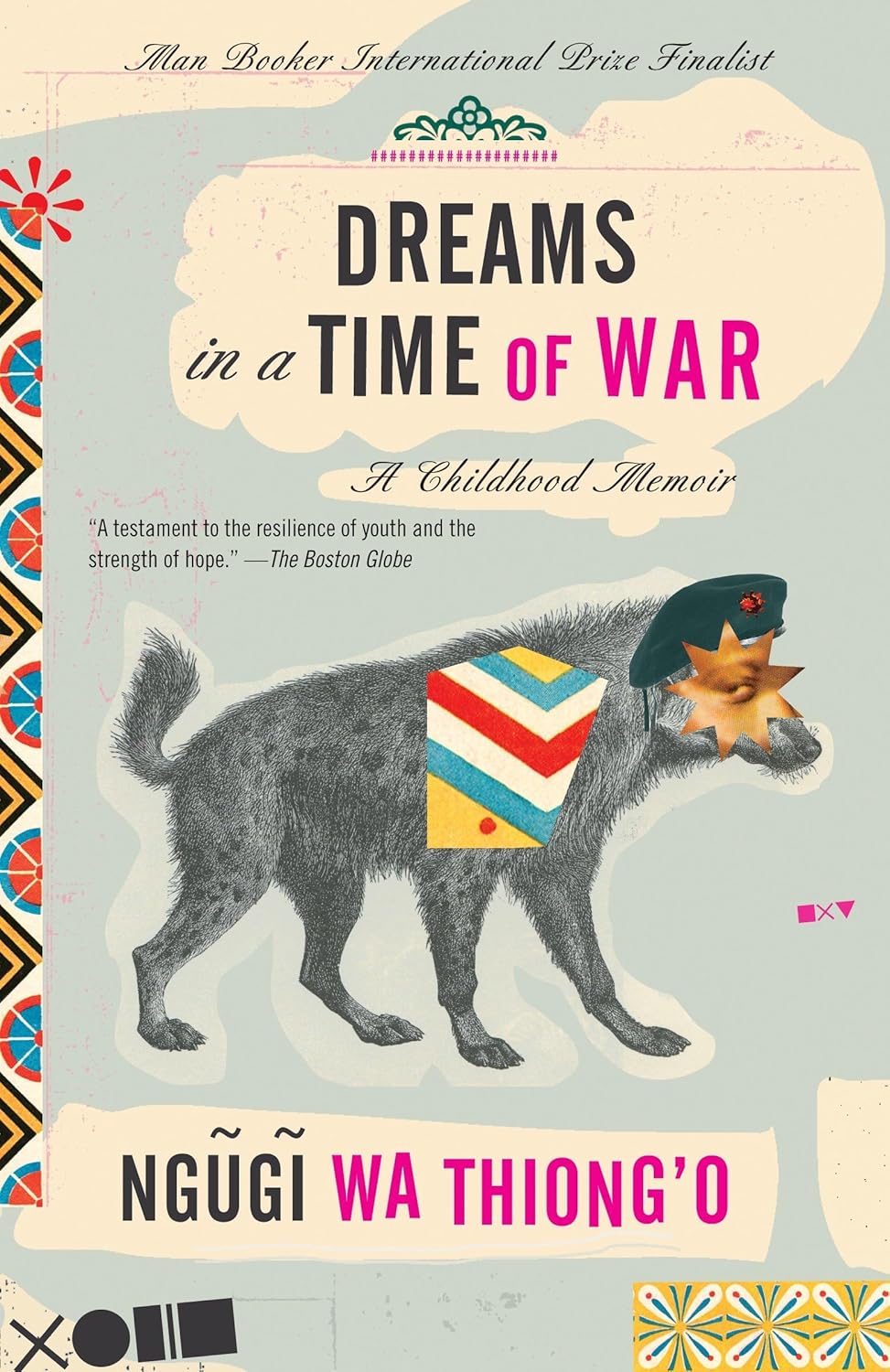
On Women condition. In Wizard of the Crow, Ngũgĩ said, “The condition of women in a nation is the real measure of its progress.“
On self-validation. in Dreams in a Time of War, he added “Belief in yourself is more important than endless worries of what others think of you. Value yourself and others will value you. Validation is best that comes from within.“











 African Heritage