African Wins at the Tokyo 2020 Olympics

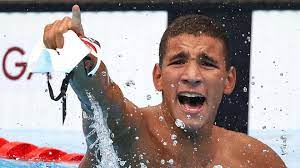
Ahmed Hafnaoui of Tunisia winning the Gold during the 400m freestyle at the Tokyo 2020 (Source: ca.sports.yahoo.com)

This week more history has been made for Africa at the Olympics. Records have been broken and Africans have responded present with strength.

Tunisia, with Ahmed Hafnaoui offered the African continent its first medal of the games, by winning gold in the 400m freestyle swimming. Then, Mohamed Khalil Jendoubi won silver in the Men’s 58kg Taekwondo.
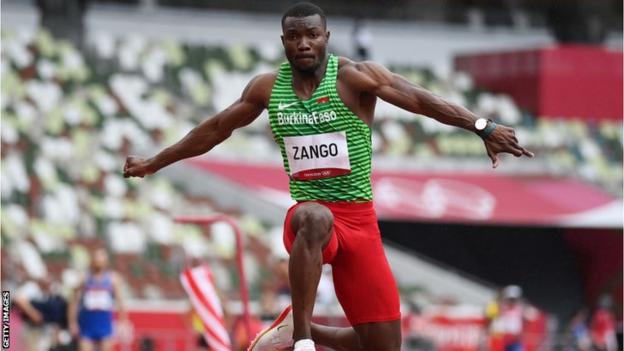
Hugues Fabrice Zango getting his triple jump (Source: bbc.co.uk)

Burkina Faso got its first ever medal since the creation of the Olympic games. Hugues Fabrice Zango won the bronze medal in the Men’s triple jump. It was really good to watch him, and I am proud for this son of the land of Thomas Sankara. Moreover, he won his medal, Burkina Faso’s medal on the 61st anniversary of the country’s independence (as you know most Francophone countries are not really independent from France because of the FCFA, but this is a story for another day).

Namibia Christine Mboma came back from behind to win silver in the Women’s 200m in front of some of the world’s best. Now remember that Christine Mboma and her compatriot Beatrice Masilingi were barred from running their favorite distance, 400m, just a month ago, and had to all of sudden readjust to run 200m. They were declared ineligible for the longer race because of a genetic condition that raises their testosterone levels. South African Caster Semenya, a two-time Olympic champion in the 800m (2016 and 2012), is the most famous DSD (difference in sexual development) athlete who has been stopped from running in Tokyo. All three 800m medallists at the 2016 Rio Olympics – Semenya, Burundi’s silver medallist Francine Niyonsaba and Kenyan bronze winner Margaret Wambui – were DSD athletes… I am not sure I understand the whole issue, because for me, I wonder how one can be born female and then one day some organization tells them that they are not female. I find it hard to fathom. So let’s see what will happen. Mboma is the first Namibian female to win an olympic medal… she is following in the tracks of the great Namibian athlete Frankie Fredericks (Frankie Fredericks: Sprinting to the Finish for Namibia).
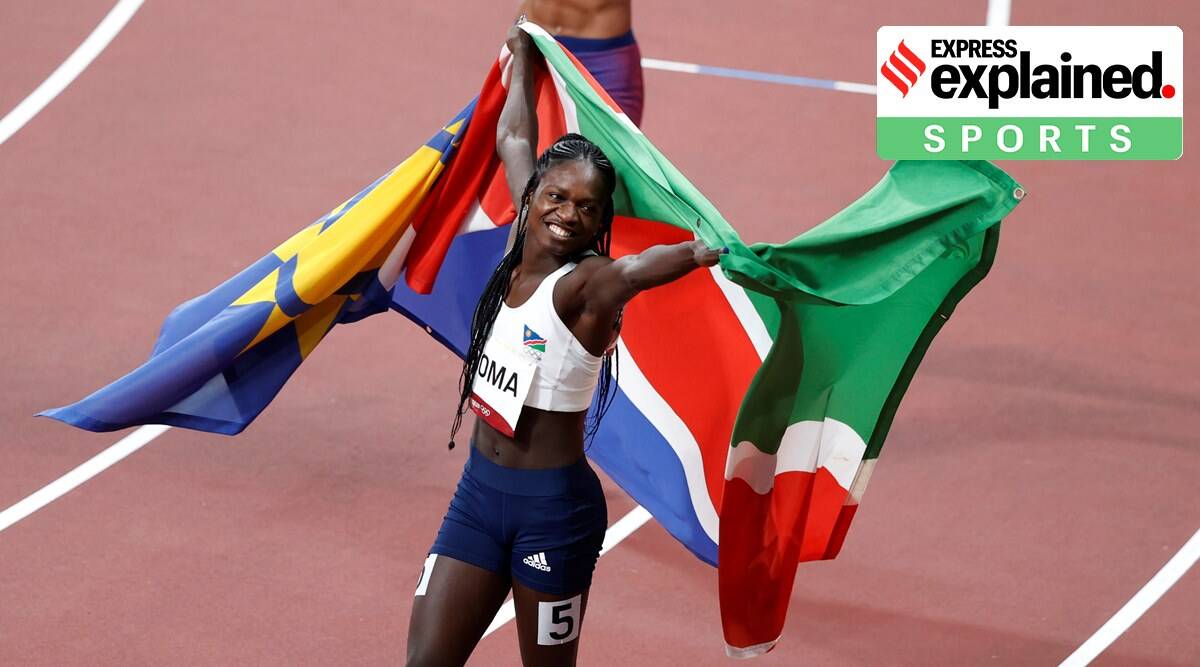
Christine Mboma of Namibia (Source: indianExpress)

Blessing Oborududu of Nigeria won Silver in the Women’s freestyle 68kg. Ese Brume did not disappoint and won Nigeria’s first medal of the Tokyo Olympic Games, taking bronze in the women’s long jump.

Ethiopia Selemon Barega gave Ethiopia its first Men’s 10,000m gold since Kenenisa Bekele in 2008. Lamecha Girma won silver in the Men’s 3000m steeplechase. Gudaf Tsegay won bronze in the Women’s 5000m race, while Letesenbet Gidey won the bronze medal in Women’s 10000m.

Uganda Joshua Cheptegei, the World champion and world record holder, ran a controlled race to take the men’s 5000m gold; last week, he had also won silver in the Men’s 10,000m. Jacob Kiplimo won the bronze medal in the Men’s 10,000m racePeruth Chemutai became the first Ugandan woman ever to win an Olympic gold medal on Wednesday – triumphing in the Women’s 3,000m steeplechase.
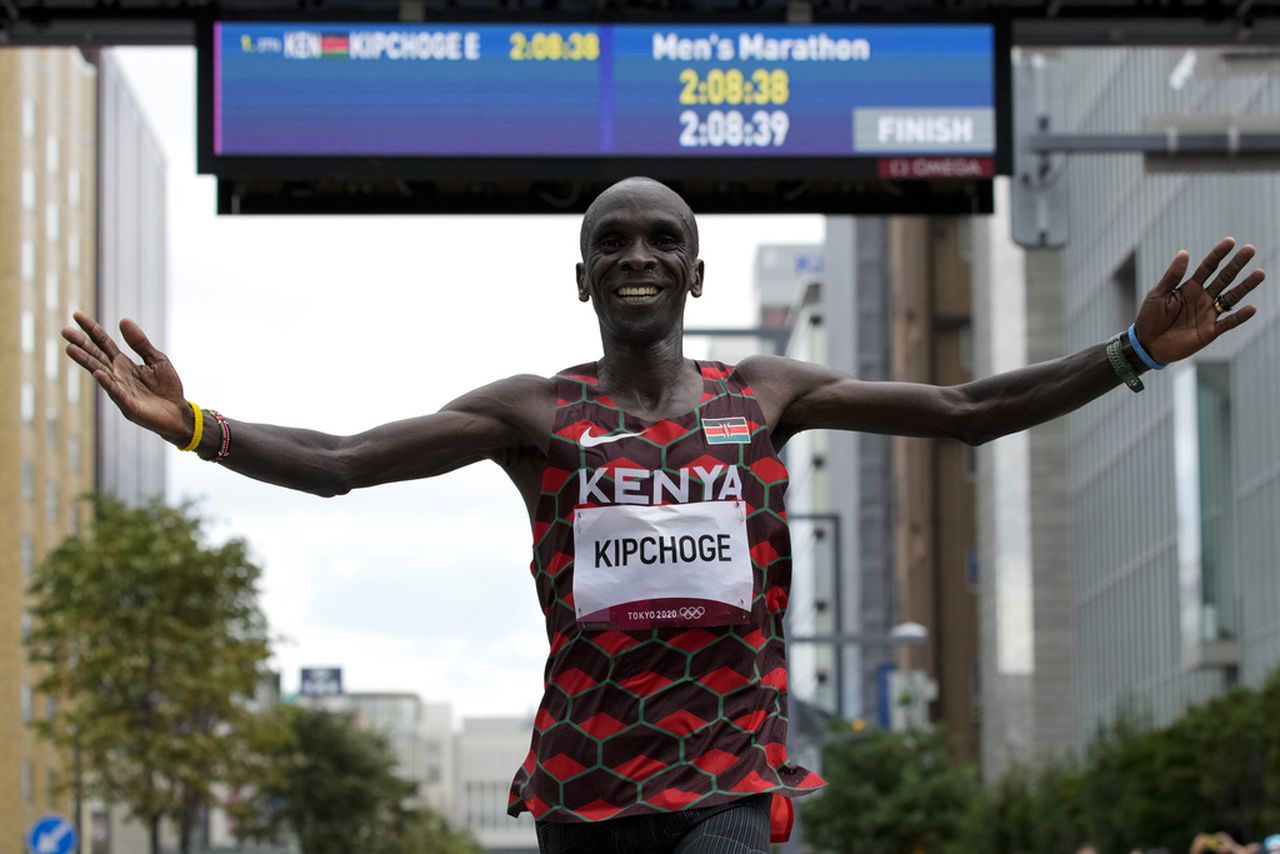
Eliud Kipchoge winning gold at the Men’s marathon (Source: OregonLive.com)

Kenya’s Faith Kipyegon, who had been training with legends like marathon world record holder Eliud Kipchoge thwarted World champion’s Sifan Hassan’s plans of winning a distance treble in Tokyo by retaining the women’s 1500m title by pulling ahead after the bell and winning gold. Her compatriot Peres Jepchirchir won the women’s marathon, defeating world record holder Brigid Kosgei  in the closing stages and winning in 2h27min20s, and Kosgei had to settle for silver. Hellen Obiri took home silver in Women’s 5,000m, while Hyvin Kiyeng won bronze in Women’s 3000m steeplechase. The men’s 800m gold went to Emmanuel Kipkurui Korir of Kenya, and his teammate Ferguson Rotich took silver. Timothy Cheruiyot took silver in the Men’s 1500m, while Compatriot Benjamin Kiven took bronze in the men’s 3000m steeplechase. Eliud Kipchoge successfully defended his olympic title at the marathon; he is only the 3rd person in the history of the games to win successive marathons.

South Africa’s Tatjana Schoenmaker won gold, and broke the Women’s 200m world record for breaststroke on Friday. This earned her a call from the President of South Africa, Cyril Ramaphosa, to congratulate her on her victory. Schoenmaker had previously won silver in the Women’s 100m breastrokes, while Bianca Buitendag took silver in surfing

Morocco’s Soufiane El Bakkali triumphed in the Olympic Men’s 3,000m steeplechase – ending Kenya’s 41-year unbeaten run on the distance.

Egypt’s Giana Farouk (Lotfy) won bronze in the Women’s kumite karate. Seif Eissa, Hedaya Malak, and Mohammed Elsayed Elsayed all won bronze medals in the Men’s 80kg taekwondo, Women’s 67kg taekwondo and Men’s 67kg Greco-Roman wrestling respectively.
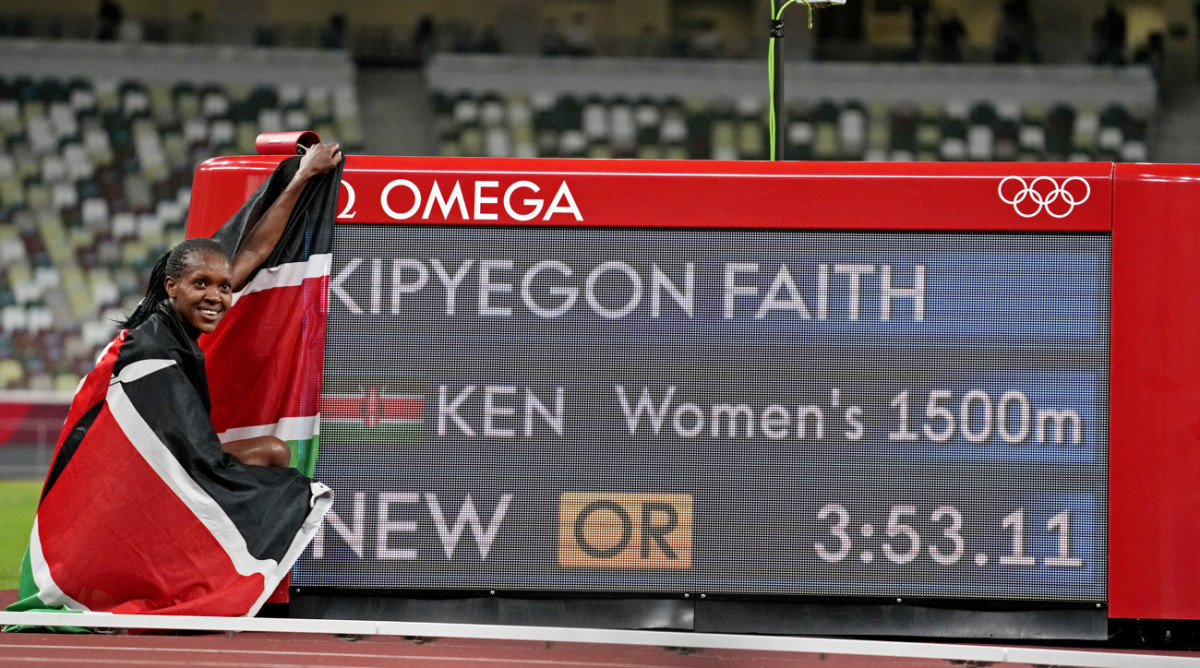
Faith Kipyegon winning the 1500m (Source: si.com)

Ruth Gbagbi of Cote d’Ivoire won bronze in the Women’s 67kg Taekwondo. She had won Bronze also in Rio 2016. Ghana also took home bronze in the Men’s Feather (52-57kg) boxing with Samuel Takyi.

Lastly, Team Botswana (Isaac Makwala, Baboloki Thebe, Zibane Ngozi, Bayapo Ndori) surprised everyone by giving a beautiful performance and winning the bronze amidst some of the world’s bests in the Men’s 4x400m relay.

Overall, it was a good game… As we turn the page of the Tokyo 2020 Olympics which took place in 2021, we do hope that the Paris 2024 Olympics will be better for Africa, and that the world will be in a better place.

“Chant Funèbre Bangou / Bangou Requiem” by Etienne Noumé

Dry your tears African

There has been so much loss this year that I thought to introduce you to the “Bangou Requiem,” a poem written by the Cameroonian poet and author Etienne Noumé. Bangou (pronounce Ban-gu in English) is a town in the Western province of Cameroon, and is part of the Bamiléké grassfields. Noumé’s description of his loss is so profound, and uses typical Bamileke imagery, “My body is numb… the palms have dried under the moonlight“, “My sun went down“, my joy, my everything, “ blown away by the wind.” It is hard to lose someone dear, especially one’s child. In Bamileke culture, the parent is supposed to bury his child and not the contrary, so you can imagine the heart wrenching pain… that numbs you. “The palms have dried under the moonlight“… think about it for a minute: … can a palm dry under the moonlight?… this is Bamileke imagery for you. “My reddened pot burst” my hope blown away in an instant, without any notice, the impossible has happened. This here is a Bangou Requiem, “Chant Funebre Bangou” by Etienne Noumé, first published in Angoisse quotidienne, Le Flambeau, Yaoundé, re-published in Anthologie Africaine: Poésie Vol2, Jacques Chevrier, Collection Monde Noir Poche, 1988, and translated to English by Dr. Y. Afrolegends.com . Enjoy!

=====

Chant funèbre Bangou


Mon corps est engourdi

et je me meurs de froid;

mon enfant est allé

couper du bois, hélas

et n’est pas revenu

Les palmes

ont séché

à la lueur

de la lune

Sur le foyer ardent

mon pot rougi éclate :

à l’aube au marigot

mon enfant est allé

et n’est pas revenu.

Les palmes

ont séché,

à la lueur

de la lune

Mon soleil s’est couché :

mon enfant est allé

derrière la colline

emporté par le vent

et n’en reviendra jamais plus

Les palmes

ont séché,

à la lueur

de la lune

Bangou Requiem


My body is numb

and I am dying of cold;

my child went

to cut wood, alas

and did not come back

the palms

have dried

under the

moonlight

On the fiery hearth

my reddened pot burst :

at dawn in the backwater

my child went

and did not come back.

The palms

have dried

under the

moonlight

My sun went down :

my child went

behind the hill

blown away by the wind

and will never come back

the palms

have dried

under the

moonlight


African Representation at the Tokyo 2020 Olympics

Ahmed Hafnaoui of Tunisia winning the Gold during the 400m freestyle at the Tokyo 2020 (Source: ca.sports.yahoo.com)

Africa is well-represented at the Tokyo olympics this year. Even though it has only been 5 days, Africans have already won quite a few medals, starting with a gold metal from the Tunisian Ahmed Hafnaoui in 400m freestyle swimming, and silver medals for South Africans Tatjana Schoenmaker and Bianca Buitendag in 100m breastrokes and surfing, and Mohamed Jendoubi of Tunisia in Taekwondo; while Ruth Gbagbi of Ivory Coast, Hedaya Wahba and Seif Eissa both of Egypt all took bronze in Taekwondo.

This year, five new events have been added: surfing (not sure how many countries play this sport to be at the Olympics?), sport climbing (what sort of climbing is this? I have climbed so many trees I should be an olympian), baseball/softball (how many countries actually have teams for these, except those influenced by the US?), skateboarding (Olympics sport?) and Karate (It’s about time – always wondered why this global discipline was not part of the Olympics anyways).

There are quite a lot African athletes participating at the 2021 Tokyo 2020 olympics. Below are a few to keep an eye out on :

Algeria: Taoufik Makhloufi (gold in London2012 and 2 silvers Rio2016)

Tokyo 2020 Olympics logo (Olympics.com)

Botswana:  London 2012 silver medalist Nijel Amos is highly anticipated

Burkina Faso Triple jumper Hugues Fabrice Zango,

Burundi: Francine Niyonsaba (Rio2016 silver 800m)

Cote d’Ivoire: Ruth Gbagbi (bronze at Rio 2016), Cheick Cisse (gold at the last Olympics – Ivory Coast’s first gold medal ever) in Taekwondo, and the amazing runner Marie-Josee Ta Lou.

Egypt: Azmy Mehelba in shooting, Giana Farouk in Karate, Seif Eissa (won bronze yesterday) in Taekwondo

Eritrea: Merhawi Kudus in cycling (Eritrea’s first participation in cycling)

Ethiopia’s star runners Letesenbet Gidey and Selemon Barega

Gambia: Gina Bass in running

Kenya: we are highly expecting the amazing Brigid Kosgei  and Eliud Kipchoge (marathon world-record holder, gold medal in Rio 2016), and Rio 2016 silver Javelin winner Julius Yego.

Morocco: Khadija Mardi in boxing, Ramzi Boukhiam in surfing

Mozambique: Deisy Nhaquile in sailing

Niger: Abdoulrazak Issoufou Alfaga (Rio 2016 Silver – Taekwondo)

Nigeria: the anticipated long jumper and runner Blessing Okagbare, and Ese Brume

Seychelles: Rodney Govinden in sailing (second participation for the Seychelles)

South Africa: the super star swimmer Chad Le Clos (2012 gold, 2 silvers in 2016), Akani Simbane in running, Caitlin Rooskrantz in gymnastics (first participation of South Africa), Tatjana Schoenmaker (swimming) and Bianca Buitendag (surfing), Erin Sterkenburg (surfing), Boipelo Awuah (skateboarding – she is the youngest African athlete at the Olympics this year)

Tunisia: Ons Jabeaur in Tennis, Ines Boubakri (2016 Rio bronze medal) in fencing, this year’s gold winner in 100m freestyle Ahmed Hafnaoui, and 2008 and 2012 Olympics gold medalist Oussama Mellouli (long-distance swimmer), Mohamed Jendoubi

Uganda: Runners Jacob Kiplimo and Joshua Cheptegei

Zimbabwe golfer Scott Vincent

Tunisian Swimmer, Ahmed Hafnaoui, wins shock swimming gold

Ahmed Hafnaoui of Tunisia winning the Gold during the 400m freestyle at the Tokyo 2020 (Source: ca.sports.yahoo.com)

The Olympic games, the 2020 games that were postponed to 2021 are currently under way in Japan. The event, Tokyo 2020 (not sure why it is still called Tokyo 2020, when it is taking place in 2021, but… hey I don’t make these rules) has started, with an African already taking home gold in… 400m freestyle. That’s right, 18-year old Tunisian swimmer Ahmed Hafnaoui won a shock gold medal in the men’s 400m freestyle on Sunday.

=====

He won from the outside lane after qualifying slowest, but finished with stunning pace to beat Australia’s Jack McLoughlin with a time of three minutes 43.36 seconds. “I just can’t believe it. It’s a dream and it became true. It was great, it was my best race ever,” said Hafnaoui.

It was Tunisia’s fifth ever gold – and third in swimming.

US swimmer Kieran Smith took bronze at the Tokyo Aquatics Centre.

Hafnaoui, son of former Tunisian national basketball player Mohamed Hafnaoui, competed in the 2018 Youth Olympic Games, finishing eighth in the 400m and seventh in the 800m.

Wood Carving in Africa: An Ancient Tradition

African wood carver_2
African wood carver at work

A friend of mine learnt to carve wood when he was a child. He made his very first wooden figurine at a tender age, it was the head of a woman with cornrow braids. He had a good teacher, and learnt to understand the art of being one with the wood, carving to perfection, and of course that it required a great deal of patience. He is from a long line of wood carvers. Wood carving, making a sculpture is a very refined art. Don’t be fooled, it is not just cutting the wood, thinking of a design, then chipping parts of it, and then carving… oh no… it is much more than that, it is an art, and I would even go further to say that it is a science. Wait, I am not talking about these modern sculptures where dimensions are not respected, and you wonder if the artist was on crack or something… No… I am talking about the great art of African sculptors. Just a look at Bamileke masks and sculptures, or Senufo masks, Shona sculptures, there is so much geometry involved. I have always balled at hearing people say that Africans were not advanced, or like Sarkozy that they have not entered enough into history… I have also heard people referring to these African artists as illiterate because they have not gone to the “white” man’s school… Have you looked at African sculptures? The Mwash-a-mbooy of the Kuba? or the Kuosi, Bapi, Katso, and other masks of the Bamileke? or the Ashanti stools? or Chokwe masks? and so many others?  Do you think that whoever made these is not versed in geometry, symmetry, and precision? Do you know how much details goes into making some of these? Isn’t it odd that these advanced sculptures of a so-called backward people are still in museums in Europe generating millions of dollars every year (and these museums are only making ‘promises’ of maybe returning)?

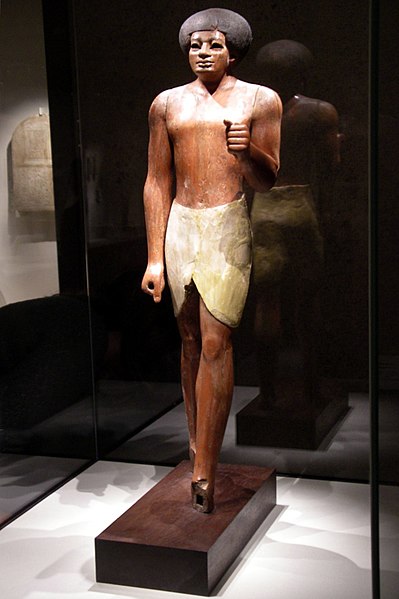
11th_Dynasty_Egyptian_funerary_statue_(Gulbenkian_Museum)
11th Dynasty Egyptian funerary statue (Gulbenkian Museum) – (Source: Commons Wikimedia)

Wood carving in Africa is a very old tradition, and wood carving was an integral part of Ancient Egypt (and these carvings and sculptures clearly show African features – some even wear the Afro) like the Ancient Egyptian priest Kaaper’s statue, and many more. Check out the link for Ancient Egyptian wood carving. In the Cairo museum in Egypt, there is a statue of a man from the period of the Great Pyramid of Giza, possibly 4000 B.C. The expression of the face and the realism of the carriage have never been surpassed by any Egyptian sculptor of this or any other period.

Not just any wood from any tree can be carved into x, y, or z; it requires knowledge of the type of wood. The African teak wood is frequently used, but other woods such as Ebony and others are also used for carving. The hard woods are used for sculptures, masks, doors, utensils, while the soft woods are used for drums. The video below follows modern wood carvers in Nigeria. Enjoy!

Proverbe sur la Gouvernance / Proverb on Governing

Main / hand

L’autorité est dans la main (Proverbe Tumbuka – Malawi, Tanzanie, Zambie). – La libéralité est le meilleur moyen de gouverner.

Authority is in the hand (Tumbuka proverb – Malawi, Tanzania, Zambia). – Liberality is the best way to govern

John Chilembwe on Why Africans should not be Fighting Europeans’ Wars

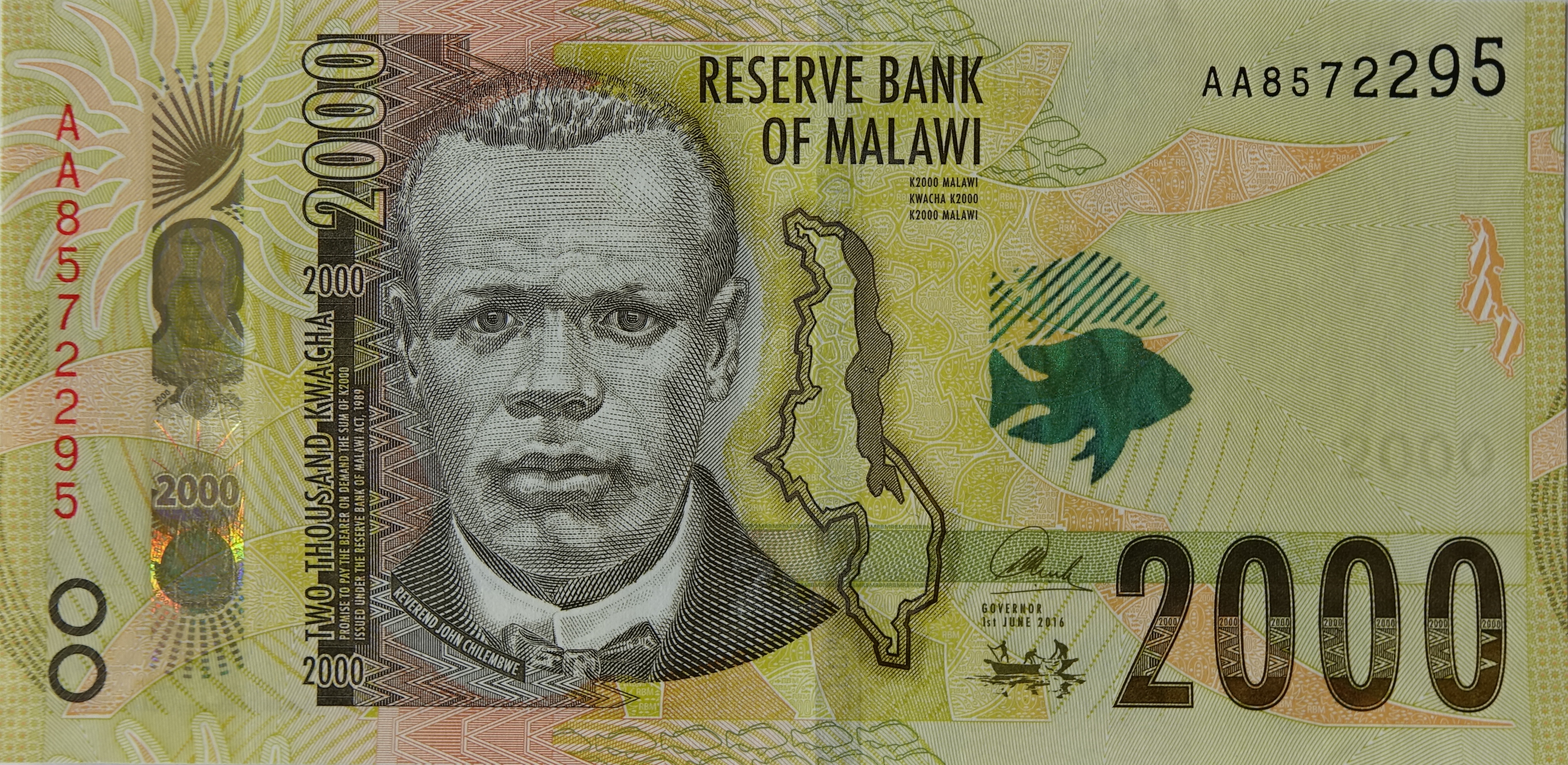
John Chilembwe on a 2000 Malawian Kwacha bill

As we have seen previously, during colonization, in Africa, African cities were segregated (European-Only Neighborhoods in African Cities before Independence); Europeans did not see Africans as equals and very often Africans were thrown into forced labor or subject to harsh treatments at the hand of the colonizers. Yet, when World wars I or II came in, suddenly Africans were sought to go fight in Europeans’ wars. As we saw again, upon their return, these men found that the conditions back home with the Europeans had not changed (Thiaroye: A French Massacre in Senegal‘Thiaroye Massacre’ by Ousmane Sembene); whereas during the war they were needed and on the battlefield they were seen as equal or rather as worthy of dying alongside Europeans or as cannon fodder, at home they were not even granted simple rights. One man, the great Pastor John Chilembwe of Nyasaland (modern-day Malawi), an early figure to the resistance against colonialism and a Malawian martyr stated at the end of 1914,

“…In times of peace, everything for Europeans only…But in time of war [we] are needed to share hardships and shed blood in equality…”

We understand that we have been invited to shed our innocent blood in this world’s war….[But] will there be any good prospects for the natives after…the war?” …. “We are imposed upon more than any other nationality under the sun.”

As you know, these wars did not only take place in Europe, but even in Africa where British were fighting Germans, etc, and once again Africans were recruited. Pastor Chilembwe opposed the recruitment of the Nyasan people to fight what he considered to be a war totally unconnected to them in neighboring Tanganyika (modern-day Tanzania) and beyond. In November 1914, following reports of large loss of life during fighting at Karonga, Chilembwe wrote a letter to The Nyasaland Times in Blantyre, explicitly appealing to the colonial authorities not to recruit black troops:

As I hear that, war has broken out between you and other nations, only whitemen, I request, therefore, not to recruit more of my countrymen, my brothers who do not know the cause of your fight, who indeed, have nothing to do with it … It is better to recruit white planters, traders, missionaries and other white settlers in the country, who are, indeed, of much value and who also know the cause of this war and have something to do with it … “

When Silence is Strength

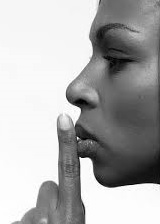
Silence

An eminent nobleman found one morning that his house had been broken into and all his belongings stolen.

Instead of sounding alarms, he gathered his wives and children in the courtyard, and without saying anything, took place in their midst, calmly smoking his pipe.

Towards the middle of the morning, two young men arrived. They found the family gathered in silence, and thinking that they were mourning the theft that they had perpetrated the night before, they spread in compassion:

  • We were out of the village for several days, said one to the nobleman. Back this morning, we were informed of what has happened to you, and we could not leave without coming to commiserate with you.

For all answer, he had them arrested and tied, before telling them what he had been victim of. The young men confessed.

It is since this story that there is an adage which says that we catch the animal by the paw and the man by the word.

Fables des Montagnes de Patrice Kayo, Collection Les CLES de l’avenir, Editions CLE, Yaounde, p. 39 (1998). Translated to English by Dr. Y.Afrolegends.com

La force de l’unité / The Strength of Unity / Nguvu ya Umoja

Aide-moi durant le déluge, et je t’aiderai durant la sécheresse (Proverbe Tanzanien)

Help me during the flood, and I will help you during the drought (Tanzanian proverb).

Nisaidie wakati wa mafuriko na nitakusaidia wakati wa ukame (Methali ya kitanzania).

More on King Mkwawa and The Return of His Skull to Tanzania

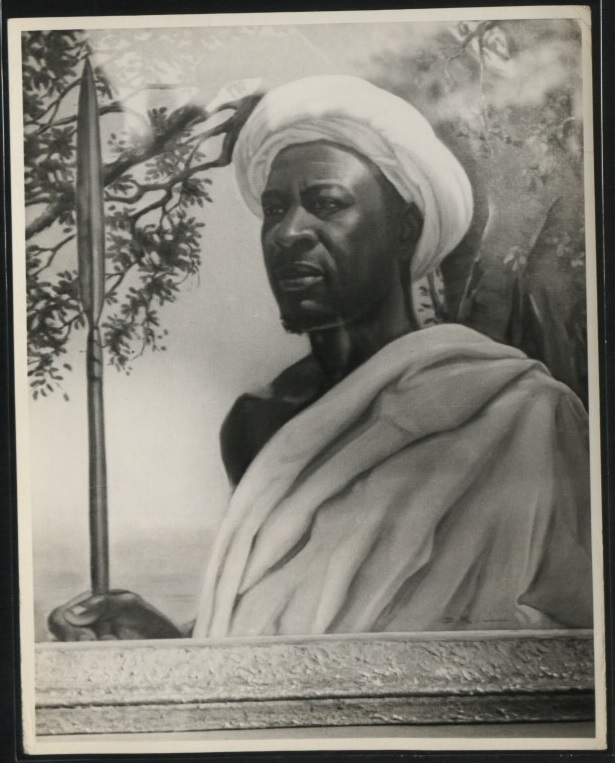
King Mkwawa

I still don’t understand how a people can hold onto another people’s ancestors’ skulls, refuse to return it, and talk of partnership, friendship, among the people. Isn’t it ludicrous? Many of our ancestors’ skulls are still in museums in Europe, and to this date, Europeans refuse to return them, yet they talk of partnership. The information below shows all the obstacles met to find King Mkwawa’s skull, a skull which was included in the Treaty of Versailles, and return it, … As you read about all the hurdles, you wonder how hard it will be for the regular commoners. The excerpts below are from the article written by Dr. J. Desplat at the National Archives. For the full article, please go to the The National Archives, and see some of the correspondence quoted here, as well as the ones mentioning that the skull was said to have magical powers..

As a reminder, King Mkwawa’s skull’s return (King Mkwawa and the First German Colonial Forces’ Defeat in Africa) was stipulated in the 1919 Treaty of Versailles:

ARTICLE 246. Within six months from the coming into force of the present Treaty, … Germany will hand over to His Britannic Majesty’s Government the skull of the Sultan Mkwawa which was removed from the Protectorate of German East Africa and taken to Germany.

====

King Mkwawa was the king of the Uhehe tribe in German East Africa (modern-day Tanzania), and was opposed to German rule. In 1895, he declared that ‘rather than submit to German rule he would fight them to the utmost limit, and rather than surrender he would die by his own gun’.

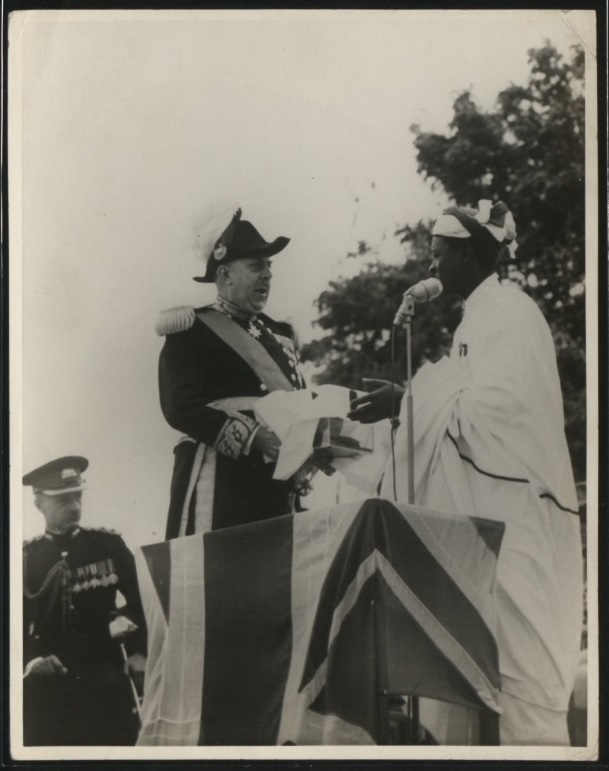
Sir Edward Twining returning King Mkwawa’s skull

In 1898, a bounty was placed on his head, which led to a manhunt. On 19 July, Sergeant Major Merkl and his party closed in on Mkwawa. Merkl reported that they heard a shot and hurried towards the camp, where they found ‘two natives lying down by the camp fire’. One of them was identified as Mkwawa himself. Merkl wrote: ‘I thought they were asleep, halted at about thirty yards and then fired. The bodies did not move. On reaching the spot, we found both men dead and cold (…). I ordered my askari to cut off Mkwawa’s head to take along to camp.’ (CO 822/770) …

[It took almost 40 years after the Treaty of Versailles to find the skull] … The [British] government of Tanganyika wasn’t too bothered. ‘This government does not now attach much importance to the question of Mkwawa’s skull’, they wrote, … The head mentioned was highly unlikely to be the right one as, by all accounts, it had been skeletonised rather than embalmed, but the German Foreign Ministry was asked to investigate again… The British embassy in Berlin commented: ‘it is of course possible that the German Government have made no very serious effort either to find out what truth there is in the story or to trace the skull.’ (CO 691/124/2)

… In January 1953, however, the German Foreign Ministry suddenly announced the skull might be among the large collection of the Museum für Völkerkunde in Bremen. As several skulls seemed to fit the description, they asked whether the skull had any marks by which it could be identified.

Twining [the Governor of TanganyikaSir Edward Twining] reported from Tanganyika that ‘nobody could be found still alive who remembered the Sultan’ (and if people had still been alive, they might have found it difficult to identify Mkwawa by simply looking at his skull anyway!) but Mkwawa’s cephalic index could be compared to that of his grandson Chief Adam Sapi, an apparently unusual 71%.

In June, Twining himself travelled to Bremen to identify the skull. Accompanied by the consul and the vice-consul, he went to the Museum.

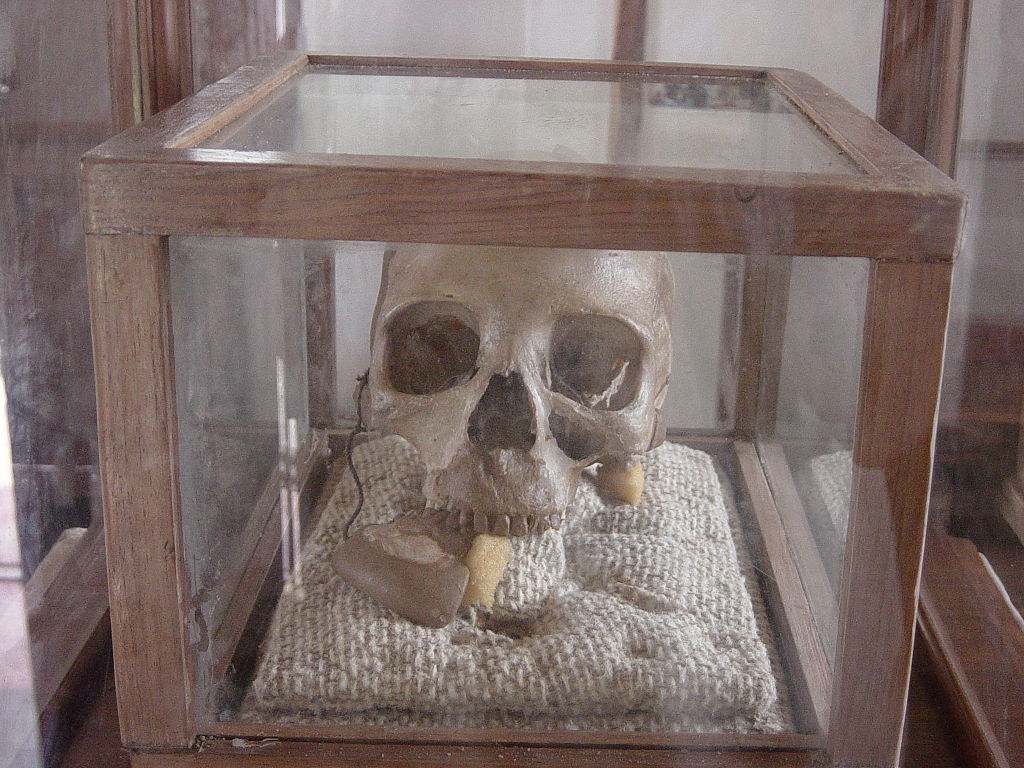
Skull on display at the Mkwawa Memorial Museum

They went to a storeroom where there was a large cupboard full of skulls, and it was arranged for those which had originated in German East Africa to be put together on a table and for their cephalic indexes to be measured. There were two in the 71 group which were selected, and one of these had a hole where a bullet had entered towards the back of the head and come out in front.’ (CO 822/566)

Twining had this skull examined by a German police surgeon who confirmed the hole was consistent with a 25mm rifle of the typed used by German troops in East Africa. Besides, Twining explained, ‘the skull was bleached, which probably happened when they boiled the meat off it’ – someone at the Colonial Office noted in the margin: ‘Ugh!’

[On the return trip], Twining’s irritation might actually have been due to the skull itself which ‘continued to behave very badly’[it was reportedly said to have magical powers]. He reported: We had a series of mishaps which cannot otherwise be accounted for. Our poor old Bandmaster, Gulab Singh, died on the train. My A.D.C. collected a sinus and had to go to hospital. The head boy had a soda water bottle burst in his face, and the cook was struck in the face by a flying saucer. We all got hay fever and we all got very irritable!(CO 822/770)