
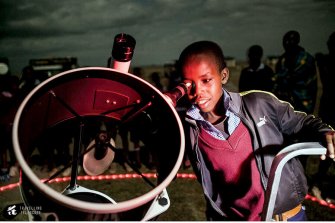
Have you ever stared at the sky wondering what each constellation is? or whether you can see the surface of the moon? or other galaxies? I am sure many African children, and children everywhere have spent countless hours staring at the night sky trying to pierce its secrets, but very few will ever get the chance to look through a telescope. One organization which I have recently been introduced to, the Travelling Telescope, wants to change that. Any person in love with astronomy appreciates the value of a telescope, and will definitely love the idea. Based in Kenya, the Travelling Telescope is an organization which focuses on empowering youths and is dedicated to social change via the use of astronomy. It offers astronomy entertaining and educational tools and is the only astronomy company in the Eastern African region. The vision came to founder, Susan Murabana, when she met her now husband during a solar eclipse; their love gave birth to the Travelling Telescope – a gathering place for people to look through a telescope and observe the wonders of the night sky.
The BBC did a podcast on the Travelling Telescope, as well as Lessons in awe and wonder from Kenya’s Travelling Telescope from the Christian Science Monitor. The article from the Monitor – The Travelling Telescope brings stars to students is pretty good as well. Excerpts below are from Lessons in awe and wonder from Kenya’s Travelling Telescope.
=====
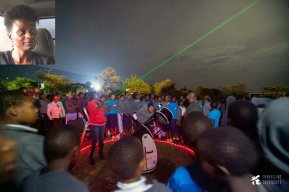
After watching a solar eclipse together in 2013, Susan Murabana and her partner, Chu Owen, hatched a plan to share the night skies with Kenyan schoolchildren.
They bought a big, 12-inch optical telescope and started an astronomy business: The Travelling Telescope. They’ve reached more than 200,000 kids. They charge Kenya’s wealthier private schools and safari lodges for astronomy lessons so that they can freely share the telescope and a portable planetarium with public-school children.
As they peer at the objects in our solar system, they hope to awaken a deeper sense of what makes this planet so special.
“Yes, we want to get more astronomers. That would be good,” says Ms. Murabana. “But more than that, we want … the next generation of leaders and scientists – who will be in charge of our planet – to be more kind and make better decisions about our home.”
…








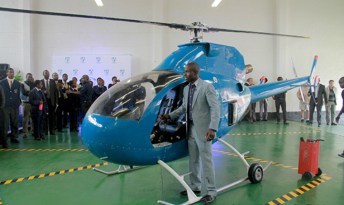
 In recent weeks, we have all felt the effects of the war in Ukraine, particularly at the gas pump. Prices keep going up everyday, forcing many to either stop driving, start biking, use public transportation, or switch to electric or hybrid vehicles when possible. The gas prices unfortunately affect almost everything else, such as the cost of food, given that it costs more to transport from the place of production to the stores. Today, we will highlight two African inventors who have been working on energy alternatives for quite a while now, but have now come to the forefront thanks to the crisis in Ukraine.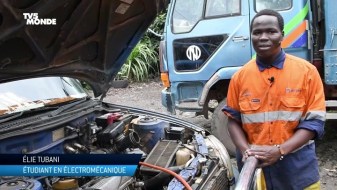

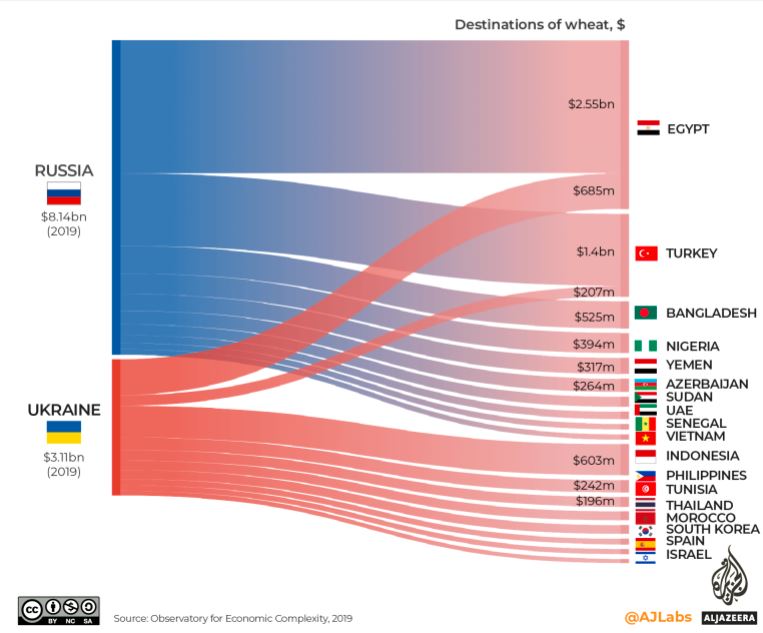

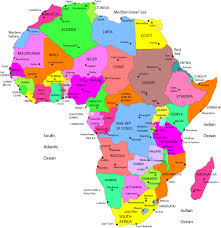 There has been recent news of European nations turning to Africa to meet their energetic needs because of the sanctions they have placed on Russia, and to reduce their reliance on Russia. Although we should applaud their sudden remembrance of African countries, it is still important to note that they turn to Africa because they can just pay peanuts compared to Russia, and the fact that Africa has so many little-little countries, Europeans can impose their own prize, or threaten them with never-ending debts inherited from colonial times. Thus, the reason they could afford to place Russia under sanctions that have proven in the past to never work.











 African Heritage