Germany Matches DNA from African Skulls looted during Colonial Era

Flag of Tanzania

Authorities of the SPK Museum, Berlin’s Museum of Prehistory and Early History, have announced this week that they have been able to trace living relatives to ancient skulls pillaged by German forces in East Africa during the colonial era, using DNA analysis.
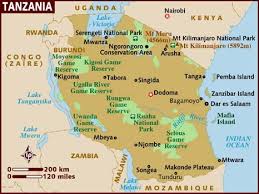
Map of Tanzania

This is no easy fit, and the museum’s director has lauded it as a “small miracle.” Why? Well because from a study of at least 1,100 skulls found in the 7,700 skulls collection acquired from the Berlin’s Charité Hospital Museum, SPK museum researchers were able to gather enough information on 8 skulls to make a search for specific descendants. A complete genetic match was established between one of the skulls and a man still alive today. The clue: a single word inscribed on the skull “Akida,” who is believed to have been a high-ranking advisor to Mangi Meli, a ruler of the Chagga people in the 1890s in the Kilimanjaro Region of Tanzania. It is no secret the fate that this advisor must have found, given that Mangi Meli was hanged and decapitated by the Germans for leading an uprising against German invaders in 1900, along with 19 other Chagga, Meru, and Arusha leaders; one can only guess that the Akida must have been hanged with King Meli. This raises an important question: where are the skulls of Mangi Meli, and the other Chagga, Meru, and Arusha leaders? We all remember that King Mkwawa’s skull was part of the Treaty of Versailles’s negotiation; so it will be no surprise that other kings’ skulls are found somewhere in the basements of German museums.
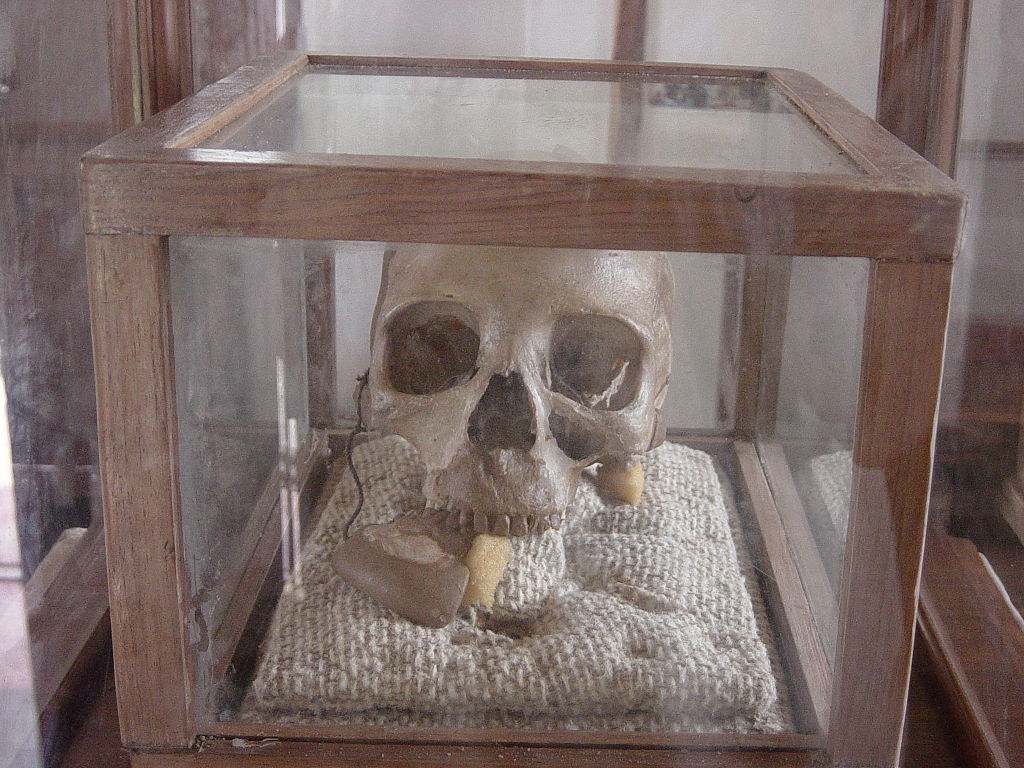
Skull of King Mkwawa

The SPK collection is controversial because of its origins: at the end of the 19th century and the beginning of the 20th century, the German empire took thousands of skulls from its colonies for research into racial classification, many of the skulls were from colonial victims, and part of loots. I still have a hard time understanding why, as part of a loot, invaders will take skulls of the defeated, unless it is for more than just a racial study? A few years ago, the SPK returned 20 skulls to Namibia; those skulls were thought to belong the Nama and Herero tribes who suffered a genocide at the hands of Germans at the beginning of the 20th century (Germany Returns Skulls of Namibians Genocide Victims, the first genocide of the 20th century).

Excerpts below are from DW. Enjoy!

=====

Flag of German East Africa

A Berlin museum said on Tuesday it had established a clear link between three skulls taken to Germany during the colonial era and living relatives in Tanzania.

The German capital’s Museum of Prehistory and Early History carried out DNA analysis on hundreds of skulls with the aim of returning the remains to descendants.

Berlin’s SPK museum authority said in a statement that it was the first time that DNA research had provided a clear link between such remains and living descendants.

The relatives and the government of Tanzania will now be informed as soon as possible,” the statement said.

… Museum researchers gathered enough information on eight of the skulls to make a search for specific descendants viable, the SPK said. Saliva samples were taken from possible descendants.

A complete genetic match for one of the skulls was found with a man still alive today.

The skull was marked with the title “Akida” which already indicated that it belonged to a known senior adviser to Mangi Meli (1866-1900), a powerful leader of the Chagga people.

Niger – France Diplomatic Arm Wrestling

Flag of Niger

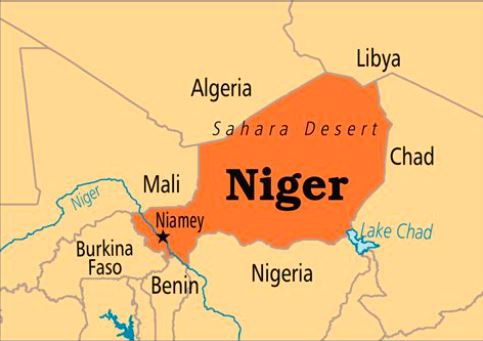
A lot of events have happened in Niger in recent days. On August 26, Niger’s government asked the French ambassador to join them for talks like they do with all diplomatic representations in their country. France refused and said that they could not talk to a junta, as they only recognized the fallen president Bazoum as an interlocutor. Niger’s authorities then gave the French ambassador, Sylvain Itte, 48 hours to leave their country given that France does not recognize them on their own soil. The Quai d’Orsay (France) said that their ambassador will not leave Niger, stating that it doesn’t recognize the coup-plotters as the country’s legitimate leaders, and said Thursday August 31, that their ambassador remains in place despite the expulsion threats (France defies Niger’s ultimatum). Imagine the arrogance: you are in my house, I ask you to leave, and you refuse to leave, claiming that I have no authority in my house!

Map of Niger

Niger’s authorities have now revoked the diplomatic immunity of France‘s ambassador and ordered the police to expel him from the West African country, according to a statement from the military regime. The communique sent by Niger’s Ministry of Foreign Affairs on Thursday said Itte “no longer enjoys the privileges and immunities attached to his status as a member of the diplomatic staff of the embassy.” The document also says the diplomatic cards and visas of the ambassador’s families have been canceled. The Niger government also cut electricity and water from the embassy. Furthermore, they have posted police and military outside the embassy to check every car that goes in and out of the embassy. If the ambassador and his family are found anywhere outside of the embassy, they are considered persona non grata and will be deported immediately.

Many believe that France is taunting Niger: given that the French embassy (as any diplomatic representation) is considered French soil in Niger, attacking it to remove the French ambassador will be seen as an act of war against France, and will thus give France the full rights to bomb Niger; after all, it is no secret that France has a French military base in Niger with about 1500 soldiers.

Over the weekend, thousands of people have rallied in Niamey, the capital, to demand that France withdraw its ambassador and troops from the West African country as its new military rulers have accused the former colonial power of “interference”. They have now laid siege over the French military bases in Niamey and Zinder, asking for France to leave their country.

Do you see France’s double standard? In Niger, France calls the military who took over the power, “junta“, “putschists“, “coup-plotters“, “mutinous soldiers“, and refuse to recognize their authority even though they are supported by the population; yet in Gabon, France and all western media call the military who deposed the president, the “new president“, “new Head of state“, “new government“. Isn’t it clear to all, which country is really having a revolution for the good of the people?

Proverbe sur un piège? / Proverb on a Trap ?

Elephant

Un piège qui prend le rat, n’attrape pas l’éléphant (Proverbe Pygmées, Fang – Cameroun, Gabon, Centrafrique, Congo). – Une petite palabre ne cause pas de tort au grand chef.

A trap that captures a rat, cannot catch an elephant (Pygmy, Fang proverb – Cameroon, Gabon, Central African Republic, Congo). – A little quarrel does not harm the great chief.

Is the Wind of Change blowing in Gabon too?

Flag of Gabon

On August 30, 2023, we all woke up to a coup d’etat in Gabon by the army. The military took over, and cancelled the results of Saturday’s election in which Mr. Ali Bongo was declared winner the night before on August 29, but the opposition led by Albert Ondo Ossa claimed it was a fraudulent election. In an announcement on Gabon’s state TV on Wednesday, the coup leaders said their republican guard chief, General Brice Clotaire Oligui Nguema, had been “unanimously” designated president of a transitional committee to lead the country. Note that Oligui is a cousin of Bongo and used to be the bodyguard of Bongo’s father, the late President Omar Bongo. He was also head of the secret service in 2019 before becoming head of the republican guard.

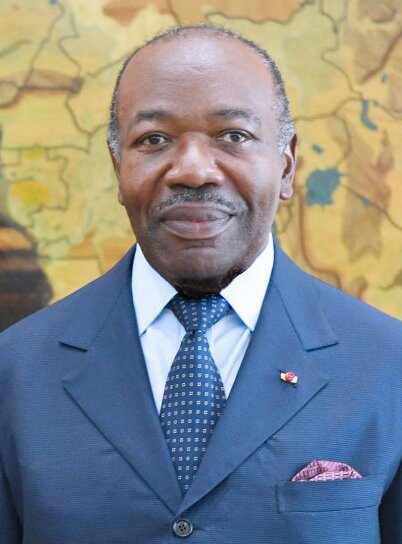
President Ali Bongo

This coup puts an end to 56 years of the Bongo dynasty. Ali Bongo came to power at the end of his father Omar Bongo‘s 42 years in power from 1967 to 2009. Bongo son, Ali, ruled the country for 14 years, and although he had suffered a stroke in 2018, he was vying for a third term in office during these past elections. After his stroke, television appearances had shown him leaning heavily on a silver-topped cane. He had appeared healthier during the latest election when he was again declared victor – until military officers stepped in. Oil-rich Gabon has been known as the piece de resistance of France in the entire central African region.

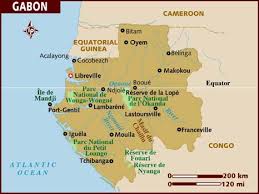
Map of Gabon

Many who have heard news of the coup in Gabon, which puts an end to 56 years of one family treacherous rule, popped bottles of champagne, and rightfully so. This coup comes on the heels of the one in Niger last month on 26 July 2023, and we cannot help but rejoice and long for genuine change. Is the wind of change really blowing in Gabon as well? or is it simply France understanding that given the current anti-French climate in Africa, and in order to keep control over their biggest cow in the Francafrique’s chessboard, understanding that the people of Gabon had had enough of Ali Bongo, and not trusting that they could control the opposition guy who had been voted by the people, chose to place their very own puppet instead? After all, the day after controversial elections, if the military is there to defend the democracy of the country as they claimed in their speech, why not have votes recounted? Why not have the election results reversed since the people selected Ossa to lead them? Why hold Bongo and son under house arrest, but release the first lady (who is French), Sylvia Bongo Ondimba, who, as everybody knows has been the one leading the country since her husband’s stroke in 2018? Lastly, the new leader is a cousin of Bongo: are we going to have a similar scenario to David Dacko-Jean-Bedel Bokassa of Central African Republic (CAR)?

Upcoming days will tell us which way this wind is blowing. 

To read more, check out this article “A ‘Coup’ in Gabon: Who, What, and Why?” on Al Jazeera.

Africa made us Proud at the 2023 World Athletics Championships in Budapest

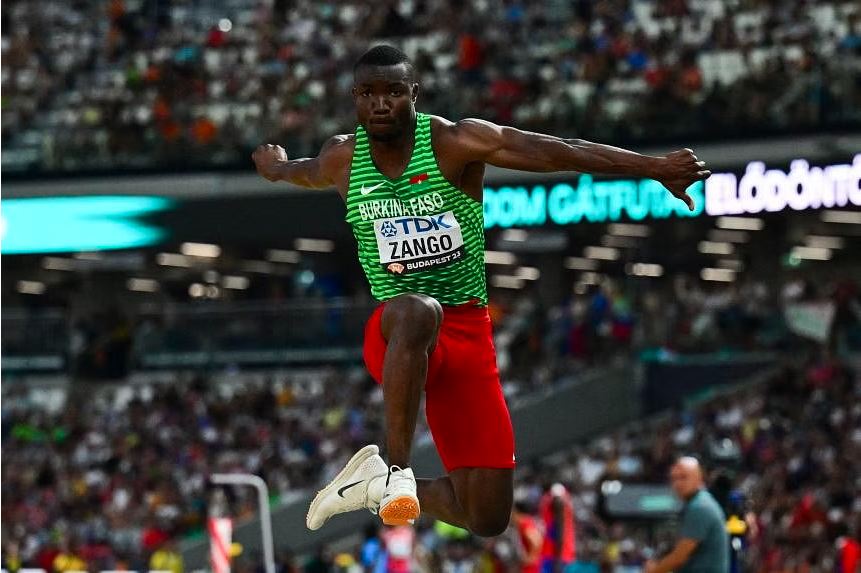
Hugues Fabrice Zango (Source: The Straits Times, AFP)

Over the past few days, Africans have made us proud at the 2023 World Athletics Championships which took place in Budapest, Hungary. There were so many outstanding contributions, and amazing firsts.

The list starts with our brother Hugues Fabrice Zango of Burkina Faso who dominated the field and took home the gold medal in the men’s triple jump. This is his country’s first gold at the World Championships. Zango has consistently improved over the years from bronze at the 2021 Tokyo Olympics, to silver at the Eugene 2022 World Championships, to now gold. When interviewed, he said, “I am proud to be the man who keeps his word. I promised to make history and I did it tonightWe have some troubles in our country now and it is an incredible mission to bring some positive emotions to them.” Keep it up brother, we are so proud of you!

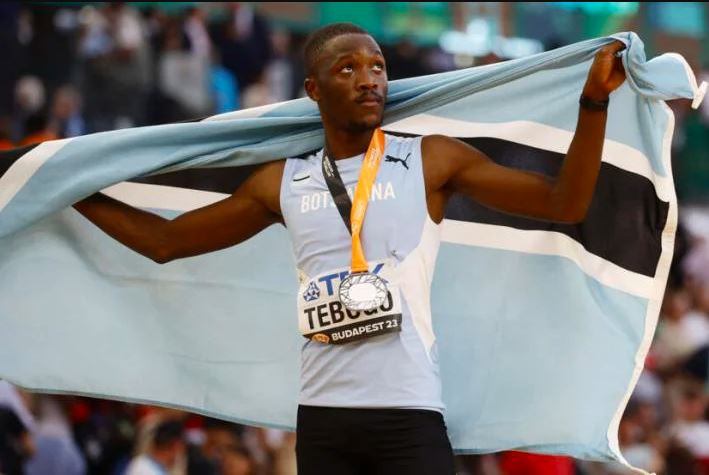
Letsile Tebogo (Source: SportNewsAfrica)

Letsile Tebogo of Botswana made us proud by becoming the first African to win a silver medal at the World Championships ever in the men’s 100 m, and a bronze medal in the 200 m. In events dominated by Americans and Jamaicans, brother Tebogo showed that Africans should not be counted out.

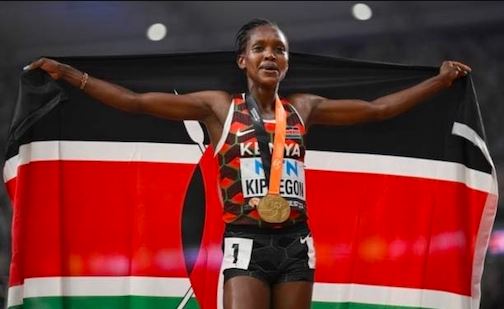
Faith Kipyegon (Source: StarConnectMedia)

We held onto Faith, and Faith Kipyegon of Kenya delivered! There isn’t another athlete as consistently dominant over such a range as Kipyegon. She won gold medals in the women’s 1,500 m and 5,000 m in Budapest, capping a year in which she obliterated world records at 1,500 meters, the mile and 5,000 meters in the span of seven weeks this summer. Her compatriot Beatrice Chebet took silver in the women’s 5000 m; while Jacob Krop took home the bronze medal in the men’s 5000 m. Ethiopia‘s Diribe Welteji took home the silver medal over the women’s 1,500 m distance behind Faith.

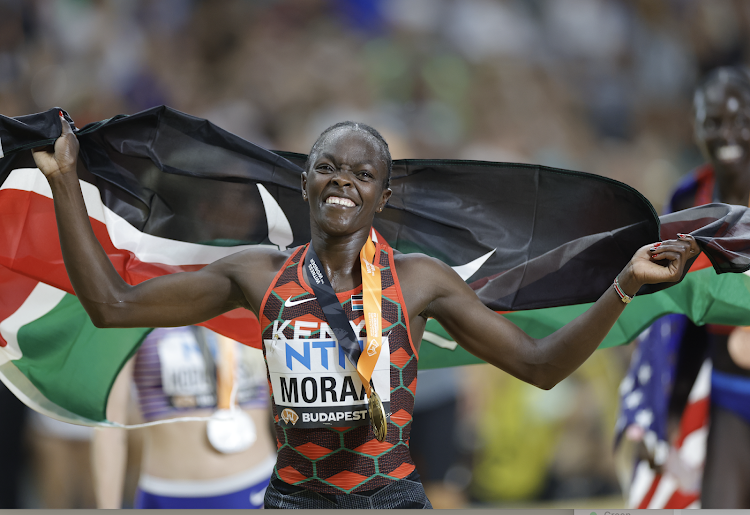
Mary Moraa (Source: The Star Kenya)

Kenya Mary Moraa won gold in women’s 800 m defeating favorite Athing Mu of the USA… this has been a long time coming since the Mozambican Maria Mutola, and South African Caster Semenya. Her compatriot Emmanuel Wanyonyi took silver in the men’s 800m.

In the 3000 m steeplechase, the Kenyan women Beatrice Chepkoech and Faith Cherotich took home the silver and bronze medals respectively in the women’s event; while their countryman Abraham Kibiwot took home the bronze in the men’s event. Morocco Soufiane El Bakkali, the Olympic gold winner over the distance, took home the gold medal in the men’s event, while Ethiopia Lamecha Girma took home the silver.

Ladies Gudaf Tsegay, Letesenbet Gidey, and Ejgayehu Taye of Ethiopia dominated their events to give us a trio winning gold, silver, and bronze medals respectively in the women’s 10,000 m. Their compatriot Selemon Barega won bronze in the men’s 10,000 m. Uganda‘s Joshua Cheptegei dominated the men’s event taking home the gold medal, while Kenya’s Daniel Simiu Ebenyo took silver.

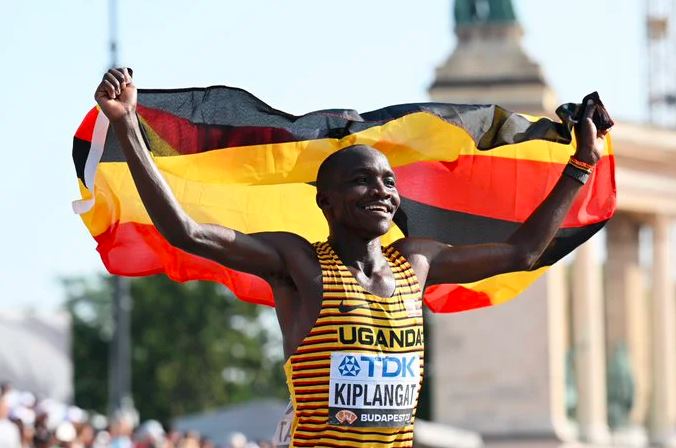
Victor Kiplangat (Source: The Africa)

Ethiopia Amane Beriso Shankule and Gotytom Gebreslase won gold and silver respectively in the women’s marathon; they were followed by Fatima Ezzahra Gardadi of Morocco with the bronze medal. Shankule’s countryman Leul Gebresilase took home bronze in the men’s marathon. Uganda‘s Victor Kiplangat was victorious, taking home the gold medal in the men’s marathon.

Diriger n’est pas facile / Leadership is not Easy

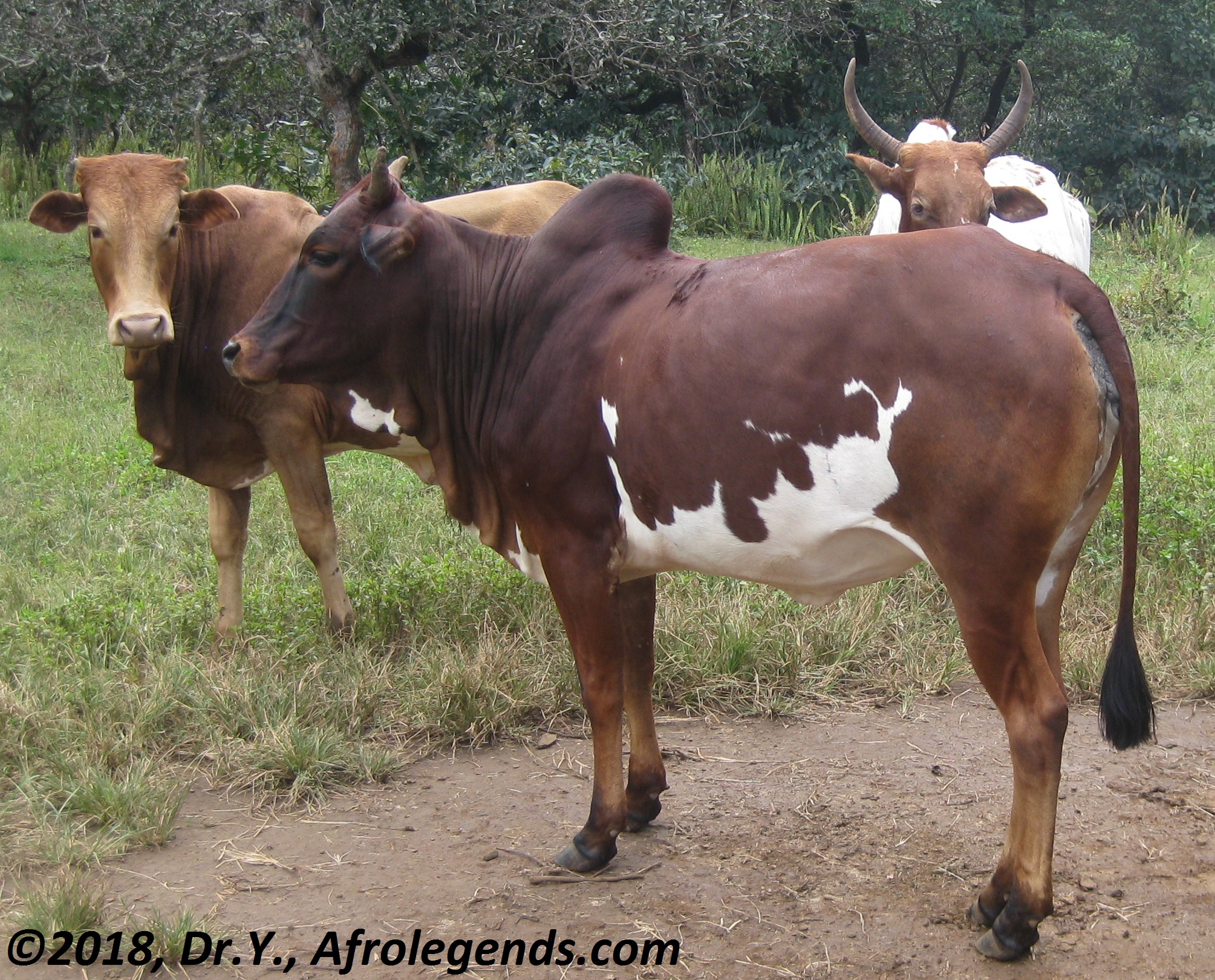
Vaches / Cows

La vache qui est à la tête du troupeau est celle qui est le plus fouettée (proverbe Zulu – Afrique du Sud, Zimbabwe, Lesotho, Eswatini).

The lead cow (the one in front) gets whipped the most (Zulu proverb – South Africa, Zimbabwe, Lesotho, Eswatini).

The Lithium of Zimbabwe

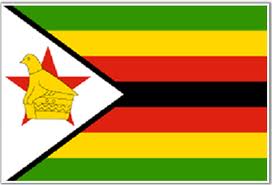
Flag of Zimbabwe
Flag of Zimbabwe

Big deposits of lithium found in Zimbabwe has made it Africa’s largest lithium reserve. It is no secret that there have been big efforts worldwide to develop renewable energy sources, thus leading to a growing demand for batteries to supply the car industry as there is a push for electric vehicles. Zimbabwe hopes to become one of the world’s largest exporters of lithium. In July of this year, a Chinese mining company completed the $300m construction of a lithium mine in Zimbabwe. Presidential elections which will take place this month will determine the future of Zimbabwe’s resources.

To cash in on the global demand, Zimbabwe last year banned the export of raw lithium ore. In doing so, it joined countries like Indonesia and Chile that are trying to maximize their return on deposits of lithium, cobalt and nickel by requiring miners to invest locally in refining and processing before they can export. Let’s hope that these resources will actually help Zimbabweans and not line up the pockets of Mnangagwa and cronies.

Excerpts below are from Reuters. The BBC made a video about Zimbabwe becoming the new Lithium Valley of the world.

=====

Lithium

Chinese investors racing to secure lithium supplies could help Zimbabwe rise to become the world’s fifth biggest primary producer of the material that’s vital to battery electric vehicles and the green revolution, mining consultancy CRU said.

The lithium industry in Africa’s top producer has rapidly expanded, buoyed by about $1 billion of investments during the past two years by Chinese companies including Zhejiang Huayou Cobalt (603799.SS), Sinomine Resource Group (002738.SZ), Chengxin Lithium Group (002240.SZ) and Yahua Group (002497.SZ).

… The investments could boost capacity to 192,000 tons of lithium carbonate equivalent (LCE) per year of petalite and spodumene in 2027, from 13,000 tons per year LCE in 2022, Cameron Hughes, a battery markets analyst at CRU said in a report.

These investments will place Zimbabwe as the fifth largest primary producer of lithium by 2025, after Argentina, contributing more than either Canada or Brazil,” Hughes said.

African Joke: New Creature

Beer

The pastor baptized Yao Koffi Kan by dumping his head in the water three times. After the 3rd time, he says: “You are now baptized, you are now a new creature; your old creature is dead. No more alcohol. Your new name is DAVID.”

David returns home and goes to the fridge, takes a cold beer, dips it in water 3 times ploo, ploo, ploo… and says: “you are now a new creature, your old creature is gone, your new name is ORANGE JUICE.

The original in French is found on Nouchi.com . Adapted and Translated to English by Dr. Y. Afrolegends.com

All Eyes on Niger

Map of Niger

We cannot repeat it enough! All eyes are on Niger, particularly after ECOWAS decided to follow Ouattara who urged for a military intervention, and brought in the African Union with Moussa Faki who authorized the use of military in Niger.

ECOWAS Logo

Can we really be surprised by Ouattara who was installed in Côte d’Ivoire by France’s canons and military joined with the UN? After the ECOWAS meeting last week, Côte d’Ivoire’s president, Alassane Ouattara, said his country would take part in the military operation, along with Nigeria and Benin. “Ivory Coast will provide a battalion and has made all the financial arrangements … We are determined to install Bazoum [prior Niger president and France’s puppet] in his position. Our objective is peace and stability in the sub-region,” Ouattara said on state television. The ECOWAS bloc decided last Friday to deploy a “standby force” aimed at restoring constitutional order in Niger after its Sunday deadline to reinstate ousted President Mohamed Bazoum expired. To this, Niger responded by recalling its diplomatic envoy to Côte d’Ivoire.

The African Union (AU) has called for an urgent intervention in Niger to reinstate President Mohamed Bazoum to power. In a statement issued in support of resolutions by ECOWAS, AU Commission Chairperson Moussa Faki (another puppet) said the international community must act to stop an anti-constitutional change in Niger. “The Chairperson calls on the entire international community to unite efforts to save the moral and physical integrity of President Mohamed Bazoum,” Faki’s office said on Friday.

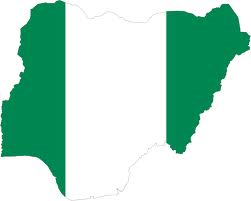
Flag and map of Nigeria

Isn’t it crazy that the AU does not think that the embargo on medical supplies to the whole country of Niger is a problem? Isn’t it surprising that the AU has no voice when it comes to defending Africans from foreign interventions on African soil, but is always on the wrong side of history against Africans?

Now, the newly appointed Niger’s prime minister is in Chad for peace talks. Northern Nigeria’s religious and political leaders are also making considerable efforts for a peaceful resolution of the situation. Similarly, the religious leaders of Togo have asked for a removal of all ECOWAS sanctions against Niger which will then allow for more peaceful talks. Religious and political leaders of Benin and Togo have warned their presidents against any military interventions in Niger, interventions that serve the West. That is why Ouattara had to call on the African Union (AU) trying to find mercenaries from other African countries (not neighboring ones – ECOWAS region) who would not feel so strongly against an intervention in Niger, or have brotherly links that extend beyond borders with the people of Niger.

Flag of Niger

On Sunday night, Niger’s rulers declared they had gathered sufficient evidence to prosecute Bazoum for “high treason and undermining internal and external security“. After all, wasn’t Bazoum working for the West against Niger’s interests? Who knows what sort of back-door deals he made? Then today, Jihadist armed groups have ambushed and attacked a detachment of Niger’s military killing at least 17 Niger soldiers and injuring 20 others near the border with Mali, the country’s Ministry of Defence said.

The situation is very fluid and tense, and requires our entire attention and prayers. Without Niger, France might not have enough electricity this winter (and this will have nothing to do with Ukraine or climate change). Losing Niger is not quite a possibility for France or the West in the region. Niger will be the 4th country in the region and it might not be seen as a good.

Please read the article from the Christian Science Monitor which summarizes the situation well. It ends with, “The putschists’ aim will be to get France and Ecowas to move towards recognizing their de facto regime,” says Mr. Vallet. “[But] France and Ecowas will need to figure out how they can support the Bazoum loyalists if the putschists remain in power and manage to get them reintegrated in any future political process. … This is going to be the condition for their future relationship.” What this article and many fail to recognize is that the era of empty negotiations, or of half governments like France did in Cote d’Ivoire for many years (with Marcoussis I & II, Ouaga, etc) where a legitimate government was forced to share power with military rebels is long gone, as this later led to an un-governable situation and then France installing its puppet Ouattara while bombing the presidential palace… We are no longer negotiating for half territories… we will no longer sit back and negotiate and give away inches upon inches of our territories to satisfy the West.

Proverbe sur les secrets / Proverb on No Secrets

Silence

Tout ce qui arrive dans le haut pays, sera connu dans la vallée (Proverbe Peul – Niger, Nigeria, Sénégal, Guinée, Cameroun, Mali, Burkina Faso, Mauritanie, Bénin, Guinée-Bissau, Gambie, Tchad, Sierra Leone, Ghana, Côte d’Ivoire).

Everything that happens in the high country, will be known in the valley (Fulani Proverb – Niger, Nigeria, Senegal, Guinea, Cameroon, Mali, Burkina Faso, Mauritania, Benin, Guinea-Bissau, Gambia, Chad, Sierra Leone, Ghana, Ivory Coast).