Si le lézard trébuche, le caméléon se brise-t-il pour cela le dos? (Proverbe Douala – Cameroun).- Punir seulement le coupable.

If the lizard stumbles, does the chameleon also break its back? (Duala proverb – Cameroon).- Only punish the culprit.
A Heritage of wisdom: rich proverbs, and rich allegories.

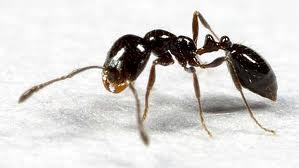
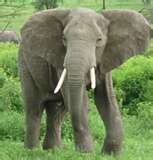
Les fourmis se sont dit: Réunissons-nous, nous réussirons à transporter l’éléphant (Proverbe Mossi – Burkina Faso). – S’entraider les uns les autres dans tous les travaux.
The ants said to themselves: Let us unite, we will succeed in moving the elephant (Mossi proverb – Burkina Faso).- Help each other in all works.

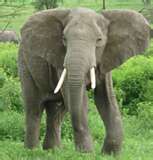
L’éléphant ne se fatigue pas de porter ses défenses (Proverbe Douala – Cameroun, Sotho – Lesotho – Afrique du Sud, Wasambaa – Tanzania, Mongo – RDC, Bangala – RDC). – Ne pas décliner ses responsabilités.
The elephant never tires from carrying its tusks (Proverb Duala – Cameroon, Sotho – Lesotho- South Africa, Wasambaa – Tanzania, Mongo – DRC, Bangala – DRC).- Do not decline one’s responsibilities.

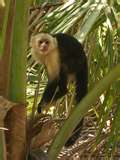
Le singe gambade tellement qu’un jour il trouvera une branche morte (Proverbe Bayombe – République Démocratique du Congo (RDC)). – Qui joue trop, s’expose au danger.
The monkey leaps so much so that one day it will find a dead branch (Bayombe proverb – Democratic Republic of Congo (DRC)). – Who plays too much, exposes oneself to danger.

Si vous ne suivez pas ce chemin, à quoi bon de vous orienter sur le soleil (Proverbe Ekonda, République Democratique du Congo (RDC)). – Ce n’est pas votre femme, pourquoi la regarder! N’enviez pas ce qui n’est pas à vous.

If you do not follow this path, why bother to walk under the sun (Ekonda Proverb – Democratic Republic of Congo (DRC)).- It is not your wife, why are you looking at her! Do not envy what is not yours.