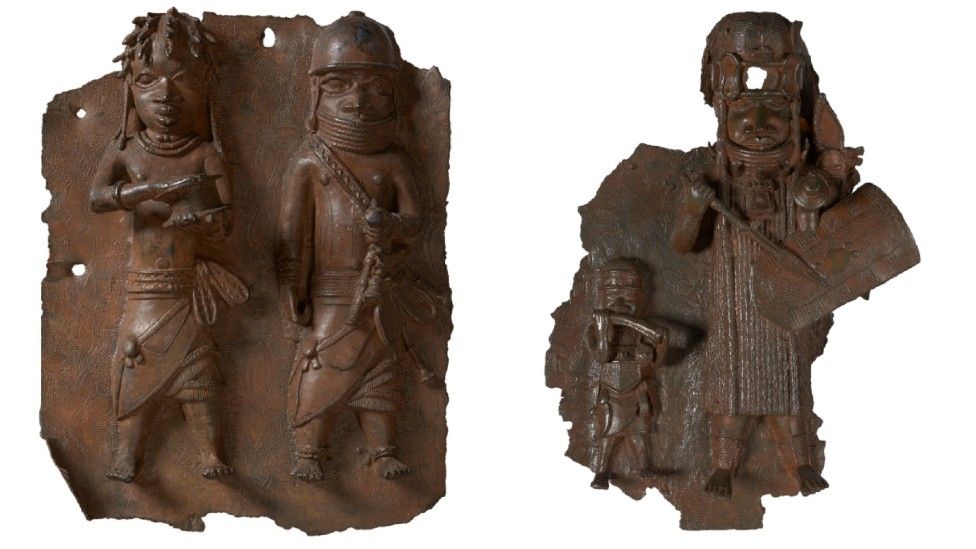
Benin City Bronzes at Horniman Museum (Source: Horniman Museum)
Yet another one! Isn’t it odd that there seems to be an avalanche of “proposals” to return looted artifacts? Is it real? Are these museums really going to relinquish these artifacts? or is it just a publicity stunt? Excerpts below are from an article on the BBC website. The article dates from April, but it is still worth mentioning. Enjoy!
=====
A London museum will consider [seriously?] returning artefacts obtained by “colonial violence” – including Benin Bronzes – to their countries of origin.
Since 2017, the Benin Dialogue Group, which brings together the current Oba (state leader of Edo), the Nigerian government and museums across Europe, has been working on a plan for some Benin Bronzes to return to Nigeria. If returned, Nigeria plans to house repatriated bronzes in the Edo Museum of West African Art set to open in 2025.
Campaign group Topple the Racists recently added the Horniman to an interactive map detailing the statues in the UK that have links to colonialism.
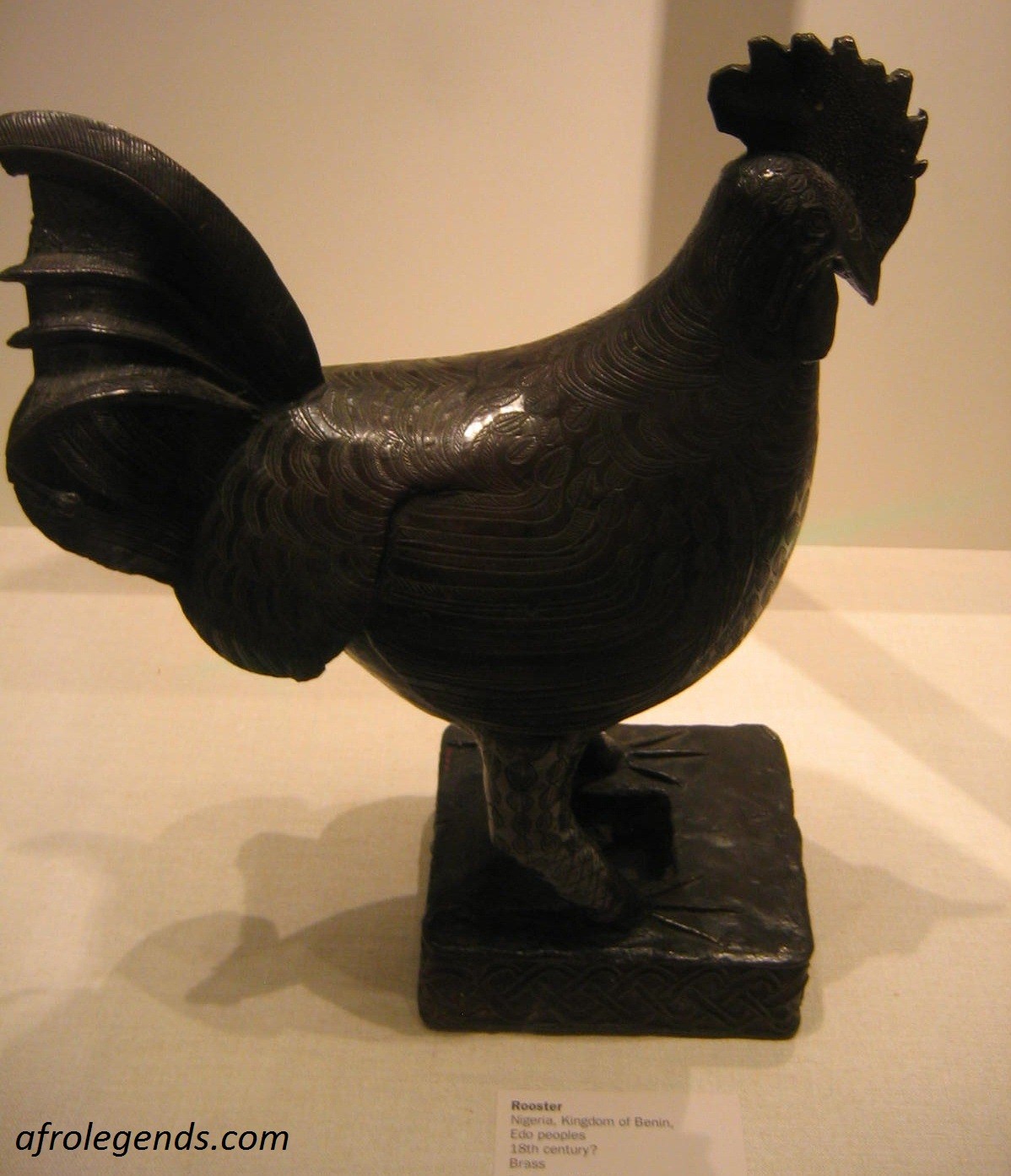
The Horniman’s collection includes 15 Benin Bronze plaques depicting Obas (kings) and legendary figures, a brass cockerel called an Ebon which would be placed on the altar of a dead Lyoba (queen mother), and a ceremonial paddle called an Ovbevbe used by priests to ward off evil.
A brass bell, typical of those worn around the necks of Benin’s warriors, is also in the collection, along with an ivory staff of office.
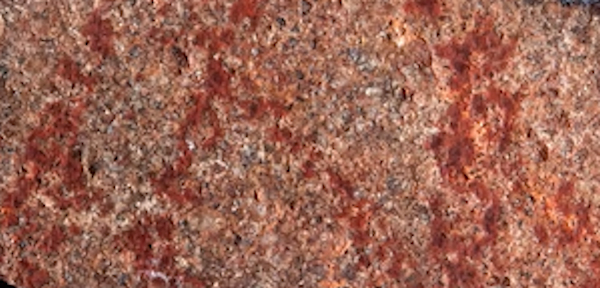
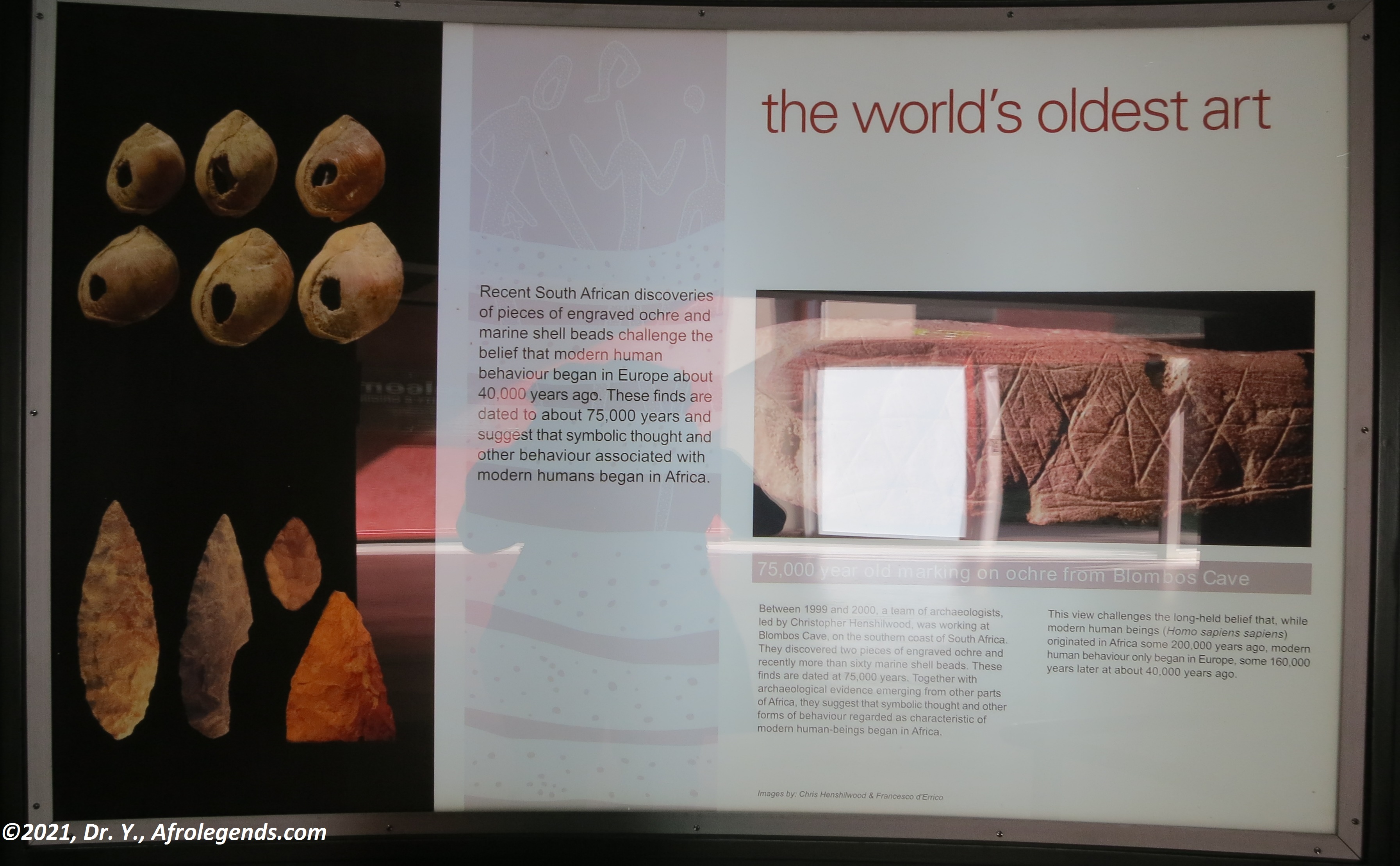
Oldest Drawing by Homo Sapiens, dated to be 73,000 years old, found in the Blombos Cave (Wikipedia)
As we said earlier, a lot of new discoveries were made at the Blombos cave [Blombos Cave: Earliest Known Drawing by a Human found in Africa old of 73,000 years] in South Africa. In 2002, Henshilwood and his team had found 2 ocre rocks as old as 100 000 to 80 000 years, which had particularly special graphic inscriptions. On some of these rocks, there are very clear graphic designs in shapes of triangles, revealing a triangulation system similar to that of the modern-day GPS. Is it possible that our ancestors, 80 000 years ago already had already imagined a triangulation system?
There are three major tiling systems: the square (which is simplistic as a reflection), the hexagonal (used by bees) and the triangle (non-existent in nature). But out of these three, only the triangle does not occur naturally in nature. Interesting that out of those three, our ancestors chose the triangle, the most complex. Not only that, but imagine the mathematics required to make that happen, very advanced, almost 100,000 years ago. This pattern on the piece of red ochre displays the hexagon of Sacred Geometry. The triangles, diamonds, or the red ochre of this object were not randomly chosen. The triangle refers to the principle of divine creation (Trinity). It is possible that the geometric patterns found in Blombos were used to define the ideal model for the triangulation of surfaces, and thus laid the fundamentals for today’s triangulation found in the GPS. So, next time you use the GPS on your phone, remember the Blombos cave and your African ancestors!
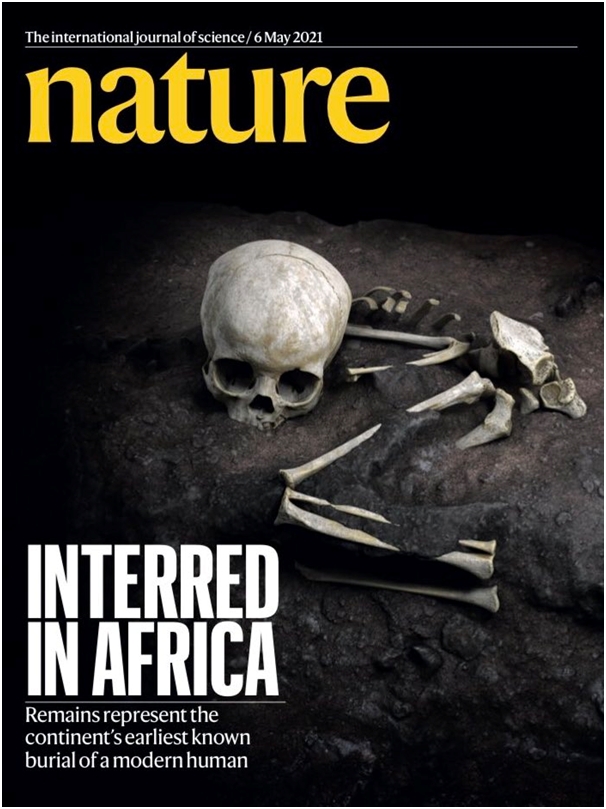
Oldest burial found in Africa of a 3-year-old boy (Source: Nature)
Archaeologists have uncovered the oldest human burial in Africa. It is the body of a 3-year-old boy who was buried 80,000 years ago. As always, it is good to note that even though Africa is the cradle of the human species, very little research has been conducted on the continent showing a real bias in research, but also highlighting the need for Africans to do their own studies: there is so much to find! There is so much wealth (in every field)! Excerpts below is from an article on the Guardian. Please check out the original article in Nature, and also the press release on the New York Times website.
=====
‘Quite spectacular’ discovery shows three-year-old child was carefully laid to rest nearly 80,000 years ago
Archaeologists have identified the oldest known human burial in Africa during field work that uncovered the remains of a child laid carefully to rest in a grave nearly 80,000 years ago.
The arrangement of the bones shows the three-year-old – named Mtoto after the Swahili word for child – was placed with legs tucked to chest, and perhaps wrapped in a shroud with their head on a pillow, before being gently covered in soil.
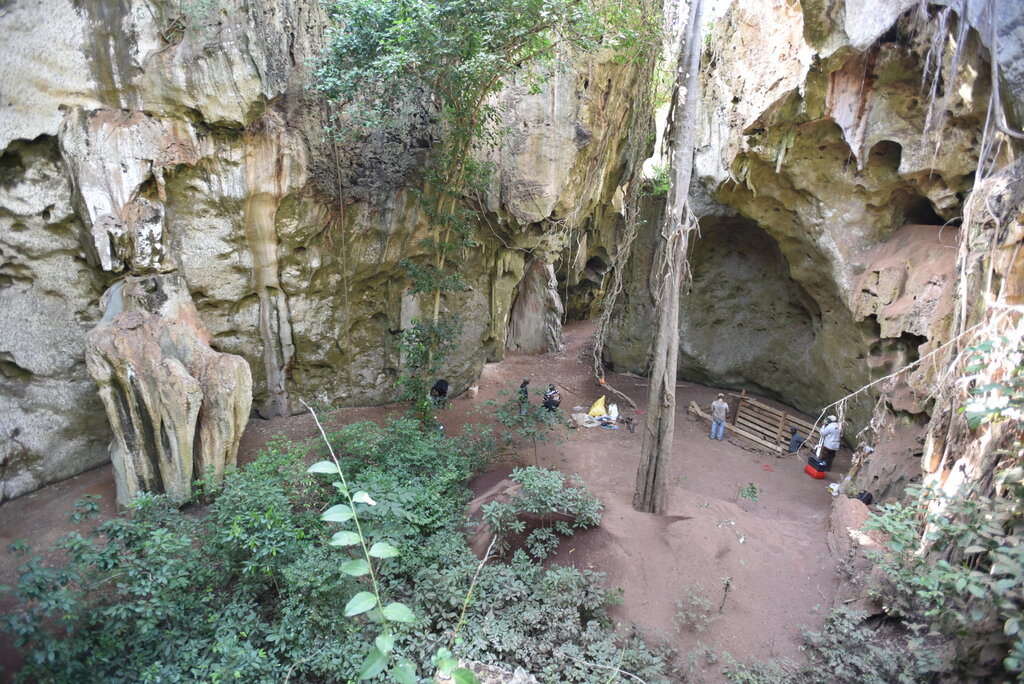
Researchers discovered the delicate and degraded bones while excavating the floor beneath a sheltered overhang at the mouth of the Panga ya Saidi cave in the tropical uplands of Kenya’s coastal plain about 10 miles from the shore.
“This is quite spectacular,” said Michael Petraglia, a professor of human evolution and prehistory at the Max Planck Institute for the Science of Human History in Jena, Germany. “It is the oldest human burial in Africa. It tells us something about our cognition, our sociality and our behaviours and they are all very familiar to us today.”
Overview of the cave of Panga ya Saidi. The boarded excavation on the right marks the locality where the burial was recovered. (photo by Mohammad Javad Shoaee).
… The team unearthed the edge of the grave and the first pieces of bone in 2013, but the fragments were so fragile they turned to dust when the scientists tried to remove them. Over the next four years, the researchers excavated the grave from above, revealing yet more bone, but even after applying resins to the material, it was still too weak to recover.
The researchers decided to dig around the circular pit, roughly 40 cm wide and 13 cm deep, and encase the whole grave in plaster so it could safely be lifted from the ground. The block was taken to the National Museum in Nairobi and on to a specialist lab in Spain where the material was excavated further and then imaged with 3D X-ray equipment.
Two small teeth found in the grave matched those of Homo sapiens and put the age of the child at two and a half to three years old. Further teeth were still embedded in the child’s lower jaw, discovered with the spine, ribs and other bones from the shoulder and limbs. Stone tools for scraping, boring and engraving were found in and around the grave, alongside stone points that may have been hafted on to wooden shafts to make spears.
The images show that the child was laid on their right side with knees tucked up towards the chest, while the position of the skull suggests that it lay on a headrest or pillow. The articulated bones, such as the spine, had not fallen apart in the grave, leading the researchers to suspect the body was wrapped tightly in a shroud before burial. Dating found the bones to be about 78,000 years old, according to the study published in Nature.
… “Early African burials are especially rare despite the fact that Africa is the birthplace of our species,” said Boivin. “This almost certainly reflects biases in where research has been done – the regions where earlier burials have been found have been much more extensively researched than Africa.
This is historic, late and probably not enough compared to the loss in human lives… yet it is historic nonetheless! Germany has agreed to pay 1.1 billion Euros over the Herero-Nama genocide [Germany in Namibia: the First Genocide of the 20th Century]. This will be paid in existing aid programs over 30 years. I am always skeptical of these aid programs, because countries and companies usually get their money back that way…; plus there are probably billions worth of Namibian diamonds or cobalt mines that will profit German companies in the fine prints. Anyways, for the first time, Germany called the atrocities ‘genocide‘, but fell short of calling the arrangement ‘reparations’ and ‘compensation’ [Have Germans finally acknowledged the Namibian Genocide?]. It is a step forward, we acknowledge it, and recognize the progress. Enjoy! Excerpts below are from the Guardian.
=====
Germany calls atrocities ‘genocide’ but omits the words ‘reparations’ or ‘compensation’ from a joint statement.
Germany has agreed to pay Namibia €1.1bn (£940m) as it officially recognised the Herero-Nama genocide at the start of the 20th century, in what Angela Merkel’s government says amounts to a gesture of reconciliation but not legally binding reparations.
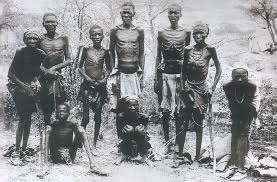
Tens of thousands of men, women and children were shot, tortured or driven into the Kalahari desert to starve by German troops between 1904 and 1908 after the Herero and Nama tribes rebelled against colonial rule in what was then named German South-West Africa and is now Namibia.
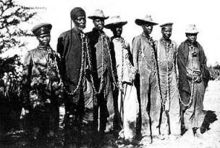
Chained Herero men
Since 2015, Germany has negotiated with the Namibian government over what it calls an attempt to “heal the wounds” of historic violence.
“Our aim was and is to find a joint path to genuine reconciliation in remembrance of the victims,” the German foreign minister, Heiko Maas, said in a statement. “That includes our naming the events of the German colonial era in today’s Namibia, and particularly the atrocities between1904and 1908, unsparingly and without euphemisms.
“We will now officially call these events what they were from today’s perspective: a genocide.”
On Thursday, official circles in Berlin confirmed reports in Namibian media that after nine rounds of negotiations the two sides had settled on the text of a joint declaration and a sum of €1.1bn, which will be paid separately to existing aid programmes over 30 years.
Of the overall sum, more than a billion euros will go towards projects relating to land reform, rural infrastructure, water supply and professional training. Communities of Herero and Nama descendants, which form ethnic minorities in all of the seven affected regions, are meant to be involved in the development of the specific projects.
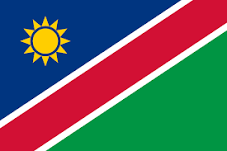
Flag of Namibia
… The text of the joint declaration calls the atrocities committed by German troops a “genocide” but omits the words “reparations” or “compensation” – a move borne out of fear that such language could set a legal precedent for similar claims from other nations.
A spokesman for the Namibian president, Hage Geingob, described German’s acknowledgment of genocide “as the first step” in the right direction. “It is the basis for the second step, which is an apology, to be followed by reparations,” the spokesman said.
Some of the numerous groups that make up the descendants of the genocide’s survivors have been critical of the framing of the negotiations from the outset and have declined to back the Namibian government’s stance. ….
It is no secret that the first genocide of the 20th century was committed by Germany in Namibia [Germany in Namibia: the First Genocide of the 20th Century]… yet to this day Namibians have never gotten reparations, nor an apology. This terrible page of history is usually absent from history books, and all people know is the genocide against the Jews who were compensated. So to hear now that Germany is planning to “offer aid and an apology” is outrageous! Germany says it does not want to set a precedent… yet for Auschwitz there was no question of setting precedents right? They are probably afraid that more genocides will be uncovered, not just for them, but for all those European countries which took part in the scramble for Africa, and they will all be forced to pay… so now they want to give aid… no one wants their aid! After 400 years of slavery, and almost 100-200 years of colonization and neo-colonization, there is a reason why Africa is on its knees… so we do not want “AID,” plus usually this “aid” always comes as “poisoned cakes” with so many clauses and more debts to be repaid… Remember how Germany wanted to pay the Namibian government 10 million Euros [Namibia Rightfully Rejects 10 million Euros Compensation for Genocide]? while Greece is asking for 289 billion Euros? Excerpts from the article below is from the Guardian.
=====
Flag of Namibia
Germany has categorically ruled out financial reparations forming part of a planned formal apology to Namibia for colonial atrocities at the start of the 20th century, amid fears such payments could set a legal precedent for further claims.
… The talks are nearing completion, with broadcaster Deutschlandfunk reporting this week on plans for the president, Frank-Walter Steinmeier, to ask for forgiveness for the genocide in front of the Namibian parliament.
As part of the reconciliation agreement, which has been submitted to both governments, Germany is also to make additional aid payments towards infrastructure, healthcare and job-training programmes in areas of Namibia populated by the descendants of the Herero and Nama tribes.
… “Reparations or individual compensations are not subject of the negotiations,” the report says. “After 100 years they would be unprecedented. The definition of injustice set up by the 1948 convention on the prevention and punishment of genocide does not apply retrospectively and cannot be the basis for financial claims.”
… Yet countries such as Greece and Poland, which were not part of the 1990 agreement, have since repeatedly reiterated their demands to be compensated for economic and human losses sustained at the hands of German forces in the first half of the 20th century.
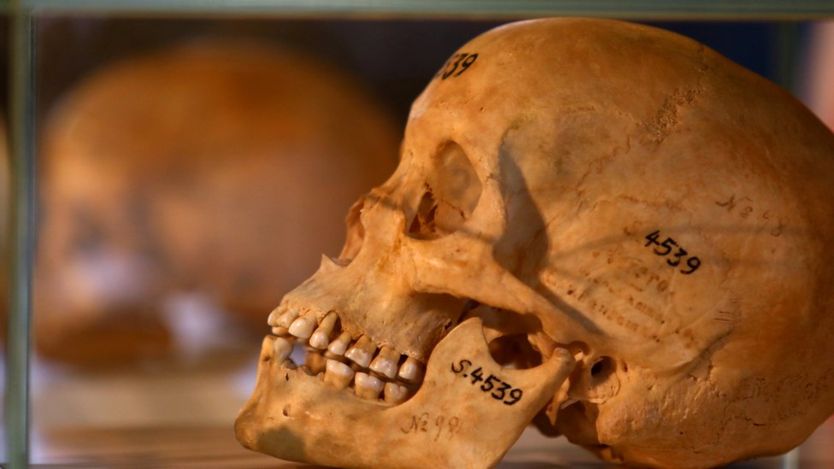
Namibian skulls (Reuters)
The Greek government of the conservative prime minister, Kyriakos Mitsotakis, most recently repeated its wish for negotiations relating to damages worth €289bnon the 80th anniversary of Nazi Germany’s invasion of Greece this April.
Many of the descendants of the Herero and Nama victims continue to reject structural aid and demand direct reparations from Germany. In a joint statement issued this week, the Ovaherero Traditional Authorities and Nama Traditional Leaders Association called the reconciliation agreement a “public relations coup by Germany and an act of betrayal by the Namibian government”. …
As we saw last week, the capital of The Gambia, Banjul, was first a colony of the Duchy of Courland which was then part of the Polish-Lithuanian Commonwealth or modern-day Latvia, then became a British colony. Below is a treaty signing over the island of Banjul, at the time of the British.
====
Combo. St. Mary Island [Banjul]. (The map of Africa by Treaty, Vol 1, P.370 – 371)
On the 4th June, 1827,* a Treaty was signed between the Governor of the British Possessions on the West Coast of Africa, and the King of Gumbo, confirming the Cession to Great Britain of the Island of St. Mary’s and adjoining territory, from which the following are extracts :—~
Banjola and St. Mary Island.
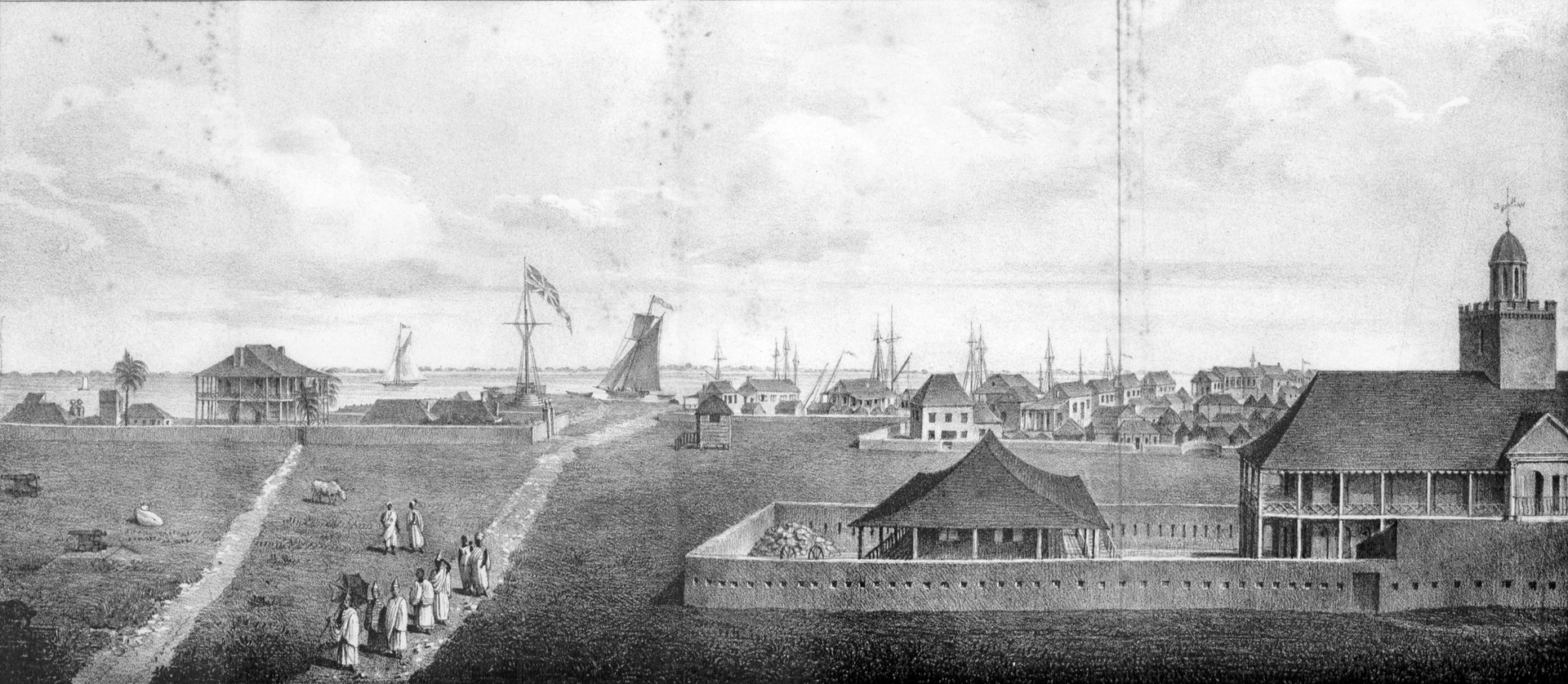
Bathurst (modern-day Banjul) in 1824
“ The Treaty in which the Island of St. Mary’s was formerly given up to the British Government not being forthcoming, it is hereby agreed :—
“ I. Abolition of Slave Trading.
“ II. That the Island of St. Mary’s, the Cape, and the boundary bordering on other States to the southward and east ward of Coomba shall be open for every branch of commerce between the subjects of His Majesty, the King of Great Britain, and the natives of Cumba or any other kingdoms.
“III. That the Island of Banjola, now called St. Mary’s, and the adjoining territory, may be possessed by the Government and subjects of Great Britain for building and making farms in such places as are not actually possessed by any other person at the time, arranging the boundaries with the Alcaide of Baccow.
“IV. Annual Presents to be made to the King of Combo.
As I read more colonial treaties signed on the continent, it is hard for a modern mind to understand the concept of ceding over rivers. How do you know where the river ends? Is the river part of just one kingdom? What do you do when it is split among several kingdoms? Did the Europeans take that into consideration, if they only had the signature from one king, and not others? Or did they just cause war to get the remainder of the river? What do you think?
On the 3rd September, 1783, a Treaty was concluded between Great Britain and France, by Article X of which the King of the French guaranteed to the King of Great Britain the possession of Fort James (Albreda) [located on modern-day Kunta Kinteh Island] and of the River Gambia.
====
Cession of the River Gambia to Great Britain. (The map of Africa by Treaty, Vol 1, P.367 – 368)
On the 15th June, 1826,+ a Convention was signed between the Acting Governor of Sierra Leone and the King of Barra and of the River Gambia, with his Chiefs and headmen, for the cession of the Gambia to Great Britain.
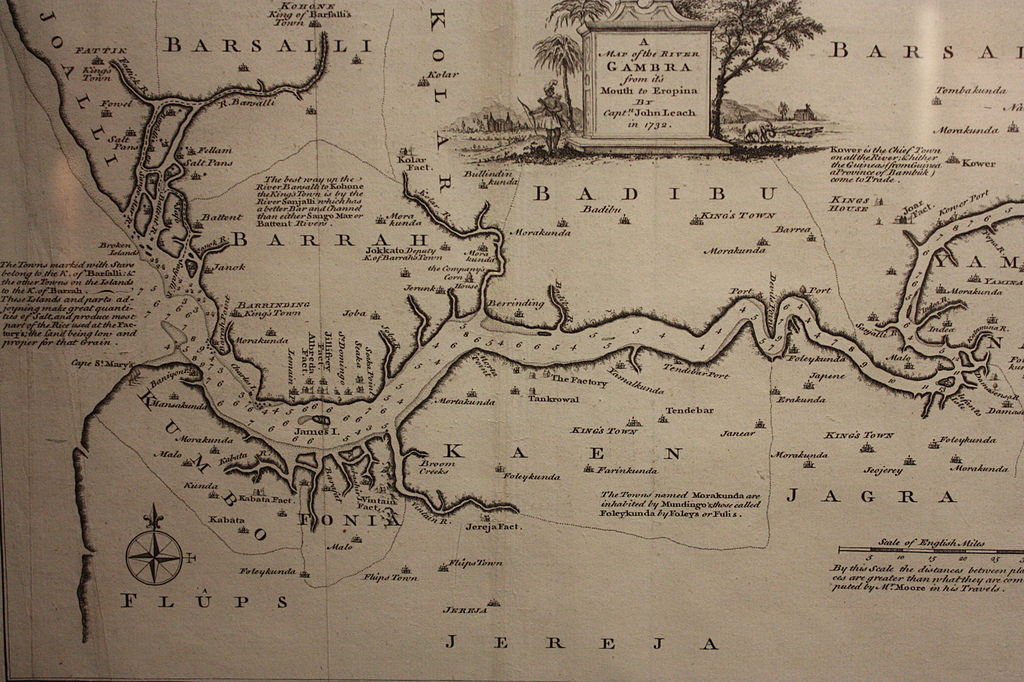
Map of the River Gambra (now Gambia) in 1732
It contained the following stipulations:
* * *
“ 2nd. The said Brunay, King of Barra, by and with the advice and consent of his Chiefs and headmen before named, cedes, transfers, and makes over to his Honour Kenneth Macaulay, Acting Governor of Sierra Leone, and his successors, Governors of Sierra Leone for the time being, on the part and behalf of His Majesty the King of the United Kingdoms of Great Britain and Ireland, his heirs, and successors forever, the full, entire, free, and unlimited right, title, sovereignty; and possession of the River Gambia, with all the branches, creeks, inlets, and waters of the same, as they have been held and possessed by the Kings of Barra from time immemorial ; and the said Brunay, King of Barra, with the advice and consent of his said Chiefs and headmen as aforesaid, does further cede and forever relinquish all and every right, claim, or demand for customs or duties of any description on British or other vessels entering or navigating the River Gambia, or any of the waters thereof (as have been formerly demanded and taken).
+ S.P., vol. xlviii, p. 882; H.T., vol. xii, p. 5. See also Treaties, 6th January, 1832, p. 824, and 18th November, 1850, p. 326.
The National Museum of Ireland has now forged plans to return the looted Benin bronzes. I hope their plans actually take form! Wen I hear of all these museums planning to return all these African artifacts, I cannot help but notice that the loot was a general or rather an international concerted affair… remember how we always hear about the international community? As you can see the distribution of the loot, in the case at hand, that of Benin City (Benin City: the Majestic City the British burnt to the ground), was done among all those European countries! This brings shivers! Moreover, when I see this, I cannot help but wonder why these museums are now so conscientious and are all talking about repatriation of these bronzes, particularly when these looted artifacts have generated millions upon millions of euros each year to their museums as part of tourism. Why will they be so happy to forfeit millions of euros in revenues for our poor African souls who not long ago were deemed too backward to take care of our very own artifacts? Also, with 3D printing being so ‘hip’ these days, I wonder if Africans will be getting the original artifacts? How will we know? Enjoy! Excerpts below are from the Sunday Times.
=====
The National Museum of Ireland (NMI) intends to return 21 historical artefacts looted from Nigeria in the 1890s. The Benin bronzes, which were stolen by British soldiers, have been the subject of renewed focus in recent months, with growing pressure on cultural institutions to return them.
While there is no formal plan for when the Benin bronzes will be returned, the NMI said it was committed to progressing “a restitution process” for the artefacts.
Promise to repatriate Benin bronzes comes as momentum grows at other institutions on returning works
The Church of England has been urged to open up its books on the full range of world artefacts in its possession after promising this week to repatriate two Benin bronzes.
The move came amid a gathering sense of momentum around the issue of the disputed bronzes – most of which were looted by British forces in 1897.
Rooster from Benin Kingdom (18th century), exposed at the MET
While the British government has said UK institutions should “retain and explain” contested artefacts, the University of Aberdeen announced last month it would repatriate a bust of an Oba, or king of Benin, which it has had since the 1950s. The Horniman Museum in London also confirmed it was taking steps to return artefacts.
“It’s clear that this is now a Nigerian-led exercise,” said Dan Hicks, the curator of world archaeology at the Pitt Rivers Museum in Oxford and author of The Brutish Museums: the Benin Bronzes, Colonial Violence and Cultural Restitution.
Arguments put forward in the past that Nigeria was somehow unready to receive repatriated artefacts no longer held waterafter the formation of Legacy Restoration Trust, a Nigerian organisation facilitating restitution, said Hicks, describing it as a “game changing”.
“It’s also no longer just about the British Museum, which holds only a fraction of these artefacts. They are increasingly marginal to this conversation, which is more and more about regional and international museums.”
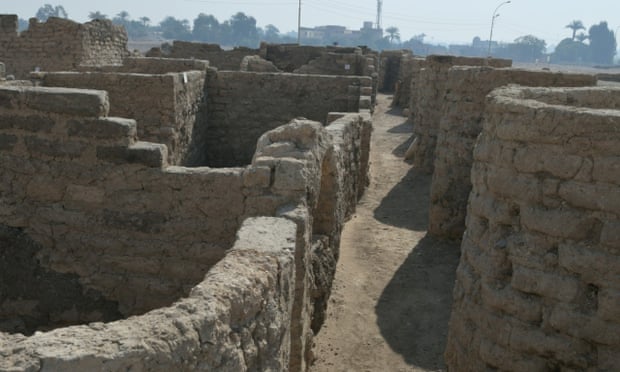
Archaeology experts have said discovery of Aten – called the ‘lost golden city’ – is the largest ancient city uncovered in Egypt. Photograph: Zahi Hawass Center for Egyptology/Reuters
Doing archaeology in Egypt is really a dream come true! Every day reveals new findings… it is amazing to witness the rediscoveries of this ancient African civilization… and each time as more artifacts are unearthed, we are in awe because current world civilizations seem so less advanced than the civilization of the Egyptian pharaohs! Today, in Egypt, the discovery of a 3,000 years old lost city was announced. This is not just any city, this is Aten; it dates back to the reign of Pharaoh Amenhotep III, one of Egypt’s most powerful pharaohs who ruled from 1391 to 1353 BC. Excerpts below are from the Guardian… Enjoy!
-=====
Archaeologists have hailed the discovery of what is believed to be the largest ancient city found in Egypt, buried under sand for millennia, which experts said was one of the most important finds since the unearthing of Tutankhamun’s tomb.
The famed Egyptologist Zahi Hawass announced the discovery of the “lost golden city”, saying the site was uncovered near Luxor, home of the Valley of the Kings.
“The Egyptian mission under Dr Zahi Hawass found the city that was lost under the sands,” the archeology team said. “The city is 3,000 years old, dates to the reign of Amenhotep III, and continued to be used by Tutankhamun and Ay.”
It called the find the largest ancient city, known as Aten, ever uncovered in Egypt.
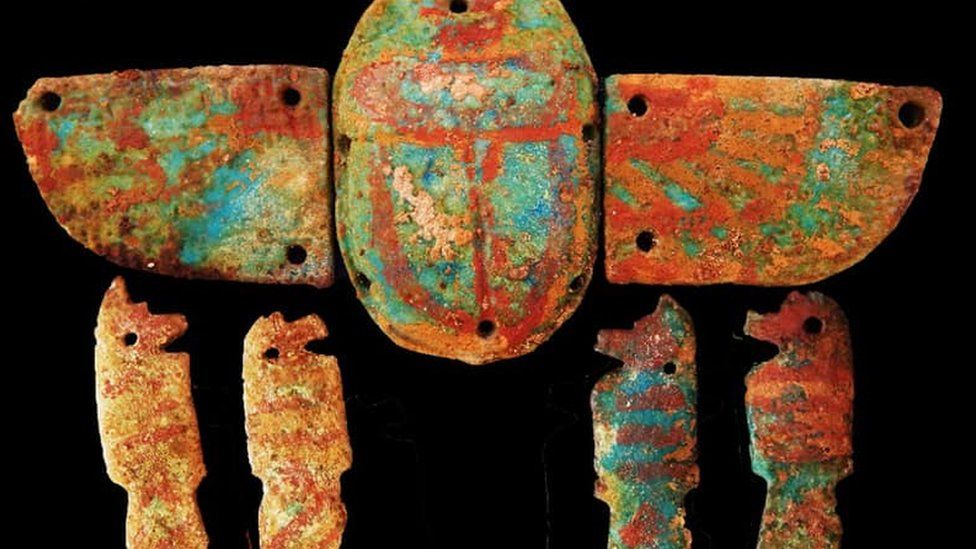
The archaeologists found a large number of decorative and ritual items, including scarabs and amulets. Photograph posted by Dr. Zahi Hawass on Facebook
Betsy Bryan, Professor of Egyptian art and archaeology at Johns Hopkins University, said the find was the “second most important archeological discovery since the tomb of Tutankhamun”, according to the team’s statement.
… Items of jewellery such as rings have been unearthed, along with coloured pottery vessels, scarab beetle amulets and mud bricks bearing the seals of Amenhotep III.
… “The archaeological layers have laid untouched for thousands of years, left by the ancient residents as if it were yesterday,” the team’s statement said.












 African Heritage