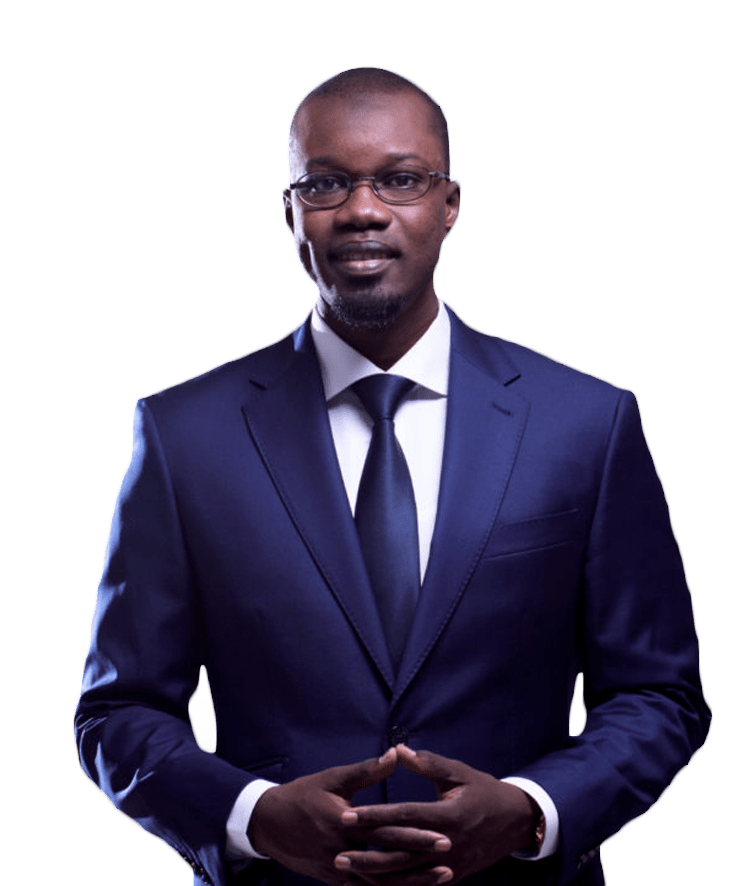
The past few days have been quite eventful in Senegal. On Friday, Bassirou Diomaye Faye, the President of Senegal, suddenly sacked his Prime Minister Ousmane Sonko by a decree read on national television! On Saturday, Ousmane Sonko observed a day of strategic silence. On Sunday he became deputy of PASTEF, his party, at the parliament, and on Tuesday, he was elected the President of the National Assembly or parliament, the second person in the nation! If this is not some 5D chess, then tell me what is!
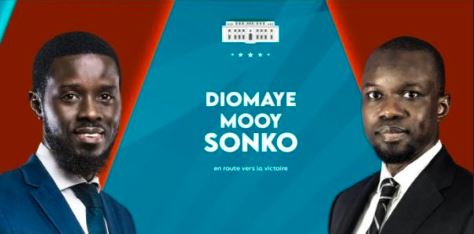
Imagine this: Ousmane Sonko who was denied running for the presidency by all the crooked ways (falsely accused, lied about, thrown in jail, denied from running in the presidential election…) of the previous government of Macky Sall, chose Diomaye Faye one of his lieutenant in the party to run in his stead. He campaigned in the entire country under the slogan “Diomaye mooy Sonko” i.e. “Diomaye is Sonko,” telling people that a vote for Diomaye was a vote for him, that voting for Diomaye would ensure victory for the party PASTEF and its ideas. The people trusted Sonko. Thus, Diomaye became President of the Republic and Sonko his Prime Minister (Senegal Presidential Elections: Bassirou Diomaye Faye is set to be the next president) … Now on Friday, after a year and half, Diomaye sacked Sonko via presidential decree read on public television. That night Sonko responded simply on Twitter by “Alhamdoulillah. Ce soir je dormirai le coeur lèger à la Cité Keur Gorgui” (Alhamdulillah. Tonight, I will sleep with a light heart in Cité Keur Gorgui)” and the crowds came to acclaim him at home. Saturday, radio silence! On Sunday, Deputy at the National Assembly and then Tuesday elected as the President of the Parliament, the second most powerful person in the nation! Simply Wow!
For those of us who grew up reading the stories of the great Senegalese author Birago Diop (Les contes d’Amadou Koumba, …), one can see that Sonko is a proud son of Birago Diop with twists reminiscent of a Leuk-le-lievre. This past week, we all went to Sonko’s school to learn! The move was harmonious and perfect,… I don’t think anybody would have predicted that. Even Western media were all stunned! Those who were laughing were definitely shocked! There is so much to talk about : the betrayal of a protégé, the loyalty of the previous president of the parliament El Malick Ndiaye who stepped down, the trust of the people, the deputies of PASTEF, and even opposition, and the political genius of Sonko (who many probably thought would take to the streets in anger). Congratulations to the new President of the Parliament. His entrance at the parliament and his speech made us proud! Senegal is always giving us lessons in democracy! Senegal first! Senegal always!
Please enjoy Ousmane Sonko’s speech after being elected President of Parliament of Senegal, and learn!
=====