
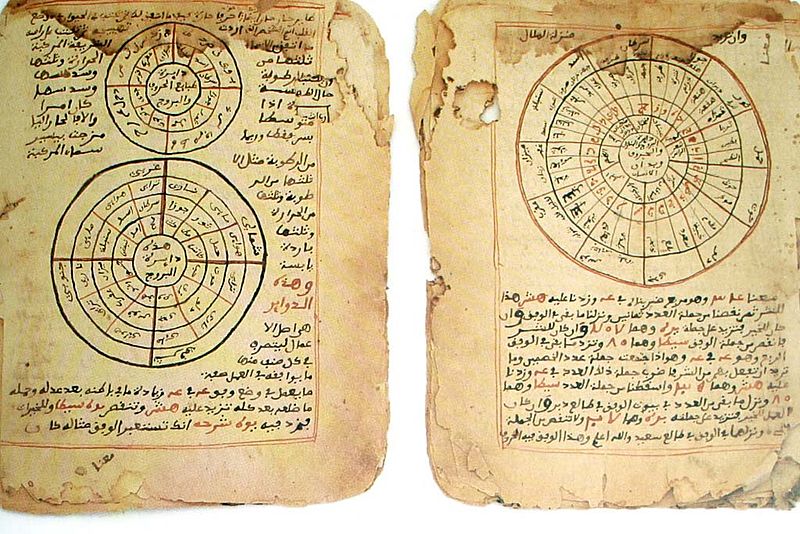
The Timbuktu’s Manuscripts are Returning Home to their rightful owners, after over 10 years away. It is so beautiful that the families who own these multi-centennial parts of African history get to have them back as it is not only part of their heritage, but ours also, and we are thankful for them to have protected throughout the centuries.
At the Ahmed Baba Institute in Bamako, people have been actively working on digitalizing all the manuscripts for humanity’s sake. These challenge the eurocentric views that “Africans have not entered enough in history” as the former French president Sarkozy said, even though many scholars from around the world used to travel to Timbuktu to find the best teachers. Through these manuscripts, we discover brilliant scholars, doctors, lawmakers, astronomers, mathematicians, geologists, and much more. After all, Timbuktu, was one of the world’s first and oldest university.
Excerpts below are from Africanews, and check out the Google Arts & Culture (Timbuktu Manuscripts now Available Online, The Lost Libraries of Timbuktu).
=====
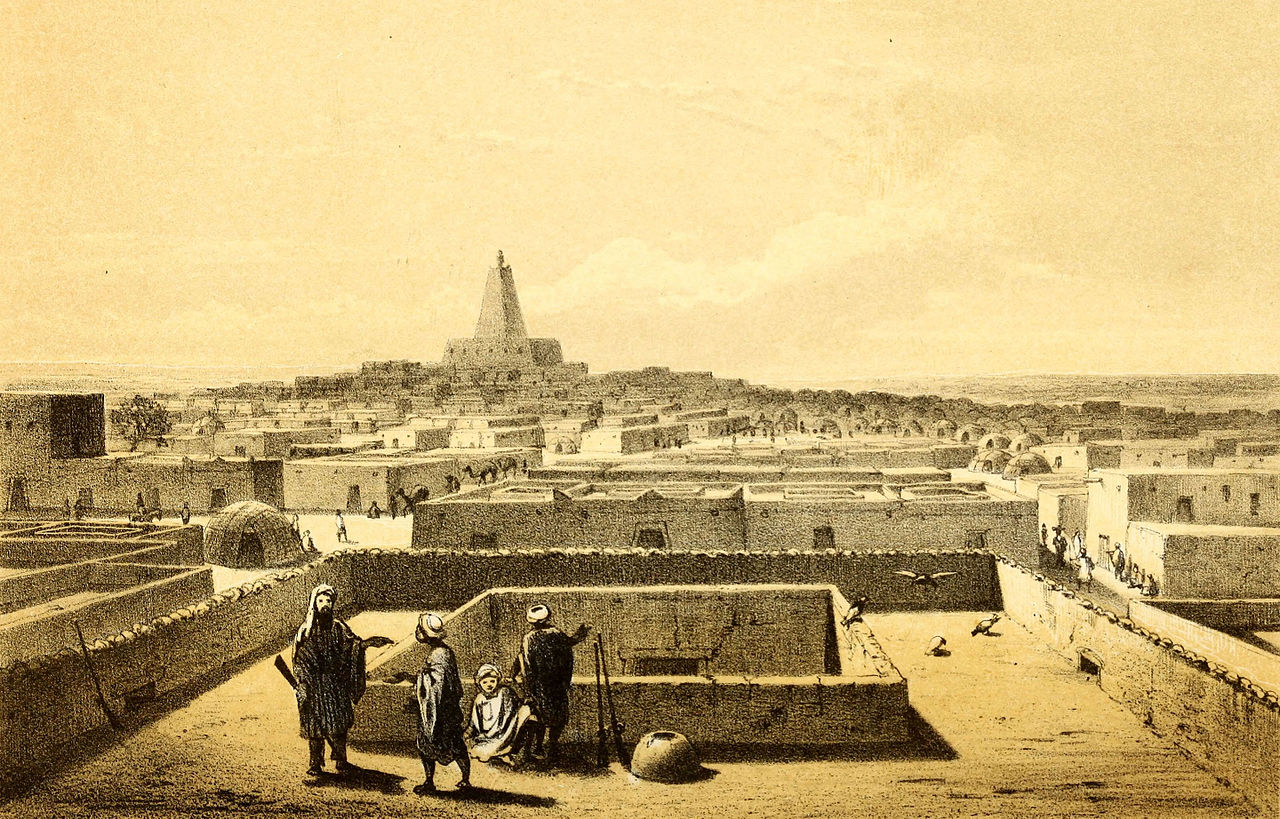
… Among the manuscripts are medical texts, legal rulings, letters, astronomical notes and chronicles of West African empires.
In some pages, scholars debate whether smoking tobacco was moral or forbidden.
In others, officials urge reducing dowries so poorer men could marry.
Marginal notes record earthquakes and local events long forgotten elsewhere.
Sane Chirfi Alpha is the founding member of SAVAMA DCI, which is a local nonprofit organisation dedicated to the safeguarding, preservation, and promotion of the ancient Timbuktu manuscripts. He says the collection reveals a depth of scholarship that challenges assumptions about the region’s past.
“According to old documents, there were doctors here in Timbuktu who performed surgery to treat cataracts. The same manuscript also says that a doctor from Timbuktu saved the French throne. The crown prince was sick, and French doctors could not cure him. It was the doctor from Timbuktu who cured him.”
… One important tradition still documented in many manuscripts is the chain of teaching, where scholars recorded who taught whom through generations.
Dr Mohamed Diagayaté, general director of the Ahmed Baba Institute says: “When a student finishes studying with a scholar, that scholar gives him a certificate saying he has taught him a subject, which the student has mastered. The certificate also says that the student learned it from a certain scholar, and that this scholar learned it from another scholar, going right back to the person who wrote the original document.”
…

 African Heritage
Oh, this is SO exciting. What treasures of wisdom and knowledge may be contained in these manuscripts – non-Western-centric approaches to so many disciplines.
LikeLike
Absolutely agree Tish… it is amazing and exciting for the history of mankind.
LikeLiked by 1 person