Zimbabwe Gold-Backed Currency is Here

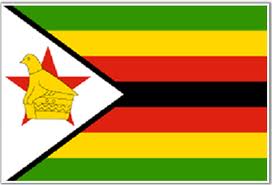
Flag of Zimbabwe
Flag of Zimbabwe

After almost 2 years of talking, the Zimbabwe gold-backed currency is finally upon us. Inflation is everywhere at the gas pump, at the food store, rent, prices are going up and up, affecting everyone and making the poor even poorer. In Zimbabwe, it has been going up for years given that the country has been under economic embargo for over 2 decades now. The traitors who toppled Robert Mugabe thought that by getting rid of him, the West would finally lift the embargo… alas, it has not been the case, and the country is still under embargo from the UK, US, and EU. Just at the beginning of March, the US slapped fresh sanctions against President Mnangagwa and some of his cronies, even though Mnangagwa has signed all sort of deals with the westerners upon his arrival in power [Is Zimbabwe the New Haiti?] and returned land [Zimbabwe to Return Seized Land to Foreigners].
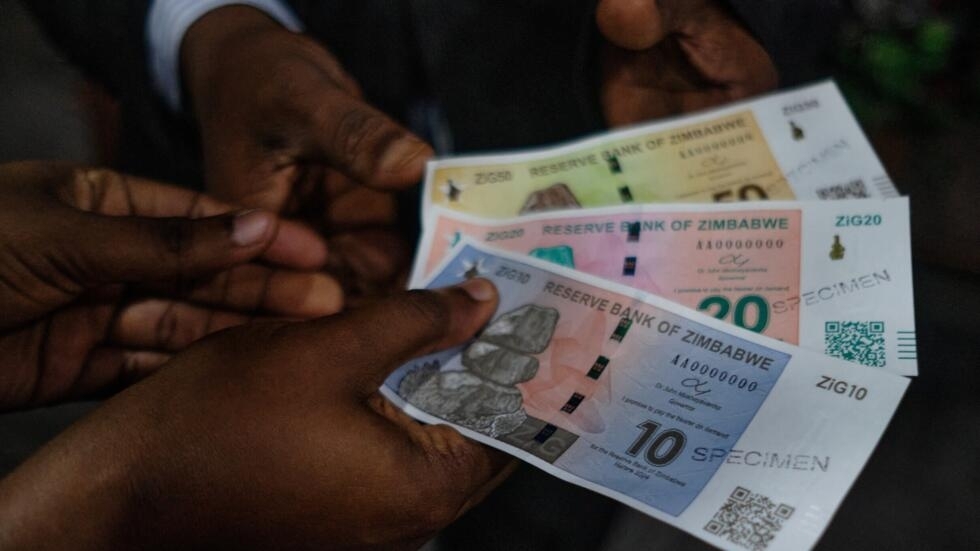
Zimbabwe’s new currency, the ZiG (Source: France24)

As stated earlier, it is no secret that inflation is particularly high in Zimbabwe and has been for many years. Last week, the government of Zimbabwe has introduced a new gold-backed currency called ZiG, which stands for Zimbabwe Gold, in an effort to try to alleviate inflation, and stabilize the economy. The currency has been rolled out on Monday, and will replace the Zimbabwean dollar immediately; companies will be made to pay at least half of their taxes in ZiG. We hope that this will help the Zimbabwean economy to stay afloat. In honesty, isn’t this the way every currency should be: backed by gold and not just thin air? Upon its launch on Monday, the ZiG has fared well, and the hope is that it continues.

Excerpts below from the BBC. For a good read, check out also Business Insider.

=====

John Mushayavanhu, Governor of the Reserve Bank of Zimbabwe, presents the new national currency Zimbabwe Gold, or ZiG. (Source: Columbus Mavhunga/picture alliance/Getty Images; Business Insider)

Zimbabwe has introduced a new gold-backed currency called ZiG – the name stands for “Zimbabwe Gold”.

It is the latest attempt to stabilise an economy that has lurched from crisis to crisis for the past 25 years.

Unveiling the new notes, central bank governor John Mushayavanhu said the ZiG would be structured, and set at a market-determined exchange rate. The ZiG replaces a Zimbabwean dollar, the RTGS, that had lost three-quarters of its value so far this year. Annual inflation in March reached 55% – a seven-month high.

Zimbabweans have 21 days to exchange old, inflation-hit notes for the new currency. However, the US dollar, which accounts for 85% of transactions, will remain legal tender and most people are likely to continue to prefer this. 

The new ZiG banknotes come in denominations of between 1 and 200. Coins will also be introduced to overcome the shortage of US coins, which has seen people receive change in sweets, small chocolates and pens.

Mr Mushayavanhu said the new currency was being rolled out with immediate effect and banks must convert current Zimbabwe dollar balances to the ZiG. He committed to ensuring that the amount of local currency in circulation was backed by equivalent value in precious minerals – mainly gold – or foreign exchange, in order to prevent the currency losing value like its predecessors.

African Countries move ahead with New Currencies: The Case of Gold as Currency in Zimbabwe

Flag of Zimbabwe
Flag of Zimbabwe

It is no secret that prices are high everywhere: at the gas pump, at the food store, rent, prices are going up and up, affecting everyone and making those who are poor even poorer. Many African countries are trying to find ways to alleviate inflation. Zimbabwe is one such country.

Robert Mugabe, president of Zimbabwe

It is no secret that Zimbabwe has been going through an economic embargo for many years. Many thought, the traitors who toppled Robert Mugabe, that by getting rid of him, the economy would be better and all the embargo restrictions placed by the UK, US, and EU would be lifted… Lesson to traitors: it never works as planned! Five years on, and Zimbabwe is no better, even though Mnangagwa has signed all sorts of deals with the westerners [Is Zimbabwe the New Haiti?]and returned land [Zimbabwe to Return Seized Land to Foreigners]. Well, as I was saying, it is no secret that inflation is particularly high in Zimbabwe and has been for many years. This week, the government of Zimbabwe has announced that it will issue gold coins as legal tenders, thus trying to alleviate inflation. Not sure that I trust Mnangagwa’s government to do anything right… particularly given that the price of gold is particularly high and exacerbated by the problems in Mali [France had become 4th world producer of gold from Mali’s gold mines; Mali Rescinds France Defense AgreementsFrance confirms it will withdraw from Mali … moving to neighboring countries and beyondTensions Escalating in Mali].  Excerpts below are from the AfricaNews; for more, read also this Guardian article.

=====

Zimbabwe’s central bank says it will start issuing gold coins as legal tender in late July, as the country battles to control soaring inflation that has considerably weakened the local currency.

The gold coin is named ‘Mosi-oa-Tunya‘, after Victoria Falls, and can be converted into cash according to the apex bank.

The latest measure comes as the country’s inflation rate more than doubled last month to 191%, bringing back memories of the hyperinflation of the 2000s that saw the Zimbabwean dollar redenominated three times. The local currency would later be abandoned in 2009.

Governor of the central bank, John Mangudya in a statement released Monday, said that the gold coins will be available for sale to the public in both local currency and US dollars and other foreign currencies at a price based on the prevailing international price of gold and the cost production”.

The coins are expected to act as a ‘store of value and to reduce the demand for US dollars’ – something that has been blamed for the weakening value of the local currency.

There have been mixed feelings over the news as Zimbabweans experience with the central bank’s policies is often of concern and uncertainty. Many Zimbabweans are known to have lost their savings including pensions when the Zimbabwean dollar crashed in 2009.