
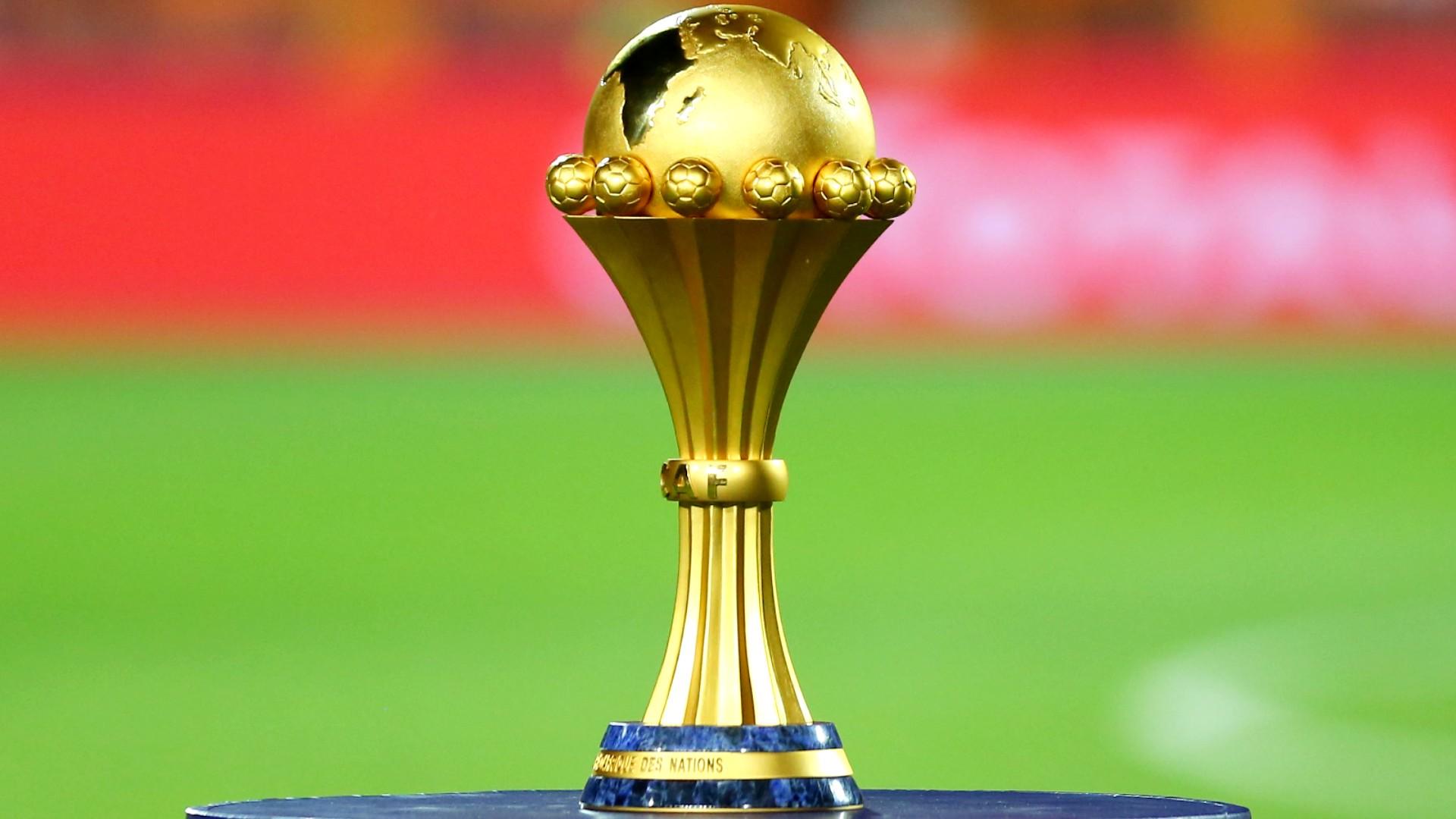
On December 20, at the beginning of The Africa Cup of Nations (AFCON / CAN), we were informed by the Confederation of African football (CAF)’s president Patrice Motsepe that the AFCON, Africa’s biggest international football tournament, will now be staged every four years following an edition planned for 2028 in a major change to what is currently a biennial showpiece. Was there a vote? A referendum? A poll? before this change was made?
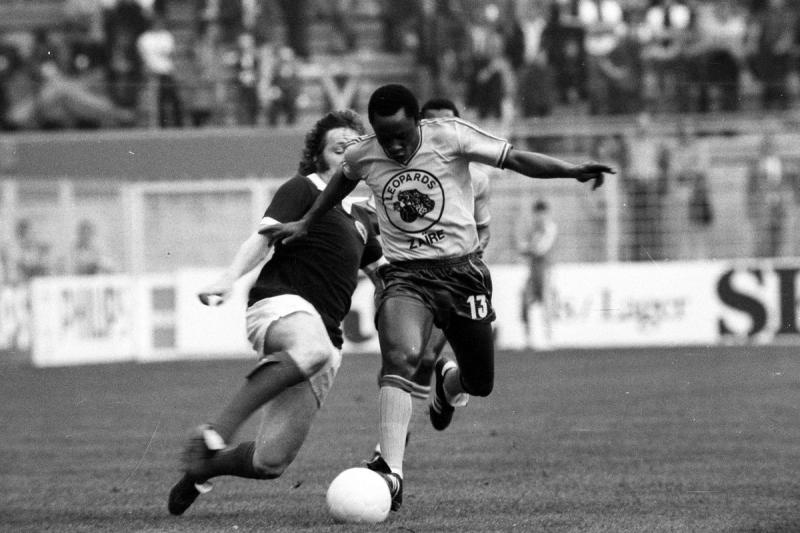
The AFCON, Africa’s most prestigious football competition, has been held every two years since its very first edition in 1957, but over the last 15 years it has struggled to find a convenient place in the global calendar. It used to be held on even years until 2013, when it switched to odd-numbered years, to please the European football clubs, and now it will revert back to even years. It has produced legendary moments and stars like Abedi Pele of Ghana, Théophile Abega and Roger Milla of Cameroon, Laurent Pokou and Alain Gouaméné of Cote d’Ivoire, Pierre Ndaye Mulamba of Zaire (now DRC), Rashidi Yekini and Nwankwo Kanu of Nigeria, Jacques Mamounoubala of Congo-Brazzaville, El Hadji Diouf of Senegal, Salif Keïta of Mali, Hossam Hassan and Essam El-Hadary of Egypt, Rabah Madjer of Algeria, Benedict McCarthy of South Africa, and countless others. Egypt is the most successful nation in the cup’s history, winning the tournament seven times, with Cameroon winning five times and Ghana four times. A total of fifteen countries have won the cup in the tournament’s history.
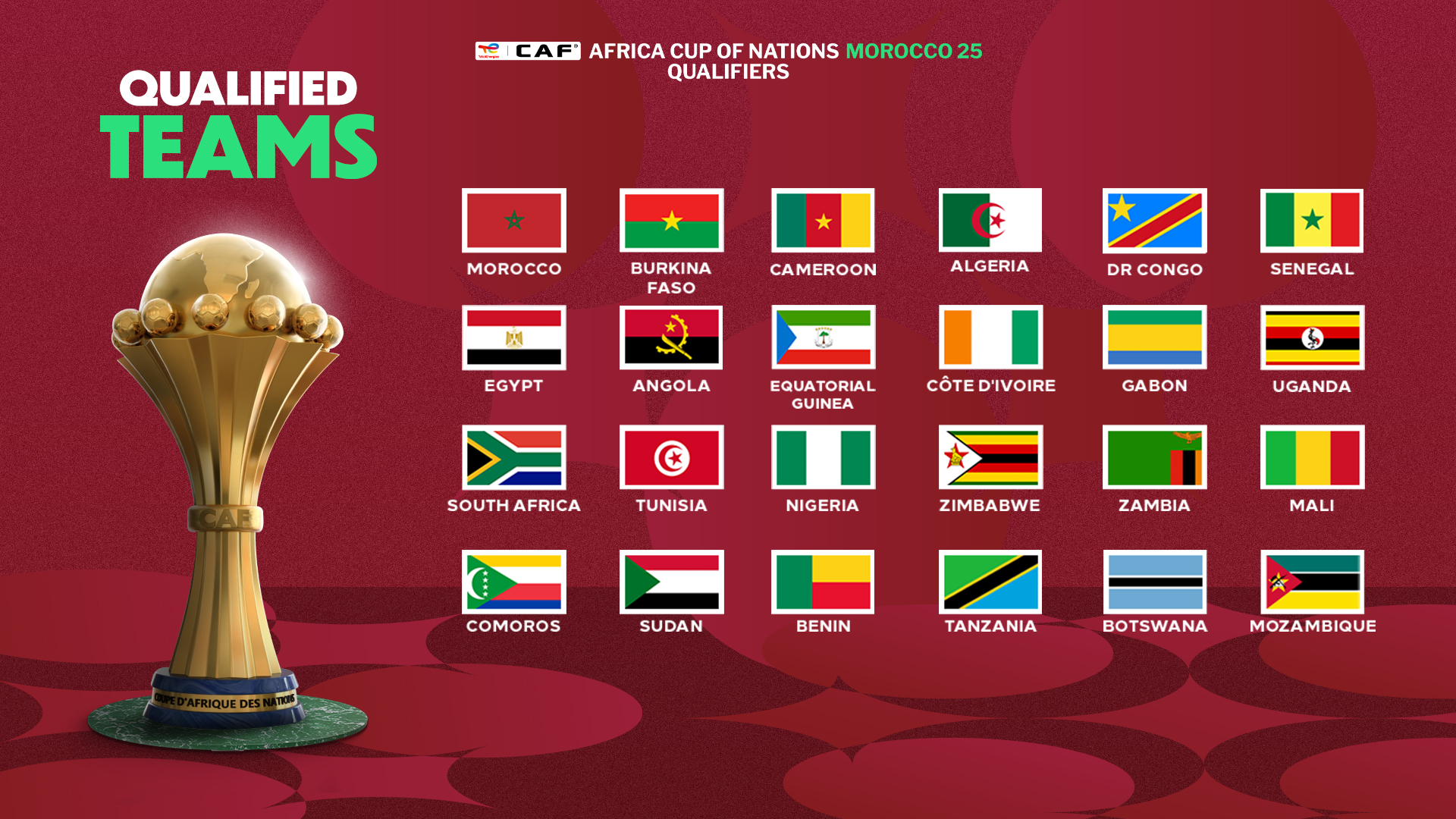
Motsepe revealed the change was made as part of a significant restructuring of the international game on the continent to help it fit better into a packed global calendar. “Our focus now is on this AFCON but in 2027 we will be going to Tanzania, Kenya and Uganda, and the AFCON after that will be in 2028,” Motsepe told reporters in Rabat, on the eve of the opening game of this year’s Morocco-hosted Cup of Nations. “Then after the FIFA Club World Cup in 2029 we will have the first African Nations League… with more prize money, more resources, more competition. … As part of this arrangement, the AFCON now will take place once every four years.”
For a lover of African football, this decision makes no sense. It is no secret that European clubs have constantly been against the organization of the AFCON, because once every 2 years, they “lose” African players who need to go play for their countries for one month. These clubs try to delay their African players’ departures, or in some cases block them. From the pressure of these European football clubs, the AFCON was moved to once every odd years, as opposed to even years; then to summer in 2019 in Egypt; then now in Morocco, it is taking place from half of December to mid-January, so as not to affect their schedules; and even then they still refuse to release some players or delay others. Historically, the AFCON has always taken place from early January to early February, for one month. There are usually heavy rainy seasons in many countries on the continent in the summer, from June to August, or it is winter for those in the southern hemisphere; hence the prior choice to hold it at the beginning of the year. Now the AFCON will be moving to once every 4 years,… drum rolls… in the summer! Where is the smarts in that? It is clearly to satisfy those big clubs!
The AFCON is not just a soccer tournament or the opium of the crowds, but rather a way among others to develop the continent. Every country which hosts the tournament has to build roads, infrastructures, that help towards the development of the country, and the continent as a whole. One argument that CAF gives is that it is very costly… sure, but do we need to host the tournament in 10,000 stadiums? Wouldn’t 3 or 5 be enough? Then we are told that Africans are too poor, and their football quality is not that great. But isn’t that the point of this, to develop African football? Is the point only to be a talent pool for Europe? African populations are young, and we need to develop our own. If we cannot have those players who play in the European clubs, can’t we have locals play? We are told that there will instead be an African Nations League that will have more competitions and generate more revenues. Will the same big football clubs which currently have issues suddenly stop having issues then? It sounds more like a way to scout and retrieve sprouting talents more than anything else.
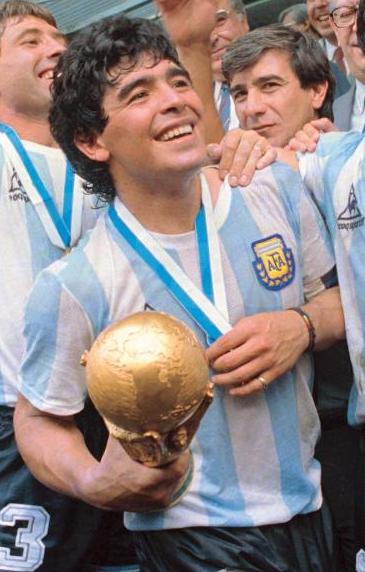
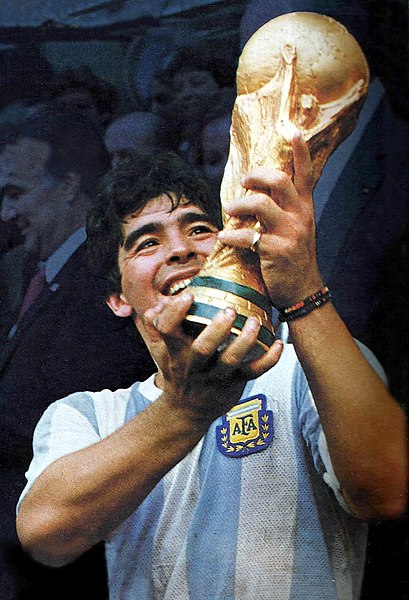
Without being pessimistic, this sounds more like the end of African football, unless something is done about it. At this rate, there is for sure no way an African team would ever win a world cup or aspire to be competitive enough to win. After the brain drain, now we have the football drain, which has been taking place for years. Let’s face it, Europe is the best place for a player, and European clubs can afford to pay them big bucks, but shouldn’t Africans have a say on their own Cup? Couldn’t their cup be about them? To those who say we live in a global world, that is true, but in order to have global stars or for the big clubs to find the next Maradona, or Pele, there needs to be a local and regular continental cup to develop the talent!


 African Heritage