
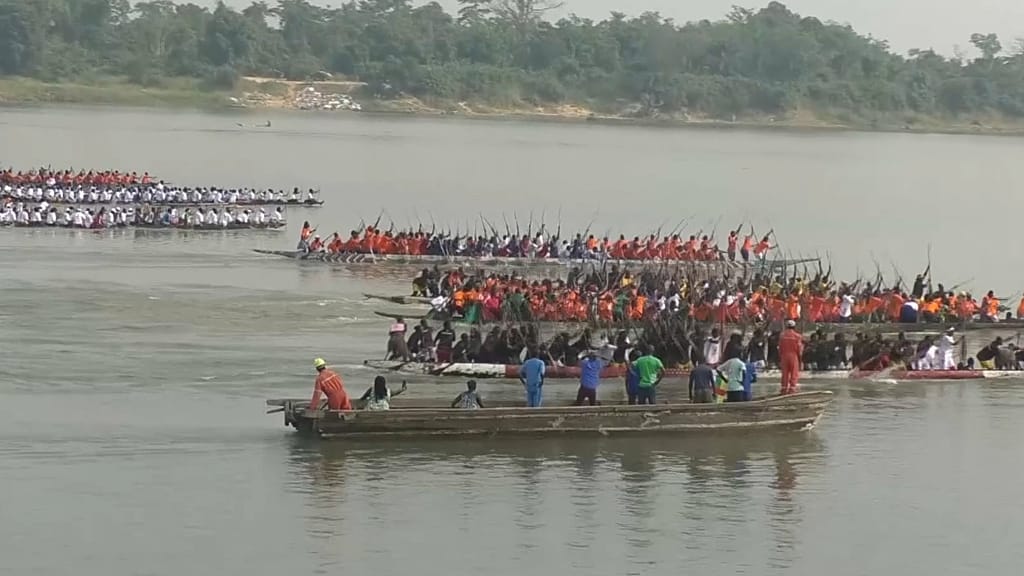
For the International Women’s Day (IWD) this year, the women of the Central African Republic (CAR) decided to have a rowing competition in the capital Bangui, as opposed to the usual parade. I thought the idea sweet, and wanted to share. The competition took place on March 8, 2026, on the shores of the Ubangi River in Bangui. The ladies of Bangui came out in droves and participated in a 100% rowing feminine competition. In our countries, rowing competitions are usually male, rarely do we have a female competition; this might be a first! Imagine the togetherness spirit these women showed, the courage, and the fun! And the men came out to cheer the women in the race; there were thousands of spectators. This is an inspiration to other women in the country, on the continent, and around the globe, how about making IWD an action day?
Excerpts below are from Africanews.
=====
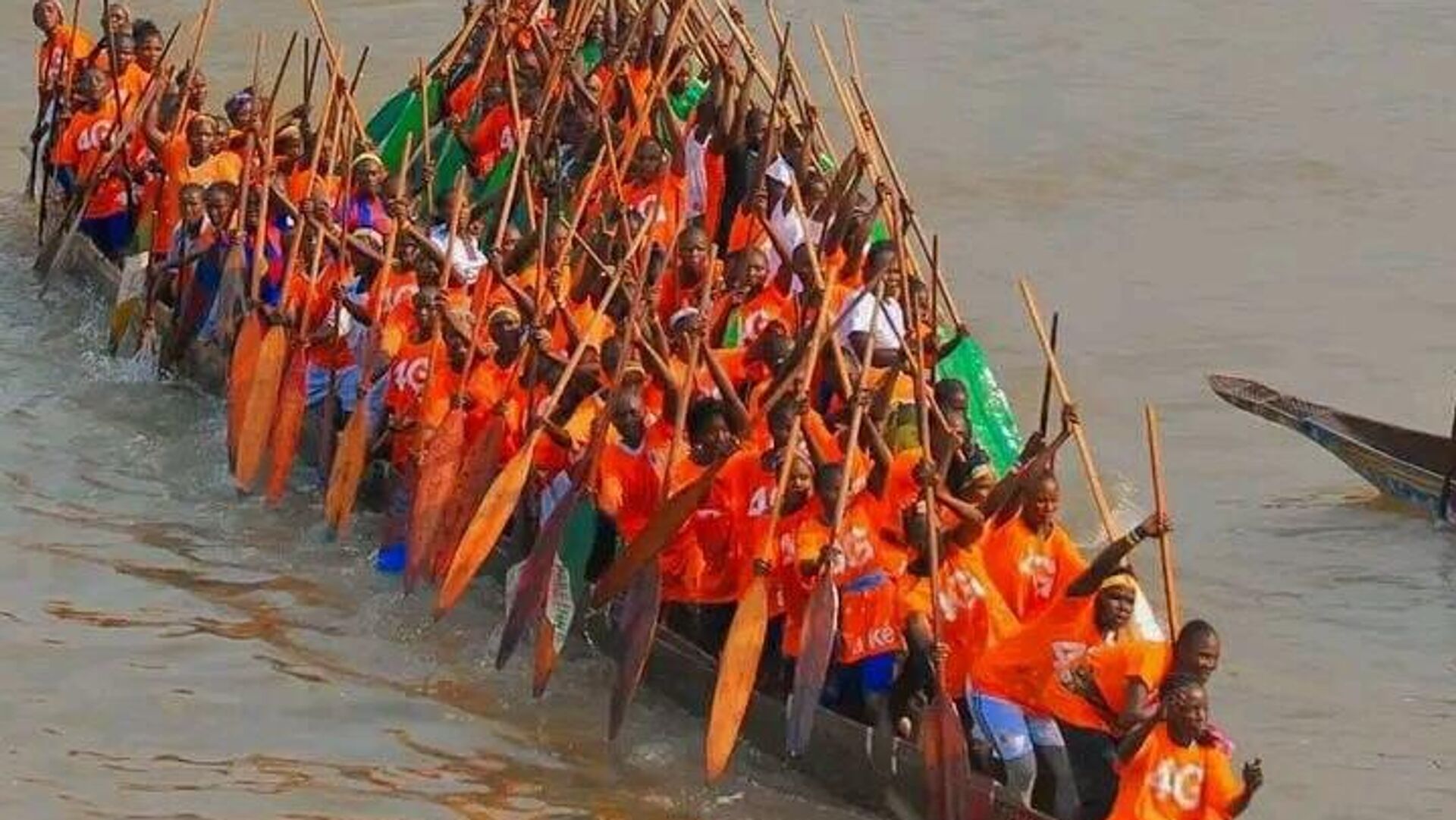
The women of Bangui, the capital of the Central African Republic, responded enthusiastically to the call from the organizers of the all-female canoe race on the Ubangi River.
In a frenzied atmosphere, the women flexed their muscles, paddling in long canoes. This year in Bangui, they wanted to celebrate International Women’s Day in a different way. Along the riverbank, a roaring crowd cheered the arrival of the winners.
“You know, it’s usually our husbands who do the races, but for this day, we thought, why not us! We are just as capable as our husbands, and we are proud of it. I am very happy that my village, Bokassi 1, was able to take first place in this race,” declared Jupsie Mameleyabi, captain of the Bokassi women’s team.
… “I am very proud to have participated in this race. I witnessed the bravery of Central African women and girls; they were courageous, committed, and determined, and that is what March 8th is all about. March 8th is about celebrating women’s victories and their commitment, and they demonstrated that this afternoon. So, congratulations to the Central African Republic for winning, and congratulations to the women and girls of the Central African Republic. Rights, justice, and action for all the women and girls of the Central African Republic,” explains Rachel Miam Diagone, UN Women Resident Representative in the Central African Republic.


 African Heritage