Who/What did We Say Goodbye to in Africa in 2025 ?

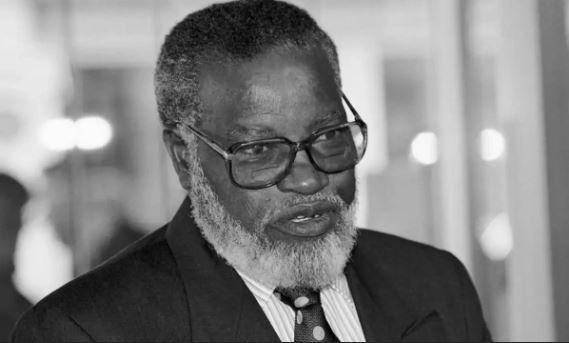
Sam Nujoma (Source: newscentral.africa)

2025 is coming to an end, and there are a few people we said goodbye too, and situations as well. Below are some of them:

  1. This February, on Saturday, February 8 2025Sam Nujoma, Namibia’s first president and founding father passed away at the age of 95. Nujoma led the long fight for independence from South Africa for many years, which culminated with independence on 21 March 1990 of South West Africa, as the country was formerly known. So Long to Sam Nujoma, Namibia’s First President.
  2. In April, Amadou, of the Malian duo Amadou and Mariam passed away at their home in Bamako, Mali. The Grammy-nominated duo Amadou & Mariam was a blind duo from Mali. They both met at the Institute for the young blind in Bamako in 1976 and their song “Je pense a toi” helped them get world fame. So Long to Malian Singer, Member of Duo Amadou & Mariam
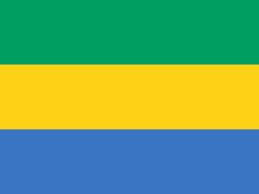
  3. Flag of Gabon

    Brice Oligui Nguema of Gabon, the coup leader who kicked Ali Bongo out of power, the one the West lauds so much, traded his military fatigues for a suit and won the elections by a landslide with a score worthy of a Banana Republic, 90.35%! and Yes, he got all the accolades of the West! This was a total imposture! Recall that Oligui Nguema took the power when the populations protested the presidential elections when Ali Bongo was declared winner instead of the rightful winner who was Albert Ondo Ossa; thus Nguema should have stepped in to right the wrong by putting on the one the people had voted for; instead he took over under the applause of the “international community”. Gabon and the Double Standards of the International Community, and Gabon Oligui Nguema Wins by Landslide.

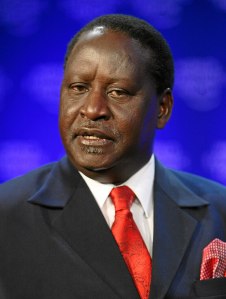
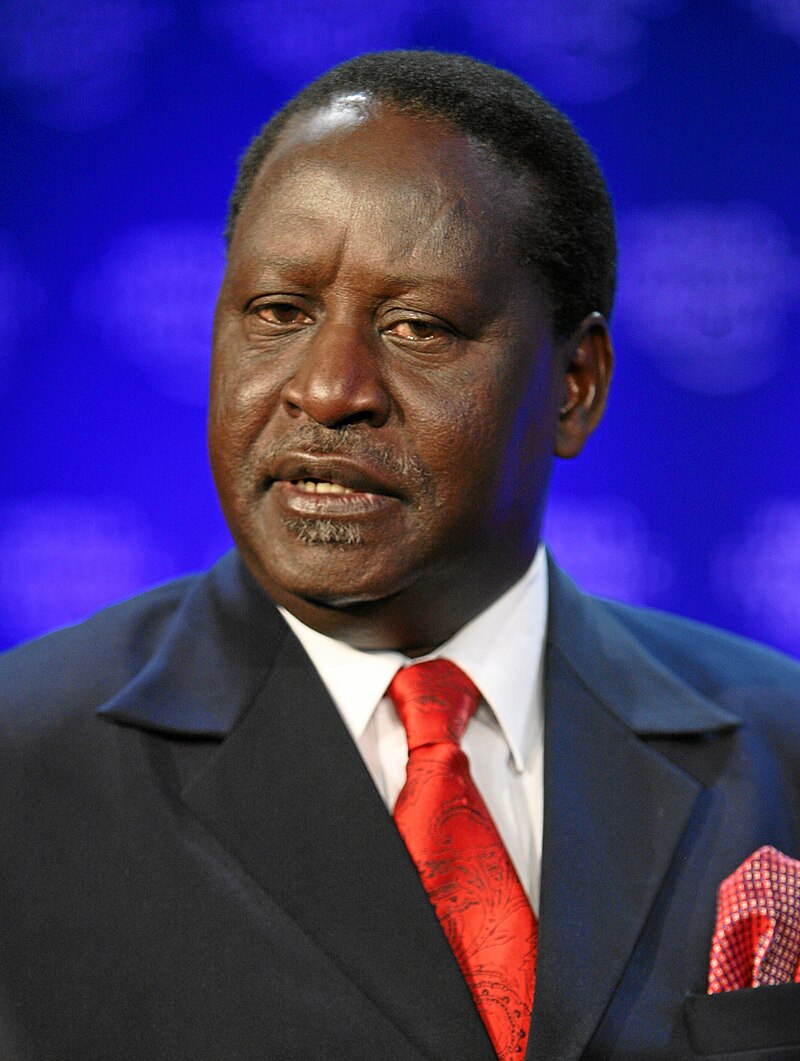
  4. Raila Odinga (Source: World Economic Forum)

    This year Kenya, and the whole of Africa said goodbye to Raila Odinga, the inevitable and greatest opposition leader and fighter to the end for Kenyan democracy. Raila Odinga had been a dominant unavoidable force in Kenyan politics for over 30 years. He was a baobab in Kenya’s political scene, who has always fought for the freedom and democracy in Kenya. Out of the past 5 elections, 1997, 2007, 2013, 2017, and 2022, he had always contested, came second, and even narrowly won to the point that there have always been disputes which have gone as far as civil unrest as in 2007… even the last elections which saw Ruto win were tight with the presence of Odinga. So Long to Raila Odinga, Fighter to the End for Kenyan Democracy, and Raila Odinga in His Own Words.

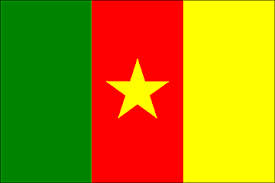
  5. Flag of Cameroon

    Cameroonians saw another weird presidential elections. Not sure if what happened there was a real election. Paul Biya was reelected for a 7th term after 43 years as president of the country, with 20 before as minister and prime minister. This would mark 43 years of walking backwards for Cameroon… no electricity, no water in most places, and major cities overflowing with refuse.  After a magic trick in the 11th hour, where by a switch of a virtual pen, the best and strongest opponent, Maurice Kamto, was removed from the presidential election contest; then the elections took place with another opponent who barely 2 months before was a minister to the regime Issa Tchiroma. To be honest, after 43 years, there is no doubt that anybody would win against the incumbent. Cameroon – Where Self-Hate is used to Keep a Country in Bondage, and Cameroon – History Repeats Itself ? Since then, there have been protests in the country.

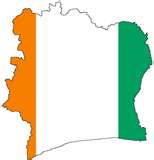
  6. La Cote d'Ivoire
    La Cote d’Ivoire

    Alassane Ouattara, president of Cote d’ivoire, was reelected for a 4th term he was not supposed to be able to run for (in view of the country’s constitution), after selectively eliminating some of the major contenders like Laurent Gbagbo and Tidjane Thiam, leaving only a few such as Simone Gbagbo, Jean-Louis Billon, Ahoua Don Mello, and Henriette Lagou Adjoua. He won the elections with another Banana Republic-type score of 91.2%. Wow! The hijacking of the constitution and Ivorian freedom continues! Given that he serves well Western interests, he was congratulated for his reelection.

  7. Flag of Tanzania

    President Samia Suhulu Hassan of Tanzania was elected under shady circumstances and protests. The protests were suppressed in blood; it has been said that since the October 29 elections, there have been more than 2,000 detained, vehicles and buildings burned, and hundreds of deaths. Even the lady was inaugurated under tight security. Recall that she was never elected, but rather came to power after President John Magufuli passed away in office (So Long to President John Magufuli of Tanzania: The Bulldozer). She won with another kafkaesque score of 97%, after the country’s two main opposition parties were barred and the main opposition leader, Tundu Lissu, was imprisoned. Only seen on our continent! This is a clear hijacking of the freedom of Tanzanians; which we will go as far as calling it a coup against the people’s will.

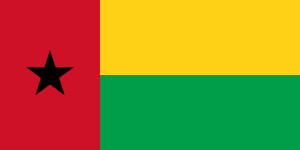
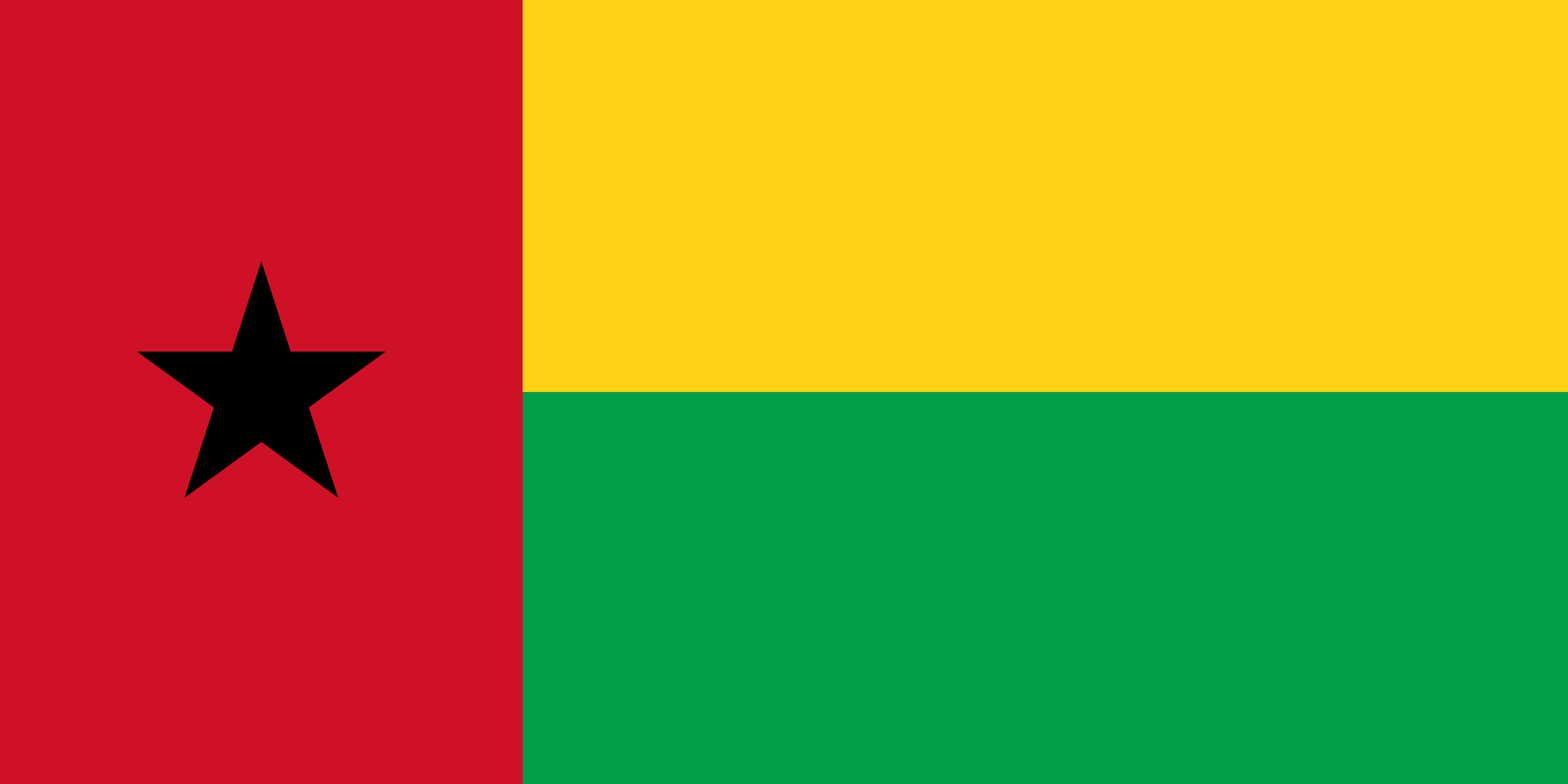
  8. Flag of Guinea Bissau

    There was a coup d’etat in Guinea-Bissau, which looks more like a fake coup. Unlike other places, the coup d’etat was not condemned by ECOWAS or other places; and nobody was called junta by the West. Thus, Guinea Bissau traded Umaro Sissoco Embalo for a general he chose. Recall that he was not even supposed to run for elections, and violated his country’s constitution. He first ran into exile in Senegal, but later moved to the Republic of Congo; he has been accused by opposition and international figures such as former Nigerian president and election monitor Goodluck Jonathan of staging the coup to avoid losing the election against Fernando Dias da Costa. Since it was staged, nobody has called the newcomers, led by Horta Inta-A Na Man, as junta like for the Sahel.

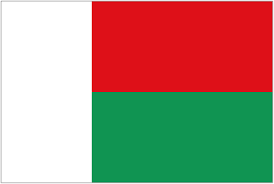
  9. Flag of Madagascar

    There was a coup in Madagascar (2025 Malagasy coup d’état) which saw the fall of President Andry Rajoelina, the DJ who had previously been installed by France, and had also come into power after a coup against Marc Ravalomanana who was not accepted by the West. Macron and France helped fly Rajoelina out to safety in Dubai where he now resides. The new man in charge is general Michael Randrianirina. This coup started by the protests of the populations against power cuts and water outages which have been very common nationwide especially in the capital Antananarivo… they were met with violence from the government police… then it went on, until the army stepped up, and took Rajoelina out. Goodbye to Rajoelina, and welcome to Randrianirina … we hope that he will work for the Malagasy people.

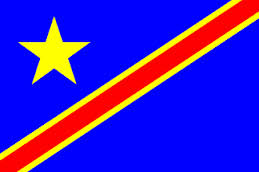
  10. Flag of the Democratic Republic of Congo

    The Democratic Republic of Congo (DRC) signed a “peace” agreement with Rwanda. It started The Declaration of Principles between the Democratic Republic of Congo (DRC) and Rwanda signed in June by DRC and Rwanda foreign affairs ministers including the American Secretary of State. This was later ratified in December by both presidents Felix Tshisekedi of DRC and Paul Kagame of Rwanda in presence of the American President Donald Trump. As we had pointed out, how could a peace agreement with DRC be signed which does not clearly state that Rwanda is the aggressor of the DRC? How can there be a peace agreement, if Rwanda does not admit to its crimes against the Congolese people? Why is there no mention of the close to 10 million dead Congolese from this 30-year-old conflict? What sort of a peace is that if there is no justice? Well, to prove us right, new conflicts started in the region immediately after the signature of the agreement, or rather they never stopped. Peace Agreement between the Democratic Republic of Congo (DRC) and Rwanda: Is this for Real? Thus, the DRC is still under attack. We should tell all these Congolese and African politicians to stop signing documents in fear… nothing good comes out of negotiating from a position of fear!

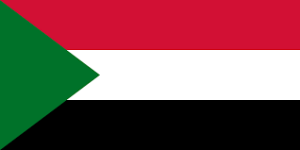
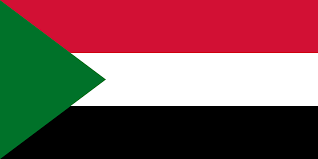
  11. Flag of Sudan

    As the year closes, the civil war is still ongoing in Sudan, all of that under the eyes of the “international” community. Sudan’s brutal civil war has dragged on for over years, displacing millions and killing in excess of 150,000 people. This is now among one of the deadliest conflict in the world today. Our hearts go out to our Sudanese brothers and sisters.
The Declaration of Principles between the Democratic Republic of Congo (DRC) and Rwanda

Flag of the Democratic Republic of Congo

Last Tuesday, April 22, 2025, there was a big concert in Paris – Solidarite Congo, in solidarity for the victims of war in the eastern part of the Democratic Republic of Congo (DRC). The concert featured some of Congo’s finest artists and from other African countries as well: Gims, Bisso na Bisso, Moise Mbiye, Dadju, Youssoupha, Singuila, Sidiki Diabate, Fally Ipupa and many others. It was a real success considering how much it had been torpedoed by the Rwandan government.

Flag of Rwanda

Last week also, on April 25, 2025, we saw the Foreign ministers of the DRC and Rwanda, Therese Kayikwamba Wagner and Olivier Nduhungirehe, respectively, under the mediation of the United States Secretary of State Marco Rubio sign a “Declaration of Principles.” This is an agreement which aims at restoring peace, stability, and economic cooperation in eastern DRC. Thus, the DRC and Rwanda agreed to draft a peace deal by May 2. As we have said countless times, these treaties should be made public so that the future of our nations is not signed away without our consent [African Governments should make Contracts Public to their Populations!]!

Democratic Republic of Congo (DRC) mineral map (Source: Atlas du continent africain, Jeune Afrique et editions Jaguar, 2000)

Some of the key points of this declaration of principles are : 1) mutual recognition – both nations pledge to respect the territorial integrity of the other and its sovereignty : not sure why both, since the Rwanda of Paul Kagame has always been the aggressor and the one not respecting and violating the DRC territory and people. 2) End the support to armed group, thus committing both governments to halt military support for non-state armed groups – again, not sure why both when we all know that Rwanda is the culprit. 3) Humanitarian efforts with the return of the displaced populations – how? when the culprits have not even been openly named? 4) Economic cooperation – the US will facilitate investments in infrastructure, mining, and regional trade – the US have always been in the great lakes region funding Rwanda against the DRC under Clinton and subsequent governments; what will change now? 5) Security coordination with the MONUSCO and joint forces – how can someone trust this organization of the United Nations which has produced zero results in over 30 years in eastern DRC?

As you can see, the treaty does not mention the culpability of Rwanda. How can the DRC sign a treaty which does not even state that the other party is guilty? What sort of a peace is that if the aggressor does not even acknowledge its crime? How can the rapist and its victim sit at the same table and they both talk of both pledging for peace? How? Over the past few months, the pressure was mounting from all sides on the Rwandan side which was running on its last cards; and then DRC signed this?

We are told that the treaty will come out tomorrow May 2. If this is what will be in there, then the people of the DRC, and all of Africa have marched for Congo for … nothing, and once again the people have been betrayed? Qui vivra verra!

All Support to Charles Onana as Trial against Him begins

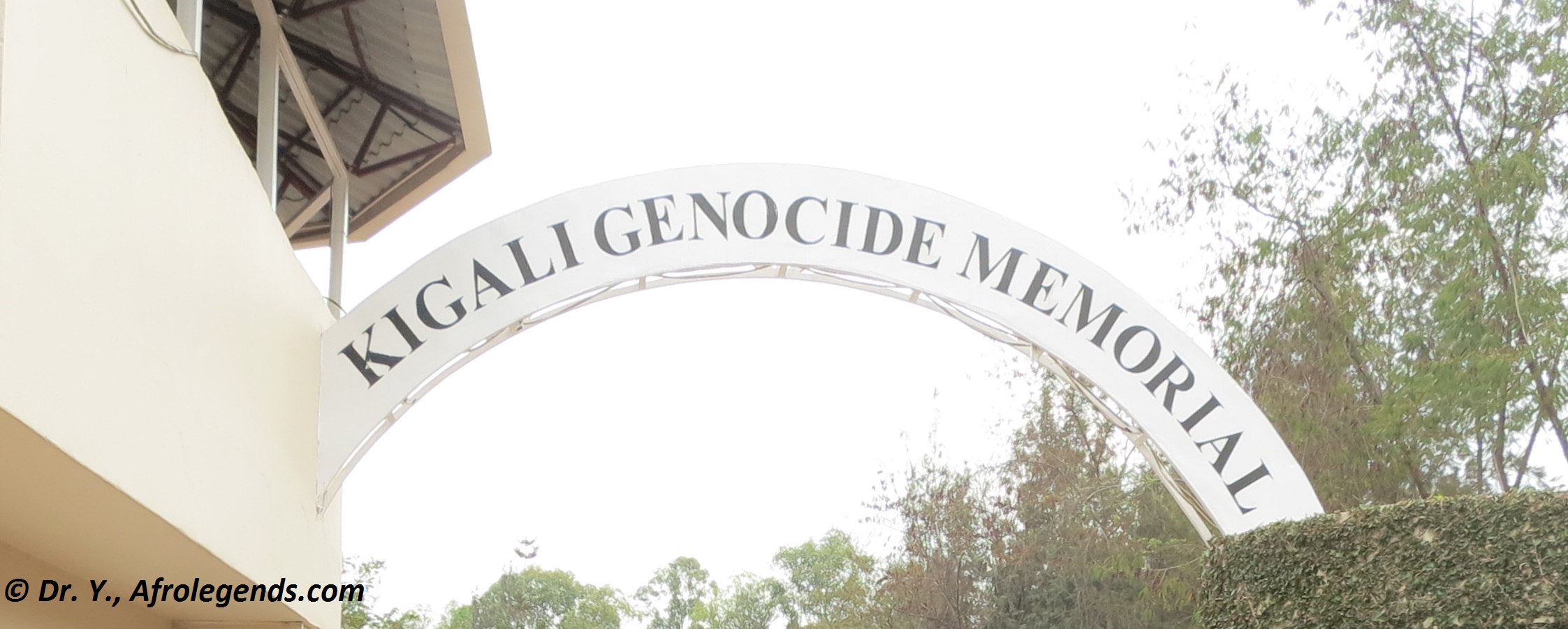
Kigali Genocide Memorial, Kigali, Rwanda

The trial against Charles Onana opened up yesterday, Oct. 7th, in Paris, France, and he is being accused of complicity in contesting the 1994 Rwandan genocide. Under French law, it is an offence to deny or “minimize” the fact of any genocide that is officially recognized by France. Mr Onana’s trial will be “historic, since there is not yet any case law strictly speaking related to Rwanda” on questions of Holocaust denial, as Camille Lesaffre, campaign manager for NGO Survie, one of the organizations which brought the case forward, told AFP.

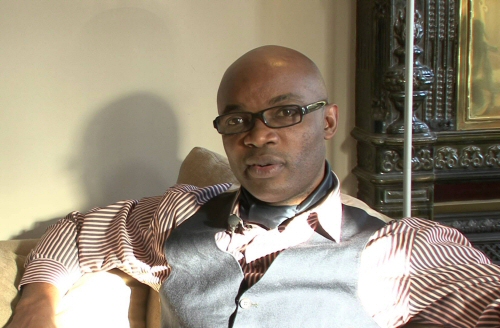
Charles Onana

Friends, please rise in support of the Franco-Cameroonian author and journalist Charles Onana. Onana has been among those who have questioned the narrative of the Rwandan genocide of 1994 (NOT whether it happened or not) and by extension the Congolese genocide which has been ongoing for almost 3 decades and been swept under the rug. Thanks to his constant hammering, and his books, many now know that there is an ongoing genocide in the East of the Democratic Republic of Congo (DRC), and more importantly that, these massacres have been going on for the past 30 years, and above all that Congo’s destabilization is coming from Rwanda, which serves as a pawn for foreign powers who want a part in the enormous resources of the DRC.

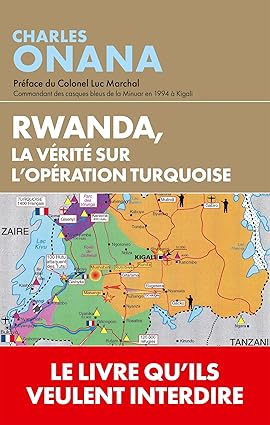
“Rwanda, la Verite sur l’Operation Turquoise” de Charles Onana

I have listened to Onana on several occasions and have read several of his books: nowhere does he question the Rwanda genocide or its happening; he is not a negationist. As his lawyer, Emmanuel Pire, told the AFP news agency, his book published 5 years ago, was the work of a political scientist based on 10 years of research to understand the mechanisms of the genocide before, during and after”. Over the past 25 years, Onana has meticulously documented and questioned first the narrative about the place of France in the Rwandan genocide via its Operation Turquoise (Rwanda, la vérité sur l’opération Turquoise : Quand les archives parlent enfin). On April 6, 1994, the airplane transporting 2 sitting presidents, presidents Juvénal Habyarimana of Rwanda and Cyprien Ntaryamira of Burundi was shot in mid-air; to date, it has not brought an uproar as to how or why the plane of 2 presidents had been shot down. This is what really triggered Onana’s interest in the region: if it were anywhere in the world, this would have produced an uproar and multitudes of investigations, but somehow, in the case of Africa, it has been total silence. In 2006a French investigation concluded that Paul Kagame, president of Rwanda, was responsible for the killing, to which Kagame responded that the French were only trying to cover up their part in the genocide. We know that since Sarkozy, France has been playing the kissing game with Rwanda.

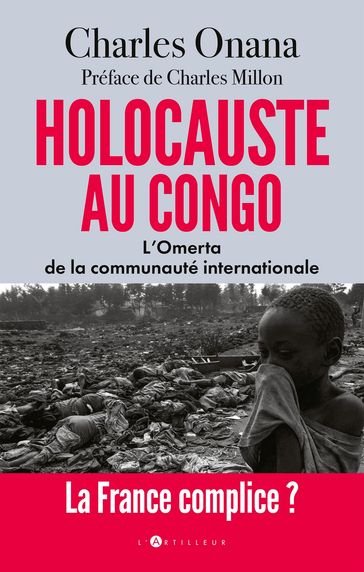
“Holocauste au Congo, L’Omerta de la Communaute Internationale” by Charles Onana

In his works, Charles Onana simply demonstrates that since 1994, the world has been witnessing the masked invasion of Congo by militias and troops of Paul Kagame, sponsored by the West. His latest book, “Holocaust in Congo, the International Community’s Omerta” is a true gem. Onana has even brought a case, on October 4, against the president of Rwanda, after receiving death threats.

Over the years, Onana has detailed and stood for the Congolese, and now, thanks to his work, and those of others, people now know that there is a silent genocide in the east of Congo which has been going on for almost 3 decades and whose victims approximate over 10 millions deaths, 500,000 raped women, and yet the world has been silent, even though some like Dr. Denis Mukwege, Nobel Peace Laureate, are being recognized for their work helping the victims of those attacks.

The questions should be: why is there a silence on the genocide of the Congolese people? Why is there a silence on the aggression of troops supported by Rwanda on Congo? How can there be a systematic killing of millions of people in a country, and total silence? Who benefits from this? Then people will talk of the international community as a group which represents the world… NO… the international community only serves the interests of the few who benefit from Congo, the geological scandal that it is, being brought to its knees. Let’s all come out in support of Charles Onana.

Why the Name : Kigali?

Rwanda_map3
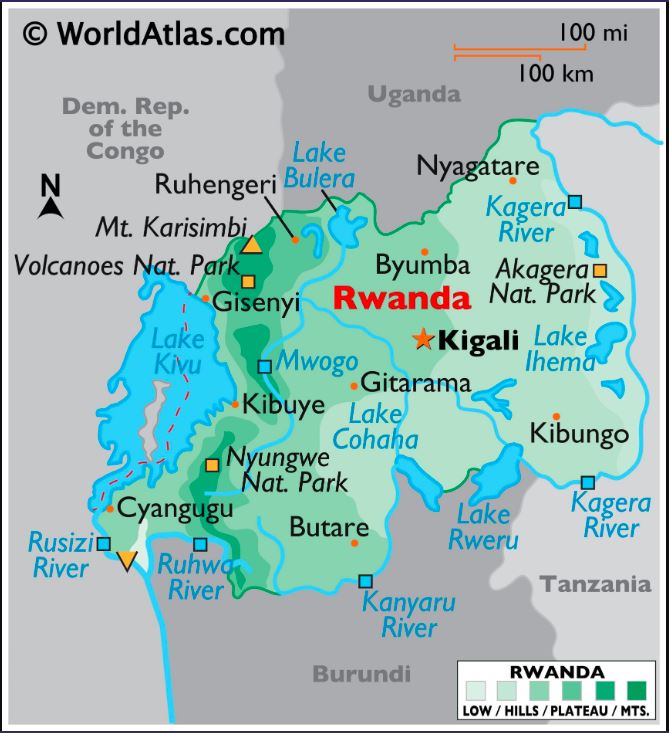
Map of Rwanda (Source: WorldAtlas.com)

Have you ever wondered about the meaning of the name Kigali, the capital of Rwanda? Is the name from the ancient Kingdom of Rwanda? Was Kigali its capital? Or is it the name of a local town the colonizer decided to turn into the seat of a new protectorate state in Africa?

Rwanda_Kigali
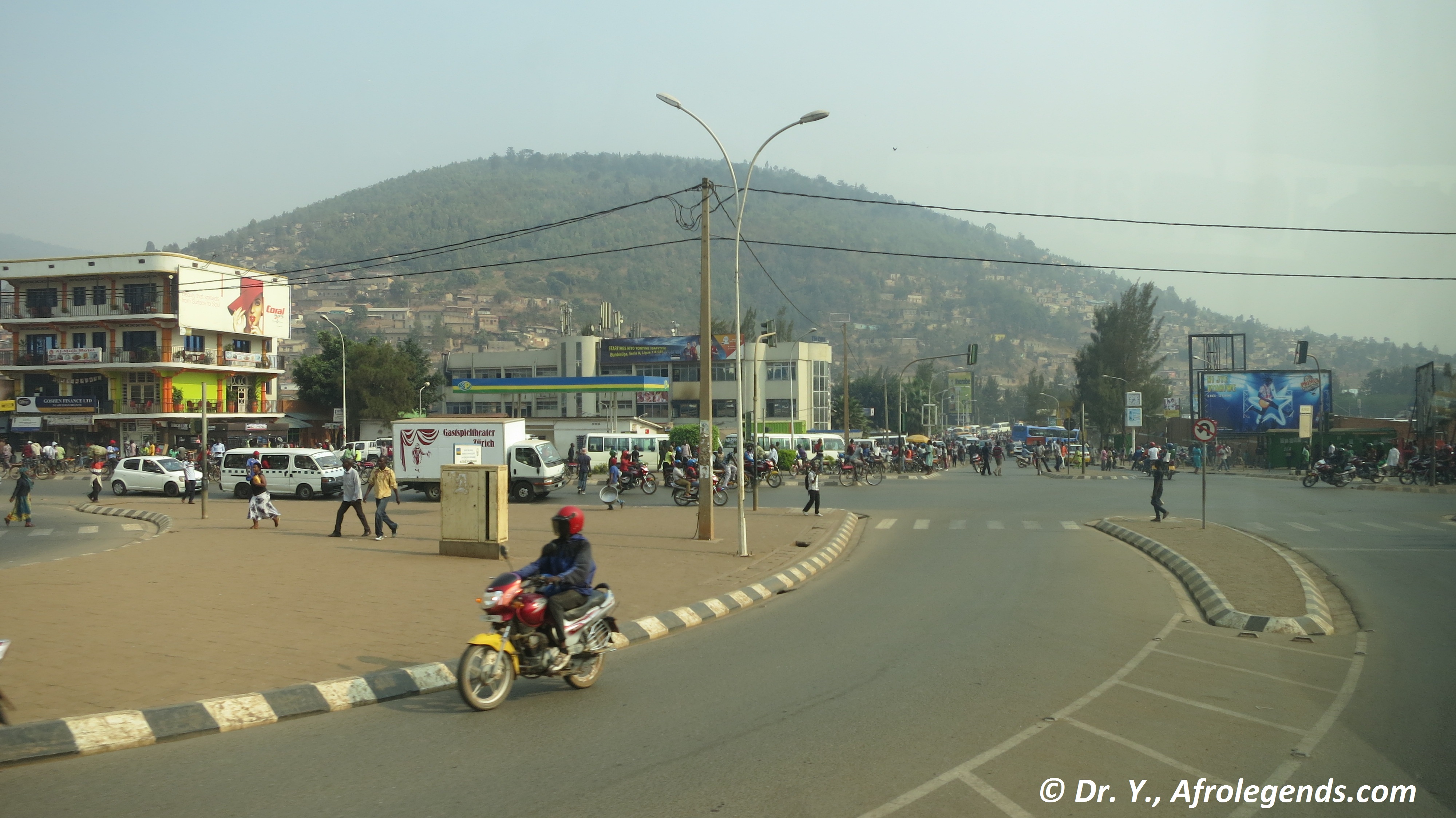
Boulevard in Kigali, Rwanda

Well, Kigali takes its name from Mount Kigali at the foothills of which the city is located. In Kinyarwanda, the prefix ki- denotes objects, while the adjective –gali means ‘vast’, ‘broad’, ‘wide’. Thus the translation of the name Kigali yields ‘great or big mount’ or ‘vast mountain,’ because the mountain itself is broad and wide. However, based on oral tradition, it is said that the name might have originated in the 14th century when local king Rugwe after conquering the area stood on top of the hill and stated “burya iki gihugu ni Kigali,” which translates to “this country is vast.” Note that the capital of the Kingdom of Rwanda was never Kigali, but Nyanza.

Rwanda_Kigali_City Hall
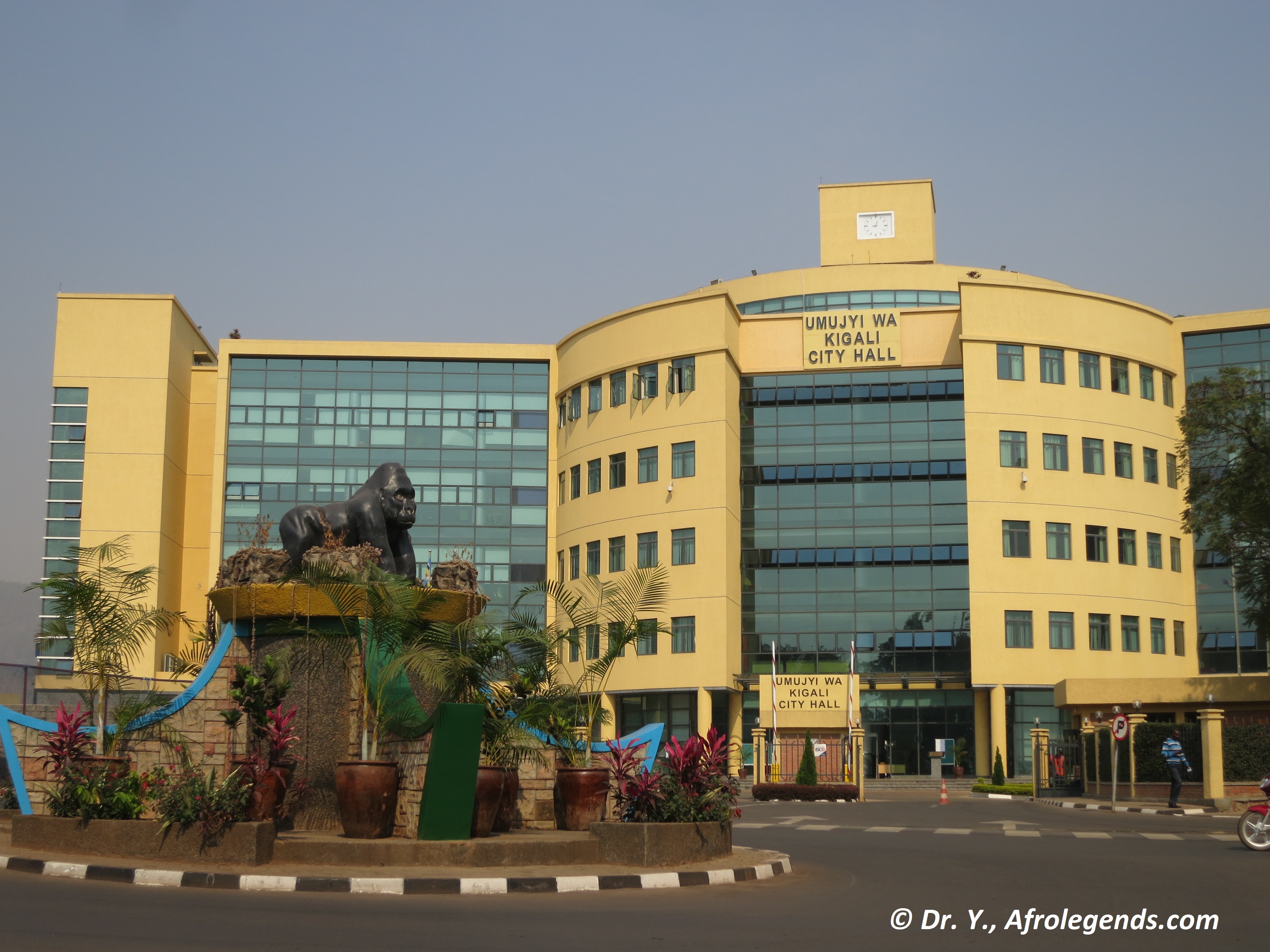
Kigali City Hall, Kigali, Rwanda

The city was established in 1907 by the German administrator and explorer Richard Kandt, who chose Kigali for its central location, and good views of the entire region (security-wise). Perched at an altitude of 1500 m, Kigali is made up of rolling hills and valleys, thus it is quite a strategic point. Kandt’s house was the first European house in the city, and is still in use today as the Kandt House Museum of Natural History. Very often to destroy the power of traditional and local kingdoms, colonial main cities and capitals were chosen away from the usual centers of power which might have carried a lot of the indigenous people’s traditions and thus caused a resistance to the colonial rule; this could also explain the choice of Kigali as the capital.

Rwanda_Kigali_Genocide Memorial
Kigali Genocide Memorial, Kigali, Rwanda

Kigali became the capital upon independence in 1962. Two other cities were considered as contenders for the title of capital, Nyanza the seat of the Mwami and the capital of the ancient kingdom, and Butare which was considered a cultural and religious center. Yet again Kigali won over the other two because of its central location. Over the years, Kigali has grown and expanded.  However, the Rwandan civil war and  Rwandan genocide of 1994 cast a dark cloud over Kigali, the Rwandan sky, and the entire sub-region. Over 800,000 people died during that time, which marked one of the darkest times in the history of the country. Today, one can still visit the Genocide Memorial in Kigali to remember those whose lives were taken.

Rwanda_Kigali_Hotel des Mille Collines
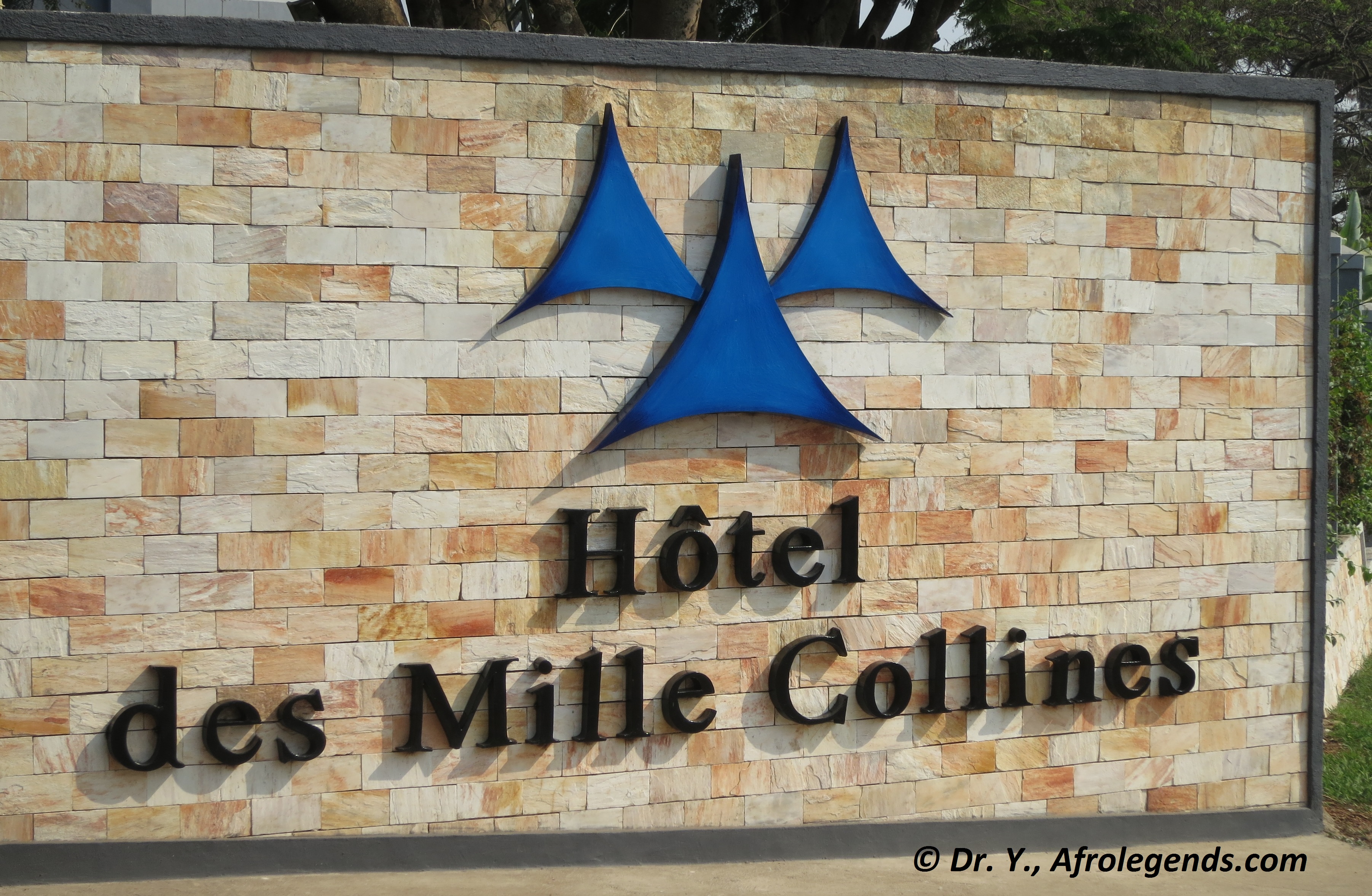
Hotel des Mille Collines which at the height of the 1994 genocide housed over 1200 Hutus and Tutsis refugees, and was made famous by the movie Hotel Rwanda with his general manager Paul Rusesabagina who has been abducted from exile in 2020 and is currently jailed in Kigali by the Kagame regime

Today, Kigali has expanded tremendously, and grown significantly. Much of the city has been rebuilt, and today flourishes. It is the economic and financial hub of the country. In 2013, the economy was reported to be dependent on foreign aid and illegal resource extraction from the DRC. I once read comments from a member of the Rwandan financial ministry who explained that they were finding new precious stones or minerals every day on Rwandan soil… in reality, it is from neighboring DRC.

Overall, Kigali knows cooler temperatures than most countries around the equator, because of its high elevations. The city is particularly lauded for its cleanliness, innovation, and foreign investments. The quick turnaround and rebuilding of Kigali and Rwanda as a whole has made it a key player in all continental organizations. Although many criticize the government of Paul Kagame, it is no doubt that Kigali and Rwanda have experienced undeniable growth, thanks to a combination of the neighbor’s wealth and good governance.

Rwanda_Kigali_Amahoro Stadium
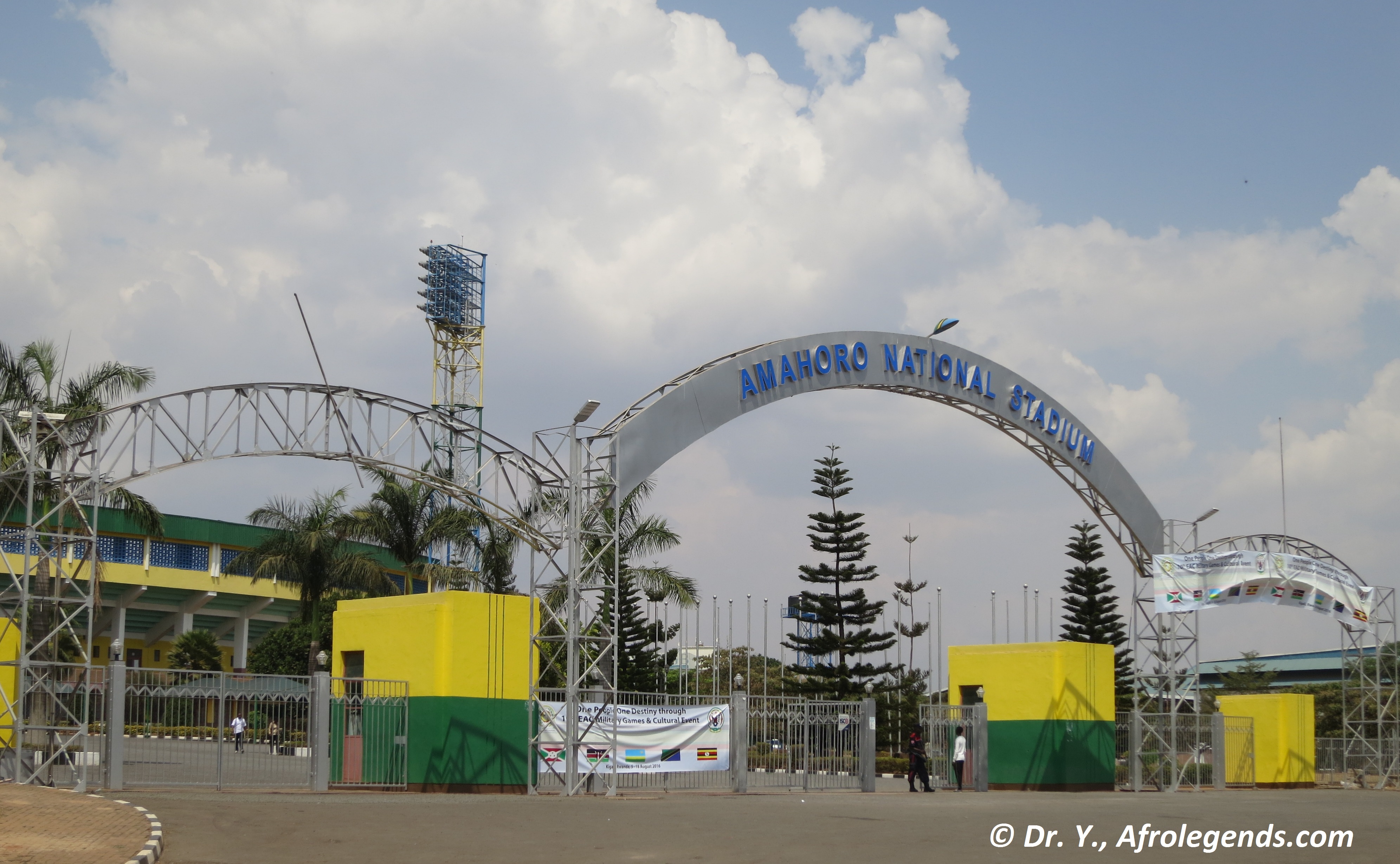
Amahoro National Stadium entrance in Kigali, Rwanda

If you visit Kigali and Rwanda as a whole, please make sure to check your plastic bags at your point of origin as plastic bags are prohibited on Rwandan soil. Make sure to visit the Kigali Genocide Memorial, the Amahoro Stadium, the Presidential Palace Museum which was the abode of past president Juvénal Habyarimana, the Muslim mosque of the city, and the different craft centers. The city expands along all the different hills, and so make sure to ride around on the moto-taxis or use public transportation, and do not forget to buy the famous agaseke baskets for which Rwandans and Burundians are known for.