Speech from Andrianampoinimerina, the First King of the Unified Merina Kingdom

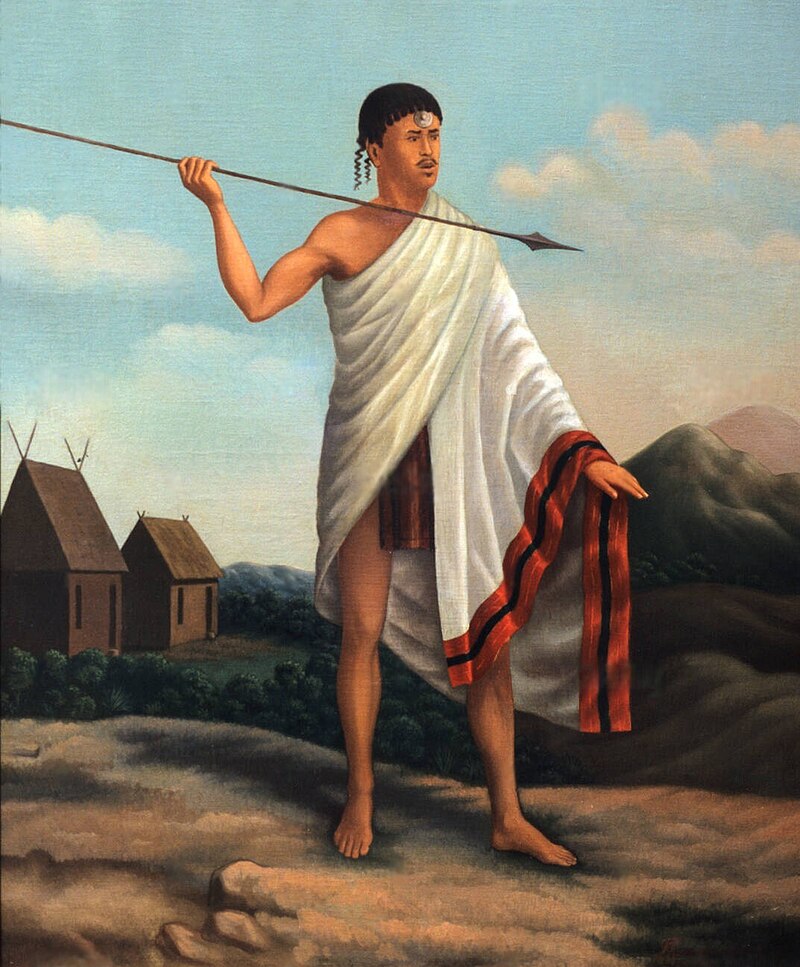
Andrianampoinimerina, portrait painted around 1905 by Ramanankirahina

As we learned, Andrianampoinimerina is known as the first Ruler of the Kingdom of Imerina in Madagascar, the one who unified the Merina people of Central Madagascar. His reign was marked by the reunification of the Imerina after 77 years of civil war, and he also led the subsequent expansion of his kingdom to nearby territories, thereby initiating the unification of Madagascar under Merina rule. His legacy was followed by his son Radama I who successfully continued it, unifying 2/3 of the great island under his rule.
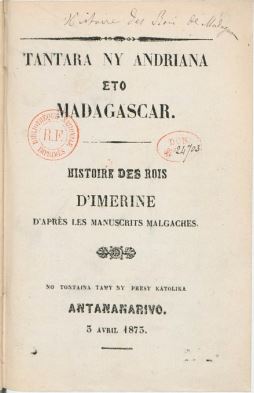
Tantara ny Andriana

Below is an excerpt of Andrianampoinimerina’s speech, taken from the Tantára ny Andriána, edition 1968. It is an immense collection of the oral traditions of Madagascar collected by R.P. Callet, a Jesuit priest from 1868 to 1881. The book is in Malagasy. A French translation was published in 4 volumes by the Malagasy Academy from 1935 to 1958. The numbers at the head of each excerpt indicate the page numbers of the original. 

=====
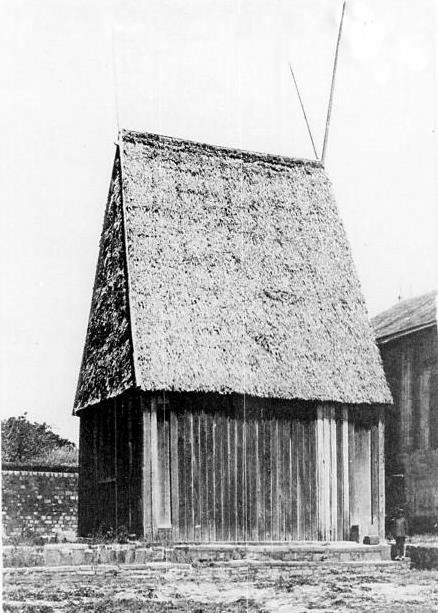
One of King Andrianampoinimerina’s residences within the Rova of Antananarivo, Madagascar

Excerpts from Andrianampoinimerina’s Speech

708.« I see the different castes: all belong to me and all have my affection, he said, and I will unite you; I will make of Imerina a guinea fowl of a single color.»

728.« This is what I will tell you, O Merina: the country and the kingdom are mine; I will share the land with you… to allow you to live… I will give a rice field to each man; I will see to it that all the Ambaniandros1 have the same belly. »

731.« Here is the forest: I make it the great undivided heritage, the means of subsistence for orphans, for single women, for all the unfortunate… whoever goes there, do not prevent them: all will be able to take and act as they please. »

757.« The men guilty of these crimes, even if they were great figures, even if they were caste leaders, even if they were my relatives…, I will put them to death; I will reduce their women and children to slavery and I will confiscate their property… The Merina, my subjects, are like a lámba without inside or back, like the circular and uniform edges of a pot. »
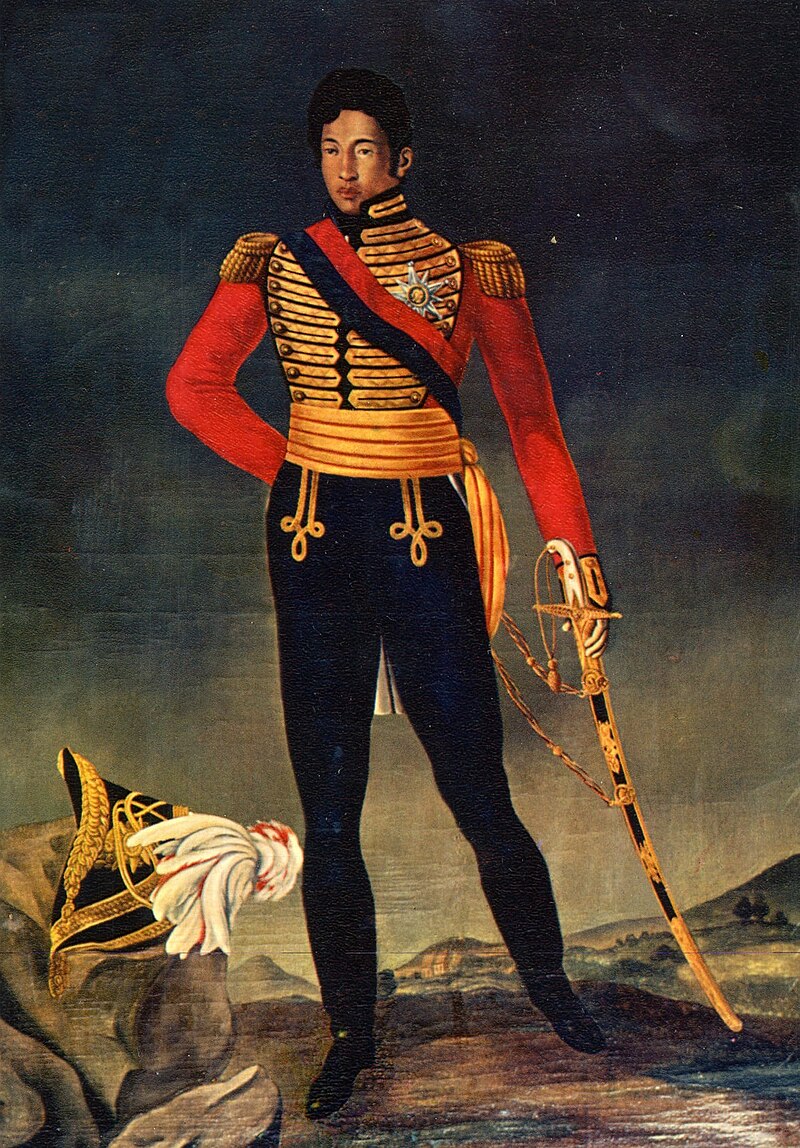
Radama I (c. 1810 – 1828)

802.« There is no other enemy to my kingdom than famine, because one cannot, when hungry, think of the State: the great, then, seek to devour the small, and the small to steal… If there are people who do not work, I invite you, oh my subjects, to cultivate their lands… you will take the harvests, but will give them back their land when they are determined to work it. »

1054.(Excerpt from his recommendations before his death) « O my friends, let Radama be for you a young gosling to whom you will bring what you have conquered… Do not present him with unfaithful reports, do not deceive him. For the King has no parents; he has no brothers; those who obey his instructions and who trust in his laws are his parents… »

1056.«  … and I declare to you too, O Radama, that Imerina is now unified and that the sea will be the limit of your rice field. »

1 « People in the daylight », synonym of Merina

Andrianampoinimera or the Unity of the Imerina Kingdom

Andrianampoinimerina, portrait painted around 1905 by Ramanankirahina

Andrianampoinimerina is known as the first Ruler of the Kingdom of Imerina in Madagascar. He is known as the one who unified the Merina people of Central Madagascar. His reign was marked by the reunification of the Imerina after 77 years of civil war, and he also led the subsequent expansion of his kingdom to nearby territories, thereby initiating the unification of Madagascar under Merina rule. He is a cultural hero who is revered by the Merina people in particular, and all in general. He is known as one of the greatest military and political leaders of the history of Madagascar.

Who was Andrianampoinimerina ? His name means “the king in the heart of Imerina.” He deposed his uncle, King Andrianjafy who had ruled over northern Imerina (Imerina Avaradrano).

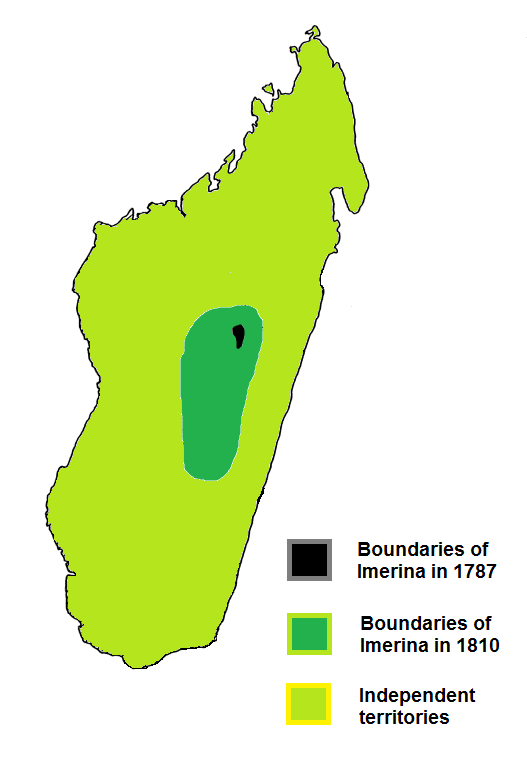
Expansion of Merina Kindgom during reign of Andrianampoinimerina 1787-1810 (Source: Wikipedia)

Andrianampoinimerina was born Ramboasalamarazaka (from the short form: Ramboasalama, Ramboa and Salama to mean “healthy dog” – name given as part of tradition to ward off evil spirits away from a newborn) around 1745 in Ikaloy, in central Madagascar, to Princess Ranavalonandriambelomasina, daughter of King Andriambelomasina of Imerina, and her husband Andriamiaramanjaka, an andriana (noble) of the Zafimamy royal family in the independent kingdom of Alahamadintany to the north of Imerina. His mother’s brother Andrianjafy was named Andriambelomasina‘s successor and was king of Imerina Avaradrano, the northern quadrant of the former Kingdom of Imerina, from 1770 to 1787. Prior to Andrianampoinimerina’s reign, Imerina Avaradrano had been locked in conflict with the three other neighboring provinces of the former kingdom of Imerina which had last been unified under King Andriamasinavalona a century before. Andriamasinavalona divided the kingdom among his four favorite sons; which led to 77 years of civil war and famine. This explains why freedom from famine and unity were very important to Andrianampoinimerina.

Radama I (c. 1810 – 1828)

He deposed his uncle, King Andrianjafy, to take over power in 1787. He ruled under the name of Andrianampoinimerina which means “the venerated or desired Prince of Imerina,” and ruled the Imerina Kingdom for 23 years until 1810. Andrianampoinimerina established his capital at Ambohimanga, which is today a site of great spiritual, cultural and political significance that was designated a UNESCO World Heritage Site in 2001. The king’s original royal lodgings can still be visited at Ambohimanga. Later, he moved the political center to Antananarivo. He expanded his territory through diplomacy, marriage alliances, and military campaigns, absorbing neighboring ethnic groups and regions. Known for his administrative reforms, he developed civil and penal codes, organized public works, and regulated markets. He also strengthened Merina social structures, promoted a state religion centered around his kingship, and built a citizen army.

Today, he is revered as a cultural hero. Andrianampoinimerina laid the foundation for a unified Malagasy identity. His legacy was carried forward by his son, Radama I (Queen Ranavalona I‘s husband), who continued the mission of national unification.