Who/What did We Say Goodbye to in Africa in 2025 ?

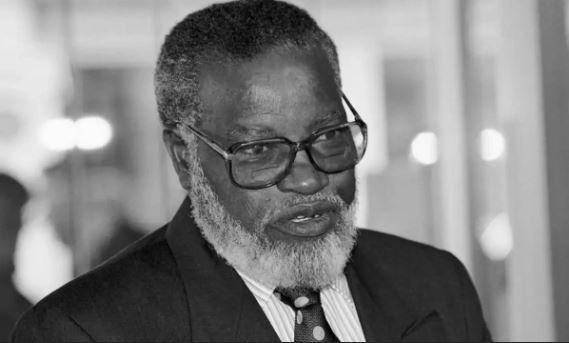
Sam Nujoma (Source: newscentral.africa)

2025 is coming to an end, and there are a few people we said goodbye too, and situations as well. Below are some of them:

  1. This February, on Saturday, February 8 2025Sam Nujoma, Namibia’s first president and founding father passed away at the age of 95. Nujoma led the long fight for independence from South Africa for many years, which culminated with independence on 21 March 1990 of South West Africa, as the country was formerly known. So Long to Sam Nujoma, Namibia’s First President.
  2. In April, Amadou, of the Malian duo Amadou and Mariam passed away at their home in Bamako, Mali. The Grammy-nominated duo Amadou & Mariam was a blind duo from Mali. They both met at the Institute for the young blind in Bamako in 1976 and their song “Je pense a toi” helped them get world fame. So Long to Malian Singer, Member of Duo Amadou & Mariam
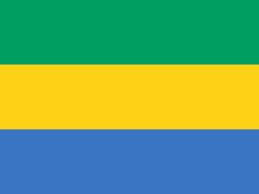
  3. Flag of Gabon

    Brice Oligui Nguema of Gabon, the coup leader who kicked Ali Bongo out of power, the one the West lauds so much, traded his military fatigues for a suit and won the elections by a landslide with a score worthy of a Banana Republic, 90.35%! and Yes, he got all the accolades of the West! This was a total imposture! Recall that Oligui Nguema took the power when the populations protested the presidential elections when Ali Bongo was declared winner instead of the rightful winner who was Albert Ondo Ossa; thus Nguema should have stepped in to right the wrong by putting on the one the people had voted for; instead he took over under the applause of the “international community”. Gabon and the Double Standards of the International Community, and Gabon Oligui Nguema Wins by Landslide.

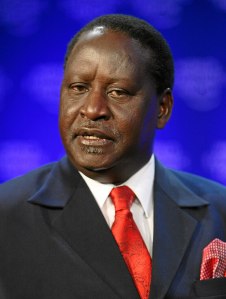
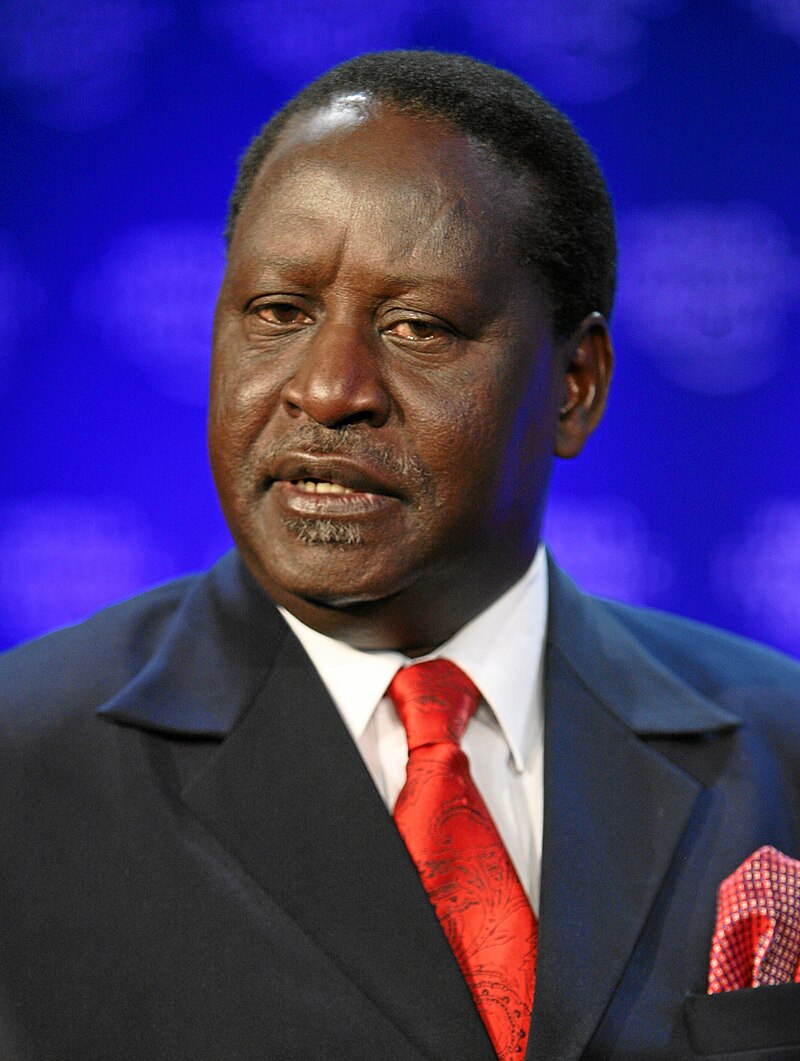
  4. Raila Odinga (Source: World Economic Forum)

    This year Kenya, and the whole of Africa said goodbye to Raila Odinga, the inevitable and greatest opposition leader and fighter to the end for Kenyan democracy. Raila Odinga had been a dominant unavoidable force in Kenyan politics for over 30 years. He was a baobab in Kenya’s political scene, who has always fought for the freedom and democracy in Kenya. Out of the past 5 elections, 1997, 2007, 2013, 2017, and 2022, he had always contested, came second, and even narrowly won to the point that there have always been disputes which have gone as far as civil unrest as in 2007… even the last elections which saw Ruto win were tight with the presence of Odinga. So Long to Raila Odinga, Fighter to the End for Kenyan Democracy, and Raila Odinga in His Own Words.

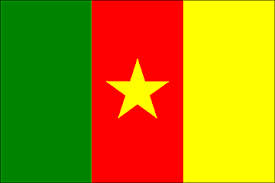
  5. Flag of Cameroon

    Cameroonians saw another weird presidential elections. Not sure if what happened there was a real election. Paul Biya was reelected for a 7th term after 43 years as president of the country, with 20 before as minister and prime minister. This would mark 43 years of walking backwards for Cameroon… no electricity, no water in most places, and major cities overflowing with refuse.  After a magic trick in the 11th hour, where by a switch of a virtual pen, the best and strongest opponent, Maurice Kamto, was removed from the presidential election contest; then the elections took place with another opponent who barely 2 months before was a minister to the regime Issa Tchiroma. To be honest, after 43 years, there is no doubt that anybody would win against the incumbent. Cameroon – Where Self-Hate is used to Keep a Country in Bondage, and Cameroon – History Repeats Itself ? Since then, there have been protests in the country.

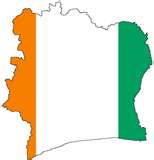
  6. La Cote d'Ivoire
    La Cote d’Ivoire

    Alassane Ouattara, president of Cote d’ivoire, was reelected for a 4th term he was not supposed to be able to run for (in view of the country’s constitution), after selectively eliminating some of the major contenders like Laurent Gbagbo and Tidjane Thiam, leaving only a few such as Simone Gbagbo, Jean-Louis Billon, Ahoua Don Mello, and Henriette Lagou Adjoua. He won the elections with another Banana Republic-type score of 91.2%. Wow! The hijacking of the constitution and Ivorian freedom continues! Given that he serves well Western interests, he was congratulated for his reelection.

  7. Flag of Tanzania

    President Samia Suhulu Hassan of Tanzania was elected under shady circumstances and protests. The protests were suppressed in blood; it has been said that since the October 29 elections, there have been more than 2,000 detained, vehicles and buildings burned, and hundreds of deaths. Even the lady was inaugurated under tight security. Recall that she was never elected, but rather came to power after President John Magufuli passed away in office (So Long to President John Magufuli of Tanzania: The Bulldozer). She won with another kafkaesque score of 97%, after the country’s two main opposition parties were barred and the main opposition leader, Tundu Lissu, was imprisoned. Only seen on our continent! This is a clear hijacking of the freedom of Tanzanians; which we will go as far as calling it a coup against the people’s will.

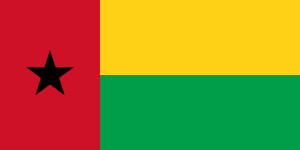
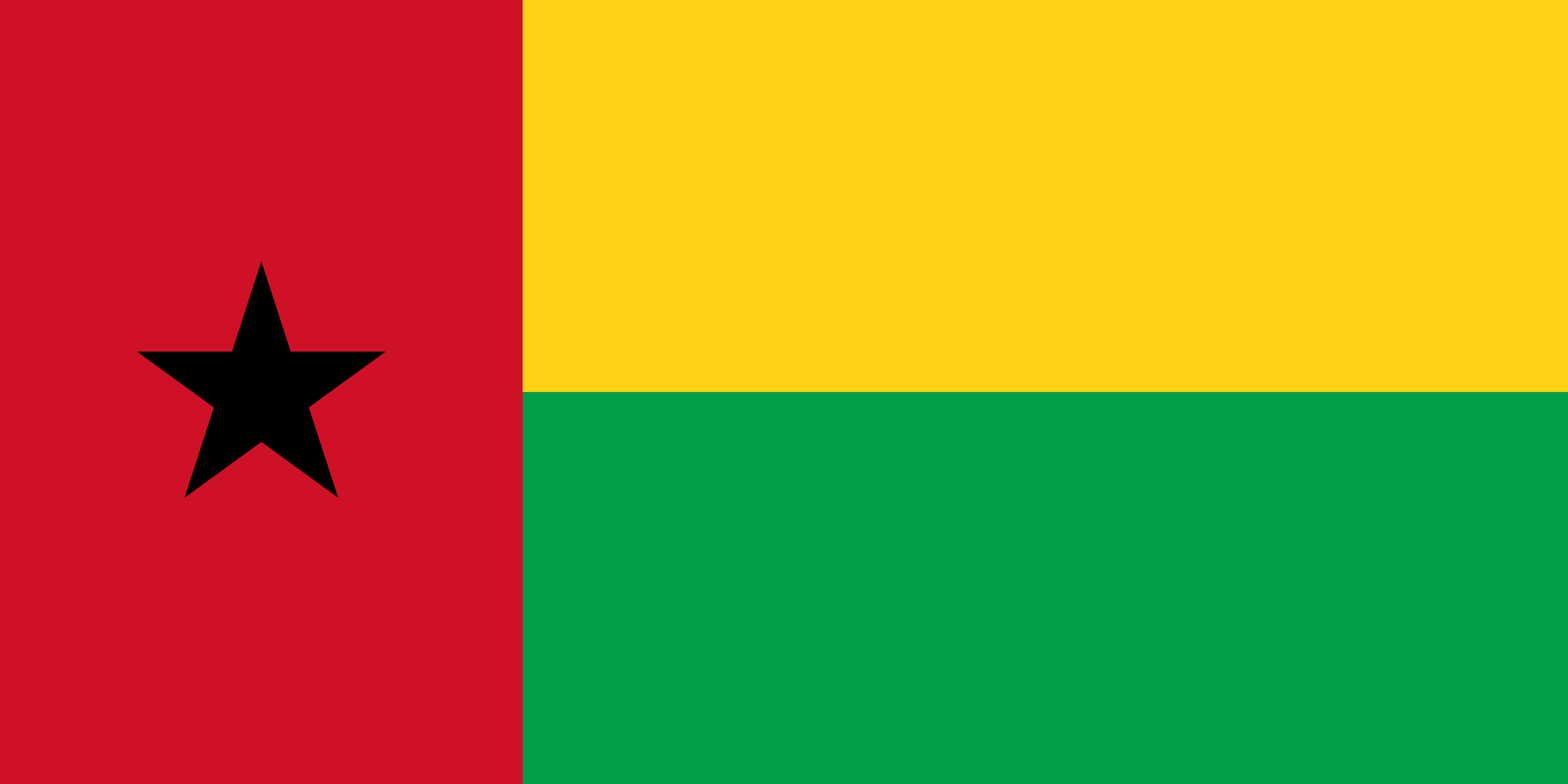
  8. Flag of Guinea Bissau

    There was a coup d’etat in Guinea-Bissau, which looks more like a fake coup. Unlike other places, the coup d’etat was not condemned by ECOWAS or other places; and nobody was called junta by the West. Thus, Guinea Bissau traded Umaro Sissoco Embalo for a general he chose. Recall that he was not even supposed to run for elections, and violated his country’s constitution. He first ran into exile in Senegal, but later moved to the Republic of Congo; he has been accused by opposition and international figures such as former Nigerian president and election monitor Goodluck Jonathan of staging the coup to avoid losing the election against Fernando Dias da Costa. Since it was staged, nobody has called the newcomers, led by Horta Inta-A Na Man, as junta like for the Sahel.

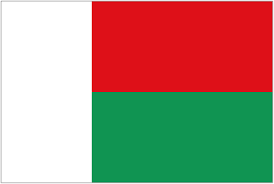
  9. Flag of Madagascar

    There was a coup in Madagascar (2025 Malagasy coup d’état) which saw the fall of President Andry Rajoelina, the DJ who had previously been installed by France, and had also come into power after a coup against Marc Ravalomanana who was not accepted by the West. Macron and France helped fly Rajoelina out to safety in Dubai where he now resides. The new man in charge is general Michael Randrianirina. This coup started by the protests of the populations against power cuts and water outages which have been very common nationwide especially in the capital Antananarivo… they were met with violence from the government police… then it went on, until the army stepped up, and took Rajoelina out. Goodbye to Rajoelina, and welcome to Randrianirina … we hope that he will work for the Malagasy people.

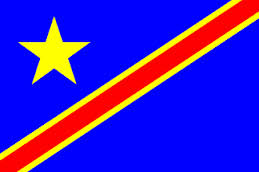
  10. Flag of the Democratic Republic of Congo

    The Democratic Republic of Congo (DRC) signed a “peace” agreement with Rwanda. It started The Declaration of Principles between the Democratic Republic of Congo (DRC) and Rwanda signed in June by DRC and Rwanda foreign affairs ministers including the American Secretary of State. This was later ratified in December by both presidents Felix Tshisekedi of DRC and Paul Kagame of Rwanda in presence of the American President Donald Trump. As we had pointed out, how could a peace agreement with DRC be signed which does not clearly state that Rwanda is the aggressor of the DRC? How can there be a peace agreement, if Rwanda does not admit to its crimes against the Congolese people? Why is there no mention of the close to 10 million dead Congolese from this 30-year-old conflict? What sort of a peace is that if there is no justice? Well, to prove us right, new conflicts started in the region immediately after the signature of the agreement, or rather they never stopped. Peace Agreement between the Democratic Republic of Congo (DRC) and Rwanda: Is this for Real? Thus, the DRC is still under attack. We should tell all these Congolese and African politicians to stop signing documents in fear… nothing good comes out of negotiating from a position of fear!

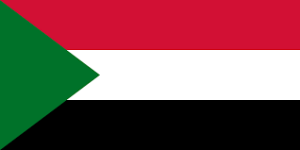
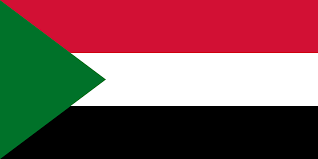
  11. Flag of Sudan

    As the year closes, the civil war is still ongoing in Sudan, all of that under the eyes of the “international” community. Sudan’s brutal civil war has dragged on for over years, displacing millions and killing in excess of 150,000 people. This is now among one of the deadliest conflict in the world today. Our hearts go out to our Sudanese brothers and sisters.
Who/What did we say Goodbye to in Africa in 2021?

2021 was no doubt a tough year the world over, with a continued global pandemic, stressed economies, and much more. What a year! Africa said goodbye to quite a few people, events, and more. Below are a selection of 10 events of 2021. I am sure that I have left quite a few out…

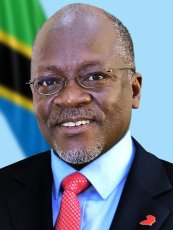
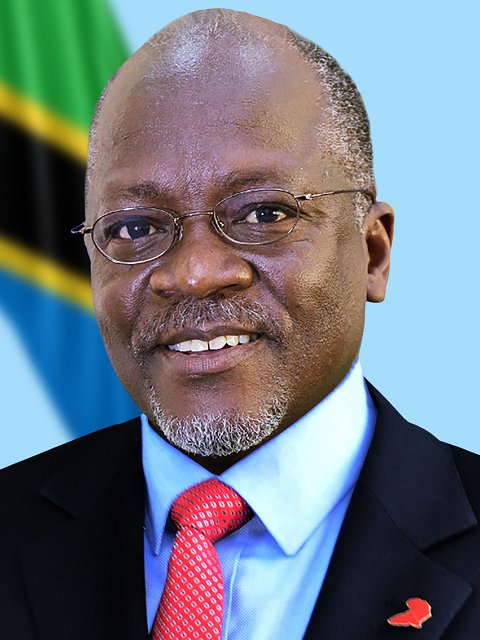
  1. John Magufuli_2
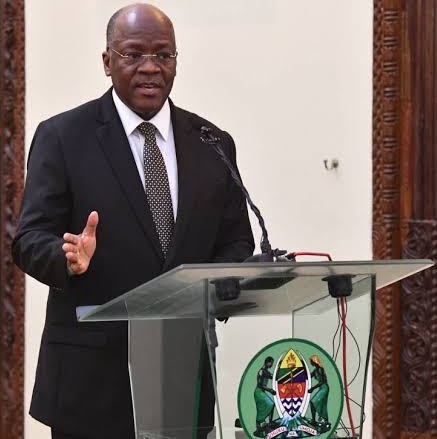
    President John Magufuli of Tanzania

    In March, President John Magufuli of Tanzania changed dimensions. It was heartbreaking to see someone who had done so much for his country go away so suddenly. Nicknamed the “bulldozer” he had a reputation to be incorruptible [So Long to President John Magufuli of Tanzania: The Bulldozer], and under his leadership Tanzania saw growth and development. Magufuli was focused on Tanzania’s economic success and sought to implement ambitious projects that would lift more of his people out of poverty. Under his reign, he expanded free education, and rural electrificationTanzania was one of the fastest-growing economies in the world, thanks to his hard work [President John Magufuli in His Own Words].

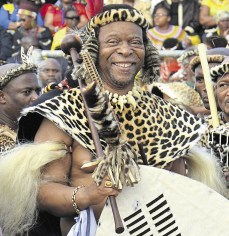
  2. SA_Goodwill Zwelithini
    King Goodwill Zwelithini (Source: sahistory.org.za)

    In March, King Goodwill Zwelithini of the Zulu people of South Africa passed away. He had been king of the Zulu for over 50 years, since 1968 when he had succeeded his father, King Cyprian Bhekuzulu. Over these 50 years, he saw his country change from the apartheid regime to the Rainbow nation. At the time of his passing, the King’s Great Wife, Queen Mantfombi Dlamini was appointed as interim leader of the Zulu Nation under the title of queen regent from March 2021 to April 2021, when she passed away suddenly. King Goodwill Zwelithini was succeeded by his son King Misuzulu Zulu.

  3. In June, the very popular Nigerian pastor T.B. Joshua departed from this planet. He was a legendary charismatic pastor who was visited by presidents, and people from around the world; it is said that his church was Nigeria’s biggest tourist attraction.
  4. Kenneth Kaunda
    Kenneth Kaunda

    In June also, Kenneth Kaunda of Zambia, first president of Zambia joined his ancestors. At 97 years old, he was one of Africa’s last surviving liberation leaders. To a generation of Africans, he epitomized the Africa struggle for independence. Affectionately known as Mzee, Kaunda worked tirelessly towards the freedom of the whole of Southern Africa from white rule; he supported the fight of other countries against repressive, racist regimes in South Africa, Malawi, Namibia, Angola, Mozambique and Southern Rhodesia (Why the name: Zimbabwe?). It took several years, but his support never faltered.

  5. In September, Sultan Ibrahim Mbombo Njoya of the Bamun people of Cameroon perished at the hands of the virus which has paralyzed the planet. He was the 19th reigning monarch of the Bamun Kingdom in the Western province of Cameroon. He had succeeded to his father, the sultan Seidou Njimoluh Njoya in 1992. He has been succeeded by his son Nabil Mbombo Njoya. At 28, Nabil Njoya is now the 20th in the Nchare Yen dynasty of the Bamun people.
  6. In November, F.W. De Klerk, former president of South Africa, and last president of the Apartheid era, passed away. He is known for releasing Nelson Mandela from prison, after 27 years, disassembling the apartheid system, and sharing the 1993 Nobel Peace Prize with Mandela.
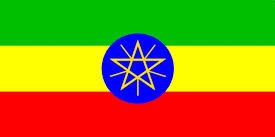
  7. Ethiopia_flag
    Flag of Ethiopia

    Ethiopia’s Tigray crisis started bringing tears to our hearts… Not sure how to explain the Nobel Peace prize given to Ethiopia’s prime minister Ahmed Abiy in 2019, when I see him choosing the war path instead of peace now. He is presiding over a protracted civil war that by many accounts bears the hallmarks of genocide. This leads to skepticism towards these “prizes” handed over by the “international” community. It has been over a year now that Abiy ordered a military offensive in the northern Tigray region with the promise to have it resolved quickly. Thousands are now dead, 2 million people displaced, and much more.

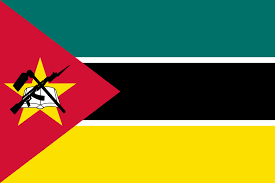
  8. Mozambique_Flag
    Flag of Mozambique

    Loss of peace in Mozambique. Last year, I told you about this amazing oil fields and precious minerals found in Mozambique, and all of sudden the presence of Islamic insurgencies [seriously?… Islamic insurgencies… I think these people probably take us for idiots] starting there right after Total signed one of the biggest contracts ever for over $14 Billions, and the united nations of thieves [seriously check it out, banks for Japan, EU, France, India, US, etc…] descended on the country [Who/What did we say goodbye to in Africa in 2020?].

  9. King Kêfa Sagbadjou Glèlè, monarch of the once-powerful Dahomey kingdom, in the country of Benin, has joined his ancestors. Bear in mind that King Kêfa descended from the Agoli-Agbo line, the one installed (not the rightful bearers of the traditions) by the French after King Behanzin was deported to Martinique and then Algeria.
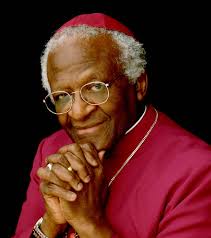
  10. South Africa_Desmond Tutu_1
    Archbishop Desmond Tutu (Source: The Namibian)

    Just the day after Christmas, we learned that Desmond Tutu, the 1984 Nobel Peace Prize winner and iconic anti-apartheid fighter was deceased on December 26. As the tributes pour in from around the world, Kenya’s president Uhuru Kenyatta said, Tutu had “inspired a generation of African leaders who embraced his non-violent approaches in the liberation struggle.” At 90, Archbishop Tutu had lived a long fruitful life, battle-tested by life under apartheid. The plans include two days of lying in state before an official state funeral on 1 January in Cape Town.

Raila Odinga on President John Magufuli

President John Magufuli of Tanzania

The former prime minister of Kenya, Raila Odinga, said of Dr. John Pombe Magufuli, “He was determined to put Tanzania ahead in the region and Africa through industrialisation. … His primary business was Tanzania. Outside Tanzania, his other business was Africa. He … embraced some of the founding President Mwalimu Julius Kambarage Nyerere’s ideals on patriotism, nationalism and self-reliance for his country. In about six-years, he went farther than Mwalimu Nyerere in trying to economically empower his people. While Mwalimu Nyerere embraced internationalism and had a broader view of the world and Tanzania’s place in it, Dr Magufuli was a super nationalist … Where Mwalimu Nyerere was a constant voice on the global stage, especially for Africa and the Third World, Dr Magulfuli reserved his voice and energy for Tanzania…. Dr Magufuli was, however, overly successful in transforming Tanzania in just about six years. He transformed Tanzania’s highways, ports, created Rapid Bus Transit to decongest Dar es Salaam and delivered SGR at a competitive rate, all because of a crackdown on corruption. Despite all these, Dr Magufuli’s … pushed hard the idea that success comes from hard work. In Tanzania today, people report to offices very early and they do not just sit there, they work. … May Dr Magufuli fare well in the next world.” [Raila Odinga, former Prime minister of Kenya in MarketWatch.com]

President John Magufuli in His Own Words

President John Magufuli of Tanzania

President John Pombe Magufuli has shown us, Africans, just like Thomas Sankara, that you do not need 20 or 40 years in power to make palpable improvement to the lives of Africans. Just look at what this man was able to achieve in 5 years! It is so reminiscent of Thomas Sankara‘s 4 years in power where he eradicated hunger, had roads and railways built by the local people, and influenced generations. So to all those African dinosaurs, the sellouts, or to anybody who applaud those treacherous creatures, please let them know that it is possible to get Africans out of poverty! All that is needed is visionary leaders who love their own… who love their fellow humans and not just their pockets! As always, we need to remember not to fall into the trap of democracy [Africans and the Trap of Democracy] laid out by the west, where democracy is a word used by the West against any government which does not abide by their will, and does not sell out to them…

Below are some of the quotes by the great man Dr. John Pombe Magufuli. May he rest in Power! Enjoy!

=====

As the 5th president of Tanzania, John Magufuli vowed, “My government will put emphasis on fighting corruption, job creation and industrialization.

To fight against corruption he said, “The way to treat a boil is to squeeze it out, and I have made it my responsibility to do that. I know squeezing out a boil hurts but unfortunately, there are no two ways about it.

Flag of Tanzania

Reflecting on his youth, as the son of a farmer, and on his knowledge of the people’s conditions, and need to make their lives better, Magufuli said, “Our home was grass thatched and like many boys I was assigned to herd cattle, as well as selling milk and fish to support my family, I know what it means to be poor. I will strive to help improve people’s welfare.

As soon as he was elected, he divided his own salary by four, making him one of the lowest-paid African heads of state, cut public spending drastically, cancelled independence ceremonies as too costly, and began sweeping the streets of Dar es Salaam himself to set an example. As said earlier, this is reminiscent of what Thomas Sankara did in Burkina Faso.

Tanzania is the largest country in East Africa, and includes about 120 different African tribes. Believing in the unity of Tanzanians, Magufuli said, “It’s now time for us to unite and put our ideological differences aside, I will work hard for all Tanzanians regardless of their tribal, religious or ideological affiliations.”

John Magufuli was a doctor of chemistry, and had both taught chemistry and mathematics at the Sengerema Secondary School, before joining the Nyanza Cooperative Union Limited as an industrial chemist.With a PhD in Chemistry, he was among the top 5 most educated Presidents in Africa. He said, “You cannot talk of preserving the environment when the majority of the citizens are depending on charcoal or wood for most of their energy source;” there needs to be other ways, focusing first on getting them out of poverty.

President John Pombe Magufuli of Tanzania

African countries’ economic capacity is not the same as that of developed countries,” Magufuli told a televised meeting of top security organs. He singled out the World Bank, which has been offering new lending to nations on the continent to help them tackle the health crisis. “Instead of offering more loans to fight corona, they should forgive debts,” the president said [see… the west is always eager to give out loans at high rates, why not remove the unfair debt they have put on African countries? remember Thomas Sankara Speech on Debt and Unity?]. Tanzania spends 700 billion shillings ($303.03 million) every month to service its debts, with close to 200 billion shillings going to the World Bank, Magufuli said.

In 2020, after his re-election, he said, “As you are aware, elections have been a source of conflict in many countries, but we Tanzanians have safely passed this test. This is proof to the world that Tanzanians are peace-loving, and we have matured in our democracy.”

Dr John Magufuli was a remarkable economic leader, who understood that food security is a national security issue that needs the highest attention. He fought for his people, and loved them deeply. He was a nationalist!

I live you here with the speech by the Africant poet, Obert Dube. Enjoy!!!

So Long to President John Magufuli of Tanzania: The Bulldozer

President John Magufuli of Tanzania (Source: eahealth.org)

My heart is bleeding from the news of the passing of President John Magufuli of Tanzania. When I learned the news, all I could think of were Bob Marley‘s words “How long shall they kill our prophets …?” As you scroll through the media, all Western world newspapers seem so cheerful announcing that the African president who was a coronavirus denier has died, brushing away the legacy of this man and what he has done for the people of Tanzania and of Africa in general. President John Magufuli passed away yesterday on March 17, of a heart attack! Odd for this very healthy man who was seen doing push-ups with soldiers just a few weeks ago. So who was John Magufuli?

John Pombe Magufuli was born on October 29, 1959 in the Chato region of then Tanganyika (now Tanzania). He earned a bachelor’s degree in mathematics and chemistry at the University of Dar es Salaam in 1988. Later, he earned his master’s and doctorate degrees in chemistry from the same university in 1994 and 2009, respectively. I was happy to learn that he had attended the Mkwawa High School, named after the great king Mkwawa who defied and defeated the Germans, and later Mkwawa College of Education at the University of Dar es Salaam.

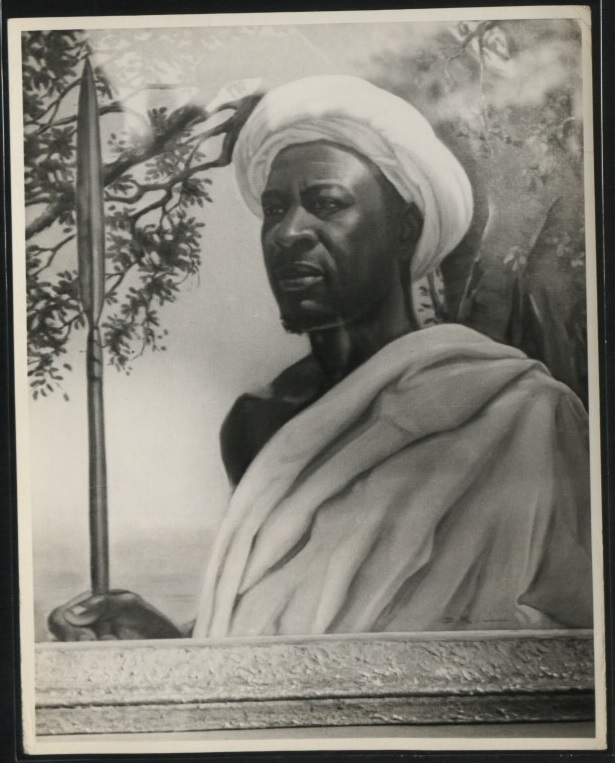
King Mkwawa

For years he was a secondary school teacher and then a chemist with a farmers’ cooperative union before entering politics as a lawmaker representing Chato in the National Assembly. He also worked as an industrial chemist before going into politics under the ruling Chama Cha Mapinduzi (CCM) party. He was elected a member of parliament in 1995 and that same year appointed deputy minister of works, later becoming full minister in 2000. He served in several Cabinet positions, notably as the hardworking public works minister nicknamed “the bulldozer” in the administration of predecessor Jakaya Kikwete. In 2010, he gained popularity after he was appointed Tanzania’s minister for works and transportation for the second time. His bullish leadership style and fight against graft in the road construction industry was endearing for Tanzanians, who affectionately nicknamed him “the bulldozer.” Under his leadership, Tanzania saw growth and development. For instance, to leave Dar es Salaam the capital could take 4 hours, but Magufuli had so many roads build, that in just a few years, Tanzania was seen under a brand new lens.

Flag of Tanzania

He ran as president in 2015 and won 58% of the vote, defeating Edward Lowassa of the Chadema opposition party. He had a reputation as an incorruptible man. In 2015, the newly elected Magufuli made news on his first day in office. He showed up unannounced in the morning at the Ministry of Finance offices to see how many officials had come to work on time (this is reminiscent of Thomas Sankara). That week he also banned unnecessary trips by government officials, as an austerity measure. He soon canceled Independence Day celebrations and said the funds budgeted for the event would be used to improve roads and infrastructure in Dar es Salaam, the commercial capital; he also urged citizens to clean up their communities to fight a cholera outbreak. Magufuli also fired a number of top government officials in his anti-corruption crusade. Under his command, his government passed laws to increase Tanzania’s stake in its mineral resources and demanded millions of dollars in back taxes from foreign mining companies, giving itself the right to renegotiate or terminate bad mining contracts in the event of proven fraud, which these multinationals did not appreciate; after all they are used to plundering Africa without paying a dime, so you can imagine their anger.

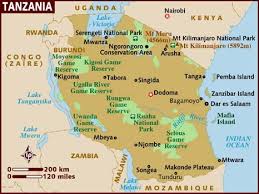
Map of Tanzania

Magufuli was focused on Tanzania’s economic success and sought to implement ambitious projects that would lift more of his people out of poverty. Under his reign, he expanded free education, and rural electrification. Scores of infrastructure programs, including trains and railways, a hydropower dam set to double electricity output, and the revival of Air Tanzania, were launched. Tanzania is one of the fastest-growing economies in the world, and in July 2020 the World Bank categorized it as a middle-income country five years ahead of schedule. “We had envisaged achieving this status by 2025 but, with strong determination, this has been possible in 2020,” Magufuli tweeted at the time.

In Tanzania, President Magufuli was a popular figure. His lean government and cost-cutting measures greatly earned him respect among citizens. As said earlier, he embarked on major infrastructure projects such as the port of Bagamoyo, and upgrading the Dar-es-Salaam International Airport. His hands-on war against corruption was admired not just in Tanzania — but the entire continent. “Magufuli came in on the platform of fighting corruption and empowering the masses,” Martin Adati, a Kenyan political analyst, told DW. “It is the people who have been benefiting from corruption and all these other funny things who are not very happy with him.”Magufuli remained a popular figure at home

President John Magufuli of Tanzania

So, why are Bob Marley’s words on my mind “How long shall they kill our prophets…?” Isn’t it strange that in Africa, the best ones are always the ones dying while the ones who are selling out their countries to the West are still standing? You know, the ones like P.B., I.D., S.N., F.E., A.B., ADO, P.K., M.S., and all of them? They can murder their populations, impoverish them, open their frontiers to all sorts of experiments by the big multinationals, and they stay so long in power… oh, and they get accolades from Western media as well. Isn’t it odd that this is the second president to die in office in East Africa, after Pierre Nkurunziza last year? And both were called “deniers” by the west? We have to pray for the people of Tanzania, because this might open the door to all sorts of funky business, nullifying Magufuli’s legacy, name, and efforts, and killing the wind of independence which was blowing on other African countries as well. May the spirits of Mirambo, Mkwawa, Nyerere, and Magufuli watch over Tanzania! So long President Magufuli, we liked your “bulldozer” style, because it included us, the people!