“Raconte-moi”/”Tell Me” by Véronique Tadjo

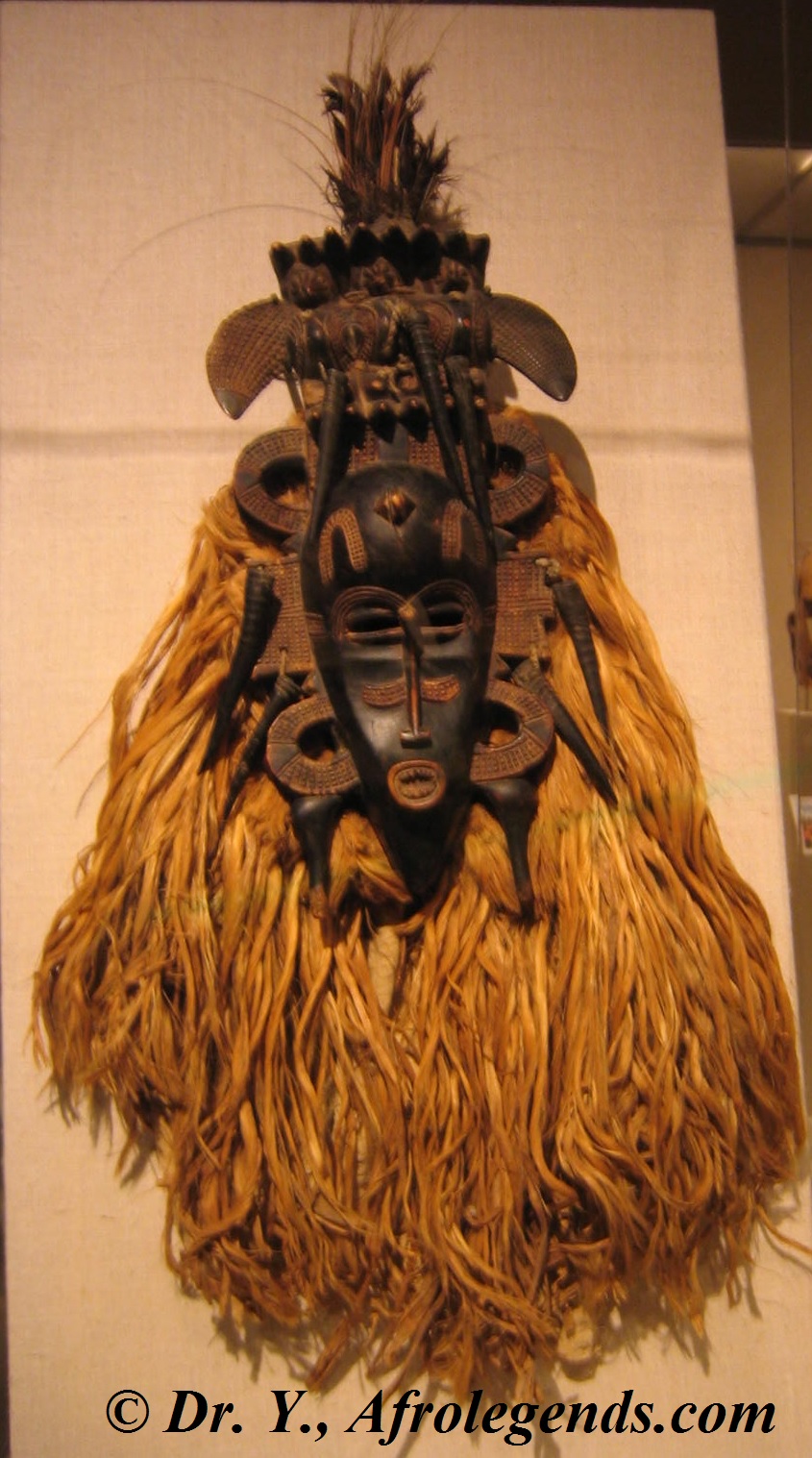
Senufo face mask (Kpeliye’e) exposed at the MET

Slavery dealt a big blow to Africa. It dealt a big blow to her strength (imagine losing millions upon millions of some of your strongest children), to her self-confidence (imagine her children fearing for their lives chased into the depths of forests and savannahs), and to her soul. Then came colonization with forced labor, depersonnalization, confiscation of History, disregard for local cultures, cultural alienation, and colonial oppression. Slowly, the awakening is upon us; and slowly Africans are linking back to that glorious past of African civilizations, science, and cultures. The poem below by Ivorian author Véronique Tadjo is anchored upon that re-discovery of the African self in all its splendor, and connection to its roots in order to continue the legacy.

The poem “Raconte-moi” was published in Latérite / Red Earth, written in homage to Senufo culture, which won a literary prize from the Agence de Coopération Culturelle et Technique. The poem below was re-published  re-published in Anthologie Africaine: Poésie Vol2, Jacques Chevrier, Collection Monde Noir Poche, 1988, and translated to English by Dr. Y. Afrolegends.com .

“Raconte-moi” de Véronique Tadjo / “Tell me” from Véronique Tadjo

Raconte-moi

La parole du Griot

Qui chante l’Afrique

Des temps immémoriaux

Il dit

Ces rois patients

Sur les cimes du silence

Et la beauté des vieux

Aux sourires fanés

Mon passé revenu

Du fond de ma mémoire

Comme un serpent totem

A mes chevilles lié

Ma solitude

Et mes espoirs brisés

Qu’apporterais-je

A mes enfants

Si j’ai perdu leur âme ?

Tell me

The word of the Griot

Who sings Africa

From times immemorial

He says

These patient kings

On the peaks of silence

And the beauty of the old ones

With faded smiles

My past returned

From the depths of my memory

Like a totem snake

To my ankles linked

My loneliness

And my hopes shattered

What will I brink

To my children

If I lost their soul?

Proud to be Black: A Quote by Bernard Dadié

Mwekassa1
Zack Mwekassa, Former World Champion of Boxing and Kick Boxing (Source: Glory KickBoxing)

Je vous remercie mon Dieu, de m’avoir créé Noir, … Je suis content de la forme de ma tête faite pour porter le Monde, Satisfait de la forme de mon nez Qui doit humer tout le vent du Monde, Heureux de la forme de mes jambes Prêtes à courir toutes les étapes du Monde.

I thank you God, for making me black, I am happy with the shape of my head shaped to carry the world, Satisfied with the shape of my nose which has to smell all the scents of the world, Happy with the shape of my legs ready to run all the steps of the world.

Bernard Binlin Dadié.  The poem above is titled “I Thank you God” or “I thank you my God,”

A Quote from Bernard Dadié: “Thank You God for Making me Black”

Laughter_1
Rire / Laughter

Je vous remercie mon Dieu, de m’avoir créé Noir, Je porte le Monde depuis l’aube des temps Et mon rire sur le Monde, dans la nuit crée le jour.

I thank you God, for having created me black, I carry the world since the beginning of times And my laughter on the world, at night created the day.

Aube_1
Aube / Dawn

Bernard Binlin Dadié.  The poem below is titled “I Thank you God” or “I thank you my God,” “Je vous Remercie Mon Dieu” de Bernard B. Dadie / “I Thank You God” from Bernard Binlin Dadie

A Quote from Bernard Dadié from ‘The Lines of Our Hands’

Les lignes de la main
Les lignes de la main / The Lines of the hand

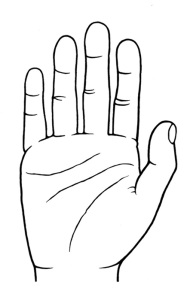
Les lignes de nos mains sont des lignes de Vie, de Destin, de Coeur, d’Amour. De douces chaînes qui nous lient les uns aux autres, Les vivants aux morts.

The lines of our hands Are life lines Destiny lines, Heart lines, Love lines. Soft chains Which bind us One to the other, The living to the dead.

Bernard Dadié in ‘Les lignes de nos mains’ published in La Ronde des Jours, Edition Pierre Seghers, 1956. The English translation is by Dr. Y., Afrolegends.com. [Note: punctuation was added to write in one line the first sentence].