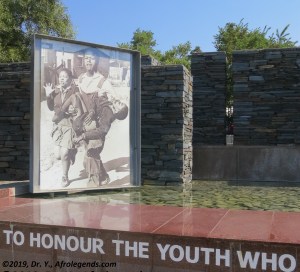
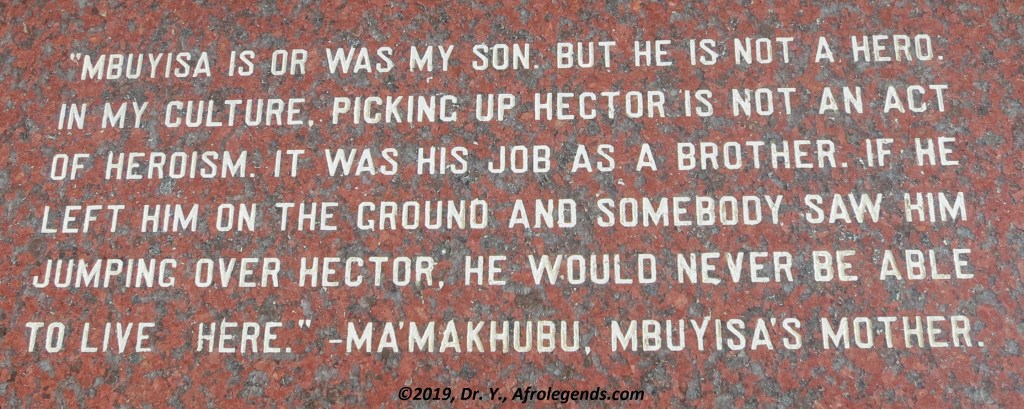
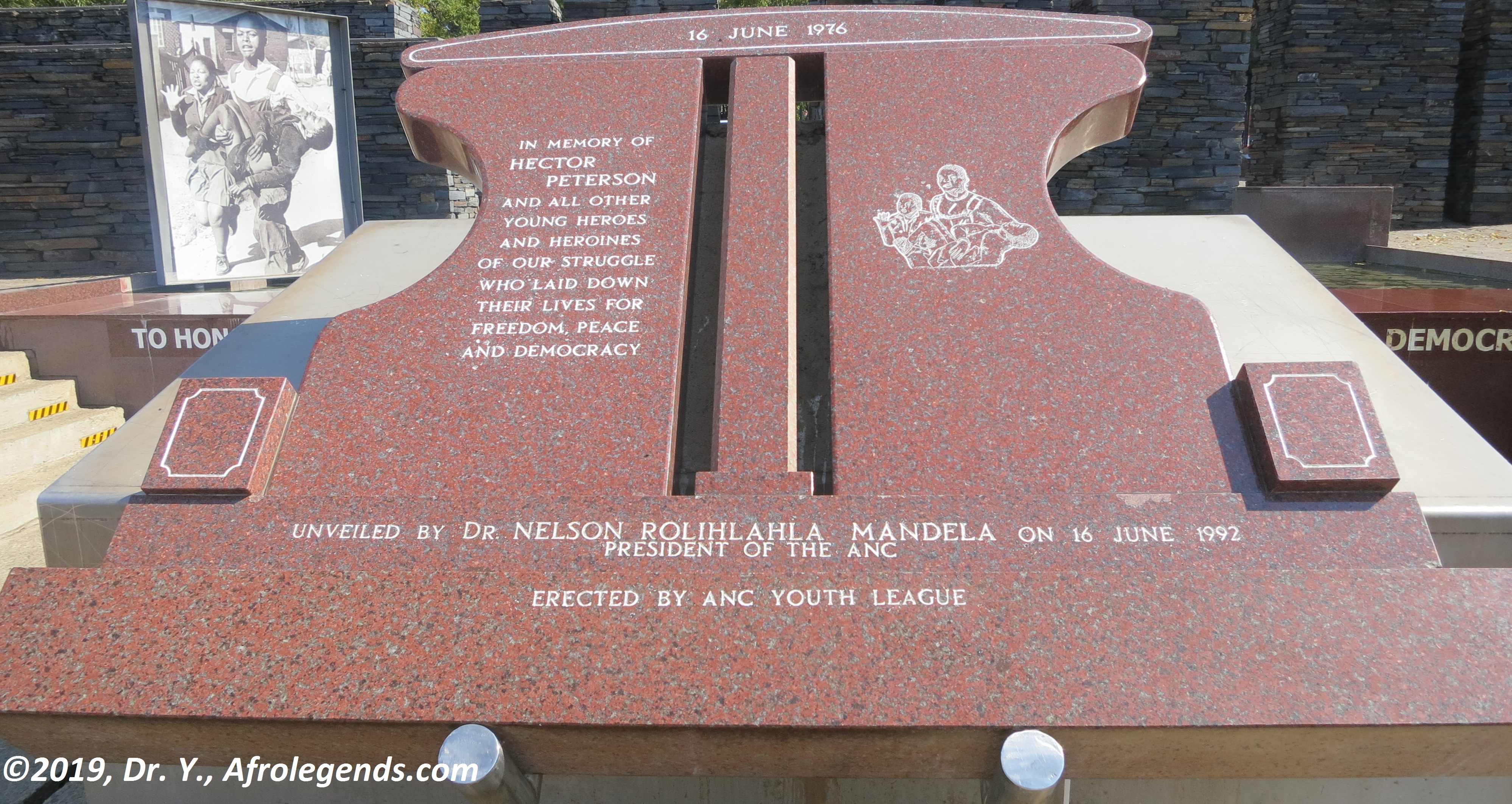
Today marks the celebration of the 1976 Soweto Uprisings which have been seen historically as the beginning to the end of apartheid in South Africa, and which is a public holiday celebrated South Africa as Youth Day. Remembrance: 16 June 1976 Soweto Massacre. It is also celebrated as the International Day of the African Child. On June 16, 1976, thousands of Black students in Soweto, South Africa, marched to protest the compulsory use of Afrikaans as a medium of instruction in schools, seen as a tool of oppression under apartheid. The peaceful protest escalated when police responded with tear gas, batons, and live ammunition resulting in the deaths of hundreds of students including 13-year-old Hector Pieterson whose image became the international symbol of the uprising.
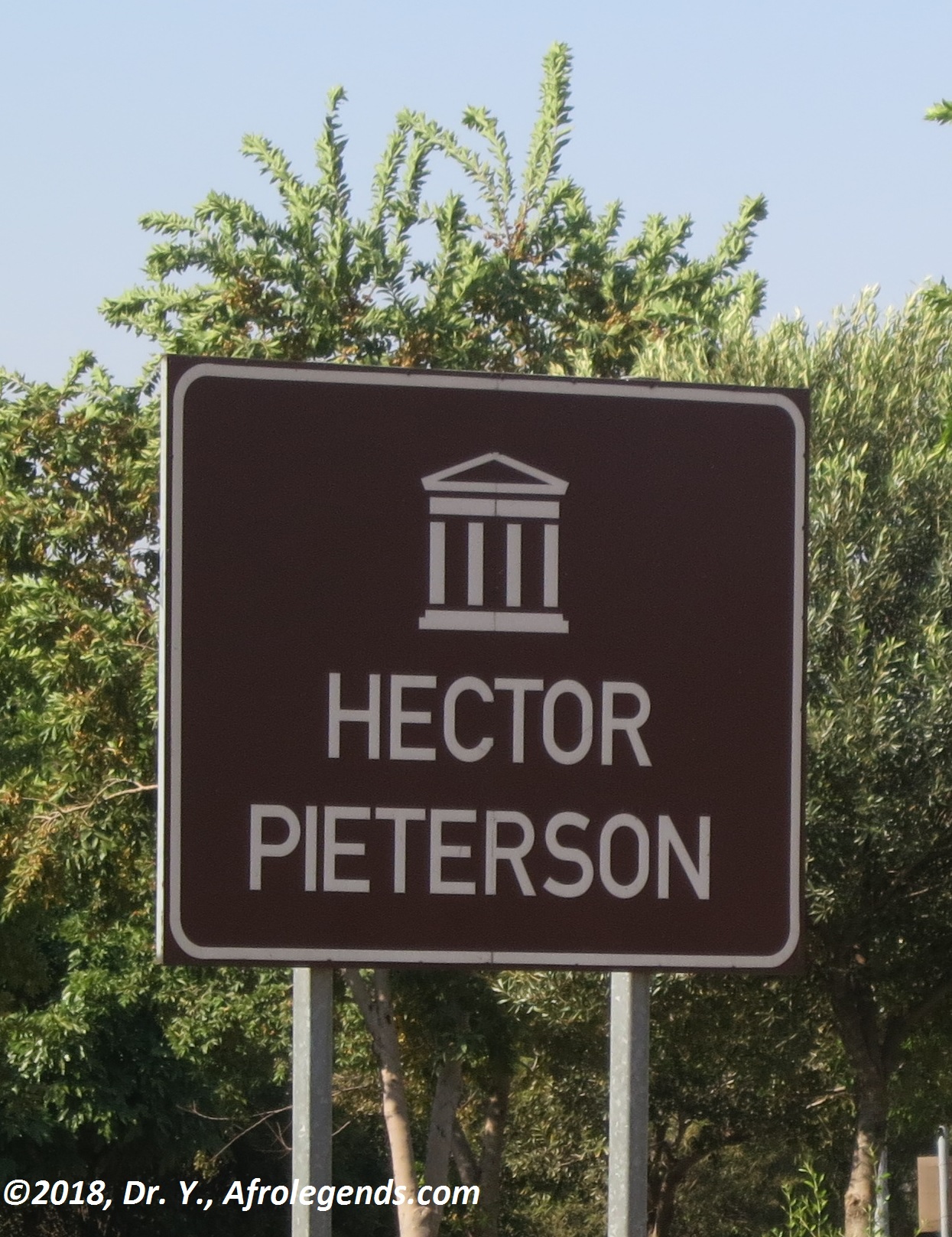
I visited the Hector Pieterson’s memorial in Soweto and talked about it here extensively. Visiting the Hector Pieterson Memorial and Museum. June 16 is a day to commemorate and remember the ills of apartheid and their treatment of the Black community and how children who were just protesting for some basic rights, the right to education were massacred.

Now, 50 years later, South Africa is back to being a xenophobic country … I don’t like using such words because it implies a generalization which should not be done, but how do you explain the current division or hate for African foreigners in South Africa? We all remember how, during the apartheid era, many African governments supported, hosted, and even funded the ANC for the liberation of the Black population of South Africa and now this? After apartheid, attacks on migrants in townships started becoming more prevalent and cyclical. Foreign shop owners are accused of “stealing jobs” or undercutting local businesses, especially in the informal economy. Around the world, migrants are frequently cast as scapegoats for deeper structural problems, reaching from inequality and corruption to weak economic growth and state failure. In South Africa, this scapegoating overwhelmingly targets Black and African migrants: Zimbabweans, Nigerians, Mozambicans, Ghanaians, etc.
When will the Black South African population realize that this is just a division tactic used by politicians to shift the blame for their poor performance or lack thereof? In other parts of Africa, they use tribalism, but in South Africa it is xenophobia. Black South Africans are taking their frustrations at unemployment, social inequality, on other Africans who they claim take their jobs or are illegals! Yet, they say nothing about the Europeans who come and stay or take jobs, or own lands, or who inherited from the wealth that came from the apartheid regime. Instead of blaming their governments who have been misappropriating funds, they take it out on the rest of Africans residing in their country. They forget that over 90% of the wealth is still in the hands of European descendants or people who profit from separation. That just because ‘apartheid’ no longer exists or rather its name, it still is present, and they still own nothing! They don’t realize that this is a tactic for those in power (the government and more) and to keep them down, distracted from the real issues of economic empowerment, land ownership, and more. Even former President Thabo Mbeki addressed this, when he warned against blaming immigrants for South Africa’s unemployment crisis, urging citizens to reject xenophobic narratives that scapegoat other Africans for domestic governance failures.

The governments of Nigeria and Ghana have now started repatriating their citizens. Over 1,000 Ghanaians have been repatriated. The Nigerian government has threatened to retaliate by boycotting South African assets by giants like MTN in their country; let’s see if it it not all fluff. This spat has even showed its face at the FIFA 2026 World Cup last week during the opening game between Mexico and South Africa played in Mexico City, where many African fans were supporting Mexico against South Africa.
Our African ancestors must be rolling in their graves wondering how their support to end apartheid could have paved the way to such behavior! They must be rolling in their graves as they watch us fight, while the real culprits stand on the sides and fill their pockets with our minerals, our resources, and more. In reality, we should be united, and the enemy will use every technique known in the book to keep us down… anything that divides us is not good. Xenophobia is no way to celebrate the memory of Hector Pieterson
Excerpts below is from Al-Jazeera
=====
Nigeria has threatened retaliatory measures against South Africa after Abuja began repatriating hundreds of Nigerians from South Africa this week amid alleged xenophobic attacks by South African protesters.
Diplomatic tensions between the two countries have spiked since the latest wave of violent anti-immigration protests by thousands of South Africans calling for strict, mass deportation measures.
… There have been three waves of anti-immigration protests since 2008, all turning violent and resulting in casualties and the looting of shops and other property. Much of the anger has targeted, in particular, nationals from Zimbabwe, Mozambique and Malawi, as well as Nigeria and Ghana.
… On Monday, Nigerian Foreign Minister Bianca Odumegwu-Ojukwu accused South Africa’s government of failing to forcefully denounce violence against Nigerian nationals in South Africa. She said this had damaged the bond the two countries have enjoyed since the solidarity Nigeria showed during South Africa’s fight against apartheid. Legitimate businesses are being “looted” while children are forced to stay away from school, she said. “The police refused to do anything,” the minister added. “Nigeria is not happy because Nigeria has sacrificed much for the South African independence struggle,” Odumegwu-Ojukwu told journalists on Monday. “My own generation, we carried placards, we demonstrated in front of South African assets, sometimes we even got arrested.” At least 1,000 Nigerians were initially scheduled for repatriation this week, but Abuja says the number of people wishing to return home is rising
…

 I recently visited the
 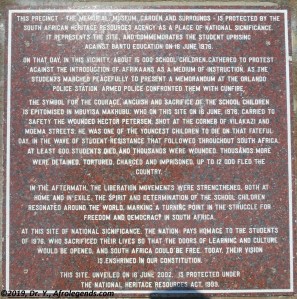 Visiting the museum brought some odd images, because it shows the brutality of the apartheid government against children… Imagine that: an entire government unleashing dogs, police officers, and guns on children!