

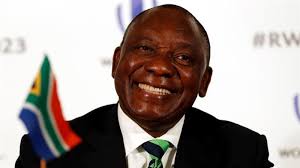
Today, President Cyril Ramaphosa has been sworn into office for a second term at the helm of South Africa. He remains in office even though his party, the African National Congress (ANC) party of South Africa, the party that brought the end of the apartheid regime, lost its parliamentary majority in a historic election on June 1, that puts South Africa on a new political path for the first time since the end of the apartheid system of white minority rule 30 years ago. The ANC won just over 40% of the votes cast, short of the majority; the Democratic Alliance (DA) won 22% of the votes coming in second; Jacob Zuma’s uMkhonto we Sizwe (MK) party came in third with 15% of the vote, while Julius Malema’s Economic Freedom Fighters (EFF) came in fourth with 9.5%. The ANC’s historic 30-year loss in South Africa and its subsequent unusual, for lack of a better word, coalition with the Democratic Alliance brings us exactly to try to understand its loss, and ask the fundamental question of why such an alliance? The strong performance by Zuma’s MK took many by surprise as it took the third place that many thought would go to Malema’s EFF. There is also speculation that MK took votes directly from the ANC, due in part to the bitter enmity between former president Zuma and current president Ramaphosa.
At the end of the elections, the leaders of the different parties shared: “The way to rescue South Africa is to break the ANC’s majority and we have done that,” said John Steenhuisen, the leader of the main opposition DA party. Julius Malema, the leader of the EFF opposition party, said that the ANC’s “entitlement of being the sole dominant party” was over. The MK Party said one of their conditions for any coalition or agreement with ANC was that Ramaphosa is removed as ANC leader and president. The ANC chose to keep Ramaphosa as president, and make an alliance with the DA.
The reasons for the ANC’s loss (among many others): 1) South Africa has widespread poverty and extremely high levels of unemployment, and the ANC has struggled to raise the standard of living for millions ; 2) persistent lopsided economic inequalities, which still affects the black majority ; 3) rampant corruption ; 4) a lack of public service delivery, particularly in poorer areas ; 5) the frequent power cuts, where intermittent outages have been a near-constant for almost 2 years now; which highlights also the poor shape of infrastructures; 6) the soaring crime rate, with 130 murders and 80 rapes documented every single day in the last quarter of 2023. Above all, the fundamental problem of the ANC is that, at the end of the apartheid regime in 1994, when agreements between both sides were signed, the ANC got the political power, but not the economic; however, the economic power funds the politics and real change.
The ANC has now made an alliance with the DA which is perceived as a mostly white, middle-class party that doesn’t care about the poor which are mostly Black. It will not be an easy pill to swallow for the majority of Black South Africans who remember the suffering under the white-rule apartheid era to welcome the return of white figures to senior political positions (perhaps even the vice presidency?). With this new power-sharing agreement, the two parties would have to get over their past antagonism, particularly the DA’s longstanding and consistent criticism of ANC “corruption”. The free-market DA, is ideologically at odds with the ANC’s social welfare traditions, and seen by many as catering to the interests of the white minority. On paper, the two political opponents have agreed to a common agenda of fixing the country’s infrastructure, providing basic services such as water and power, and creating jobs. Moreover, the DA has been the most critical opposition party for years and doesn’t share the ANC’s pro-Russia and pro-China foreign policy. Next year, South Africa will take over the presidency of the Group of 20 industrialized and emerging-market nations. Will this alliance cause issues for the BRICS (Brazil – Russia – India – China – South Africa)?
To Jacob Zuma and many, this is an “unholy” alliance. Will he be proven wrong or right? To others, this alliance marks the end of the ANC, and the beginning of a very rocky period, which will usher back a system similar to pre-1994 era. What do you think ? To others still, this alliance breaks the monolithic landscape of South African politics, and hopefully ushers a ‘real’ change that will address the issues of South Africans. What will it be? Only time will tell!
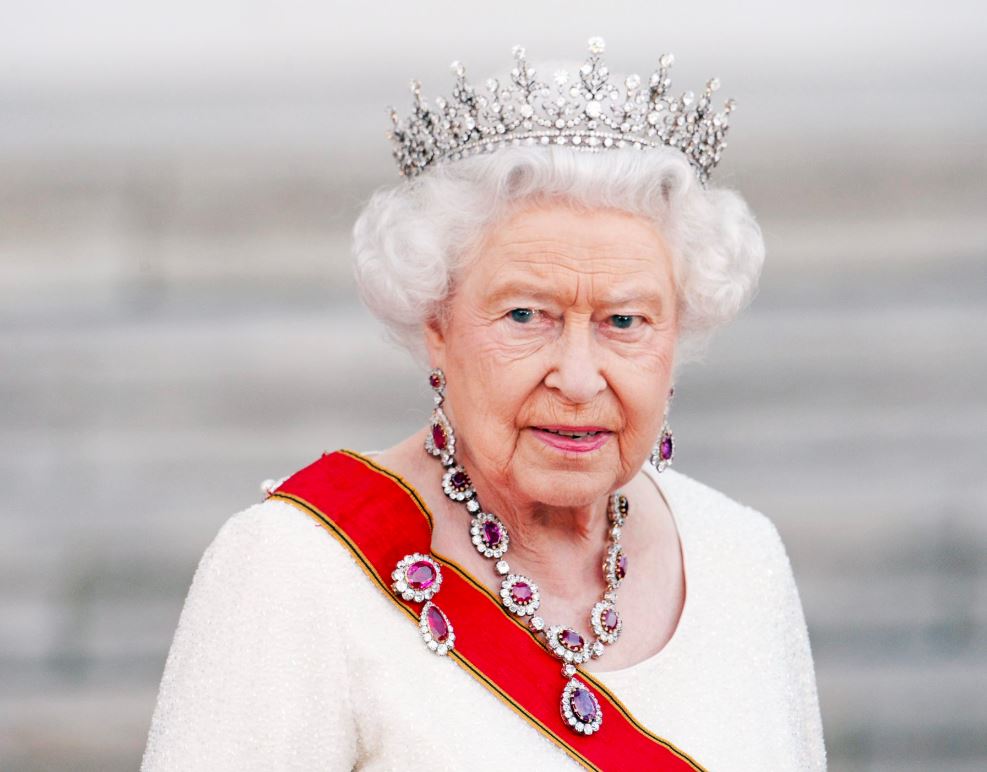
Queen Elizabeth II passed away on September 8th, 2022. The world mourns the monarch who reigned over the United Kingdom for over 70 years, thus winning the merit of having the longest reign of any British monarch, and the supposedly longest recorded reign of any female head of state in history. During her lifetime, she was queen regnant of 32 sovereign states and 15 at the time of her death.
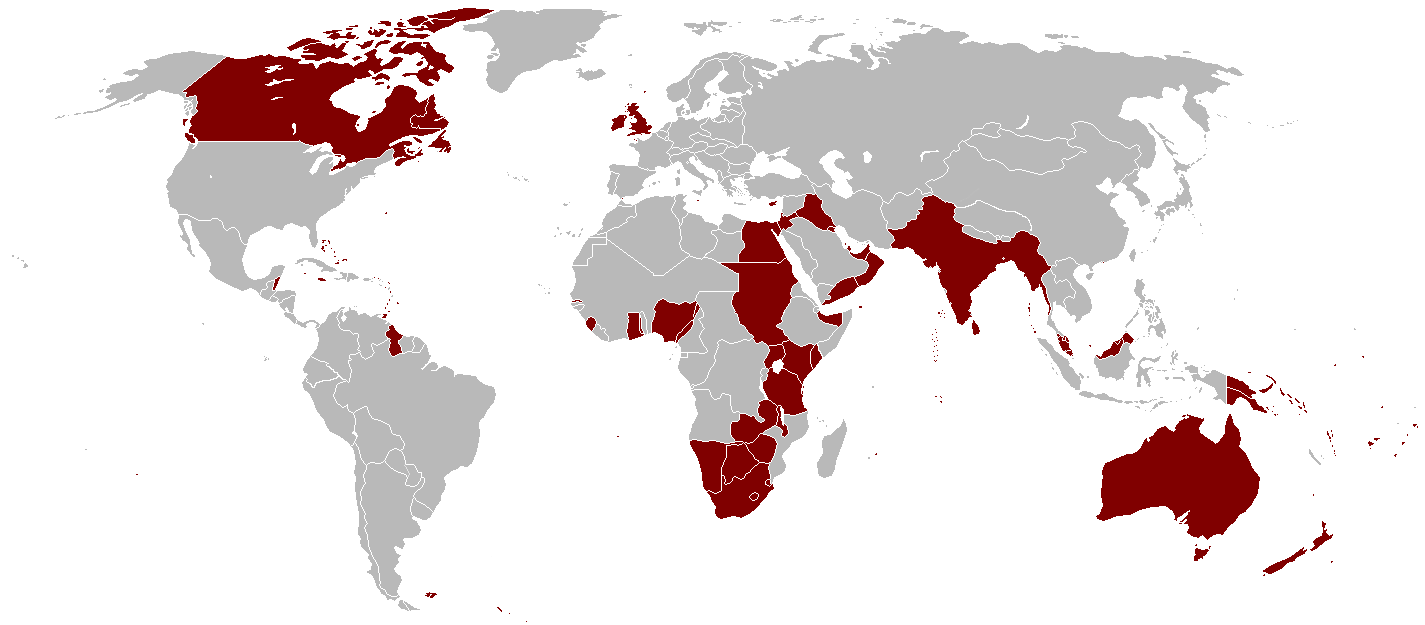
Queen Elizabeth II’s reign started in 1952, at the tail end of the ‘colonization’ era, leading into the independence or decolonization of former British colonies, and then the new era of neo-colonization. The 1960s and 1970s saw an acceleration in the decolonization of Africa and the Caribbeans. More than 20 countries gained independence from Britain as part of a planned transition to ‘self’-government. Newspapers would give the polished version, but it is clear that under her reign, major events rocked nations and particularly the third-world, as we, ‘not the West’ used to be called. She started her reign while in Kenya (i.e. learnt of the passing of her father while in visit of Kenya, and that she was to become queen). She inherited a vast empire spanning the African continent upon becoming Queen, her reign saw all 14 African British colonies gain their independence, starting with Ghana in 1957. And yet the Queen managed to maintain warm relations with them, partly through the creation of the successor organisation to the empire, the Commonwealth. One could argue that the relationship between the British monarchy and post-colonial Africa was a complicated one.
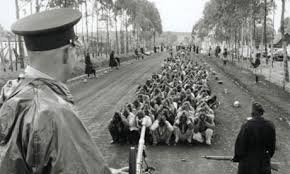
Who can forget the Mau-Mau massacre in Kenya by British forces (The British Government apologizes for Mau Mau atrocities)? Or then Southern Rhodesia (now Zimbabwe)? or Sudan? or the wars of independence in different parts of Africa?
The president of Kenya where her journey as Queen started, Uhuru Kenyatta of Kenya, mourned her passing in a statement, describing her as “a towering icon of selfless service to humanity and a key figurehead of not only the United Kingdom and the Commonwealth of Nations where Kenya is a distinguished member but the entire world“.
The traitor Mnangagwa, even though the Queen granted knighthood to President Robert Mugabe to later revoke it, and the relations between Zimbabwe and Great Britain were bad for many years, was quick to tweet that his “deepest condolences” were with the Royal Family and “the people of the United Kingdom, and the Commonwealth“. Zimbabwe held some services.
President Cyril Ramaphosa of South Africa has, on behalf of the government and people of South Africa, expressed his profound and sincere condolences to King Charles III on the passing of Queen Elizabeth II, saying, “Her Majesty was an extraordinary and world-renowned public figure who lived a remarkable life. Her life and legacy will be fondly remembered by many around the world. The Queen’s commitment and dedication during her 70 years on the throne remains a noble and virtuous example to the entire world.”
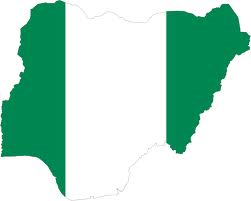
The leader of Nigeria, the biggest of Britain’s former colonies in Africa, President Muhammadu Buhari wrote a long tribute to her on Twitter, saying “The story of modern Nigeria will never be complete without a chapter on Queen Elizabeth ll, a towering global personality and an outstanding leader. She dedicated her life to making her nation, the Commonwealth and the entire world a better place.”
However, the younger generation of African leaders, and leaders around the world are saying they cannot mourn the passing of the Queen of England.
Uju Anya, a linguistics professor at Carnegie Mellon University on Thursday described the late queen as the monarch of a “thieving raping genocidal empire” in a series of tweets. “I heard the chief monarch of thieving raping genocidal empire is finally dying. May her pain be excruciating,” Anya said. Referring to Great Britain’s conquest of Nigeria in the 19th and 20th century, she added, “If anyone expects me to express anything but disdain for the monarch who supervised a government that sponsored the genocide that massacred and displaced half my family and the consequences of which those alive today are still trying to overcome, you can keep wishing upon a star.”
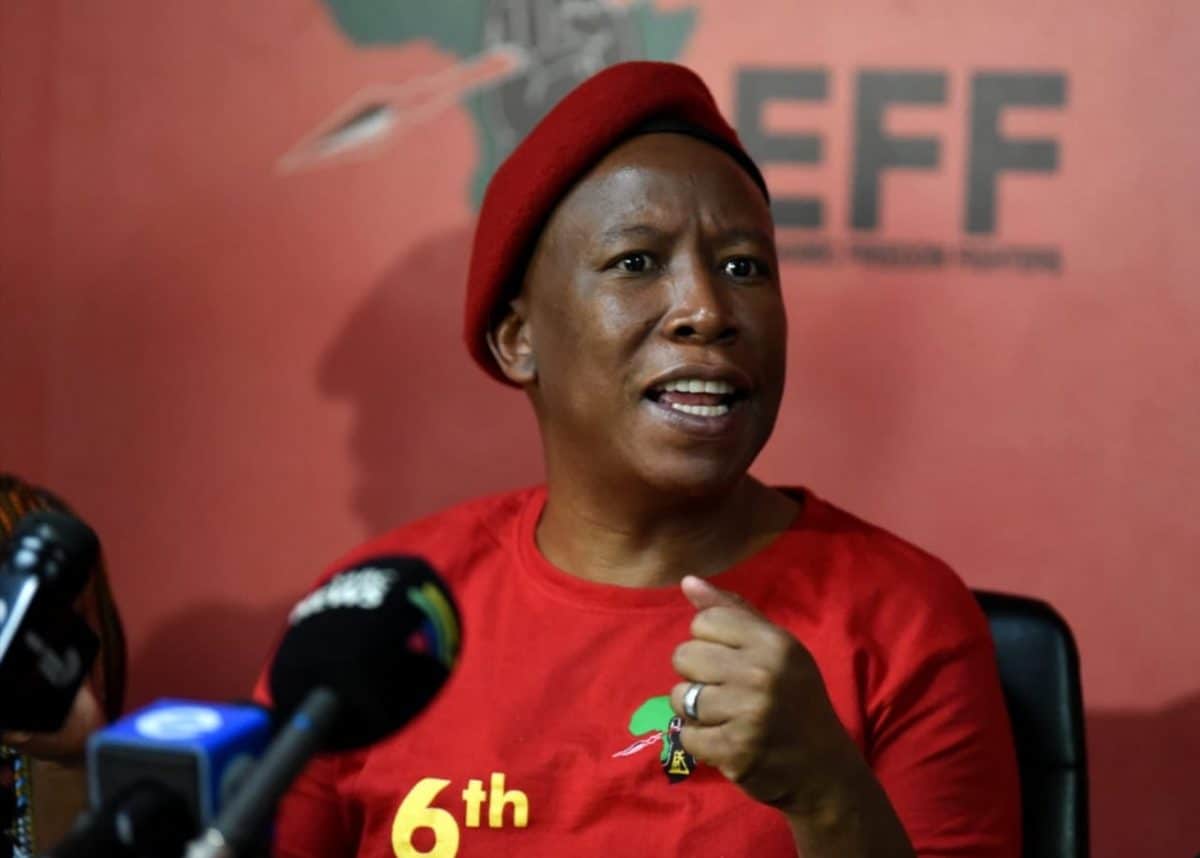
Julius Malema, of the South African Economic Freedom Fighters (EFF), South Africa’s third-biggest political party, criticized the queen, who ascended to the throne in 1952, for reigning for 70 years as a head of an institution “built up, sustained, and living off a brutal legacy of dehumanization of millions of people across the world.”
Malema added “We do not mourn the death of Elizabeth, because to us her death is a reminder of a very tragic period in this country and Africa’s history,” …
“Britain, under the leadership of the royal family, took over control of this territory that would become South Africa in 1795 from Batavian control, and took permanent control of the territory in 1806.
“From that moment onwards, native people of this land have never known peace, nor have they ever enjoyed the fruits of the riches of this land, riches which were and still are utilized for the enrichment of the British royal family and those who look like them.” … the royal family’s leadership “has been one of pain and suffering, of death and dispossession, and of dehumanization of African people“.
“During her [Elizabeth II’s] 70-year reign as Queen, she never once acknowledged the atrocities that her family inflicted on native people that Britain invaded across the world. She willingly benefited from the wealth that was attained from the exploitation and murder of millions of people across the world.
“The British Royal family stands on the shoulders of millions of slaves who were shipped away from the continent to serve the interests of racist white capital accumulation, at the center of which lies the British royal family. If there is really life and justice after death, may Elizabeth and her ancestors get what they deserve,” the statement concluded.
The atmosphere I would say then is nuanced in Africa, some, particularly the heads of states mourn, while the younger generations cannot be bothered to mourn the life of a monarch whose reign caused a lot of pain, suffering, and dehumanization to millions.
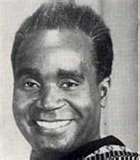
Last Thursday, the first president of Zambia, Kenneth Kaunda, changed dimensional plane to join his ancestors. At 97 years old, he was one of Africa’s last surviving liberation leaders. To a generation of Africans, and to many of us, Kenneth Kaunda epitomized the African struggle for independence.
Born into a family of 8 children in Lubwa in the north of then Northern Rhodesia (now Zambia), Kaunda was the last born of parents who immigrated from Nyasaland (Malawi). He trained as a teacher, then became involved in politics, first as secretary of the local young men’s farming association and later as a founding member of the Northern Rhodesian African National Congress in 1949. In 1955, both him and Harry Nkumbula, party president were imprisoned for 2 months. Later Kaunda broke away from the ANC, to found his own party, the Zambian African National Congress (ZANC) in October 1958 which was short-lived. In March 1959, the ZANC was banned and Kaunda was sentenced to 9 months‘ imprisonment, which he spent first in Lusaka, then in Salisbury When he was freed from prison in 1960, he joined the principal nationalist party, the United National Independence Party (UNIP), which campaigned and fought against British colonial rule. He was influenced by Martin Luther King Jr. and Kwame Nkrumah, both of whom he met on different occasions. On 24 October 1964 he became the first president of an independent Zambia.
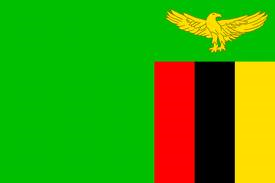
Kaunda started with the great advantage of leading an African state with a stronger economic base than any of its neighbors but there was a shortage of native Zambians who had the skills and training to run the country [similar to so many African colonies… the Europeans were there to pillage and exploit the resources of the countries, and not build their local forces!]. The policy of sanctions imposed by the British government on the breakaway country proved at least as damaging to the Zambian economy (similar to what they did to Zimbabwe under Mugabe– Is Zimbabwe the New Haiti?) over the years, probably as punishment for his support for the liberation of his neighbors.
Affectionately known as KK, or Mzee, Kaunda worked tirelessly towards to the freedom of the whole of Southern Africa from white rule; he supported the fight of other countries against repressive, racist regimes in South Africa, Namibia, Angola, Mozambique and Southern Rhodesia (Why the name: Zimbabwe?). It took several years, but his support never faltered.
He remained a staunch defender of the Zimbabwean President Robert Mugabe [Robert Mugabe, Freedom Fighter and First President of Zimbabwe Lives On], and said, “I’ve been saying it all along, please do not demonise Robert Mugabe. I’m not saying the methods he’s using are correct, but he was put under great pressure.”
As a testimony, President Hage Geingob of Namibia said in a statement “Africa lost“a giant of a man. …Kenneth Kaunda was a generous, affable, and a resolute leader who freed our region from colonialism.”
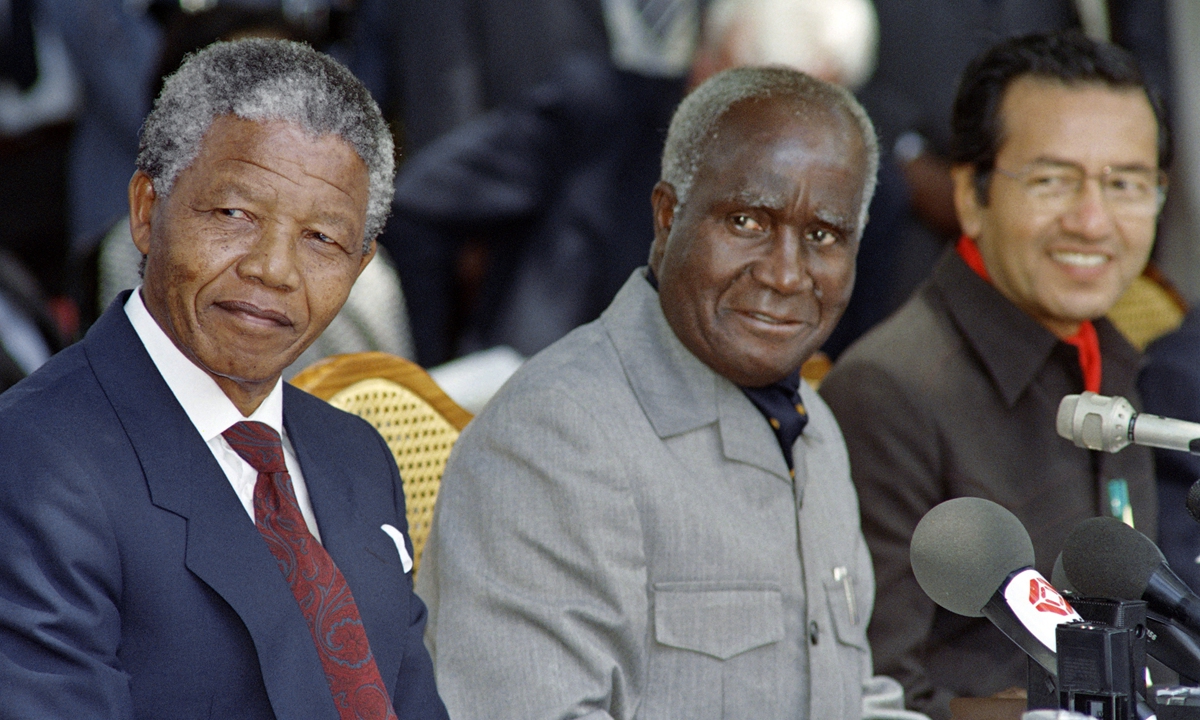
South Africa’s President Cyril Ramaphosa described Kaunda as a “rightfully revered father of African independence and unity… Under his leadership, Zambia provided refuge, care and support to liberation fighters who had been forced to flee the countries of their birth.” “He stood alongside the people of South Africa at the time of our greatest need and was unwavering in his desire for the achievement of our freedom. We will never be able to repay the debt of gratitude,” Ramaphosa added.
“For our founding father, it was not enough for his country Zambia to be liberated when the region and the African continent remained bonded in the shackles of colonialism and apartheid,” current Zambian President Edgar Lungu told mourners at Kaunda’s house in Lusaka … “[Kaunda] soldiered on to seek freedom for humanity.”
Please enjoy articles on the Al-Jazeera and the very good article by the Global Times [With love and respect, Chinese people cherish memory of Zambia’s Kaunda, ‘an old and good friend’]. Please watch the video I posted a few years ago on the great Kenneth Kaunda, Zambia’s first president.
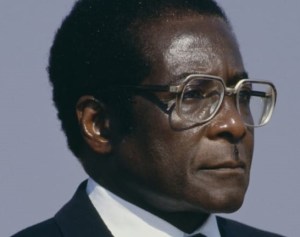
One of Zimbabwe‘s great sons is no longer: Robert Mugabe, the first president of Zimbabwe has passed away. This was a man who tirelessly fought for his country’s liberation, and for the Black race as a whole. Some have called him an icon of liberation, and indeed he was!
Robert Mugabe epitomized the freedom fights of then Rhodesia, a British colony ruthlessly run by a white minority. This once beautiful place had been renamed after Cecil Rhodes a white tyrant who committed the greatest atrocities in that country in the name of the superiority of one race over the other and capitalism. It was only befitting that a freedom fighter like Robert Mugabe should come up, and fight to not only reclaim the land of his ancestors, but also appropriately reinstate it to its past glory, that of Great Zimbabwe !
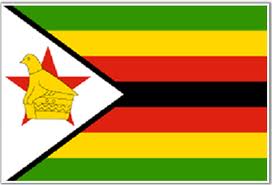
Few people have sacrificed so much for a fight for freedom. After criticizing the government of Rhodesia in 1964, Robert Mugabe was imprisoned for more than a decade without trial. Mugabe lost his then only child while in prison; the colonial government did not allow him to bury him (almost 30 years later, he went on to have other children).
Robert Mugabe embodied Africa’s struggle against colonialism. He was a courageous politician, imprisoned for daring to defy white-minority rule. Later on, he was vilified by the ‘international community‘ (now we all know that this means: parts of Europe + USA) for restoring their lands to Africans, because this attacked whites’ interests in his country. I am not sure how to this day, some people believe that it is okay for less than 5% of the population to own 90% of the land in a country which is not even theirs… that is beyond me… what about those who were born there? what about those whose land it is? Will it be okay if the few Africans who have immigrated to say France, owned 90% of the land there?… Now will we all hear about injustice!
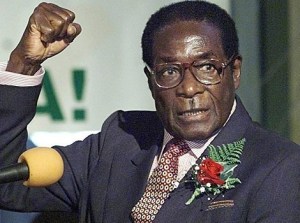
Learning of the passing of Robert Mugabe, many world leaders have expressed their condolences… below are just a few.
Julius Malema of South Africa said, “I’m saddened by the passing of our martyr and giant of the African revolution cde President Robert Mugabe. Let’s continue the fight and protect his legacy. We must not allow our enemies to tell us how to remember him; we know our heroes.”
Joseph Kabila, former president of the Democratic Republic of Congo (DRC) said, “We will forever remember the worthy son of Africa, who came to our rescue when our country was victim of a foreign aggressor. The continent has lost one of its pan-African leaders, a hero of independence.”
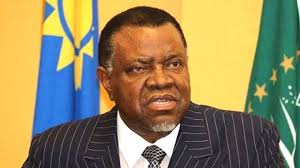
Kenya’s President Uhuru Kenyatta said Mr Mugabe had “played a major role in shaping the interests of the African continent” and was “a man of courage who was never afraid to fight for what he believed in even when it was not popular.”
Hage Geingob, president of Namibia added, “… Robert Mugabe [was] an extraordinary revolutionary and tenacious freedom fighter who contributed immensely to Africa and Namibia’s cause for freedom.”
Jerry J. Rawlings, former president of Ghana said, “RIP Comrade Mugabe. You lived for the dignity of your fellow black. Your African pride, dignity and audacity were unassailable. Africa has lost a bold and noble Statesman.”
South Africa’s President Cyril Ramaphosa called Mr Mugabe a “champion of Africa‘s cause against colonialism” who inspired our own struggle against apartheid“. And indeed Robert Mugabe supported the fight against apartheid and tremendously helped the ANC in its struggle to defeat that monster called apartheid. Ramaphosa added that under Mugabe’s leadership, “Zimbabwe’s sustained and valiant struggle against colonialism inspired our own struggle against apartheid and built in us the hope that one day South Africa too would be free”. “During the decades of our own struggle, Zimbabwe’s liberation movement supported our own liberation movement to fight oppression on multiple fronts. After Zimbabwe achieved independence, the apartheid state brutalised and violated Zimbabwe as punishment for supporting our own struggle” . “Many Zimbabweans paid with their lives so that we could be free. We will never forget or dishonour this sacrifice and solidarity.”
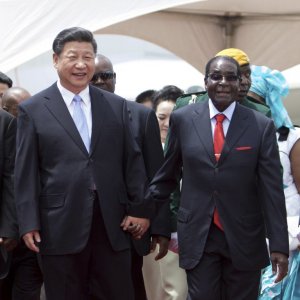
In his condolence message, Chinese President Xi Jinping said China had “lost an old friend and a good friend.” Foreign ministry spokesman Geng Shuang said Mugabe’s death was deeply mourned in China, noting that the former president opposed foreign interference and actively promoted Beijing’s relations with Zimbabwe and Africa. China described Mugabe as an “outstanding leader of the national liberation movement and statesman” who firmly defended the country’s sovereignty, as African leaders termed him a “liberator” and “pan-Africanist.”


It is with great sadness that I learned of the passing of Winnie Madikizela-Mandela, the mother of the Nation. My eyes still remember that pivotal day, of February 11, 1990, when Winnie Madikizela-Mandela walked hand-in-hand with her husband Nelson Mandela as he was coming out of jail after 27 years, and raised her fist to the entire world, to a reception of hundreds of supporters and thousands around the globe. We had all prayed for that day, and that day came because of Winnie’s selfless battle against apartheid.
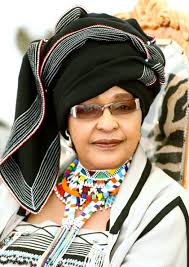
The incredibly dignified and beautiful Winnie Mandela fought like no other, and I can truly say today that without her constant fight to keep her husband’s name and fight alive during those 27 years he spent in jail, nobody would have remembered Nelson Mandela, and the history of South Africa and the 1994 rainbow democracy would have been different. For it is because of Winnie Madikizela-Mandela that we all know Nelson Mandela to the extent that we know him today. While he was in jail 27 years, furthering and refining his law studies and other things, she was out there tirelessly working for the freedom of her people, keeping his name alive, and fighting the apartheid system. Winnie fought, and endured so many hardships: brutalized by the police, constantly forced to lose her job by the apartheid system, single-handedly raising her 2 children, repeatedly thrown in jail for her values, harassed, beaten, and humiliated by the system, her children constantly thrown out of school or denied admission because of who she was, exiled/banished to a very racist white-only community for years, and so much more. At one point she was thrown in jail for 17 months, and spent most of that time in solitary confinement, where she had no formal contact with another human being at all aside from her interrogators, among which were notorious torturers.
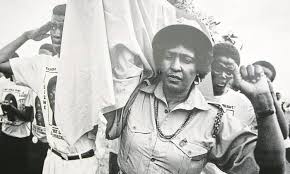
Part of what kept Winnie motivated during her banishment (exile), and even throughout her life, was her exceptional ability not to become demoralized and her inexhaustible tenacity to keep busy. While she was living out her banishment she established a local gardening collective; a soup kitchen; a mobile health unit; a day care center; an organisation for orphans and juvenile delinquents and a sewing club.
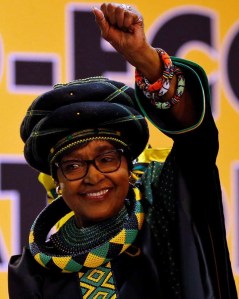
Sadly, while she waited 27 years for Nelson Mandela, it took him 4 years after coming out of prison to get rid of her! Really? Seriously? I guess women are supposed to keep the candle up and be loyal, while men are not held to the same standards. Any man who would have gone through 27+ years of what the apartheid system did to Winnie would have cracked, but not Winnie, she fought the fight, she fought for her people, and in 2009, the people re-elected her to the parliament in great fanfare. In January 2018, the University Council and University Senate of Makerere University, Kampala, Uganda, approved the award of an honorary Doctor of Laws (LLD) degree to Winnie Nomzano Madikizela-Mandela, in recognition of her fight against apartheid in South Africa. Julius Malema, the leader of the EFF, said last June: “She [Winnie Madikizela-Mandela] should have been the first female president (of the country)‚ a real president who was not going to be a front for male leadership.”
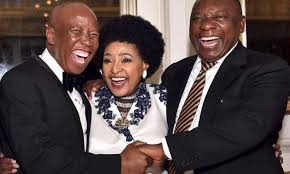
Please read SA History who celebrated the life of OUR HEROINE the gorgeous and strong Winnnie Madikizela-Mandela, the mother of the nation (do not forget to read what I said about African Women and Revolution); also read her book, Part of My Soul Went with Him. We, Africans, have to write our own history, and celebrate our heroes. Winnie Madikizela-Mandela was a hero like none other. Without Winnie Madikizela-Mandela, the world would not have known Nelson Mandela! If anybody has earned their place in history and in the hearts of her people, it is definitely Winnie Madikizela-Mandela! She was a woman of principle, and of great love for her people!


 African Heritage