African Countries are Among the Most Vulnerable to Land Grabbing

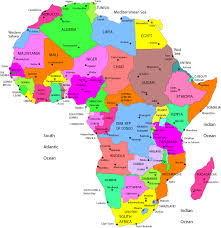
Map of Africa

The German platform Statista published a study titled, “Countries Most Vulnerable to Land Grabbing.” Land grabbing refers to a large-scale acquisition of land, often by powerful entities, multinationals, corporations, governments, usually foreigners and frequently involving unethical or exploitative practices. They involve the purchase or lease of massive lands mostly in developing countries. These land-grabs often raise high human issues, such as lack of compensation of the locals, removal of local populations from their lands, and environmental degradation.
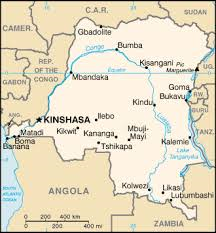
Map of the DRC
Map of the DRC

From Statista’s study, the countries most at risk of land grabs are, no surprise, in Africa and Asia. Out of the 13 countries on the top list, 8 out of the 13 are African. The Democratic Republic of Congo (DRC) tops the list, followed by Cameroon, the Republic of Congo, Mozambique and South Sudan. Liberia and Cameroon have sold the most: 14.6 % of the country of Liberia is in the hands of foreigners, while 8.5% of Cameroon is, so about 1.6 million hectares and 4 million hectares respectively. For countries like DRC or South Sudan, one could understand as there were wars in the country. But what about Cameroon? To be 3rd on the list, and have 4 million hectares (40,000 km²) of the country in the land of foreigners is crazy… To put it in perspective, 4 million hectares is roughly the size of Netherlands, Switzerland, or Denmark (excluding Greenland). Thus, the government of Cameroon has ceded land the size of the Netherlands to foreign interests between the years 2000 and 2024. This is without counting the ones ceded since independence… This is all done without the populations’ consent, and the countries almost get nothing, if not pennies? In Cameroon, majority of the companies are French, but there are also Chinese, American and more. As we saw in the case of Niger, or Cameroon with Safacam for instance, which has been there 130 years, but the road there is impracticable – they can grab everything, without even giving simple things like roads to the locals!
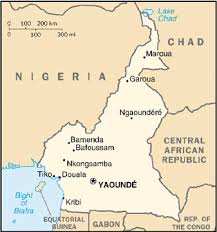
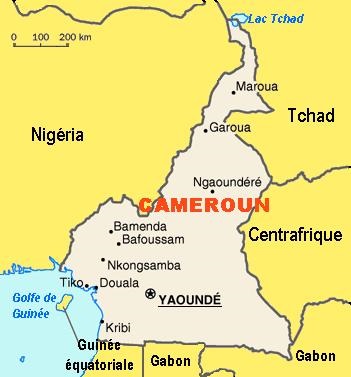
Map of Cameroon, with the capital Yaoundé

The Statisca survey goes on to indicate that the land acquired by foreign investors in Cameroon is primarily used for logging, mining, and industrial agriculture, such as palm oil production.

This is why African governments should be transparent, and expose every contract that they sign in our names and our children’s names so we know what is going on. African Governments should make Contracts Public to their Populations! They should take example on King Moshoeshoe I who banned the sale of the land of his ancestors to foreign investors. We should have a thing similar to the DOGE website to see all contracts!!! Moreover, if there is a call for contracts, how about our governments also open the call to locals? There are many Africans with great ideas!
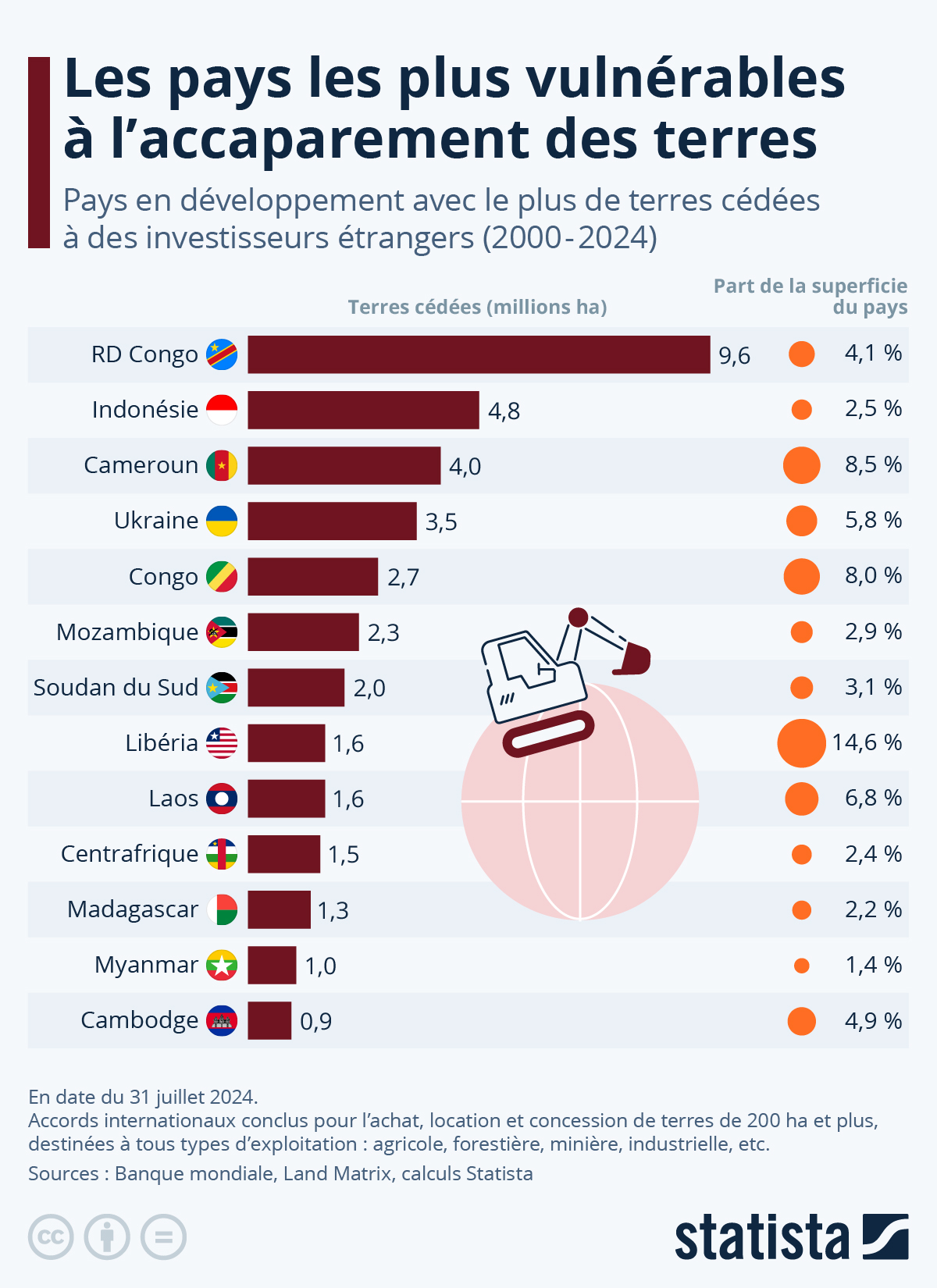
Most Vulnerable Countries to Land Grabbing (Source: Statista – Banque Mondiale, Land Matrix)
 

Cameroon – History Repeats Itself ?

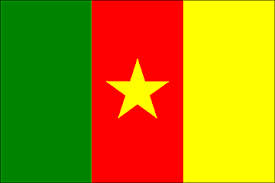
Flag of Cameroon

Africans, it is so important to know our history, so as to be better equipped so it does not repeat itself again and again and again. I would like to publish here the words of the Cameroonian filmmaker Jean-Pierre Bekolo, who highlights the fact that history is repeating itself in Cameroon. Although many may not totally agree with him, the similarities between the events of 1955 and 2025 are numerous. In 1955 in Cameroon, the Union of the People of Cameroon (UPC) of Um Nyobe (Ruben Um Nyobé: Fighting for the independence of Cameroon), was shut down as it was fighting for the total independence of Kamerun. In reality, Cameroon never got its independence as the then colonial regime and later the puppet government killed the independence movement, and Cameroon’s freedom was confiscated. Today, the same thing is happening again: the main candidate who represents a change, whatever it is, a new chapter in the life of the country (the current leader has been in power for 43 years now, and was in the high levels of power – minister and prime minister – 20 years before that) has been blocked from participating in the upcoming elections by some “magic” trick. The 12 October 2025 elections will go on without him even though he has a major support of the population, and this is starting to look like a carbon copy of the events of 1955. Truth be told, Cameroon, like many Francophone African countries never got its independence. Thus, maybe the real battle is to break the chains of bondage, and resume the fight our forefathers started? Let’s have Millions of African Leaders: Be the Leader You Want to Have!

The excerpts below is from Actu Cameroun based on Jean-Pierre Bekolo Facebook’s post. Enjoy!

=====

Map of Cameroon, with the capital Yaoundé

“Is it possible to compare what happened in 1955 in Cameroon with what we are experiencing today? Yes, we can say—with all the caution required for such a historical comparison—that the Cameroon of 2025 resembles, in many ways, that of 1955. If we need our history, it is not to complain, but to move forward. However, in Cameroon, history has not freed us: it has chained us. The events we are experiencing today, and which we will experience until October 12, could well be an almost exact repetition of a drama already played out during the colonial era—and never closed.

… It’s 1955. Two camps are facing off. On one side, those who want Cameroon to belong to its children. On the other, a colonial power that gives nothing away without repression. And between the two: collaborators, opportunists, wheeler-dealers, those who know where the truth lies but hope for crumbs. These don’t really believe in the system, but they find it to their advantage. They don’t support the regime out of conviction, but out of comfort, cowardice, or calculation. They know exactly what needs to be done for this country to change—but they prefer to wait for their appointment, their per diem, their prestigious position. They are the same people Fanon described: local elites who serve domination without bearing its name, intellectuals who rent from the established order, journalists of silence. In 1955, the colonial power identified two targets to be destroyed: the radicals, who must be killed, and the moderates, who must be bought or neutralized. Any voice in favor of an independent Cameroon is then a threat. We must divide, oppose, buy, crush…

… In May 1955, while Cameroon is still officially under French rule, the Union of the People of Cameroon (UPC) embodies a strong desire for independence. Its vision is clear: to build a free, sovereign nation, free from colonial rule and compromise. But this ambition is perceived as subversive. On May 20, 1955, the colonial government banned the UPC. In the following days, many cities go up in flames: Douala, Yaoundé, Ebolowa… The repression is brutal. It marks the beginning of what is now called the war of liberation, with its trail of violence, clandestinity, and sacrifices. Um Nyobè and his comrades are forced to flee, then to engage in armed struggle. In July 1955, the official ban on the UPC is confirmed. The nationalist movement is criminalized, the 1956 elections take place without it, and the independence project carried by the Cameroonian people is confiscated.”

Cameroon – Where Self-Hate is used to Keep a Country in Bondage

Flag of Cameroon

It is no secret that the political climate in Cameroon is like an open wound for sore eyes. The Cameroonian regime which has been in place for the past 43 years, and since independence given that the current leader Paul Biya had been in positions of power 20 years prior, is known for being addicted to magic tricks and forgery! The regime’s latest magic trick has been to eliminate the best candidate, Maurice Kamto, by a wave of a wand, or rather a pen, a virtual pen. Over the past two weeks, we have seen a high minister of the nation erase the strongest candidate’s name on the election website, and produce a candidate out of nowhere, and then cement the whole with the stamp of the regime’s judicial arm that is the Constitutional Court this past Monday; all of this crowned by the silence of that double-sided international community (IC) which is always partisan in the face of Cameroonian pain (Cameroon and the Double Standard of the ‘International Community’). What is shocking in Cameroon is not really that a system is trying to maintain itself, but that the population has turned on its highest fighter and defender in bouts of apathy, and hate, hate of itself! I hear people spew insults and hate against those who ask the populations to fight for their freedom, and for their strongest defender of the hour, Maurice Kamto. Yes, Cameroon is a repressive dictatorship, which the IC still calls a democracy, but it is not a crime to dream and wish for a better country! It is actually a divine right!

I have been trying to find words… but Jean-Pierre Bekolo described this weird Cameroonian behavior better in Actu Cameroun. Excerpts below are from Actu Cameroun. Enjoy!

======

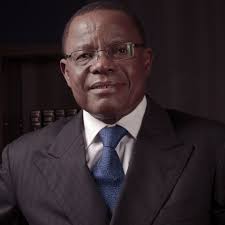
Maurice Kamto

For Jean-Pierre Bekolo, “Kamto is disturbing because at a time when everyone was accepting the established order, he spoke where we were silent, dreamed where we survived, proposed where we suffered. He is the slap of reality for those who had become accustomed to looking the other way. So we hate him. Not for what he did, but for what he awakens. Because in a dictatorship, the worst enemy is not the one who destroys, but the one who reminds us that everything could be different.”

… Kamto didn’t steal. Kamto didn’t kill. Kamto didn’t insult. Kamto didn’t call for war. He just wanted to be president. And for that, Maurice Kamto was imprisoned, insulted, demonized, humiliated, and censored. Why would many of his own fellow citizens rejoice in his suffering?

… This is a more serious, more deeply rooted phenomenon: a toxic, collective hatred against anyone who dares to stand up in a country where you are taught from childhood to walk bent over.

In a normal society, one can debate, oppose, and propose. In a normal society, wanting to lead one’s country is a civic act. But in some dictatorships, like the one that still haunts Cameroon under the spectral shadow of Paul Biya, wanting to be president is seen as a crime of lèse-majesté, madness, an insult to the order of things.

… Kamto is certainly not perfect; he even has many flaws, but no more than Paul Biya’s regime.

The most worrying thing is that this hatred against Kamto is a symptom of the regime’s success. It no longer rules solely through the police, the army, or fear. It rules from within people. It has colonized their minds. It has succeeded in making the people themselves insult the one who speaks in their name. It has turned society against its own sentinels. The system has entered our bodies.

It’s no longer just the government that represses—it’s society that self-censors, that self-punishes, that self-expels its own hopes. And this mechanism is much more sustainable than brute repression.

Tonight, Kamto may or may not be rejected by the Constitutional Council [he has been rejected], but the hatred against him, which is in fact hatred against ourselves, will remain, and that’s what must be stopped. Dreaming is not provocation.

Kamto is not hated for having acted badly if we compare his actions to those of the current system; we want him neutralized for having dared to imagine another outcome, another policy, another ethic, another way of being Cameroonian. He dared to disagree without fleeing, to protest without violence, to oppose without hatred. And this is what makes him unbearable in the eyes of a system that only knows how to operate in the shadows, contempt, and fear.

In all this, it is not Kamto who is to be pitied. It is Cameroon. A Cameroon that celebrates the punishment of those who want to love it differently. A Cameroon that rejoices when those who dare to hope are repressed. A Cameroon that laughs at the suffering of those who refuse to remain silent

….

Reclaiming African History : Bimbia, a Hidden Slave Fort on the Coasts of Cameroon

Flag of Cameroon

A few years ago, a colleague of mine visited Antigua, and when he came back, he told me that during his tour of the island, his guide told him that most of the island was peopled by descendants of slaves who all came from Cameroon. I was stunned, as at the time, I did not know of a slave fort in Cameroon, and how could an entire island in the Caribbean be filled with descendants from Cameroon? This was when I started digging, and a few years later, Pr. Lisa Marie Aubrey’s research came out which validated the whole story.

Map of Cameroon, with the capital Yaoundé

Today, we will talk about a slave fort whose existence was not even known until the 2000s, yet, it is said that at least 10% of all African slaves taken to the new world must have passed through its “gates”. This slave fort is Bimbia, in Cameroon. It is listed nowhere in Cameroonian history books, and even in African books. Even today, children learning about the slave trade in Cameroon, do not know about Bimbia. There is indeed a great silence about the existence of slave forts in the crook of the Gulf of Guinea whether in Nigeria, Cameroon, or Gabon.

Welcome Sign to the Bimbia Site, in Bimbia, Cameroon

Located in the South West region of Cameroon, Bimbia is a small village about 5 km from the seaside city of Limbe, on the hills surrounding the city center. It is strategically located on the Gulf of Guinea, in the nook of its elbow, east of the Bight of Biafra, between Rio del Rey and Cameroons River (as the Wouri river was known back then). The site was only re-discovered in 1987 during the earthworks on the church dedicated to the memory of Alfred Saker church, and is now classified as a national heritage of Cameroon.

Vestiges of the slave fort at Bimbia

What brought Bimbia back from its oblivion? Most likely the fact that since Ancestry DNA has gained in popularity over the years, many African American actors, producers, politicians, such Spike Lee, Quincy Jones, Eddie Murphy, Blair Underwood, Chris Tucker, Condoleeza Rice, Oprah Winfrey, or Brazilian Regina Ribeiro, and more have found their origins in Cameroon. This was surprising, and led to more research to find out where their ancestors could have come from, given the absence of information on slave forts in the region.

Ruins of the slave prison in Bimbia

According to Pr. Lisa Marie Aubrey of Arizona State University who published her study in 2014, thousands of Africans were taken from the slave fort of Bimbia, similar to Gorée in Senegal, or more. From her research, she found out that at least 166 slave ships left the coasts of Cameroon. Bimbia is not the only slave fort found in the country, Rio del Rey near the Bakassi peninsula and Cameroons Town (Douala) are the others. From the ships inventoried, 9 left the territory in 1600, 98 in 1700, and 59 in 1800. 15 left from Bimbia, 9 from Rio del Rey, and 32 from the Wouri River.

The slaves who arrived in Bimbia from hinterland came from everywhere, but the majority came from the Grassfields, the Bamileke region, Northwest, Noun, Mbam, Tikar region, and even as far north as the Hausa region.

Ruins of where the slaves were fed, the manger, at Bimbia

For anyone visiting today, the road to Bimbia from Limbe is a tough road, sometimes impracticable during the rainy season; the site is hidden in a deep and lush green forest, with huge bamboos around. As a matter of fact, the slaves who ran away used this hostile environment with treacherous ravines, hills, and volcanic rocks to hide, to their advantage.

Bimbia was considered such a good location for the ships traveling the coast because of Nicholls Island whose south coast constitutes a deep sea port with at least 6 m depth, thus allowing ships to accost easily with no fear of crashing. Nicholls Island is located 300 m away from Bimbia which is on the continent; thus providing slavers with a perfect path to the continent for slaves. Once the slavers had gotten slaves from Bimbia, they could also make transit on the nearby island of Fernando Po (Bioko – where Malabo, the capital of Equatorial Guinea is located). Thus, slaves were brought from the hinterland, and kept in Bimbia, while awaiting the arrival of the slave ships; once the slave ship arrived, the slaves were taken from Bimbia to nearby Nicholls Island 300 m away, from where they were then moved into the ships to far away destinations never to see their continent again.

Nicholls Island, viewed from Bimbia

For today’s visitor, there are still vestiges that testify of Bimbia’s dark history: brick columns, rusty chains hooked on the falling walls, iron chunks here and there, bells, and the manger where the slaves were fed..

Although Bimbia has now entered the national heritage of Cameroon, it has not yet become as popular a destination as it should, like Goree, Elmina Castle, Cape Coast and others. This may be more due to the lack of organization in the overall tourism of the country, bad governance, and also the accessibility to the place. This is a call to more historians, particularly Cameroonian and African historians to restore the story of Bimbia and many of the other hidden slave forts of West and Central Africa.

GoodBye to a Courageous Leader : Ni John Fru Ndi and Ushering the Multi-Party Era in Cameroon

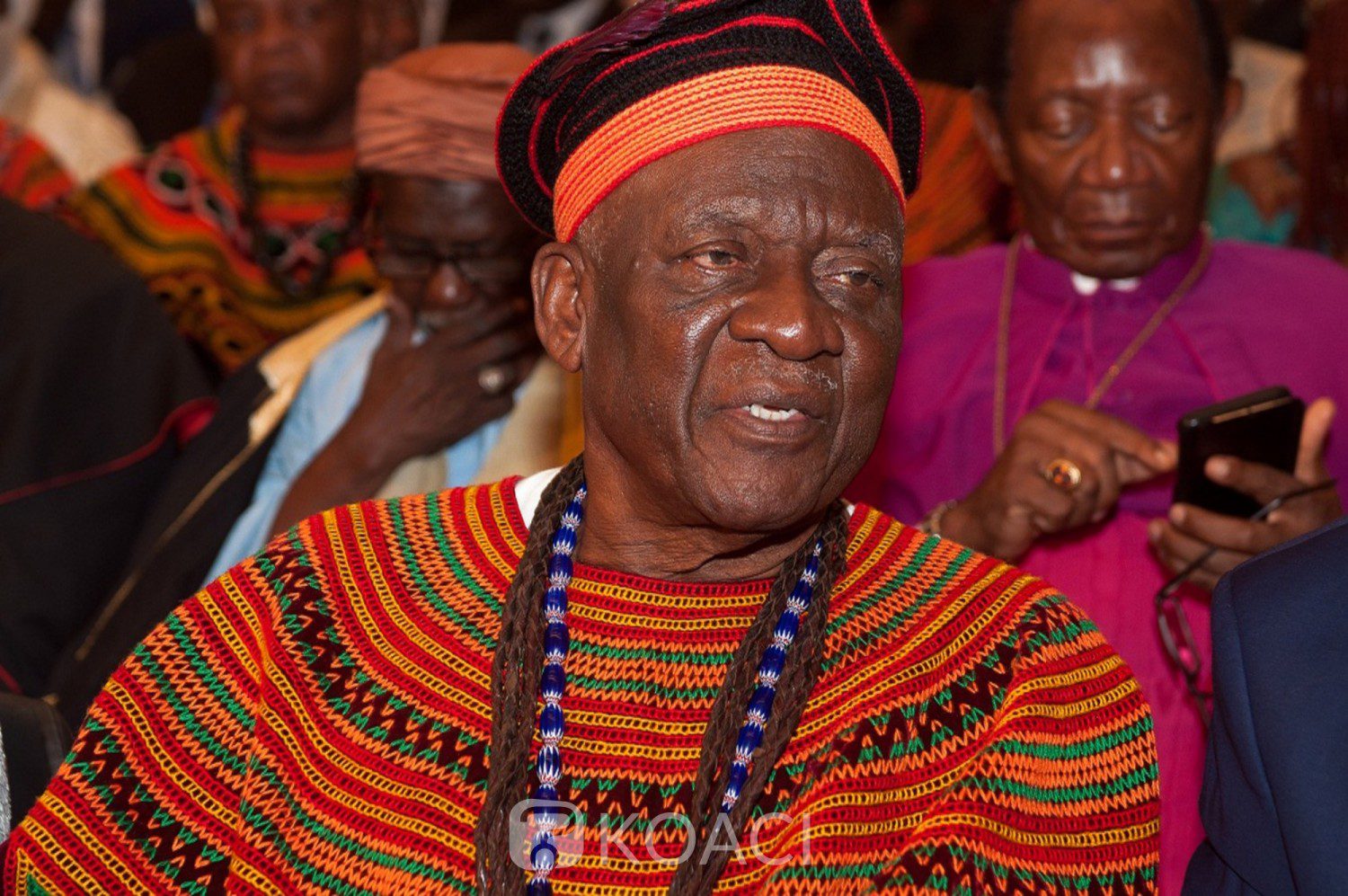
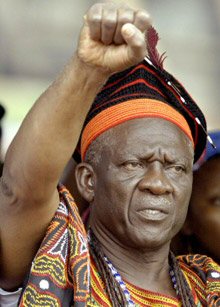
John Fru Ndi (Source: NewsduCamer.com)

Ni John Fru Ndi, the major political opponent to the current president of Cameroon for almost 3 decades has passed away. Affectionately called “The Chairman,” John Fru Ndi came up at the twilight of the National Conference in Cameroon with the creation of the Social Democratic Front (SDF) in 1990. Over the years, his party came to symbolize hope in a place where there had been no ‘real’ leadership change in over 30 years. His party was seen as the main opposition party to the government for over 2 decades. He was unavoidable in the political arena, and ran for president several times. He came close to winning in the October 1992 presidential election, but through some constitutional gymnastics and some play by the Supreme court (always) his win was pulverized and given to the governing party. The Supreme Court judge who heard his petition alleging fraud, said his “hands were tied” – and let the official results granting victory to incumbent Paul Biya, with 40% of the vote, stand. This caused great upset among SDF supporters and Fru Ndi was placed under house arrest for three months in his home in Bamenda, and a state of emergency was declared in the country. Later, Fru Ndi was nonetheless invited with his wife to the inauguration of US President Bill Clinton in January 1993.

Ni John Fru Ndi (Source: Bonaberi.com)

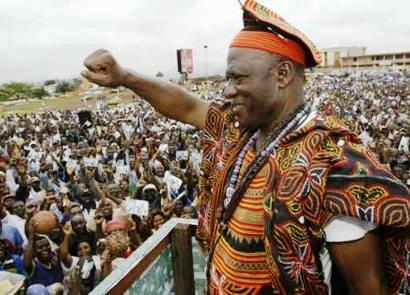
Like everyone back then, Fru Ndi began his political career in the 1980s as a member of Biya’s Cameroon People’s Democratic Movement (RDPC). Through the years, he grew frustrated with the one-party system. In 1990, during the years of the National Conference when Cameroon officially ended the one-party rule, he formed the opposition party the Social Democratic Front (SDF). Although he hailed from the Northwest province of Cameroon (English speaking area of Cameroon), he strove to represent all Cameroonians, and aspired for the unity of the entire country seeking a federally unified Cameroon. He addressed the masses in pidgin English. Soon, SDF came to stand for “Suffer don finish” – where with his arrival in power, his party would usher the end to suffering. At political rallies, he would raise his fist to shout “SDF” to the crowd, who would chant back en masse: “Power to the people!” This call and response was repeated until the third time when they would roar back: “Power to the people and equal opportunities!” The masses were galvanized; for many Cameroonians who had been muzzled for far too long under the one-party frame, this was the opportunity to exercise their civic duties and participate in the political life of their country. They saw in Fru Ndi the alternative to the stuck-up politics. Their efforts were repressed by the governing party; the early 1990s were the years of strikes, street protests, “zero-deaths,” and more.

John Fru Ndi addressing the masses in Bamenda (Source: Cameroonpostline.com)

In recent years, Fru Ndi was not a supporter of the secessionist rebellion in Anglophone Cameroon that has claimed tens of thousands of lives and displaced countless people over the last six years. He was even kidnapped twice and beaten up by militants of the secessionist group in 2019, and part of his house was burnt down. The  secessionists were angered by what they saw as his betrayal for not supporting their demand for an independent state of Ambazonia, as they call Cameroon’s two English-speaking areas – the Northwest and Southwest regions. This forced him to sadly relocate from his beloved Bamenda to the capital Yaounde. He was very proud of his origins and rarely was seen wearing anything but atogho, traditional Bamileke clothing from the Northwest region, or Boubou: A Traditional African Garment.

Flag of Cameroon

Many claim that he should have united the opposition behind one leader against the government, as he had failed to get the coalition formed by the opposition to agree to field a single candidate to take on Mr Biya; or that he had been corrupted by the governing party.  Fru Ndi may have made mistakes, but at some point he represented the hopes of millions, hopes for a different future, a different alternative; and he had the courage to stand up and create a party who united people from all levels of the society, ushering the era of multi-party in Cameroon which was often paved with thorns. He has left a major imprint in Cameroon’s politics.

Below are some tributes from AfricaNews,

I salute the memory of a singular, charismatic and courageous leader,” said current opposition leader Maurice Kamto who ran for president in 2018.

The story of the return to multi-party politics in Cameroon cannot be written without [Fru Ndi’s] name in bold gold,” said politician Akere Muna, who ran for president in 2018. “His life is a lesson to the fact that leadership is about serving and not about being served,” he said.

Ni John Fru Ndi for the SDF (Social Democratic Front, editor’s note) was the guide, that is to say, the man who traced the furrow along which we walk, the man who against all odds imposed the return to a multi-party system in Cameroon on 26 May 1990 and with it a set of individual and collective freedoms granted to the entire Cameroonian people” Marcel Tadjeu , Chairman of the Douala 5 SDF electoral constituency told AfricaNews correspondent.

Read also articles on the BBC, ABC, and AfricaNews.

Joseph Merrick: Pioneering Missionary Work in Cameroon

Cameroon
Map of Cameroon, with the capital Yaoundé

How many Cameroonians have heard of Joseph Merrick? The Jamaican and first missionary to create a mission on the coast of Cameroon? Most people are used to hearing about the British missionary Alfred Saker who “brought” christianity to the coastal towns of Cameroon, and is often referred to as the pioneer, even though he was first hired as a ship mechanic, millwright, and naval engineer before becoming a missionary upon his arrival. So there are thousands of schools and streets named after this “great” white man in Cameroon: College Alfred Saker and Boulangerie Saker in Douala, Saker Baptist College in Limbe, to name just a few; there is even a monument to this man in downtown Limbe. Can you imagine my surprise when I learned that Alfred Saker was not the “pioneer” I had been made to believe, but rather a later pioneer following on the footsteps of others? Yes… Alfred Saker came after others had started sewing the seeds of Christianity on Cameroonian soil, and his main advantage was that he was a European (let’s call a spade a spade). The real man who should be considered missionary pioneer to the coastal towns of Cameroon was the Jamaican Baptist missionary, Joseph Merrick, who, assisted by another Jamaican Joseph Jackson Fuller, established the first successful mission on the Cameroonian coast of Africa.

Cameroun_Joseph Merrick_at_Isubu_funeral in 1845
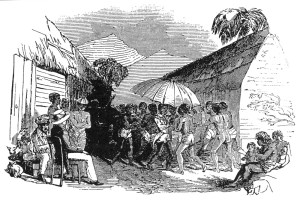
Joseph Merrick at an Isubu funeral, in Bimbia (1845)

Who was Joseph Merrick?  Joseph Merrick was a Black Jamaican, who began preaching in 1837 in Jamaica and was ordained a full missionary in 1838. The work of the Baptist Society in Cameroons was an outcome of the freeing of the slaves in Jamaica. Many thousands of these freed slaves were members of Baptist Churches in that island, and the first-fruits of their new found liberty was the desire to help their own people in Africa, the land of their origin. Thus, Joseph Merrick had been recruited by the Baptist Missionary Society of London who was looking for Jamaicans to preach in Africa. Merrick, accompanied by his wife, arrived in Spanish-controlled Santa Isabel (then Clarence, and today known as Malabo) on the island of Fernando Po (Bioko) in 1843. In 1844, he visited Bimbia (near Limbe) and spoke to King William (William of Bimbia) of the Isubu people to request permission to establish a church on the mainland. After the initial resistance, he was granted permission, and in 1844-1845 he founded the Jubilee Mission. Over the next 5 years, he set up to translate parts of the New Testament in the Isubu language, set up a brick-making machine, a printing press, and translated the bible, and wrote a textbook for teaching in  Isubu.

Cameroon_Victoria 1889_Thomas Comber book
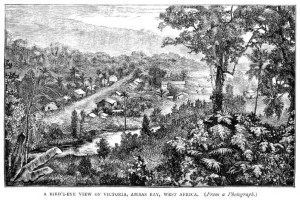
Bird’s eye view of then Victoria, now Limbe, Cameroon, in 1884

Adventurous, Merrick made several excursions into the interior from the coast, and climbed Mount Cameroon, thus becoming the first non-African to visit the Bakoko people.

Unfortunately, in 1849 he got sick, and set off to England with his wife for treatment but died at sea. Upon his death, Joseph Jackson Fuller took charge of the mission station and congregation at Bimbia. Merrick’s efforts also paved the way for Alfred Saker to make further progress – he made use of Merrick’s printing press to translate and print the Bible in Duala. Joseph Merrick can be seen as the pioneer of the missionary work in Cameroon. He had a talent for learning languages and within a short time he preached in both  Isubu and Duala.

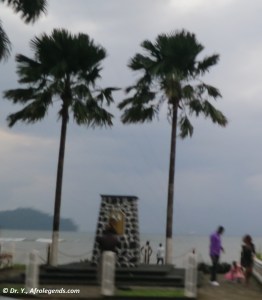
Cameroon_Limbe_Saker Monument
Monument to Alfred Saker in Downtown Beach in Limbe, Cameroon

In essence Joseph Merrick is the man who should be celebrated, just as much as Alfred Saker, if not more, particularly in the Limbe region. Why has Joseph Merrick been forgotten? Is it because he was Black?

Why the Name: Douala?

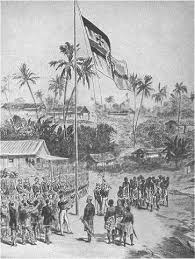
cameroon_kamerun-12-juillet-1884
German flag on the Joss plateau in Cameroons Town (Douala) on 14 July 1884

Have you ever wondered about the meaning of the name of the largest city of Cameroon, Douala? For the longest time, I always wondered why it was named after the people of the locality, the Douala people, and it seemed odd that a people arriving somewhere would name the locality after themselves as a group, not the king, not something to do with the environment, but themselves… I wondered if the name was not a heritage of the European colonization instead.

Before falling under German rule in 1884, the town was known as Cameroons Town, and later became Kamerunstadt (Cameroon city), the capital of German Kamerun. On January 1st 1901, the city was renamed Douala by decree of the German governor of the colony, and the original name Kamerunstadt was transfered to the entire territory of Kamerun.

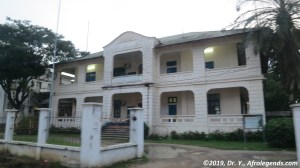
douala_sous prefecture
Old German Government Headquarters in Douala

For many of the indigenous inhabitants of the city of Douala, the name comes from a phonetic change of the name of their ancestor Ewalé, who upon arriving on the shores of the Wouri River around the 16th century called it Madu M’Ewalé or the mouth of the watercourse of Ewalé. Madu M’Ewalé is the plural form of Dul’Ewalé which later became Duala. Yet others believe that Duala comes from the exclamation “Dua, Ala!” (“Start, go!”) which has nothing to do with the arrival of Ewalé.

On 12 July 1884, the Germano – Duala Treaty was signed between the Douala kings and a representative of the German firm Woermann. On 14 July 1884, Gustav Nachtigal landed in Cameroons Town to take possession of the territory. The city then became known as Kamerunstadt, the capital of the territory from 1885 to 1901.

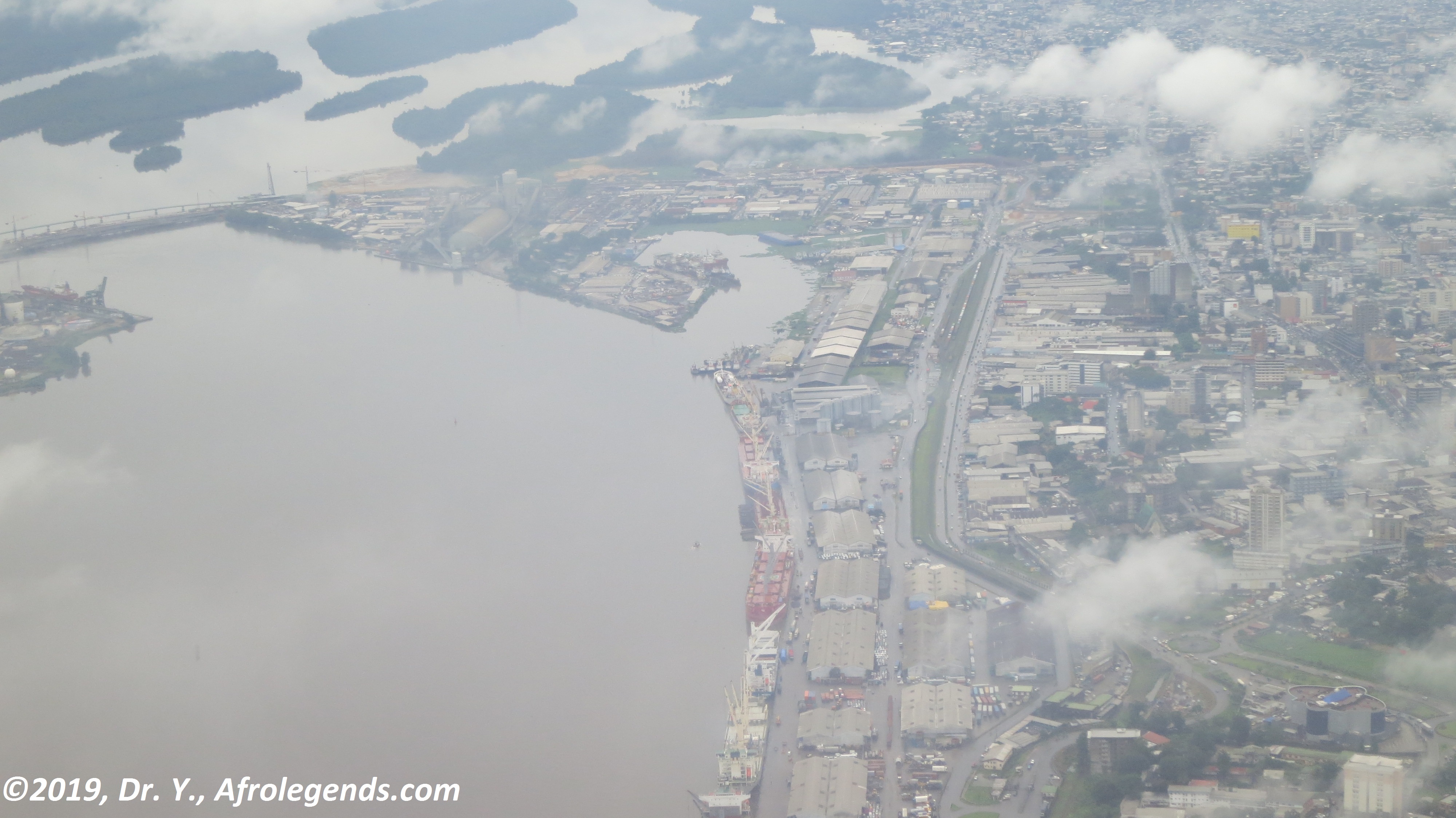
douala_vue des airs
View of the city of Douala, its port, and the Wouri Bridge

Today, Douala is the largest city of the country, and its economic capital; it is in essence the economic lung of the entire country, and is one of the major cities of the CEMAC zone. If you ever visit Douala, do not forget to go by the port, and visit Bonanjo with all its relics from colonial times, a blend from German, French, and modern architectures. Also, on a clear day, one can catch a glimpse of  Mt Cameroon, Africa’s 3rd tallest mountain.

douala_mt cameroun
View of Mt Cameroon from the Port of Douala


Cameroon and the Double Standard of the ‘International Community’

tshisekedi_2
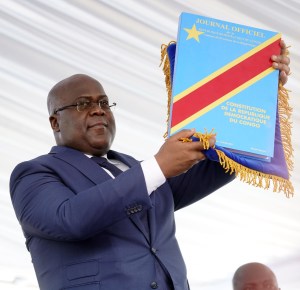
Felix Tshisekedi on investiture day

During the last elections held on 30 December 2018 in the Democratic Republic of the Congo (DRC),  Félix Tshisekedi was pronounced winner . He  defeated another opposition leader, Martin Fayulu, as well as Emmanuel Ramazani Shadary, who was supported by term-limited outgoing president Joseph Kabila. Immediately, the ‘international community (I.C.)’ pounced on Tshisekedi claiming that he could not have won, and that it was but Martin Fayulu the second who had won. There were even threats by the ‘international community’ via the French government through her Ambassador to the Congolese government. Tshisekedi’s victory has since then been upheld by the constitutional court of the DRC, and he was installed as president on 24 January 2019.

Maurice Kamto
Maurice Kamto (Maurice Kamto Facebook page)

In Cameroon, the story is a fair tale. After the 7 October 2018 presidential elections, opposition candidate Maurice Kamto, from all indications, came out winner of the elections against outgoing president, Paul Biya, who has been in power for the past 37 years… It was total silence by the I.C., in the case of Cameroon, who saw nothing wrong with a man who had been in power 37 years! They clapped and called those elections a standard of democracy! In the western media, there was no mention of Maurice Kamto, and the international community saw nothing wrong with the results of a presidential election being read 2 weeks after polling took place! This is the same international community that was so eager to get the results out in a timely manner in other countries such as the DRC, Madagascar, etc. Yet, Maurice Kamto won the elections and no mention of what happened to him took place. For Kabila in the DRC, the international community, via its medias, spent long time telling the world how Kabila had been in power for 18 years, and how anti-democratic that was. Yet in Cameroon, Paul Biya has been in power for 37 years, and they are clapping and calling the electoral hold-up democratic!
Cameroon_Provinces
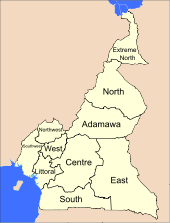
Map of Cameroon with all its regions

Since then, Cameroon has further descended into the abyss that it slipped into 37 years ago. Not only is the Cameroon territorial integrity in question: Boko Haram in the North has cut off the 2 northernmost regions from the rest of the country, the 2 English-speaking regions are cut off from the country ; in the East of the country, armed bands coming from the Central African Republic (CAR) are terrorizing the population, and in the Adamawa Region, armed groups coming from CAR are kidnapping people for ransom including traditional chiefs and stealing cattle; there are refugees both inside and outside the country, and post-electoral violence has ushered in a profound exacerbation of tribalism leading to the politics of divide-and-conquer. It looks like the ultimate objective is dividing Cameroon, like in Sudan, with an exacerbation of ethnic differences with a further push toward chaos for better exploitation of the country’s resources and emptying it of its youths.

Paul Biya_1
Paul Biya, President of Cameroon

If the I.C. can scream for DRC, and publish articles about Martin Fayulu being the winner in its media the day after publication of results, with the catholic church complaining about results, why does it not show any indignation or some concern for Cameroon? How can a 37-year-old rule in Cameroon be applauded and referred to as being democratic by the I.C., while an 18-year rule in DRC is called a dictatorship? Why is 85-year-old Paul Biya’s 37-year rule being applauded when Mugabe in Zimbabwe was vilified? How can Biya, with nothing to show for his stewardship, not even the integrity of his territory, not even roads, but total chaos and backwardness, be applauded by BBCRFI,  The Guardian, and France 24?  How can a president purposely destroy its country including its resources and be applauded by this so-called democratic I.C.? Well, because he serves the interests of the I.C., and has been a good student and puppet in helping the I.C. pillage the resources of his country. Cameroon is so rich in natural resources: oil, cocoa (6th producer), coffee, natural gas, gold, diamond, etc. In the robbery that is so synonymous with France’s predatory behavior in Africa (particularly in its so called “pré-carré”), why should this be a surprise? France’s nature in Africa, and the I.C.’s in general, has been and remain predatory.

Cameroon_flag
Flag of Cameroon

In Cameroon today, there is a strong dictatorship. The mafia that is synonymous with this regime has been repressing in blood all peaceful demonstrations and marches for the upholding of the genuine electoral results. All protest marches calling for the electoral records to be published are either banned or have seen the winner of the elections Maurice Kamto and his team arrested, including many innocents who have been screaming for a change, for a chance to have better life, roads, jobs, better healthcare, etc. People in the English-speaking provinces have been, hurt, beaten or killed, for simple claims which are basic human rights. A lot of them are currently displaced…  people in the north provinces have been displaced, and hurt by Boko Haram… yet BBCRFI, and the likes of them say nothing! Instead they applaud a government which refuses to negotiate with its own people. We do not ask them to intervene, but if those medias are supposed to be impartial, then they should be impartial, otherwise they should clearly state their agenda: portrayal of Africa as poor and in need of help, pillaging of African resources, promotion of wars on the African continent to help their cronies those western multinationals destroy and get all resources for nothing.

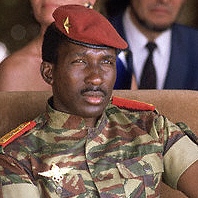
Thomas Sankara
Thomas Sankara a Ouagadougou

We, Africans, should recognize that we are not, and never were independent. We should protest and fight pacifically like this is our last fight. A mother sending her child to school, a father being able to feed his family, university graduates finding jobs in countries where everything is yet to be built, roads, water, electricity, basic human rights to respect, all of that are rights… and it looks like we will have to earn them  ourselves. Like Thomas Sankara said, “the slave who is not capable of assuming his rebellion does not deserve that we feel sorry for him. This slave will respond only to his misfortune if he is deluding himself about the suspect condescension of a master who claims to free him. Only struggle liberates… [ l’esclave qui n’est pas capable d’assumer sa révolte ne mérite pas que l’on s’apitoie sur son sort. Cet esclave répondra seul de son malheur s’il se fait des illusions sur la condescendance suspecte d’un maître qui prétend l’affranchir. Seule la lutte libère …(Discours de Sankara à l’ONU le 4 octobre 1984 (texte intégral) Speech delivered on October 4, 1984 during the UN general Assembly)].” DO NOT trust this condescending I.C., DO NOT trust their media that is very partial, and were all against Laurent Gbagbo, who today has been acquitted from crimes invented by this I.C. and its cronies. We have to fight for our own rights, our own freedom,  acknowledge that we are in charge of our own destinies, and never expect some partial Western media to report on the truth!

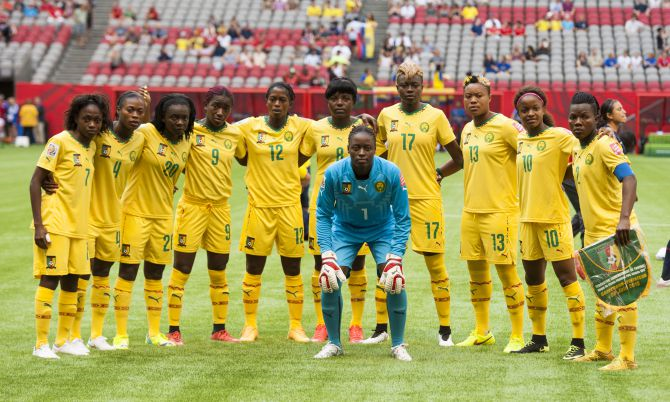
Cameroon in the Round of 16 at 2015 FIFA Women World Cup

Les Lionnes of Cameroon (Getty Images)

I was quite proud of the Cameroonian team who succeeded in going through the first round of the 2015 Women FIFA’s World Cup in Canada. This was Cameroon’s first World Cup participation. With no government support, barely any equipment, and little organization, they managed to do well with so little. Here is a quote by the Cameroonian coach Enow Ngachu, “The day we prepare and organize very well, I think an African nation will one day win the World Cup. … We just hope that with our performance many things will change in Cameroon and in Africa.”

Gaelle Enganamouit in action (Getty Images)

On June 20th, China PR survived a tough examination from Cameroon with a lone early strike from Wang Shanshan, thus ending the Lionnes of Cameroon’s journey. Both teams played with high-tempo and intensity from the opening whistle in Edmonton with chances aplenty at either end, but it was the Chinese who remained resilient at the back to advance into the last-eight. We are very proud of these Cameroonian sisters who showed that African women, and women in general, can play very good, entertaining, and amazing football/soccer, and should be equally cared for by their governments and people.  My hat to Gaelle Enganamouit, Madeleine Ngono Mani, Christine Manie, Gabrielle Aboudi Onguene, and all the other sisters who made us proud. Indomitable Lioness Gaelle Enganamouit became the first African to score a hat-trick at the Women’s World Cup. Below is a highlight from the game Cameroon – Switzerland, which was quite intense and beautiful to watch. Enjoy!

2014 FIFA World Cup: All the African Teams

2014 FIFA World Cup
2014 FIFA World Cup

Tomorrow, the world will vibrate to the rhythm of samba, carnivals, and Copacabana… Yes tomorrow, the 2014 FIFA World Cup will start in Brazil, and 32 of the best soccer nations will compete at this great planetary event.  This will one month of soccer, pure joy, fun, and above all talent;  Talent expressed by players from around the globe.  Legends will be made, new faces discovered, and dreams will take off.

Five African teams will grace the tournament: Algeria, Cameroon, Cote d’Ivoire, Ghana, and Nigeria.

We do hope that at least one African team will advance into the round of 16, and beyond.  Here are some of the African stars to watch out for.

2014 FIFA World Cup groups

The Desert Foxes of Algeria are a good team to contend with, in another relatively easy group with Russia, South Korea, and Belgium.  This should hopefully be an easy one.  Maradona predicts Algeria “will cause a surprise”, while Rivaldo says “the possibilities of reaching the second round are abundant”.

Samuel Eto’o Fils, captain of Cameroon’s Indomitaple Lions, is incontestably one of the best forwards on the planet, and one of the greatest strikers of his generation. This might be his last world cup, and Cameroon’s first in 8 years.  The Pichichi, and winner of several honors including African Ballon d’Or, will have to be ready to affront Brazil, the host country, Mexico, and Croatia in group A.

Didier Drogba, captain of Cote d’Ivoire’s Elephants, like Eto’o is also one of the best on the planet.  After playing for Chelsea and winning countless trophies, he is now in Turkey with Galatasaray FC.  This will probably be his last world cup.  We wish him, and the Ivorian team the very best.  They qualified with gusto to this competition.  They have a relatively easy group with Colombia, Japan, and Greece.  I will put my money on them moving to the next round in the tournament.

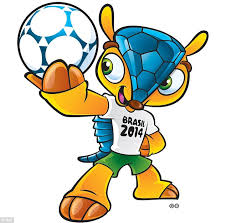
Armadillo, the 2014 FIFA World Cup mascot

Relying on their strength at the back, with captain and goalkeeper Vincent Enyeama, Nigeria will have to face Argentina, Bosnia & Herzegovina, and Iran.  The Super Eagles have undergone a radical transformation under Stephen Keshi, which has made them win last year African Cup of Nations‘ tournament. With good discipline, they should be able to advance in the competition as well.

The Black Stars of Ghana were fancied to repeat, or even improve on, their run to the quarter-finals in 2010 in South Africa.  That was until the draw was made and they were pitted with the world’s second and third-ranked sides.  Asamoah Gyan and his teammates will play against Germany, Portugal, and the United States. This is the “group of death”.  Ghana is a very good team; if they manage to make it to the round of 16, then they will quite far at the World Cup.  We wish them the very best in the competition.

Brazil 2014 World Cup

Throughout the years, I have placed high hopes on African teams and have always been disappointed.  I might once again be disappointed.  However, this is planetary tournament, and the fun of it makes one root for any good team.  For the world cup winner, I believe Brazil, the host country has home court advantage, as well as a pool of great talents.  Let us hope that will be enough to make them winners.  I also think Argentina of Lionel Messi will be a really great contender, as well as Spain, the last world cup winners.  Overall, let the world cup start, with all the fun, and may the best team win!!!