

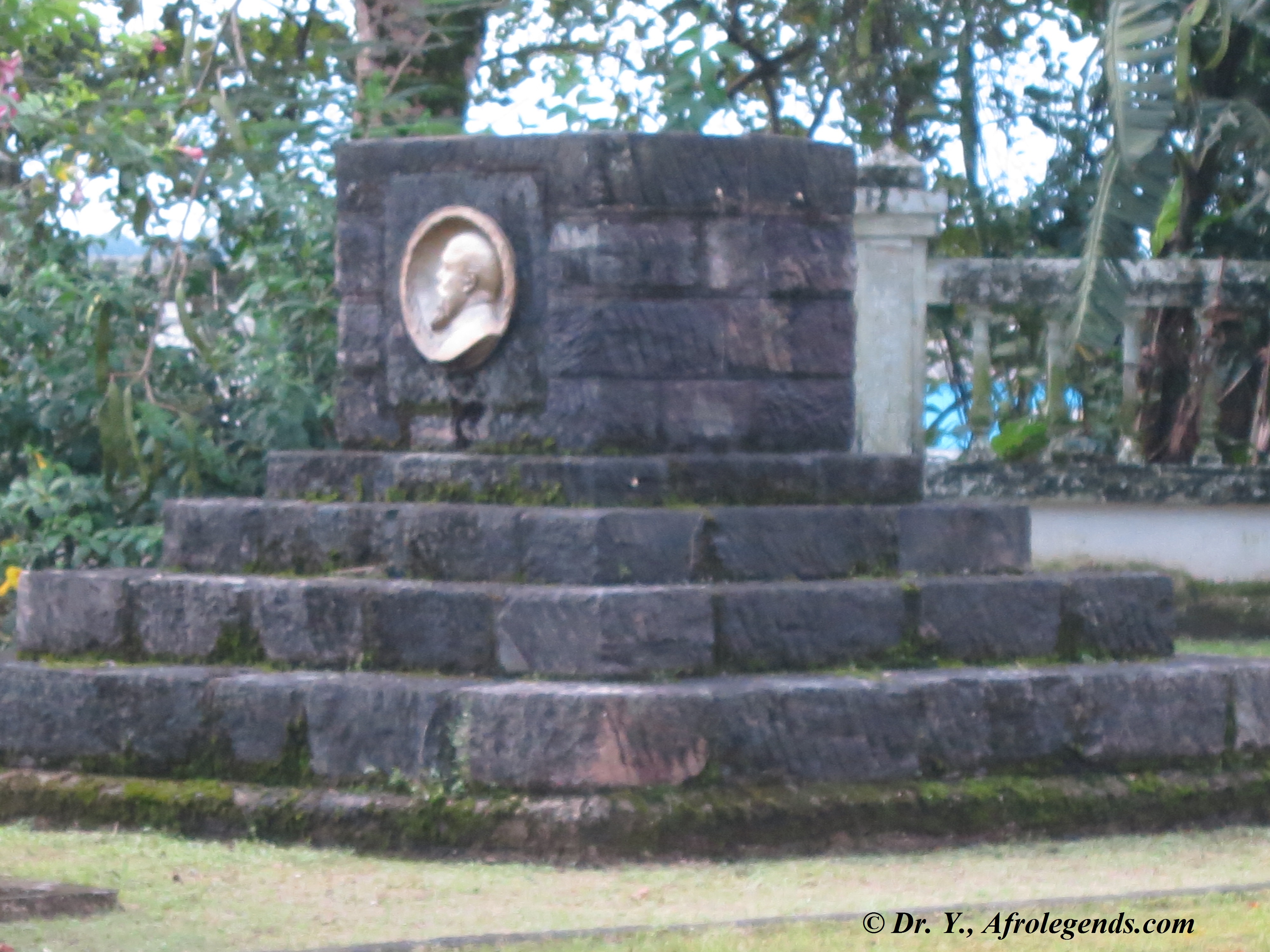
On January 13, 2025, the people of Limbe stood together against the alleged ceding of the historic slave trade site to a private company GilGal Tours for 50 year lease!!! Can you imagine that? It’s like the government is once again trying to erase the history of this place. One day, Cameroonians will wake up and find out that their government has sold the entire country away! How can one even fathom selling a national historic site? This site waseven been added to the UNESCO tentative list of World Heritage lists in 2020. How can one even wrap their minds around the ceding of Bimbia to a private company, after so many descendants of slaves taken from its shores have just started to reconcile with their history? After the whole country has reconnected with their history? A few years back, a friend visiting the site was told by her guide that a business man had come to level the place down, and had been stopped just in time; now this? Sure, Limbe, and the country as a whole needs development. Cameroon is full of beautiful places and tourist sites that are not being valued. It is no doubt that the site would benefit from the development in Limbe or simply the road to Bimbia which will open access to the area, and increase touristic benefits. The entire area should be honored !

Below are excerpts of an interview of Pr. Lisa Aubrey by Dunia Magazine. For the full article, check out the website. Please, also find this interview of Pr. Lisa Aubrey and Bwemba Bong. Furthermore, please check out the story of William D. Holland, the descendant of a prosperous prince of the Kingdom of Oku in the Grassfields area of Cameroon, who was sold into slavery because the king feared to be overthrown by him. Lastly, check out the Bimbia Heritage Project.
=====
Names like Gorée (Senegal), Bunce Island (Sierra Leone), Elmina (Ghana) and Ouidah (Benin) are all synonymous to the Transatlantic Slave Trade, and have gained an iconic place in history as locations from whence millions of Africans (up to 15 million it is believed) were transported to Europe and the Americas to be sold as slaves. How about the island of Bimbia? Have you ever heard of her?
Dr. Lisa Aubrey is an associate professor of African American Studies and Political Science at Arizona State University. She is also a Fulbright scholar (2014-15) based at the University of Yaounde I.

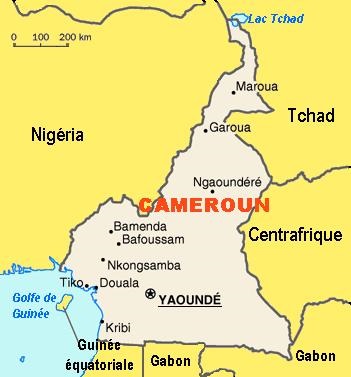
Since 2010, Dr Aubrey has been conducting research on Bimbia, a supposedly forgotten or not so often talked about slave trade port she refers to as “The Apertura”, located in the South West region of the central African nation of Cameroon. “It is the site at which African ethnicities in Cameroon were forcibly and cruelly whisked away from their homeland, or killed,” says Dr Aubrey in a recent special edition of Villages D’Afrique magazine. She goes on to note that the Transatlantic Slave Trade on the coast of Cameroon took place between the mid-17th to late 19th century. Dr Aubrey’s research team (between September 2010 and July 2014) were able to locate and validate some 166 slave ship voyages that left Cameroon bound mostly for plantations in the Americas, sometimes via neighboring Equatorial Guinea. “Bimbia is opening the door for broader research,” says the Louisiana, USA native.
…






 African Heritage