There was a lot to celebrate in Africa this year. Below are just a few:
Alliance des Etats du Sahel (AES) (Source: Alliance-sahel.org)
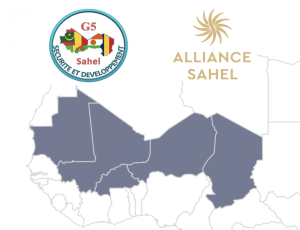
In January, Mali, Burkina Faso, and Niger left the ECOWAS creating a major seismic shift in the organization. Mali, Burkina Faso, and Niger all leave the ECOWAS. This came as no surprise given that the coup to topple puppet governments in their respective countries, the ECOWAS had suffocated these countries by suspending all three countries and imposing heavy sanctions on Mali and Niger that exacerbated the populations’ sentiments that it is a puppet organization serving foreign interests. Niger even tried to amend the situations by inviting ECOWAS representatives to the country, but only the member from Togo showed up. Why should anybody remain in an organization that punishes its member populations?
In January, Ghanaian artifacts were returned home for the first time in 150 years, on a “loan”. Ghana Artefacts “Return” Home 150 years later … on Loan. It is a disappointment that African governments can only get “loans” for what is dutifully theirs from those institutions which have amassed millions over the year from the exhibition of stolen African artefacts.
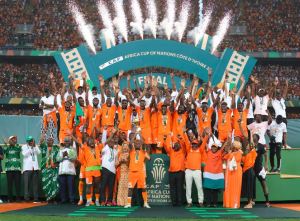
The Elephants are winners of the Africa Cup of Nations 2023 (Source: CAFonline.com)
In February, the Elephants of Cote d’Ivoire gave us a thrill from being redeemed in the knockout stage with 2 defeats (among which a 4-0 loss against Equatorial Guinea) that left them open to elimination, and a redemption that came from being one of the four best 3rd-placed team, a coach sacking, and a coach change, to lift the trophy of the Africa Cup of Nations. It was a real “Coup du Marteau” (Tam Sir, we are talking about your special song!) The Ivorians added to their previous Nations Cup wins of 1992 and 2015 (Côte d’Ivoire wins the 2015 Africa Cup of Nations) and became the first tournament hosts to triumph since Egypt lifted the trophy in 2006. CAN 2023: the Elephants of Côte d’Ivoire are the New Champions
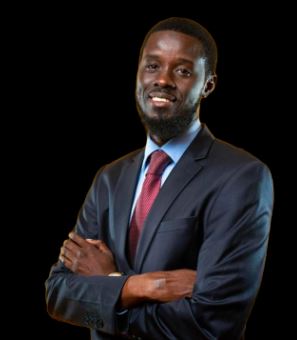
Bassirou Diomaye Faye (Source: Seneweb.net)
In March, Bassirou Diomaye Faye was elected president of Senegal, making him the youngest African president at 44. This was a joyous moment for the Senegalese people who stood to have their democratic system and constitution upheld. Faye is very unconventional, as the youngest with no political background (he was previously a tax officer), he is also the first Senegalese president to openly have two wives. With his friend and Prime Minister Ousmane Sonko, we hope for better governance for Senegal. Senegal Presidential Elections: Bassirou Diomaye Faye is set to be the next president. Either way, the Senegalese have demonstrated once again, that although their democracy is young, it is not to be messed with!
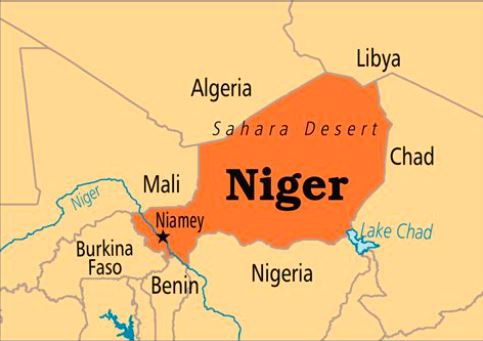
Map of Niger
In mid-March, Niger suspended military “cooperation” with the USA, with immediate effect. Operating from years of condescending treatments of those deemed inferior, particularly of Africans, the Americans had decided to dictate their will, like the French before, to Niger people and deny their sovereign rights to choose their own partnerships in their fight against terrorism. The spokesman of Niger’s government, Colonel Amadou Abdramane, exposed the fact that the military “cooperation” with the US was not even a real one, i.e. the US had installed their largest drone base in Africa, and possibly in the world, in Niger via a verbal agreement only, and the Niger people had to pay for the American base in their country, while the Americans never raised a hand to help Niger fight against terrorist attacks that were maiming their citizens [Bye Bye to French Troops in Niger, France set to Withdraw Troops and Ambassador from Niger]. Niger suspends military “cooperation” with the US, effective immediately.
Alliance des Etats du Sahel (source: linfodusahel.com)
Mali, Niger, and Burkina Faso’s leaders met on July 6, 2024 in Niamey, Niger, as part of the first summit of the Alliance des Etats du Sahel (AES – Alliance of the Sahel States). During the summit, the three leaders signed a confederation treaty aimed at strengthening the links between the three nations in terms of defence, and other aspects such as the economy, infrastructures, and more. They reinforced their mutual defence pact.
Right before the Paris Olympics, brother Biniam Girmay of Eritrea made history by becoming the first African to win a stage at the Tour de France, and two more stage victories which helped him capture the green jersey for the highest points scorer – a first for anyone from the continent.
Faith Kipyegon winning historic 3rd gold medal at the Paris 2024 Olympics (source: Kelly Ayodi for Olympics Kenya – EastleighVoice.co.ke)
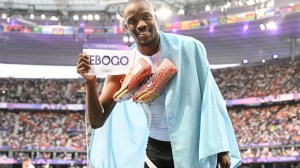
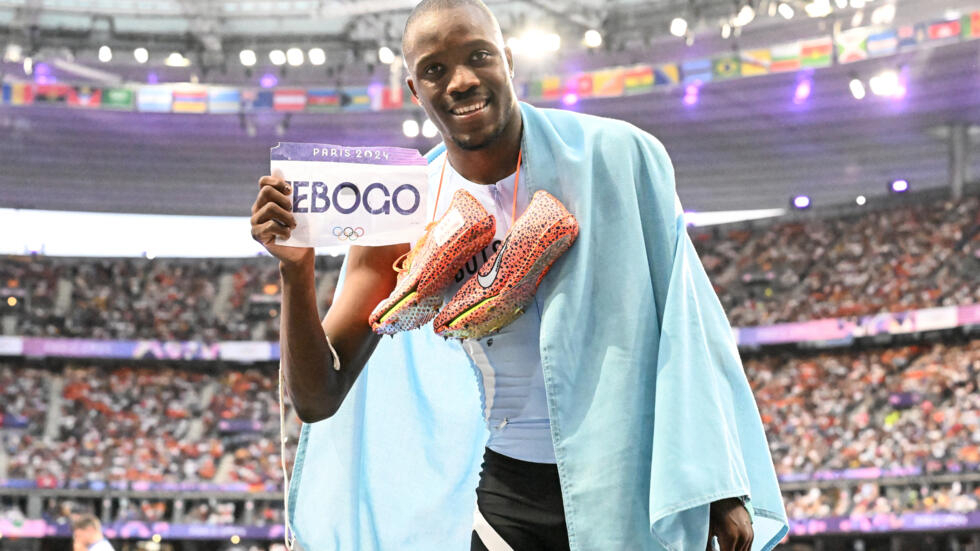
The Paris 2024 Olympics ended with a strong show from African athletes who shined in various disciplines, and represented many countries including outside of Africa. They made us proud and served us joy, endurance, and passion. We will list just a few. We had a lot of firsts, like our Kenyan sister Faith Kipyegon who won her 3rd successive Olympic gold in the women’s1500 m, making her the first African athlete to ever win gold in the same event 3 times in a row. Our brother Letsile Tebogo of Botswana earned the top most place in the Men’s 200 m thus giving Botswana and Africa as a whole its first ever olympic gold medal in the 200 m; Tebogo also led the Botswana’s team to a silver medal in the
Letsile Tebogo after winning gold in 200m (Source: Onuaonline)Men’s 4x400m relay, again a first for any African country ever. Ugandan brother JoshuaCheptegei delivered on his promise for his last Olympics to be memorable by winning gold in the Men’s 10,000 m, and landing Uganda its first gold at the games. Tatjana Smith of South Africa made her country proud by winning gold and silver medals in the Women’s 200m and 100m breaststroke events. Akani Simbine and South African track team delivered us silver in the Men’s 4 x 100 m relay, again a first for South Africa, and for Africa as a whole. Kaylia Nemour gave Algeria and Africa its very first victory ever in gymnastics with a gold in the Women’s Uneven bars in artistic gymnastics. Tamirat Tola, who was just added to the Ethiopian Olympics’s team 2 weeks prior, took home the gold medal in the Men’s Marathon. AhmedElgendy won the first gold medal for Egypt at any Olympics, becoming the first African and person to win in the new discipline of Men’s Modern Pentathlon. Cabo Verde got its very first medal at the Olympic games through David de Pina who won bronze in the Men’s 51 kg Boxing. Zambian Muzala Samukonga won the bronze medal in the Men’s 400m, giving his country its very first Olympic medal.
Aliko Dangote, Africa’s richest man, has built one of the world’s largest oil refineries in Nigeria, Africa. The refinery opened its doors last year, and in May shipped out its first boat of refined jet fuel to the Netherlands. Since then, the refinery has gotten into agreements with the Nigerian governments and neighboring ones as well.
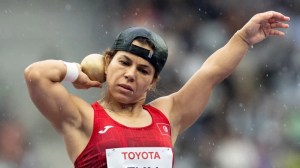
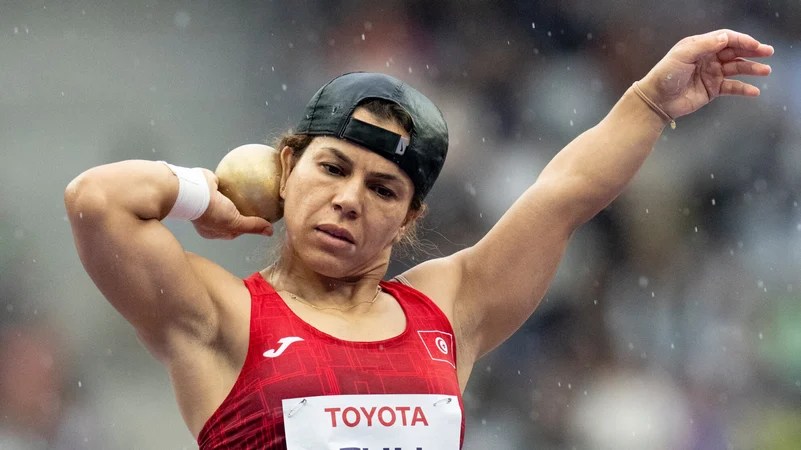
Paris Paralympics 2024 (Source: https://www.paralympic.org/paris-2024)Africa shone at the Paralympics, winning 64 medals, with Morocco getting the most medals with 15 medals, but Algeria topped the continent’s medal table thanks to its 6 gold medals vs. 3 gold for Morocco. Most medals were won in para-athletics and para-powerlifting disciplines. Veteran RaouaTlili of Tunisia cemented her place as a legend in the F41 discus throw and shot put, winning 2 gold medals this year, giving her a total of 8 gold medals for her country, having competed in each Olympics since
Raoua Tlili (Source: Outlook India)
Beijing 2008. Nigeria’s Mariam Eniola Bolaji became the first African to win an Olympic or Paralympic medal in Badminton. Yovanni Philippe gave Mauritius its first medal ever by securing a bronze medal in the men’s T20 400m; while Annaba native, Brahim Guendouz won gold in para-canoeing’s KL3 class over 200m, giving Algeria its first ever medal in a discipline outside of para-athletics, para-judo, and para-powerlifting.
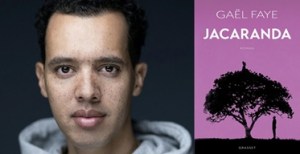
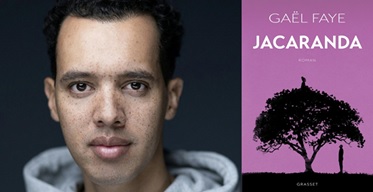
Gael Faye and his book Jacaranda
African authors made great wins and firsts: they won the most important literary awards in French literature: the Goncourt prize, which was awarded to Kamel Daoud for his third novel titled «Houris», and the Renaudot prize awarded to Gaël Faye for «Jacaranda». Daoud’s novel is currently in a controversy. Africans win the Goncourt and Renaudot 2024 Literary Prizes.
AndakiaA Senegalese startup, Andakia, has just introduced the very first African AI: AWA. AWA is a Wolof-speaking artificial intelligence system; it is the brainchild of Alioune Badara Mbengue. In an interview to TRT Afrika, Mbengue said, “AWA is the first AI that understands and speaks perfect Wolof. Our vision is to extend AWA to other African languages, enabling Africa to become a leader in digital innovation and ensure technological sovereignty tailored to its needs.” Users need to simply engage in a spoken exchange with the AI interface in Wolof, seeking general information or asking it to perform tasks such as ordering a taxi, ordering a meal, or carrying out financial and other transactions. This is revolutionary as it addresses the needs of the population. We applaud the amazing work of our brother and his team, and truly the sky is the limit.
Senegal opposition presidential candidate Bassirou Diomaye Faye, a political newcomer popular among the masses, came out of Sunday’s elections in Senegal with a strong lead. On Monday morning, his main rival, Amadou Ba conceded defeat. Faye who has been brought to the front of the Senegalese politics just over a week after he was released from prison, has been mentored by the true candidate of the masses Ousmane Sonko who everybody loved, but who the government had managed to disqualify from standing for election because of a bogus conviction. Faye contested the elections as an independent given that his party Patriots of Senegal (PASTEF), founded by Ousmane Sonko, had been dissolved. He ran under the slogan of “Diomaye mooy Ousmane” (meaning, Diomaye is Ousmane in Wolof) given that most Senegalese who voted for him, were in reality voting for his beloved mentor Sonko. At 44 years-old, he will be the youngest African president, and fifth president of Senegal.
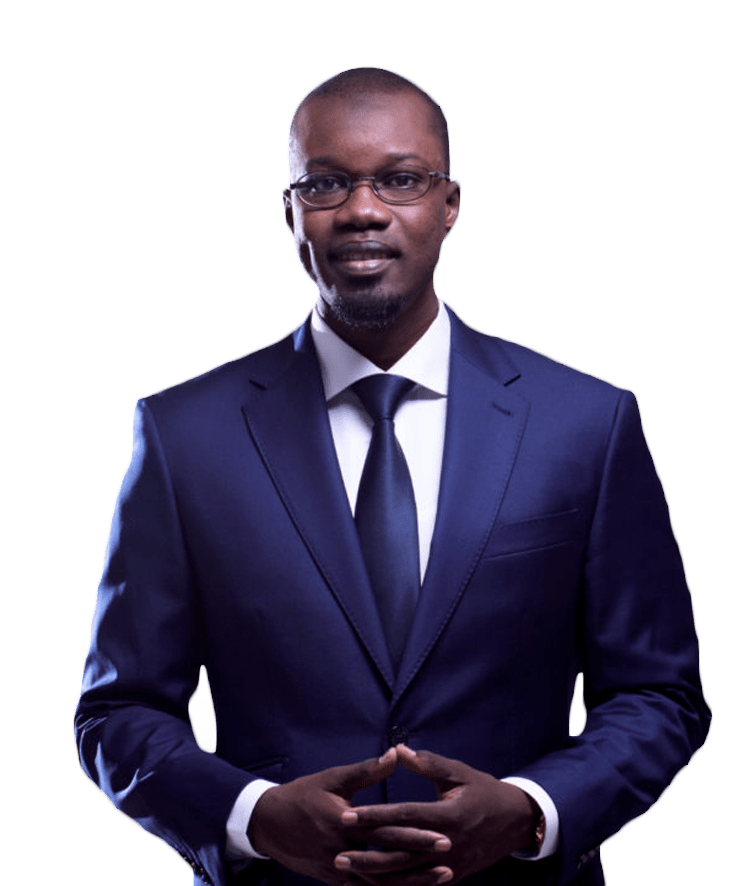
Ousmane Sonko (Source: Leral.net)
We applaud the victory of the people of Senegal who stood strong in the face of Macky Sall, the incumbent’s holdup tactics on the constitution and the power. We applaud the victory of the Senegalese masses who have shown that they would not stand still while their democracy is torn into pieces. We hope that Bassirou Diomaye Faye will keep his promises of including Sonko whom the people voted; Sonko campaigned by telling all that voting for Faye was like voting for him. We hope that Faye will keep the promises made of weeding out corruption, getting out of the CFA Franc zone, renegotiating mining and hydrocarbon contracts. The country is expected to start hydrocarbon production this year. He has his work cut out for him, with the high unemployment rate. Senegal is a young nation, and Senegalese dream of finally helping their country launch into the 21st century with pride; they are ready, and hopefully Faye will offer new opportunities to the disillusioned youth.
Below are excerpts from the BBC.
====
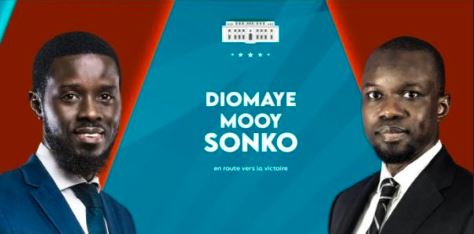
Diomaye mooy Ousmane (Source: Kalenews.net)
Few had heard of him a year ago, and now he is set to become president.
Bassirou Diomaye Faye’s extraordinary rise caps a rollercoaster period in Senegalese politics that caught many off-guard. Months in jail alongside ally and kingmaker Ousmane Sonko ended suddenly, with the pair released the week before the presidential election.
Now Mr Clean, as he’s nicknamed, must get to work on the sweeping reforms he has promised.
“Methodical” and “modest” are words often used to describe the tax collector, who celebrates his 44th birthday on Monday.
… Fighting poverty, injustice and corruption are top of Mr Faye’s agenda. While working at the Treasury, he and Mr Sonko created a union taskforce to tackle graft.
Gas, oil, fishing and defence deals must all be negotiated to better serve the Senegalese people, says Mr Faye. He is ushering in an era of “sovereignty” and “rupture” as opposed to more of the same, he told voters, and that is especially true of ties to France. Senegal’s president-elect says he will drop the much-criticised CFA franc currency, which is pegged to the euro and backed by former colonial power France. Mr Faye wants to replace it with a new Senegalese, or regional West African, currency, although this will not be easy… Strengthening judicial independence and creating jobs for Senegal’s large young population are also key priorities for Mr Faye …
Bassirou Diomaye Faye was announced in February as the so-called “Plan B” candidate, replacing the charismatic opposition firebrand Ousmane Sonko.
Both men founded the now-disbanded Pastef party, both men are tax collectors, and both men found themselves jailed last year on charges they said were politically motivated.
Mr Sonko ended up being convicted of two offences, which meant he was barred from the election, so Mr Faye stepped in.
Flag of Senegal
“Bassirou is me,” Mr Sonko told supporters recently. “They are two sides of the same coin,” Pastef colleague Moustapha Sarré agrees.
… the pair’s relationship could usher in a new style of leadership.
“Maybe they will establish a tandem and break away from the hyper-presidential model of having an all-powerful head of state.
“Sonko is of course the uncontested leader of Pastef – an icon, even… [But] the two have had a [dynamic of] complicity and collusion.”
Despite the shortened campaign period, Senegal’s citizens were adamant they would turn out and use their vote, Christopher Fomunyoh – of the National Democratic Institute for international affairs – told BBC Newsday.
“Senegal is in the process of confirming that democracies can self-correct and come out stronger and more resilient.”










 African Heritage