The Importance of the Timbuktu’s Manuscripts and their Return

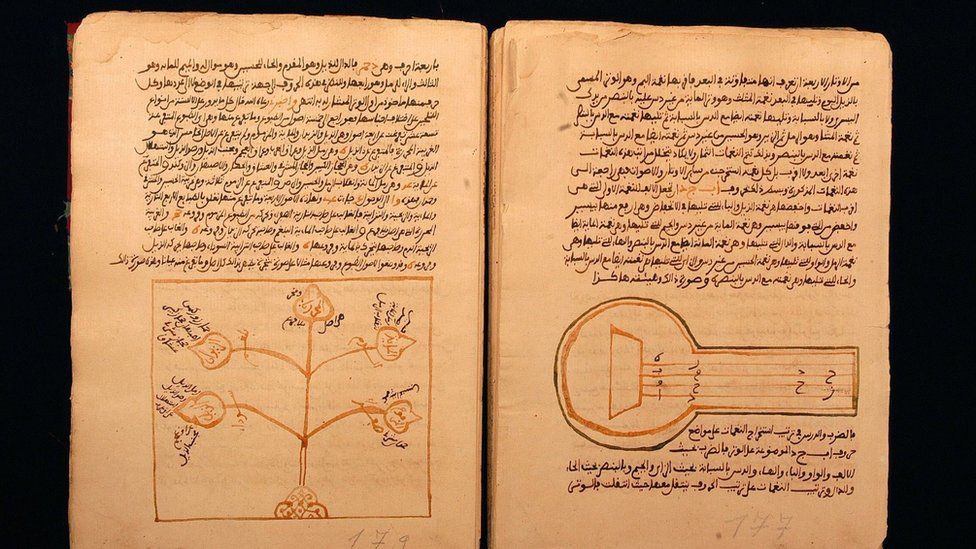
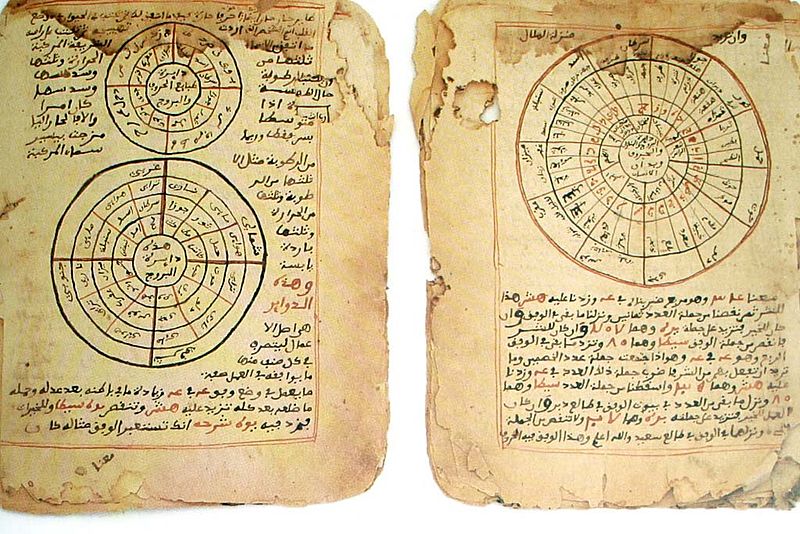
Manuscripts a Tombouctou (Mali) montrant de l'astronomie et mathematique
Manuscripts a Tombouctou (Mali) montrant de l’astronomie et mathematique

The Timbuktu’s Manuscripts are Returning Home to their rightful owners, after over 10 years away. It is so beautiful that the families who own these multi-centennial parts of African history get to have them back as it is not only part of their heritage, but ours also, and we are thankful for them to have protected throughout the centuries.

At the Ahmed Baba Institute in Bamako, people have been actively working on digitalizing all the manuscripts for humanity’s sake. These challenge the eurocentric views that “Africans have not entered enough in history” as the former French president Sarkozy said, even though many scholars from around the world used to travel to Timbuktu to find the best teachers. Through these manuscripts, we discover brilliant scholars, doctors, lawmakers, astronomers, mathematicians, geologists, and much more. After all, Timbuktu, was one of the world’s first and oldest university.

Excerpts below are from Africanews, and check out the Google Arts & Culture (Timbuktu Manuscripts now Available OnlineThe Lost Libraries of Timbuktu).

=====

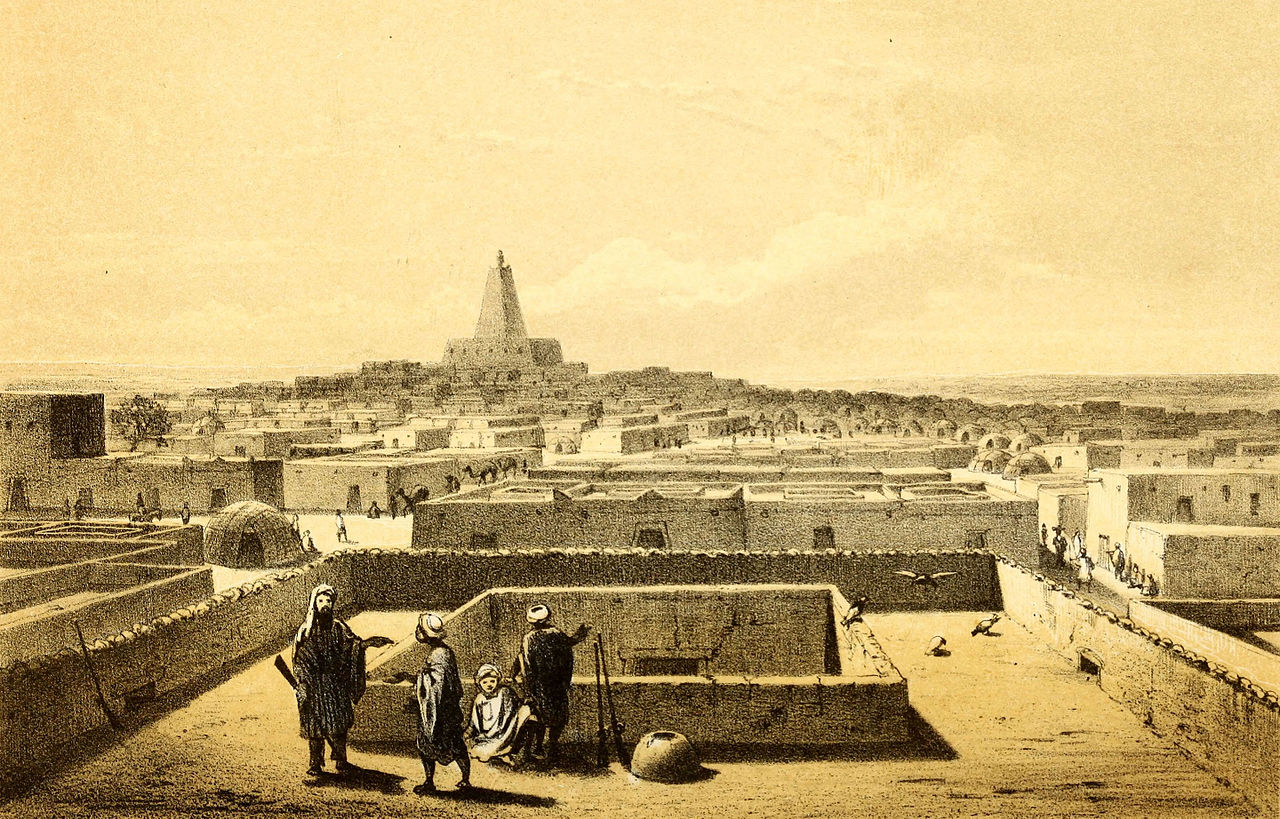
Timbuktu from a terrace by Heinrich Barth 1858

Among the manuscripts are medical texts, legal rulings, letters, astronomical notes and chronicles of West African empires.

In some pages, scholars debate whether smoking tobacco was moral or forbidden.

In others, officials urge reducing dowries so poorer men could marry.

Marginal notes record earthquakes and local events long forgotten elsewhere.

Sane Chirfi Alpha is the founding member of SAVAMA DCI, which is a local nonprofit organisation dedicated to the safeguarding, preservation, and promotion of the ancient Timbuktu manuscripts. He says the collection reveals a depth of scholarship that challenges assumptions about the region’s past.

According to old documents, there were doctors here in Timbuktu who performed surgery to treat cataracts. The same manuscript also says that a doctor from Timbuktu saved the French throne. The crown prince was sick, and French doctors could not cure him. It was the doctor from Timbuktu who cured him.”

…  One important tradition still documented in many manuscripts is the chain of teaching, where scholars recorded who taught whom through generations.

Dr Mohamed Diagayaté, general director of the Ahmed Baba Institute says: “When a student finishes studying with a scholar, that scholar gives him a certificate saying he has taught him a subject, which the student has mastered. The certificate also says that the student learned it from a certain scholar, and that this scholar learned it from another scholar, going right back to the person who wrote the original document.

Timbuktu’s Manuscripts are Returning Home

Map of Mali with its capital Bamako

Last week, the Malian government started returning the famous Timbuktu’s manuscripts home to Timbuktu after over 10 years away. As you remember, we prayed for the manuscripts to be kept safe, as Timbuktu was under Attacks by ‘Muslim fundamentalists’Timbuktu Manuscripts now Available Online. You know the AES is working hard, when it is safe for the Timbuktu manuscripts to return home after over 10 years away! This is a testimony to the hard work of the Malian troops, its people, and its government. The Malian people have shown that an African country can protect itself, recover its territory, and free its own people. Yes… there has been strong collaborations with Russia, and their neighboring brothers of Burkina Faso and Niger, and the formation of the Alliance of the Etats du Sahel (AES). Mali did what France and all its allies could not do with their multiple operations, operation Barkhane, Operation Serval, Task Force Takuba, etc, … wait they were not really there to free the country from terrorism, but rather to finance/protect terrorism, divide the country, so as to be free to do their business. We are proud of Mali, and pray that these manuscripts remain safe as they have been for centuries, in the hands of their very own people.

Excerpts below are from Africanews.

=====

Manuscripts a Tombouctou (Mali) montrant de l'astronomie et mathematique
Manuscripts a Tombouctou (Mali) montrant de l’astronomie et mathematique

The Malian military government on Monday started returning home the historic manuscripts of Timbuktu, which were spirited out of their fabled northern city when it was occupied by al-Qaida-linked militants more than a decade ago.

Islamic radicals destroyed more than 4,000 manuscripts, some dating back to the 13th century, after they seized Timbuktu in 2012, according to the findings of a United Nations expert mission. They also destroyed nine mausoleums and a mosque’s door — all but one of the buildings on the UNESCO World Heritage list.

The majority of the documents dating back to the 13th century — more than 27,000 — were saved by the devotion of the Timbuktu library’s Malian custodians, who carried them out of the occupied city in rice sacks, on donkey carts, by motorcycle, by boat and four-wheel drive vehicles.

Manuscript of Timbuktu (Google Arts and Culture)

… About 706 kilometers (439 miles) from Bamako, Timbuktu sits on the edge of the Sahara desert and has a dry climate. For years, the local municipal and religious authorities have asked for the return of the manuscripts. Diahara Touré, Timbuktu’s deputy mayor, said the famous documents are important to the local people as they “reflect our civilization and spiritual and intellectual heritage.”

… In February, the military government made a commitment to return the manuscripts, according to Bouréma Kansaye, the Malian Minister of Higher Education. He described them as as a “legacy that bears witness to the intellectual greatness and crossroads of civilization” of the city of Timbuktu — “a bridge between the past and the future.”

We now have a responsibility to protect, digitize, study, and promote these treasures so that they continue to enlighten Mali, Africa, and the world,” Kansaye said during Monday’s return ceremony.

Bamako! By Agostinho Neto

Map of Mali with its capital Bamako

In 1954, Agostinho Neto, Angola’s first president (before he became president) wrote a chez d’oeuvre titled Bamako, after the capital of the country of Mali. The poem appeared in his collection Sagrada Esperança (Sacred Hope), in 1974. The poem is an ode to African unity, resilience, and rebirth, all based on the rich history of the great Empire of Mali, and the continent as a whole. Neto refers to Africa’s tallest mountain, Mt Kilimanjaro. In his poem, he weaves in the great rivers of the continent, Niger and Congo, particularly focusing on the soil’s fertility from the abundant flow of the river Niger, and the tantalizing immensity of the river Congo. Above all, he highlights the warmth of its people, their friendship, their resilience (‘strong roots’), and their kindness. He builds on the pain of slavery and centuries of hurt to offer hope, the living fruit of Africa’s future; in Bamako, he says, we will conquer death! Why Bamako, one may ask? Bamako is special as it was part of the great Empire of Mali, where the oldest constitution in the world saw the light (Kouroukan Fouga, la Constitution de l’Empire du Mali – la plus vieille constitution republicaine au monde?), and is also known as the crossroad of West Africa, where germinated centuries’ old history of great West African kingdoms in Mali, and its rich traditions.

Below is Bamako! by Agostinho Neto, published in Sagrada Esperança, in 1974. You can find it on AgostinhoNeto.org

======

Bamako by Agostinho Neto

Bamako!

ali onde a verdade gotejante sobre o brilho da folha

se une à frescura dos homens

como as raízes fortes sob a tépida superfície do solo

e onde crescem amor e futuro

fertilizados na generosidade do Níger

sombreados na imensidão do Congo

ao sabor da aragem africana dos corações


Bamako!

ali nasce a vida e cresce

e desenvolve em nós fogueiras impacientes de bondade


Bamako!

ali estão os nossos braços

ali soam as nossas vozes

ali o brilho esperança dos nossos olhos

se transforma imenso numa força irrepreensível da amizade


secas as lágrimas choradas nos séculos

na África escrava de outros dias

vivificado o sumo nutritivo do fruto

o aroma da terra

em que o sol desencanta kilimanjaros gigantes

sob o céu azul da paz.


Bamako!

fruto vivo da África de futuro

germinado nas artérias vivas de África


Ali a esperança se tornou árvore

e rio

e fera

e terra


ali a esperança se vitoria amizade

na elegância da palmeira

e na pele negra dos homens


Bamako!

ali vencemos a morte

e o fruto cresce – cresce em nós

na força irresistível do natural e da vida

connosco viva em Bamako.


Bamako!

There, where the dripping truth on the leaf’s shine

unites with the freshness of men

like strong roots beneath the warm surface of the soil

and where love and future grow

fertilized in the generosity of the Niger

shaded in the immensity of the Congo

to the taste of the African breeze of hearts


Bamako!

there life is born and grows

and develops within us impatient fires of kindness


Bamako!

There are our arms

There our voices sound

There the hopeful glow of our eyes

Immensely transforms into an irrepressible force of friendship


dry the tears cried for centuries

in the enslaved Africa of other days

vivified the nutritious juice of the fruit

the aroma of the earth

where the sun disenchants giant Kilimanjaros

under the blue sky of peace.


Bamako!

living fruit of Africa’s future

germinated in the living arteries of Africa


There hope became tree

and river

and beast

and earth


There hope triumphs over friendship

in the elegance of the palm tree

and in the black skin of men


Bamako!

There we conquer death

and the fruit grows – it grows within us

in the irresistible force of nature and life

living with us in Bamako.


Why the name: Bamako?

Map of Mali with its capital Bamako

What does Bamako have in common with London, Paris, Amsterdam, Berlin, or Madrid? Of course it is the capital of a country, Mali, like all those other cities. However, the real similarity, is that it is located on the banks of a major river (like all those cities): the third largest river on the African continent, the Niger River, also known as Joliba (or the river of blood), near the rapids that divide the upper and middle Niger valleys in the southwestern part of the country. The city first grew on the north banks of the river, and later spread to the south banks as well.

Flag of Mali
Flag of Mali

The name Bamako comes from the Bambara word Bàmakɔ̌ meaning “river of crocodile“. It was founded at the end of the 16th century by the Niaré people, also called Niakaté, who are Sarakolés. The crocodile being the fetish of Bamako, in the olden days, a virgin girl was offered to it every year… however this tradition was abandoned a long time ago. A hunter from Lambidou (Kayes region) by the name of Simballa Niakaté chose the city’s site. However, it was his eldest son Diamoussa Niakaté who founded the city Bamako. The 3 crocodiles which symbolize Bamako found their origin in the 3 creeks that crossed Bamako: Lido, Diafarana, and Bèlèsôkô. The creeks come together in the city to flow into the Niger river. Just as the city’s symbol is 3 crocodiles, and so 3 creeks/rivers, it also comprises 3 major bridges which link both banks of the Niger River.

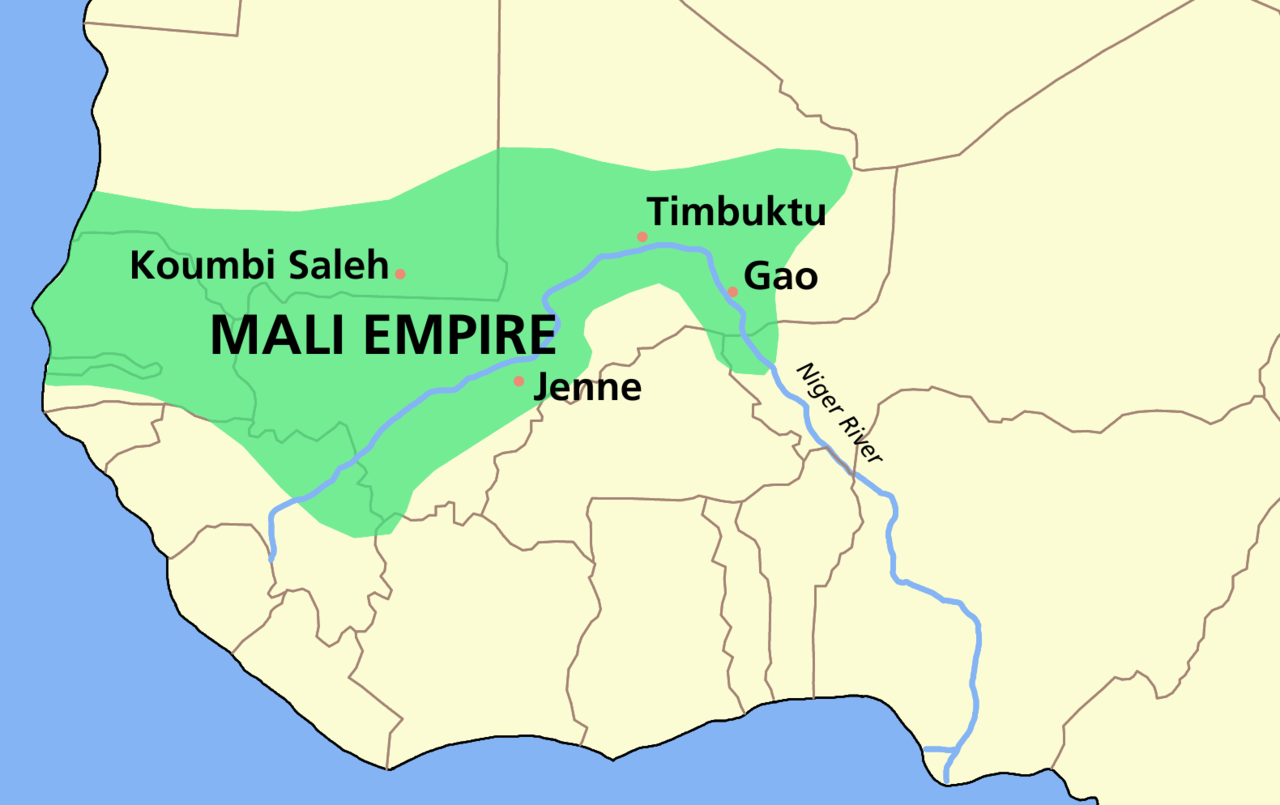
Mali Empire (Wikipedia)

The area of the city has been continuously inhabited since the Palaeolithic era for more than 150,000 years. The fertile lands of the Niger River Valley provided the people with an abundant food supply and early kingdoms in the area grew wealthy as they established trade routes linking across West Africa, the Sahara, and leading to northern Africa and Europe. The early inhabitants traded gold, ivory, kola nuts, and salt. By the 11th century, the Empire of Ghana (this will be the subject of a post soon) became the first kingdom to dominate the area. Bamako had become a major market town, and a pathway to Timbuktu the center of knowledge via the Niger river. Later, the Mali Empire grew during the early Middle Ages and replaced the Empire of Ghana as the dominant kingdom in West Africa, dominating Senegal, Gambia, Guinea, Mali, and Mauritania. In the 14th century, the Mali Empire became increasingly wealthy because of the trade of cotton and salt. It was eventually succeeded by the Songhai Empire.

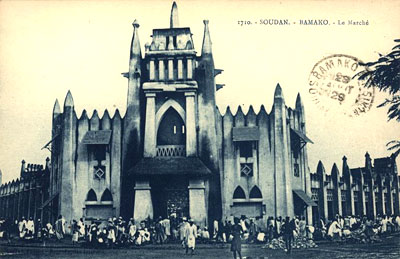
The Pink Market (Le Marche Rose) in Bamako ca 1900s

By the late 19th century, the French dominated much of western Africa, and in 1883, present-day Mali became part of the colony of French Sudan, and was its capital in 1908. Cotton and rice farming was encouraged through large irrigation projects and a new railroad connected Bamako to Dakar on the Atlantic coast. Mali was annexed then into French West Africa, a federation which lasted from 1895 to 1959. Bamako remained the capital of Mali after independence in 1960.

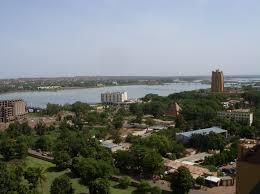
Bamako on the banks of the Niger River (Wikipedia)
Bamako, on the banks of the Niger River (Wikipedia)

Bamako is known as the crossroads of West Africa, since it is located 1000 km from Dakar (Senegal) and Abidjan(Côte d’Ivoire), 850 km from Ouagadougou (Burkina Faso), and 120 km from the border with Guinea. With a population of 1.8 million, Bamako is viewed today as the fastest growing city in Africa and sixth-fastest in the world. It is a buoyant city full of life. Enjoy a visit to the “river of crocodiles,” the crossroad of West Africa, and don’t forget to bathe in the centuries’ old history of great West African kingdoms in Mali, and its rich traditions.