So Long to Malian Singer, Member of Duo Amadou & Mariam

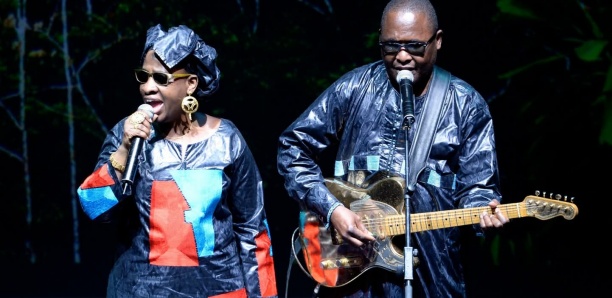
Amadou et Mariam (Source: Seneweb.com)

Je pense à toi, mon amour, ma bien-aimée, Ne m’abandonne pas, Je pense à toi, Mon amour Ma chérie” … [“I am thinking of you, my love, my beloved. Do not abandon me, my love, my dear …“]

Those are the words of the song that propelled the blind Malian duo Amadou & Mariam onto the international scene, beyond West Africa. Those words rocked the lives of millions of African children as a lullaby in some cases. Sadly, Amadou, from the duo, is no longer. 

Map of Mali with its capital Bamako

The duo Amadou & Mariam was made up of singer and guitarist, Amadou Bagayoko, and his wife Mariam Doumbia. The Grammy-nominated duo Amadou & Mariam was a blind duo from Mali. They both met at the Institute for the young blind in Bamako in 1976, in the capital of Mali. Bagayoko became blind at the age of 15, while Mariam was at age 5. Mariam started singing at weddings from a young age, while Amadou played instruments. At the institute, they joined the Eclipse Orchestra and quickly became a couple both on stage and in real life. They got married in 1980. Their music blend their traditional Malian sounds emanating from the kora or balafon, with the rock guitars and Western blues. This iconic couple became a source of inspiration to countless artists from Bamako to Dakar, to Abidjan or Conakry. Their music has been anchored in the rich tradition of griots of West Africa [The Griot, the Preserver of African Traditions].

Amadou & Mariam went on to sell millions of albums across the world. They composed the official song for the 2006 football World Cup in Germany, and played at the closing ceremony concert for the 2024 Paris Olympics. They even played for Barack Obama, at the concert marking the US president’s Nobel Peace prize award, and were nominated for a Grammy award in 2010. So long Amadou, and courage to Mariam and the family. Please check out this really good eulogy from Seneweb.com


 

USAID and a Few Examples in Africa

I went through the DOGE website to look at the US Agency for International Development (USAID) payments in Africa. No matter what people may say, or what the MSM says, we, Africans, who for the longest times have said that there was something fishy with that organization in our countries, feel vindicated. Can you imagine that some of the payments were made on ‘blank checks,’ without descriptions, receipts, or invoices? Can you, simple individual X, ask money from the government without a justification?

USAID previously allocated $12.3 billion to Sub-Saharan Africa, but much of this funding has now been eliminated. Now, I am not saying that all USAID programs were wrong, but I am saying that some of it was downright suspicious. African governments need to step up to provide for the needs of their own populations, rather than wait for others, and the predators need to let go of Africans. 

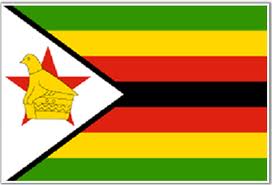
Flag of Zimbabwe
Flag of Zimbabwe

Just to give you an example, since Robert Mugabe re-distributed the stolen ancestral lands back to their rightful owners in Zimbabwe, the country has been under rigid embargo since the 2000s from the United States, the United Kingdom, and others. How come then, that the USAID totaled over $375,000 for just the month of March 2025 to mitigate the effects of El Niño? Overall, USAID cuts total $522 million in Zimbabwe, which funded a few things including some questionable ones such as, a) $8 million for “New Narratives for accountability” funding musicians and other art creatives to take part in civil society campaigns for accountability; b) $5 million to promote the independence of institutions in Zimbabwe’s justice sector; c) $7 million for media organizations; d) $3 million for election observers. Say WHAT? What does accountability for musicians to take part in civil society campaign mean? Why finance the justice sector in a foreign country? I thought there was embargo???

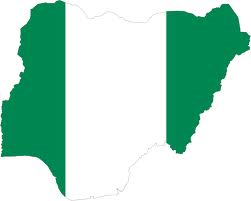
Flag and map of Nigeria

In Nigeria, among other areas, USAID previously allocated $603 million for governance, security, and economic development among other things, but this funding is now uncertain under the 90-day freeze which stemmed from President Donald Trump executive order. What kind of ‘governance’ funding could the USAID give to a supposedly ‘independent’ country like Nigeria? According to PUNCH, USAID previously allocated approximately $2.8 billion to Nigeria between 2022 and 2024. What did they, USAID, get in return?

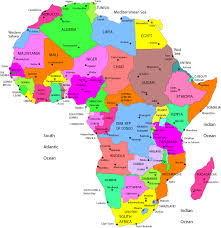
USAID’s funding in Africa has historically been allocated across various sectors, including health (why are our countries still in bad shape after years of this aid, if there was no corruption on both sides? By now, with the amount of money, some of these countries should have amazing and robust health sectors), agriculture (in some of these countries, this favored the introduction of GMO crops that have been killing African indigenous cultures among other things), education (show us a country whose education has benefited?), and humanitarian aid. In 2024, the largest recipients of USAID funding in Sub-Saharan Africa included (Top 10 African countries that have received the most aid from the U.S. in 2025 despite USAID ban | Business Insider Africa):

  • Ethiopia: $1.22 billion
  • Democratic Republic of Congo (DRC): $1.27 billion
  • Somalia: $826 million
  • South Sudan: $816 million
  • Nigeria: $762 million
  • Sudan: $671 million
  • Kenya: $647 million

USAID in Africa – Corruption and more


For the past couple of months, the world has awaken to the high evidence that the United States Agency for International Development (USAID) was all a lie, a facade, used under the guise of aid to development, to launder money, influence, and in some cases destabilize countries. Thanks to the work done by the Department of Government Efficiency (DOGE) in the US government, we have all seen that this tool, called USAID, was actually a corruption tool. All we are hearing from the main stream media is how cutting USAID funds has plunged Africans into dire times, how this or that AIDS clinic is closing. However, like Former African Union Ambassador Dr. Arikana Chihombori-Quao asked, can you “Show me one country that USAID was in and education improved? Show me one country where USAID was in and healthcare improved?” The articles, At USAID, Waste and abuse runs deep, and illegal payments at USAID Nigeria, are just a few examples. This is nothing new, as seen in an article published back in 2013 about corruption and fraud at USAID.

I watched the interview below of the Former African Union Ambassador to the United States, Dr. Arikana Chihombori-Quao discussing USAID. 

=====

She said, “They are using that open access, sounding humanitarian, to constantly destabilize governments.

We need to understand the real reason why USAID is in Africa, and not just USAID, but other NGOs. They are coming in claiming that they’re introducing grassroots initiatives that are going to help the people, and so they use that as a way to go into the most remote parts of Africa. When you look at it on paper, it all looks really good, but they are actually wolf in sheep’s clothing.”

“The American taxpayer needs to know the billions of dollars that are being given to USAID. A fraction is making it to the people.

They’re using that open access sounding humanitarian to constantly destabilize governments. I can tell you right now, the majority of African leaders, and not just African leaders, but leaders in the developing world are celebrating the exit of USAID.

If you think about it, their sole purpose, for example, filling in the gaps in healthcare and education, where is the change? Show me one country that USAID was in and education improved. Show me one country where USAID was in and healthcare improved?

Problème Résolu, Problème Oublié / Issue Resolved, Issue Forgotten

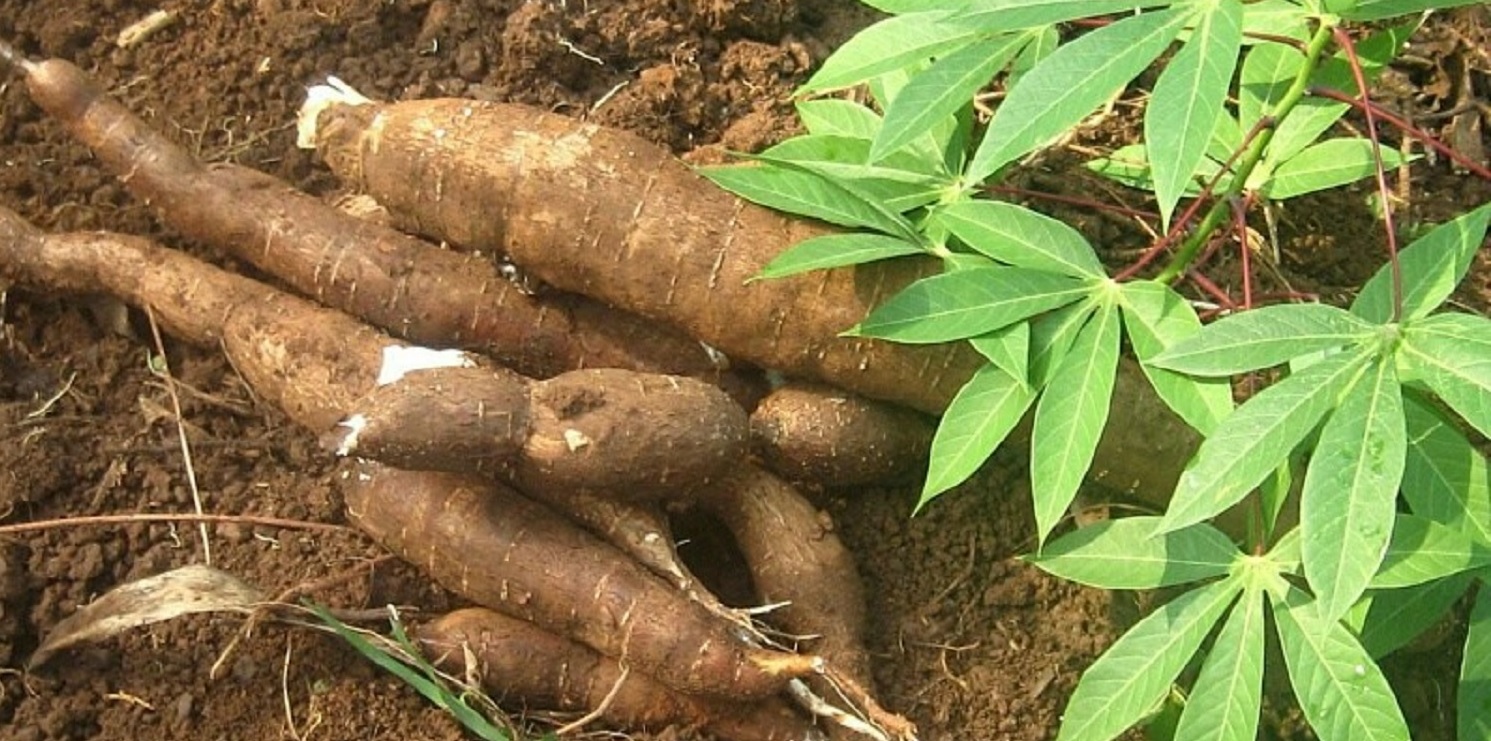
Manioc / Cassava

Le manioc dans le ventre ne revient pas (proverbe Nyang – Soudan, Ethiopie). – Une fois la palabre tranchée, on n’y revient pas.

The cassava in the stomach does not come back (Nyang proverb – Sudan, Ethiopia). – Once a palaver is settled, there is no going back. 

Fetishism in Africa : A European Creation ?

Pendant Ivory mask representing Queen Idia, Iyoba of Benin City (16th Century)
Pendant Ivory mask representing Queen Idia, Iyoba of Benin City (16th Century), exposed at the MET

Just like Cheikh Anta Diop, Leo Frobenius, the German ethnologist and archaeologist who visited Africa in the 1900s saw fetishism as a creation of Europe, made to dehumanize Africans to justify and normalize slavery of the Black man [Dum Diversas or The Vatican’s Authorization of Slavery]. In all his travels throughout Africa, he had never seen natives worship fetishes!

The new country of America needed slaves and Africa offered them: hundreds, thousands, full shiploads of slaves. “However, the slave trade was never a matter of peace; it required its justification ; so the Negro was made into a half-animal, a commodity. And this is how the notion of the fetish was invented (Portuguese : feticeiro) as a symbol of an African religion. European trademark. As for me, I have not seen in any part of black Africa the natives worship fetishes.

The idea of ​​the “barbarian Negro” is a European invention which, as a consequence, dominated Europe until the beginning of this century.”

Leo Frobenius, La Civilisation africaine, Le Rocher, Paris, “Civilisation et Traditions”, Jean-Paul Bertrand Editeur, p. 16-17 (1984). Translated to English by Dr. Y, Afrolegends.com.

Fetishism in Africa: Its Origins ?

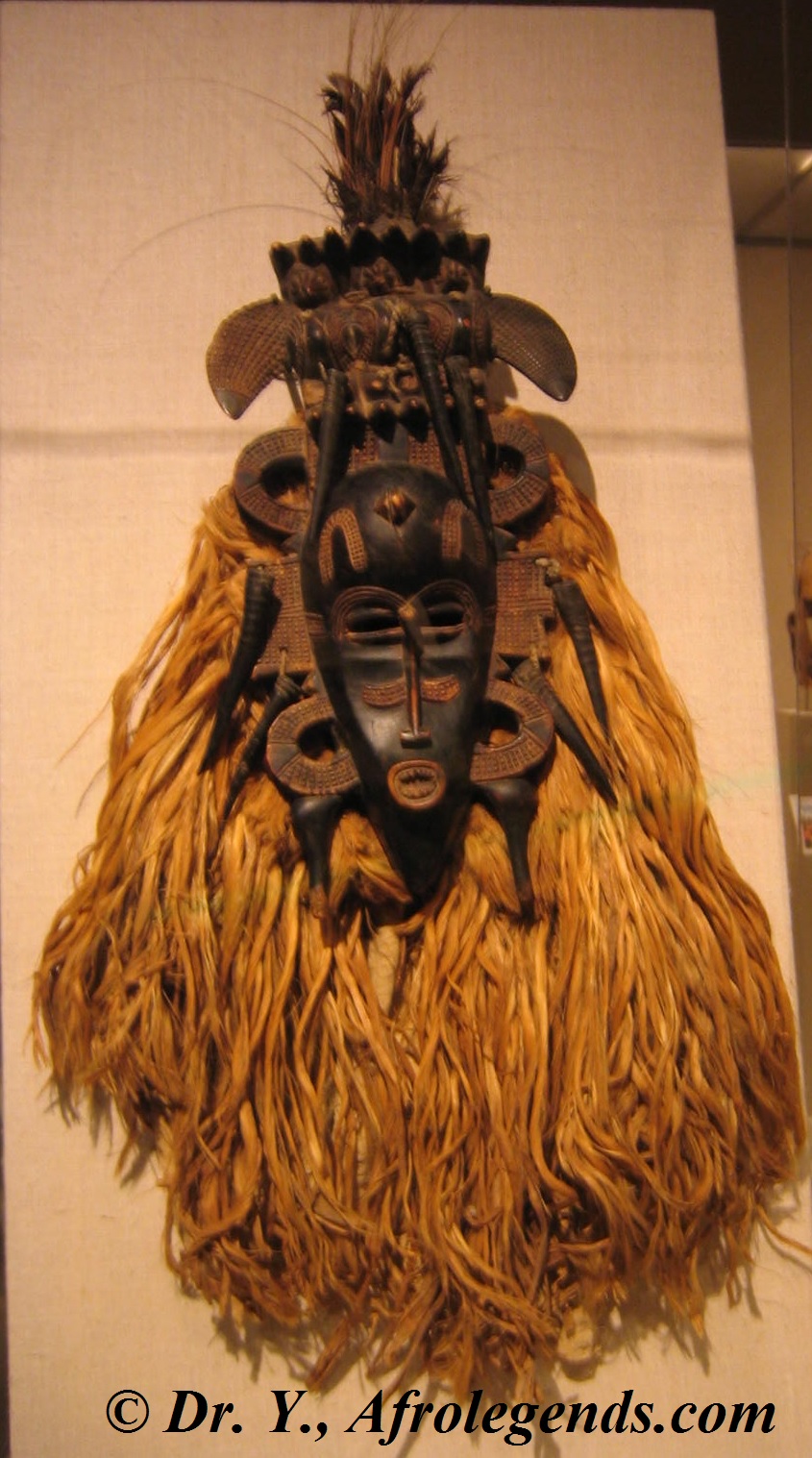
Senufo face mask (Kpeliye’e) exposed at the MET

In Africa, there is the concept of fetishism which has been prevalent as a description of African beliefs. Thus, a fetish is an object which holds spiritual power or supernatural significance. Given that African statues hold deep cultural, spiritual, and symbolic significance [Authorship in African Art: The Case of Yoruba Art], the term fetishism has been historically associated to them. Early European anthropologists have linked African religions and statues to fetishism. However, we are learning that this was a technique designed by Europeans to denigrate and dehumanize the African person so as to justify slavery [Dum Diversas or The Vatican’s Authorization of Slavery] early on, and colonialism later on. 

Cheikh Anta Diop, the great Senegalese historian, anthropologist, philosopher, physicist, and politician, showed in his book, Nations Nègres et Culture: de l’Antiquite nègre égyptienne aux problèmes culturels de l’Afrique noire d’aujourd’hui, that fetishism in Africa is not an inherent school of thought, but rather arose from the disconnection of modern Africans to their original religions due to violent exposure to centuries of attacks (slavery) from the West. Thus, he said, 

Cheikh Anta Diop
Cheikh Anta Diop

From one end of Black Africa to the other, passing through Egypt, the statues were originally intended to be the support of the immortal “double” of the ancestor after his earthly death. Placed in a sacred place, the statue was the object of offerings and libations: this fact, misinterpreted by Westerners, created the false idea of ​​fetishism. In reality, there is a tendency towards fetishism, that is, idolatry, only where the meaning of the cult has been forgotten through a break in tradition.”

Cheikh Anta Diop, Nations Nègres et Culture, Présence Africaine, Paris p. 339 (1954). Translated to English by Dr. Y, Afrolegends.com.

Personne ne prendra ta Place / No One can take Your Place

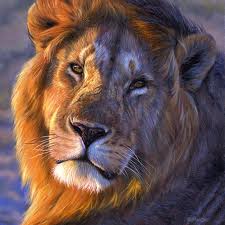
Lion
Lion

Le lion ne prête pas ses dents à son frère (proverbe Sotho – Lesotho).

The lion does not lend its teeth to its brother (Sotho proverb – Lesotho).

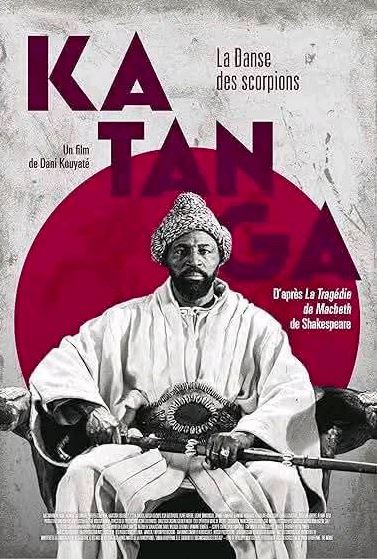
“Katanga, La Danse des Scorpions” by Dani Kouyaté

The poster for “Katanga, la danse des scorpions” by Dani Kouyate

On March 1, 2025, Burkinabè filmmaker Dani Kouyaté was awarded the prestigious Étalon d’or de Yennenga (Golden Stallion of Yennenga). His film, Katanga, la danse des scorpions, is a cinematic adaptation of William Shakespeare’s Macbeth set in an African (Burkinabe) context and told in the Mooré language of Burkina Faso. His movie focuses on the power play in Africa. His win marked Burkina Faso’s first Étalon d’or in 28 years after Buud Yam of Gaston Kaboré, and the third win of Burkina Faso 34 years after the first Tilai of Idrissa Ouedraogo. Beyond the Étalon d’or, Katanga, la danse des scorpions garnered several other accolades, including the Public Prize with an average score of 9.18/10, the Sembène Ousmane Prize from the Ecobank Foundation, the Special Prize from the Cultural and Tourism Development Fund (FDCT), the Special UEMOA Prize for feature fiction, and the Paulin Soumanou Vieyra African Critics’ Prize.

Enjoy the trailer below.


FESPACO 2025: Burkina Faso Wins its First Golden Stallion in 28 years!

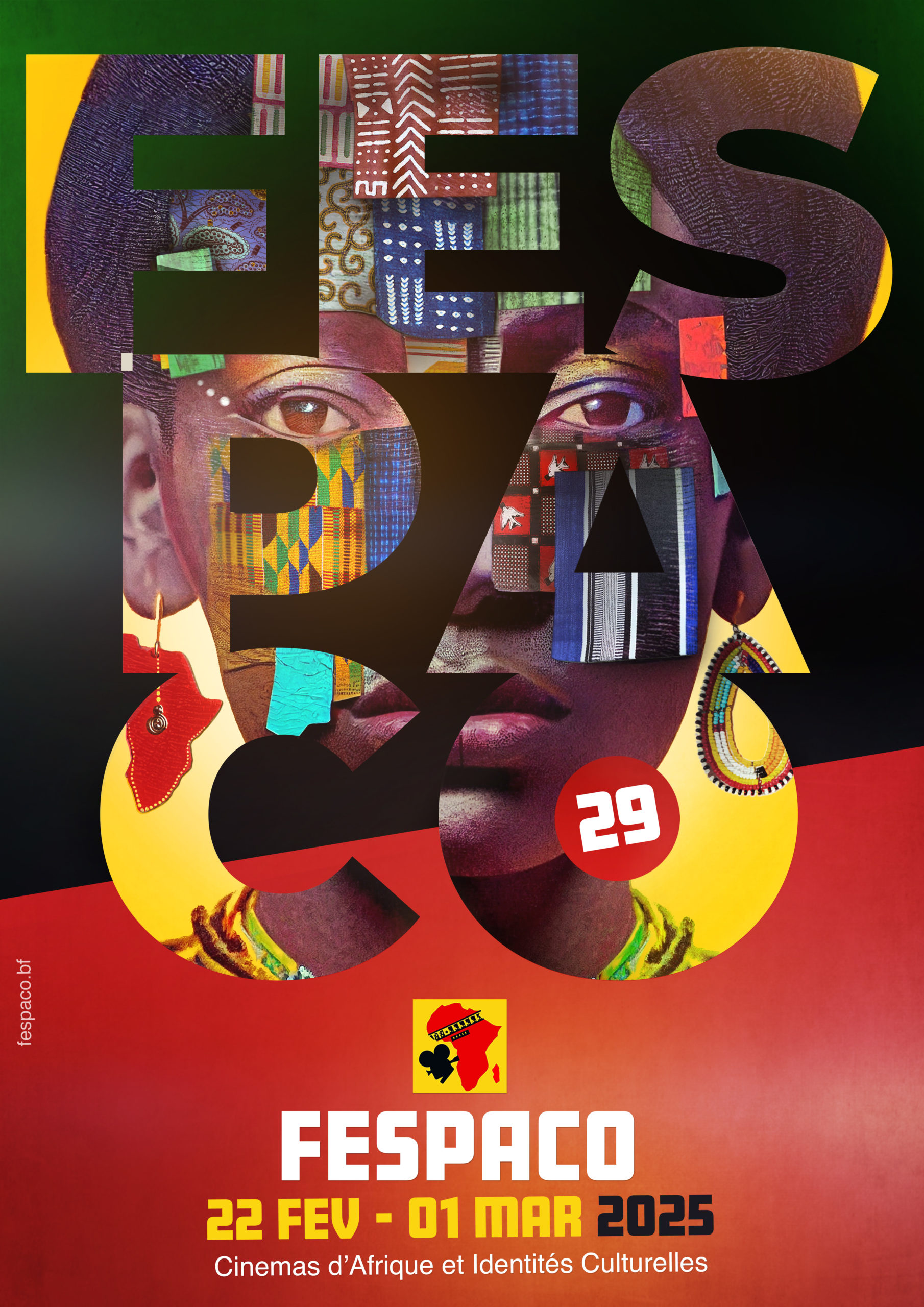
FESPACO2025 (Fespaco.bf)

The 29th edition of the FESPACO took place from February 22 to March 1, 2025, in Ouagadougou, the capital of Burkina Faso.

The host country, Burkina Faso was represented by two films: Katanga, la danse des scorpions by Dani Kouyaté and Les Invertueuses by Chloé Aïcha Boro. The guest country of honor, Chad, was represented by Diya by Achille Ronaimou. There were several entries from diverse countries including Egypt, Algeria, Tunisia, Democratic Republic of Congo (DRC), Côte d’Ivoire, Zambia, Somalia and many more.

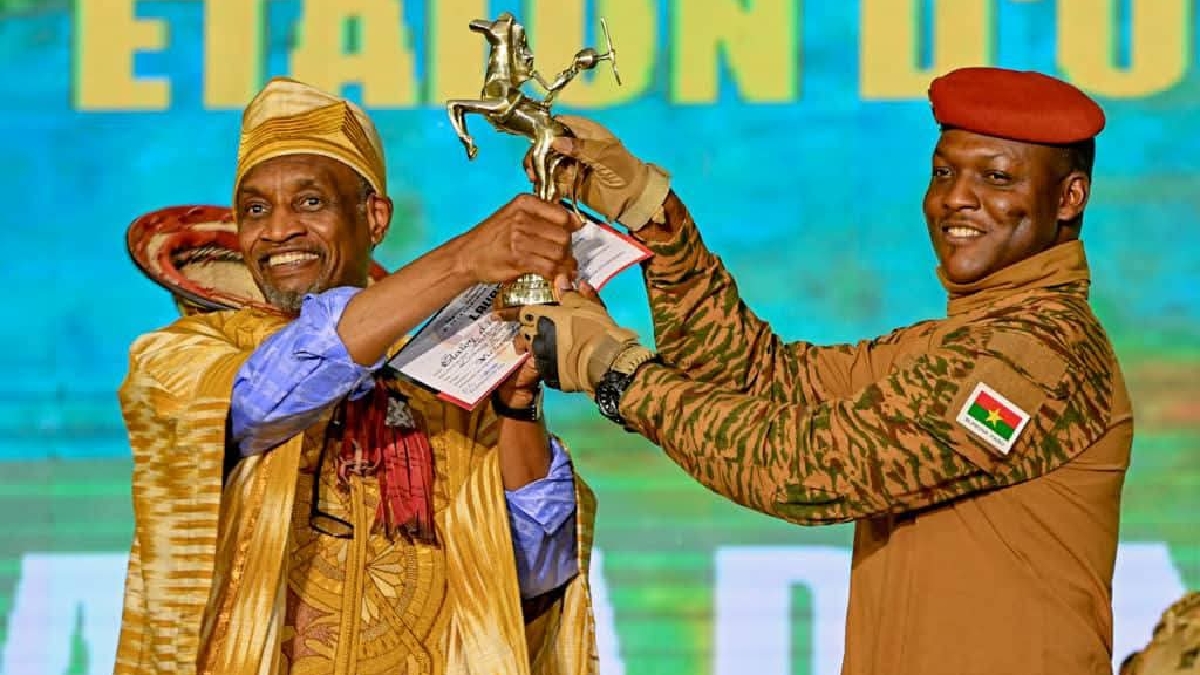
Dani Kouyate receives his Golden Stallion from President Ibrahim Traore (Source: DNE Africa)

On March 1, 2025, Burkinabè filmmaker Dani Kouyaté was awarded the prestigious Étalon d’or de Yennenga (Golden Stallion of Yennenga). His film, Katanga, la danse des scorpions, is a cinematic adaptation of William Shakespeare’s Macbeth set in an African (Burkinabe) context and told in the Mooré language of Burkina Faso. His win marked Burkina Faso’s first Étalon d’or in 28 years after Buud Yam of Gaston Kaboré, and the third win of Burkina Faso 34 years after the first Tilai of Idrissa Ouedraogo. Beyond the Étalon d’or, Katanga, la danse des scorpions garnered several other accolades, including the Public Prize with an average score of 9.18/10, the Sembène Ousmane Prize from the Ecobank Foundation, the Special Prize from the Cultural and Tourism Development Fund (FDCT), the Special UEMOA Prize for feature fiction, and the Paulin Soumanou Vieyra African Critics’ Prize.

Golden Stallion of Yennenga
The Golden Stallion of Yennenga

The Somali movie The Village next to Paradise by Mo Harawe won the Silver Stallion of Yennenga. The Bronze Stallion (Étalon de bronze) was awarded to On Becoming a Guinea Fowl by Rungano Nyoni (Zambia).

L’Homme-Vertige by Guadeloupean Malaury Eloi-Paisley won the Golden Stallion in the documentary section, as well as the Paul Robeson Prize for best diaspora film.

During the award ceremony, a special tribute was paid to Malian filmmaker Souleymane Cissé, who had been slated as jury president but passed away shortly before the festival. Dani Kouyaté, upon receiving his award, honored Cissé by saying, “Souleymane Cissé has been a model for me… he lives on in our hearts and minds.

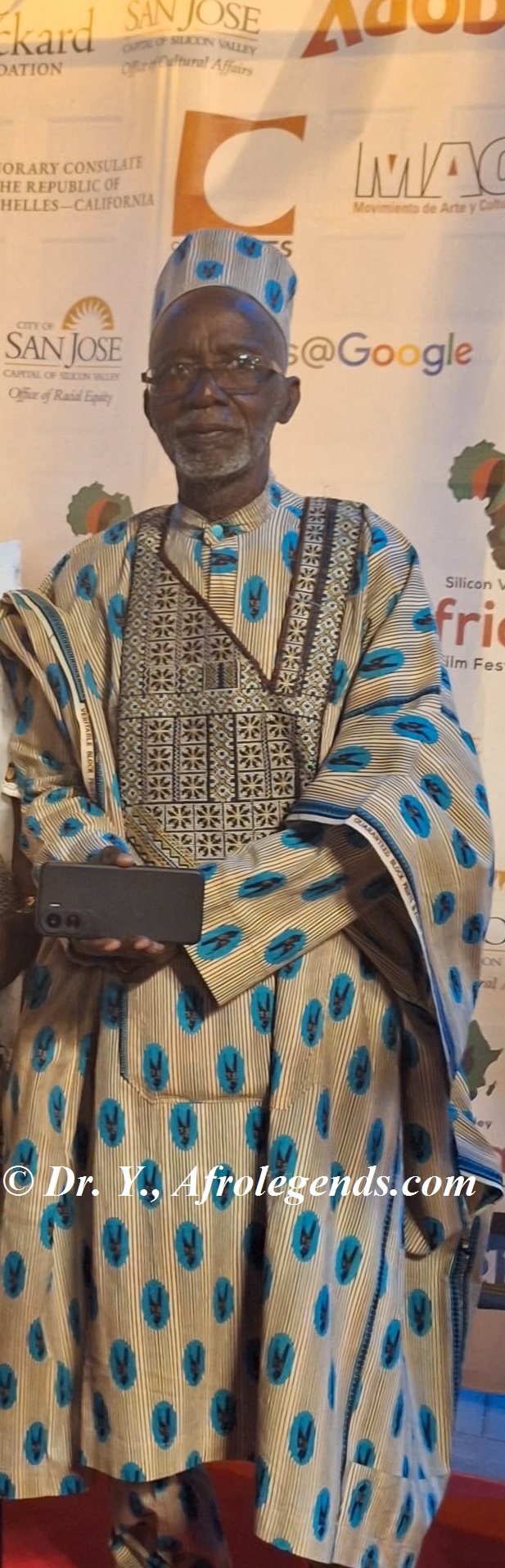
Malian filmmaker Souleymane Cisse at the Silicon Valley African Film Festival (SVAFF) in 2024

Burkina Faso’s President, Ibrahim Traoré, presented Kouyaté the award and praised film enthusiasts for the “resounding success of this celebration of African cinema.”

The director [Dani Kouyaté] shows legitimate recognition for the courage and self-sacrifice of our worthy daughters and sons committed to victory over the forces of evil,” Traoré said on social media after the event.

The 30th edition of FESPACO is set for 2027. To read more about FESPACO 2025, please check out TRT Global – FESPACO Festival 2025 shines with cinematic triumphs in Burkina Faso

Votre Environnement / Your Environment

Crocodile

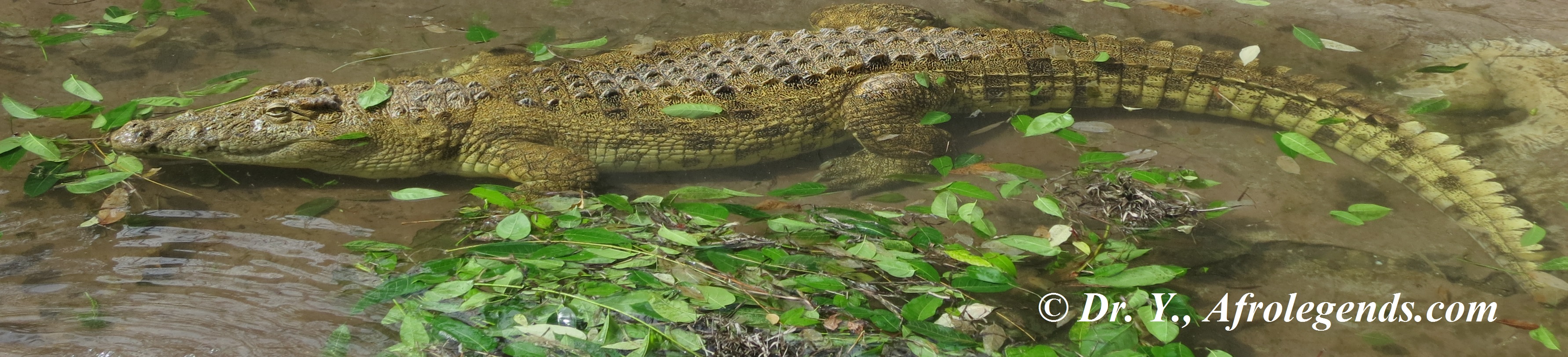
Le poisson (le crocodile) n’est fort que dans l’eau (proverbe Mambwe, Tonga – Tanzanie, Zambie, Zimbabwe).

The fish (the crocodile) is only strong in the water (Mambwe, Tonga proverb – Tanzania, Zambia, Zimbabwe).