
Les dents sont toutes amies entre elles (Proverbe Galla – Ethiopie).
The teeth are all friends among themselves (Galla proverb – Ethiopia).

Les dents sont toutes amies entre elles (Proverbe Galla – Ethiopie).
The teeth are all friends among themselves (Galla proverb – Ethiopia).
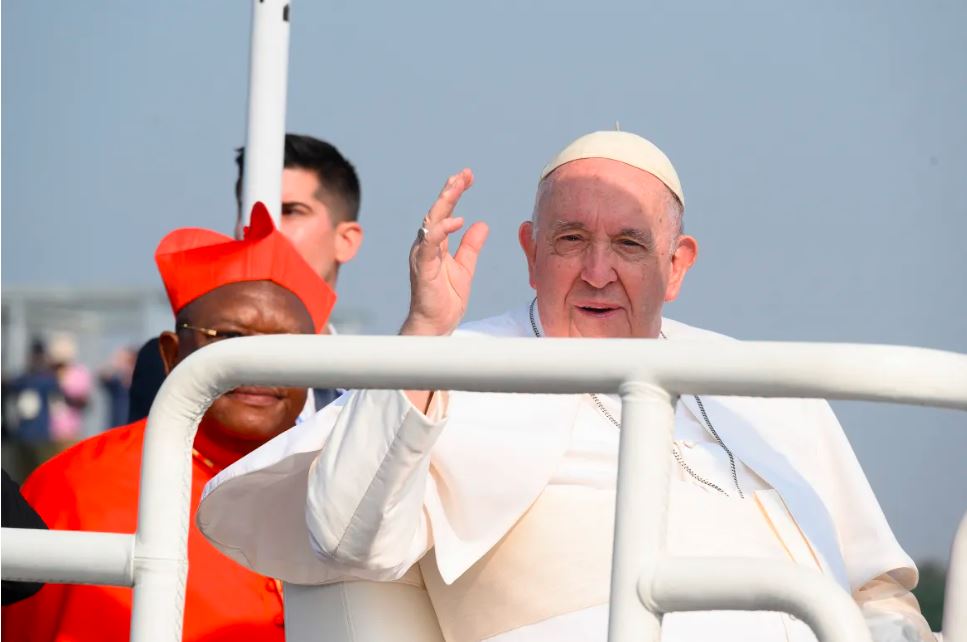
Pope Francis I, the head of the Catholic Church and sovereign of the Vatican City State, passed away this Monday April 21st, on Easter Monday. Jorge Mario Bergoglio was the first Latin American pontiff in world history, the first from the Southern Hemisphere, the first from the Society of Jesus (Jesuit order), and the first born or raised outside of Europe since the 8th century Syrian pope Gregory III. He sat at the realm of the Catholic Church for 12 years, as its 266th pope. His time as pontiff has been seen by many as controversial.
Bergoglio was born in Buenos Aires, Argentina, in 1936. He came from an Italian family, his dad being an Italian immigrant in Argentina, and his mother from a family from northern Italy. He was inspired to join the Jesuits in 1958 after recovering from a severe illness. He was ordained a Catholic priest in 1969. He quickly rose through the ranks to serve as the Jesuit provincial superior in Argentina from 1973 to 1979. He became the archbishop of Buenos Aires in 1998 and was made cardinal in 2001 by Pope John Paul II.
After the resignation of Pope Benedict XVI, Bergoglio was elected at the end of the papal conclave to succeed him on March 13, 2013. He chose Francis as his papal name in honor of Saint Francis of Assisi, the patron saint of the environment, animals and birds.
Throughout his public life, his leadership was defined by his dedication to social justice and support to the marginalized. However, he was accused by some of not doing enough to oppose the generals of the brutal military dictatorship that governed Argentina between 1976 and 1983 – especially after the military kidnapped two priests.
He maintained that the Catholic Church should be more sympathetic toward LGBTQ people, and in 2023, he stated that although blessings of same-sex unions are not permitted, the LGBTQ individuals can be blessed as long as blessings are not given in a liturgical context. This was met by significant criticism from his members. Francis strongly opposed trickle-down economics, consumerism, and excessive development, emphasizing the urgent need for climate action throughout his papacy. However, the greatest challenge to his papacy came from those who accused him of failing to tackle child abuse.
With his election to the pontifical office, there was hope for him to rejuvenate the church, and expand to other parts of the world. As Pope, he appointed more than 140 cardinals from non-European countries – including 15 in December 2024.
Over the years, he visited 68 countries on all continents, including a) Africa: 10 countries, focusing on peace-building, social justice, and interfaith dialogue; b) Asia: 22 countries, emphasizing religious tolerance and environmental concerns; c) Europe: 23 countries, addressing migration, economic inequality, and Catholic unity; d) North & South America: 12 countries, advocating for indigenous rights, poverty alleviation, and climate action.
Early in 2022, Francis expressed “shame and sorrow” for the Catholic Church’s role in abuses against the Indigenous peoples in Canada. He apologized for the church’s role in “projects of cultural destruction” and forced assimilation. Near the former Ermineskin Indian Residential School, the site of a search for unmarked graves, Francis said: “I humbly beg forgiveness for the evil committed by so many Christians against the Indigenous peoples.” Vatican rejects ‘Doctrine of Discovery’ used to Justify Colonial Quest and Theft of Land. We are allergic to words without actions… and as you can see this was just it!
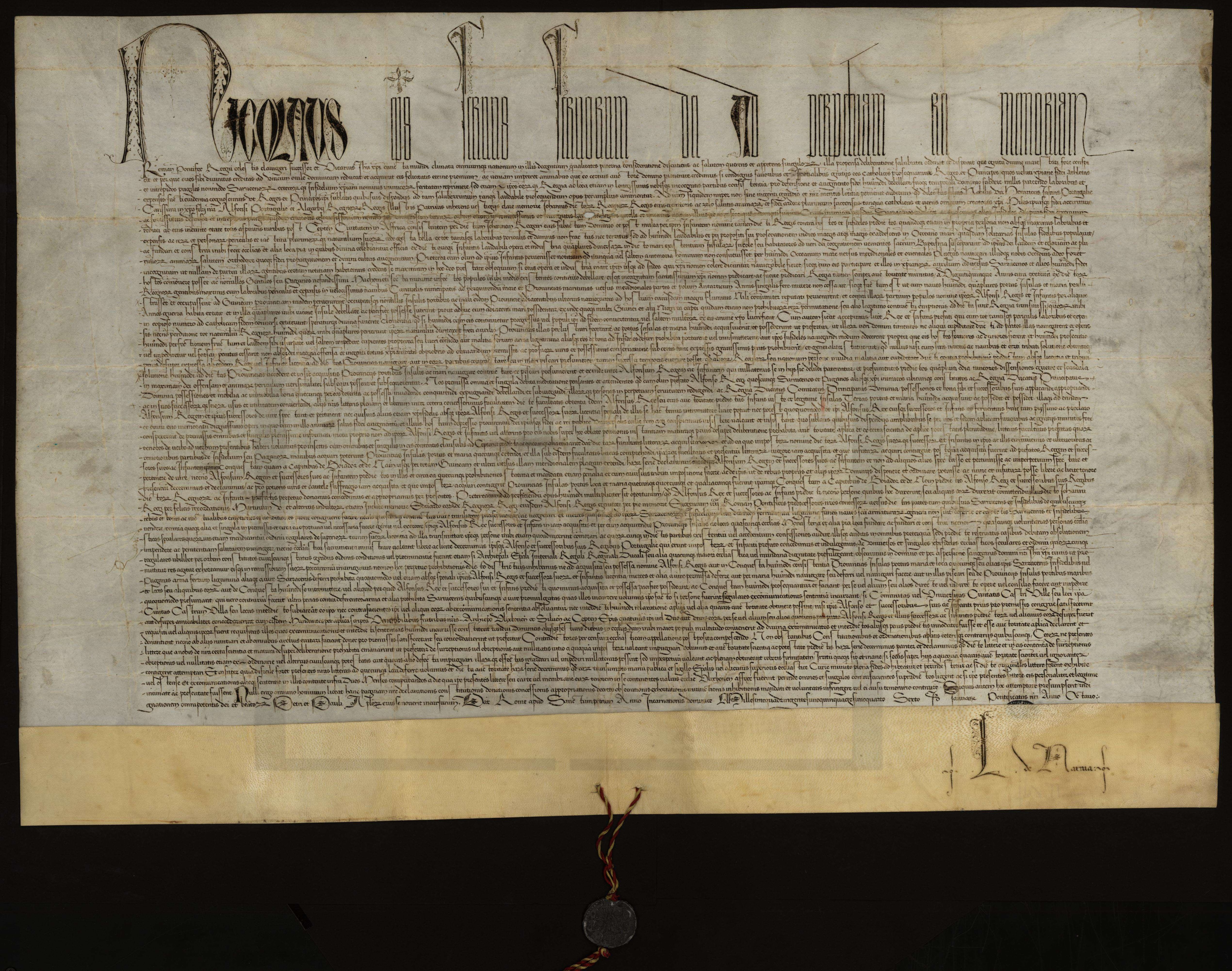
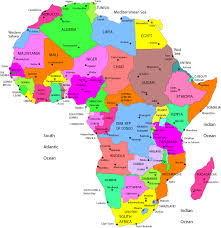 Pope Francis visited Africa 5 times in his 12 years, going to 10 countries. His first visit to the continent took him to Kenya, the Central African Republic (CAR), and South Sudan in November 25 – 30, 2015. His second visit was to Morocco in March 30 – 31, 2019; his third visit was to Mozambique, Madagascar, and Mauritius in September 4 – 9, 2019. His last visit was in February 2 – 5, 2023, to the Democratic Republic of Congo (DRC) and again South Sudan (The Pope Visits the Democratic Republic of Congo and South Sudan). His visits supposedly focused, on paper, on inter-religious dialogue Christian-Muslim as in CAR, peace building as in South Sudan, and social justice. He ‘denounced’ corruption and economic colonialism, and even ‘asked’ colonial powers to let Africa flourish, Pope says Hands off Africa: “Hands off the Democratic Republic of the Congo! Hands off Africa! Stop choking Africa, it is not a mine to be stripped or a terrain to be plundered. In Africa, although pope Francis addressed clerical abuse scandals, many felt that he did not denounce child abuse on the continent as much as he did in other parts of the world.
As days go by, we will discuss further.
When you are a chosen one of the West, democracy is just a word. You can win with numbers similar to those of a banana republic, and you will get applauded. You can trade your military fatigues for a suit, so long as you keep your friendship with the metropolis, you will be loved, cherished, and praised, and your intelligence will be lauded above all else. After all, you are there to serve the external masters, and they have given you carte blanche. This past Saturday, Brice Clotaire Oligui Nguema won the presidential elections in Gabon with an overwhelming 90.35% of the vote (only in our tropical banana republics can we see this). It reminds us of a time when another ‘great democrat’ (who, mind you, has been in power for over 30 years) of Rwanda won by 99%! My goodness! And the West will give us great lessons of democracy! When Traoré got his country and parliament to give him 5 years of confidence (Burkina Faso’s Transition Government Gets a 5-year Confidence Vote by the People)… there was an outcry in the MSM. Even when Maduro in Venezuela got 51+%, the mighty international community called him a dictator. What of Kagame? Double Standards is all! Honestly, the problem is not Oligui Nguema, but rather the double standards, and that concept which has been drilled into our heads called democracy, but which in reality is a tool used by the West to praise those who serve well or to destroy the ‘bad’ students who refuse to bow down (Africans and the Trap of Democracy, and Africans, let us not Fall in the Trap of Democracy!). By the way, did you notice that since we published our article on Friday, the MSM have now taken to calling him ‘coup leader’ when before it was not the case?
Oligui Nguema told Al Jazeera that he ‘will restore dignity to the Gabonese people‘. We can only hope for the best for the people of Gabon.
You can check out Le Monde, BBC, RFI, AP, The Print, and Al Jazeera… there is such a discrepancy compared to the treatment of the leaders of the AES in the media.
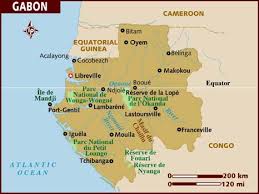
This Saturday April 12, 2025, Gabon will go to the presidential elections to elect its next president. There are honestly just a few candidates, more like 2 real ones, and one of them is General Brice Oligui Nguema, a military leader who orchestrated a coup that removed Ali Bongo almost 2 years ago [Is the Wind of Change blowing in Gabon too?], while the other candidate is just there for show. Oligui Nguema is the only military leader who made a coup on the continent in the past few years, and has been applauded by the West and the mainstream media. While Colonel Assimi Goita, Captain Ibrahim Traore, or General Abdourahamane Tchiani have been insulted and called all sorts of names, like junta leaders, little captains, illiterates, etc, for wanting the freedom of their people and leading coups that have kicked out the West’s puppets, colonial powers and external forces that were leeching onto their lands and resources, Oligui Nguema on the other hand has been applauded, saluted, and lauded. Why? because he represents the status quo in the relationship between Gabon and the West, particularly France; after all Gabon is known as the cash cow of France. Now, he has traded his military uniform to take part in the presidential elections, and every single Western news outlets has been applauding him, calling him, like BBC, the “coup-mastermind-turned-transitional leader … highly articulate ….” The double standard of the west is appalling!
Excerpts below are from the BBC, but the same praises are sung by France24, RFI, Reuters, and others.
=====
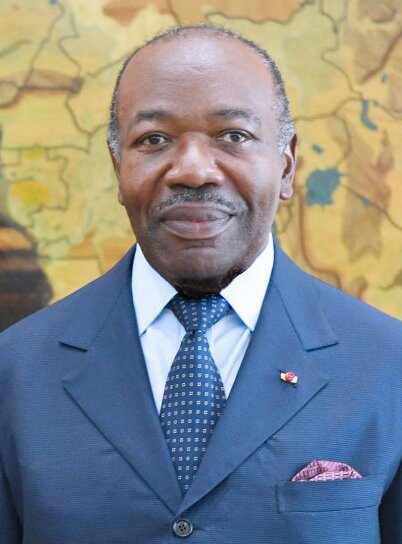
Little more than 19 months after the bloodless coup that brought an end to more than five decades of rule by the Bongo family [Oligui Nguema is a nephew of Ali Bongo, thus still a part of the Bongo Family], the people of Gabon are about to head to the polls to choose a new head of state – bucking a trend that has seen military leaders elsewhere in Africa cling on to power.
The overwhelming [western] favourite in the race on Saturday is the man who led that peaceful putsch and has dominated the political scene ever since, Brice Clotaire Oligui Nguema.
Having abandoned his soldier’s fatigues and military status in favour of a politician’s suit, this highly articulate former commander of the elite Republican Guard [since he is the one they like, he is articulate, while those of the AES are illiterates] faces seven other candidates.
Basking in popularity among a population relieved to be rid of dynastic rule [the leaders in the AES also bask in popularity among their people, but that doesn’t count since they are not going in the direction wanted by the west] – and assisted by electoral regulations that disqualified some key challengers [that is not questionable?] – the 50-year-old appears almost certain to secure an outright majority in the first ballot.
… His chances of avoiding a second round run-off are bolstered by the fact that his main challenger – one of the rare senior political or civil society figures not to have rallied to his cause – is the old regime’s last prime minister, Alain-Claude Bilie-By-Nze, known by his initials ACBBN.
Victory will bring a seven-year mandate and the resources to implement development and modernising reform at a pace that the rulers of crisis-beset African countries could not even dream of.
With only 2.5 million people, Gabon is an established oil producer [yet, given that it is France’s cash cow, it looks nothing like the Gulf countries] and the world’s second-largest exporter of manganese.
… Oligui Nguema took shrewd advantage, reaching out to build a broad base of support for his transitional regime. He brought former government figures, opponents and prominent hitherto critical civil society voices into the power structure or institutions such as the appointed senate. Political detainees were freed, though Ali Bongo’s wife and son remain in detention awaiting trial on corruption charges [There is no problem with the west if Nguema keeps Bongo’s wife and son in detention, but Tchiani cannot hold Bazoum – double standards].
He did not resort to the sort of crackdowns on dissent or media freedom that have become a routine tool of Francophone Africa’s other military leaders, in Mali, Guinea, Burkina Faso and Niger [Nguema is good for the West, not bad like those of the AES – double standards].
… On the diplomatic front, in marked contrast to the assertively anti-Western posture adopted by the regimes in West Africa, Oligui Nguema despatched senior figures to cultivate international goodwill and reassure Gabon’s traditional partners of his determination to restore civilian constitutional government within a tightly limited timeframe [nice puppy].
Relations with France, the former colonial power and previously a close ally of the Bongo regime, are warm [of course].
… When Oligui Nguema brushed off some parliamentarians’ concern about the concentration of executive power in the presidency by abolishing the post of prime minister, there was little fuss [Just imagine the ruckus the MSM will make if Goita or Tchiani eliminated the prime minister office].
…
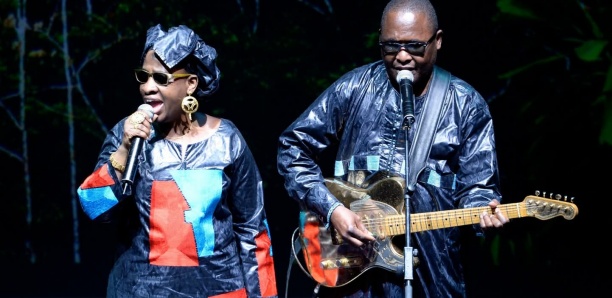
“Je pense à toi, mon amour, ma bien-aimée, Ne m’abandonne pas, Je pense à toi, Mon amour Ma chérie” … [“I am thinking of you, my love, my beloved. Do not abandon me, my love, my dear …“]
Those are the words of the song that propelled the blind Malian duo Amadou & Mariam onto the international scene, beyond West Africa. Those words rocked the lives of millions of African children as a lullaby in some cases. Sadly, Amadou, from the duo, is no longer.

The duo Amadou & Mariam was made up of singer and guitarist, Amadou Bagayoko, and his wife Mariam Doumbia. The Grammy-nominated duo Amadou & Mariam was a blind duo from Mali. They both met at the Institute for the young blind in Bamako in 1976, in the capital of Mali. Bagayoko became blind at the age of 15, while Mariam was at age 5. Mariam started singing at weddings from a young age, while Amadou played instruments. At the institute, they joined the Eclipse Orchestra and quickly became a couple both on stage and in real life. They got married in 1980. Their music blend their traditional Malian sounds emanating from the kora or balafon, with the rock guitars and Western blues. This iconic couple became a source of inspiration to countless artists from Bamako to Dakar, to Abidjan or Conakry. Their music has been anchored in the rich tradition of griots of West Africa [The Griot, the Preserver of African Traditions].
Amadou & Mariam went on to sell millions of albums across the world. They composed the official song for the 2006 football World Cup in Germany, and played at the closing ceremony concert for the 2024 Paris Olympics. They even played for Barack Obama, at the concert marking the US president’s Nobel Peace prize award, and were nominated for a Grammy award in 2010. So long Amadou, and courage to Mariam and the family. Please check out this really good eulogy from Seneweb.com
 I went through the DOGE website to look at the US Agency for International Development (USAID) payments in Africa. No matter what people may say, or what the MSM says, we, Africans, who for the longest times have said that there was something fishy with that organization in our countries, feel vindicated. Can you imagine that some of the payments were made on ‘blank checks,’ without descriptions, receipts, or invoices? Can you, simple individual X, ask money from the government without a justification?
USAID previously allocated $12.3 billion to Sub-Saharan Africa, but much of this funding has now been eliminated. Now, I am not saying that all USAID programs were wrong, but I am saying that some of it was downright suspicious. African governments need to step up to provide for the needs of their own populations, rather than wait for others, and the predators need to let go of Africans.
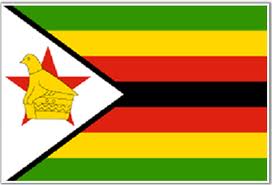
Just to give you an example, since Robert Mugabe re-distributed the stolen ancestral lands back to their rightful owners in Zimbabwe, the country has been under rigid embargo since the 2000s from the United States, the United Kingdom, and others. How come then, that the USAID totaled over $375,000 for just the month of March 2025 to mitigate the effects of El Niño? Overall, USAID cuts total $522 million in Zimbabwe, which funded a few things including some questionable ones such as, a) $8 million for “New Narratives for accountability” funding musicians and other art creatives to take part in civil society campaigns for accountability; b) $5 million to promote the independence of institutions in Zimbabwe’s justice sector; c) $7 million for media organizations; d) $3 million for election observers. Say WHAT? What does accountability for musicians to take part in civil society campaign mean? Why finance the justice sector in a foreign country? I thought there was embargo???
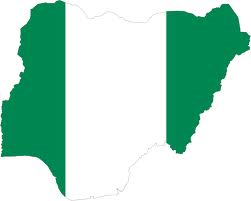
In Nigeria, among other areas, USAID previously allocated $603 million for governance, security, and economic development among other things, but this funding is now uncertain under the 90-day freeze which stemmed from President Donald Trump executive order. What kind of ‘governance’ funding could the USAID give to a supposedly ‘independent’ country like Nigeria? According to PUNCH, USAID previously allocated approximately $2.8 billion to Nigeria between 2022 and 2024. What did they, USAID, get in return?
USAID’s funding in Africa has historically been allocated across various sectors, including health (why are our countries still in bad shape after years of this aid, if there was no corruption on both sides? By now, with the amount of money, some of these countries should have amazing and robust health sectors), agriculture (in some of these countries, this favored the introduction of GMO crops that have been killing African indigenous cultures among other things), education (show us a country whose education has benefited?), and humanitarian aid. In 2024, the largest recipients of USAID funding in Sub-Saharan Africa included (Top 10 African countries that have received the most aid from the U.S. in 2025 despite USAID ban | Business Insider Africa):
For the past couple of months, the world has awaken to the high evidence that the United States Agency for International Development (USAID) was all a lie, a facade, used under the guise of aid to development, to launder money, influence, and in some cases destabilize countries. Thanks to the work done by the Department of Government Efficiency (DOGE) in the US government, we have all seen that this tool, called USAID, was actually a corruption tool. All we are hearing from the main stream media is how cutting USAID funds has plunged Africans into dire times, how this or that AIDS clinic is closing. However, like Former African Union Ambassador Dr. Arikana Chihombori-Quao asked, can you “Show me one country that USAID was in and education improved? Show me one country where USAID was in and healthcare improved?” The articles, At USAID, Waste and abuse runs deep, and illegal payments at USAID Nigeria, are just a few examples. This is nothing new, as seen in an article published back in 2013 about corruption and fraud at USAID.
I watched the interview below of the Former African Union Ambassador to the United States, Dr. Arikana Chihombori-Quao discussing USAID.
=====
She said, “They are using that open access, sounding humanitarian, to constantly destabilize governments.
We need to understand the real reason why USAID is in Africa, and not just USAID, but other NGOs. They are coming in claiming that they’re introducing grassroots initiatives that are going to help the people, and so they use that as a way to go into the most remote parts of Africa. When you look at it on paper, it all looks really good, but they are actually wolf in sheep’s clothing.”
“The American taxpayer needs to know the billions of dollars that are being given to USAID. A fraction is making it to the people.
They’re using that open access sounding humanitarian to constantly destabilize governments. I can tell you right now, the majority of African leaders, and not just African leaders, but leaders in the developing world are celebrating the exit of USAID.
If you think about it, their sole purpose, for example, filling in the gaps in healthcare and education, where is the change? Show me one country that USAID was in and education improved. Show me one country where USAID was in and healthcare improved?“
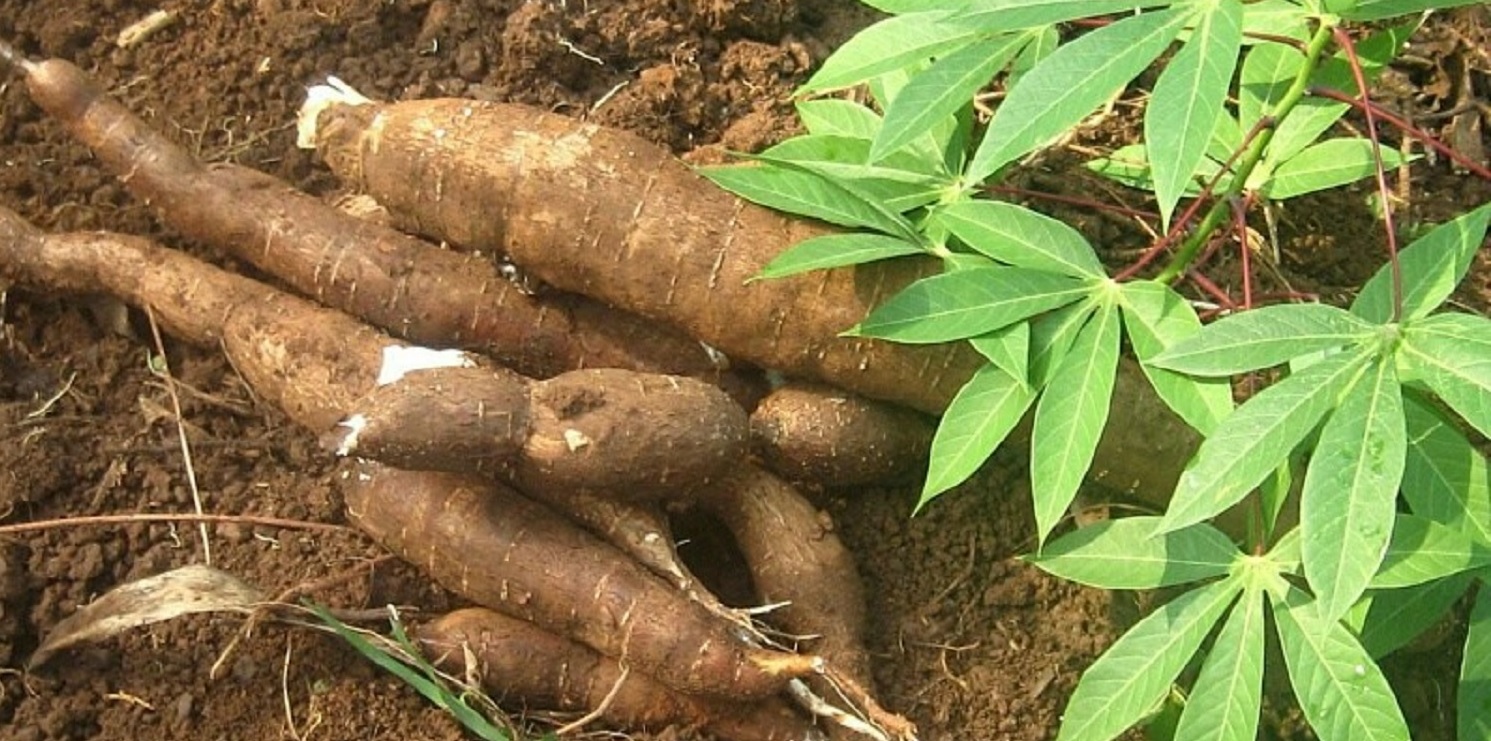
Le manioc dans le ventre ne revient pas (proverbe Nyang – Soudan, Ethiopie). – Une fois la palabre tranchée, on n’y revient pas.
The cassava in the stomach does not come back (Nyang proverb – Sudan, Ethiopia). – Once a palaver is settled, there is no going back.

Just like Cheikh Anta Diop, Leo Frobenius, the German ethnologist and archaeologist who visited Africa in the 1900s saw fetishism as a creation of Europe, made to dehumanize Africans to justify and normalize slavery of the Black man [Dum Diversas or The Vatican’s Authorization of Slavery]. In all his travels throughout Africa, he had never seen natives worship fetishes!
“The new country of America needed slaves and Africa offered them: hundreds, thousands, full shiploads of slaves. “However, the slave trade was never a matter of peace; it required its justification ; so the Negro was made into a half-animal, a commodity. And this is how the notion of the fetish was invented (Portuguese : feticeiro) as a symbol of an African religion. European trademark. As for me, I have not seen in any part of black Africa the natives worship fetishes.
The idea of the “barbarian Negro” is a European invention which, as a consequence, dominated Europe until the beginning of this century.”
Leo Frobenius, La Civilisation africaine, Le Rocher, Paris, “Civilisation et Traditions”, Jean-Paul Bertrand Editeur, p. 16-17 (1984). Translated to English by Dr. Y, Afrolegends.com.
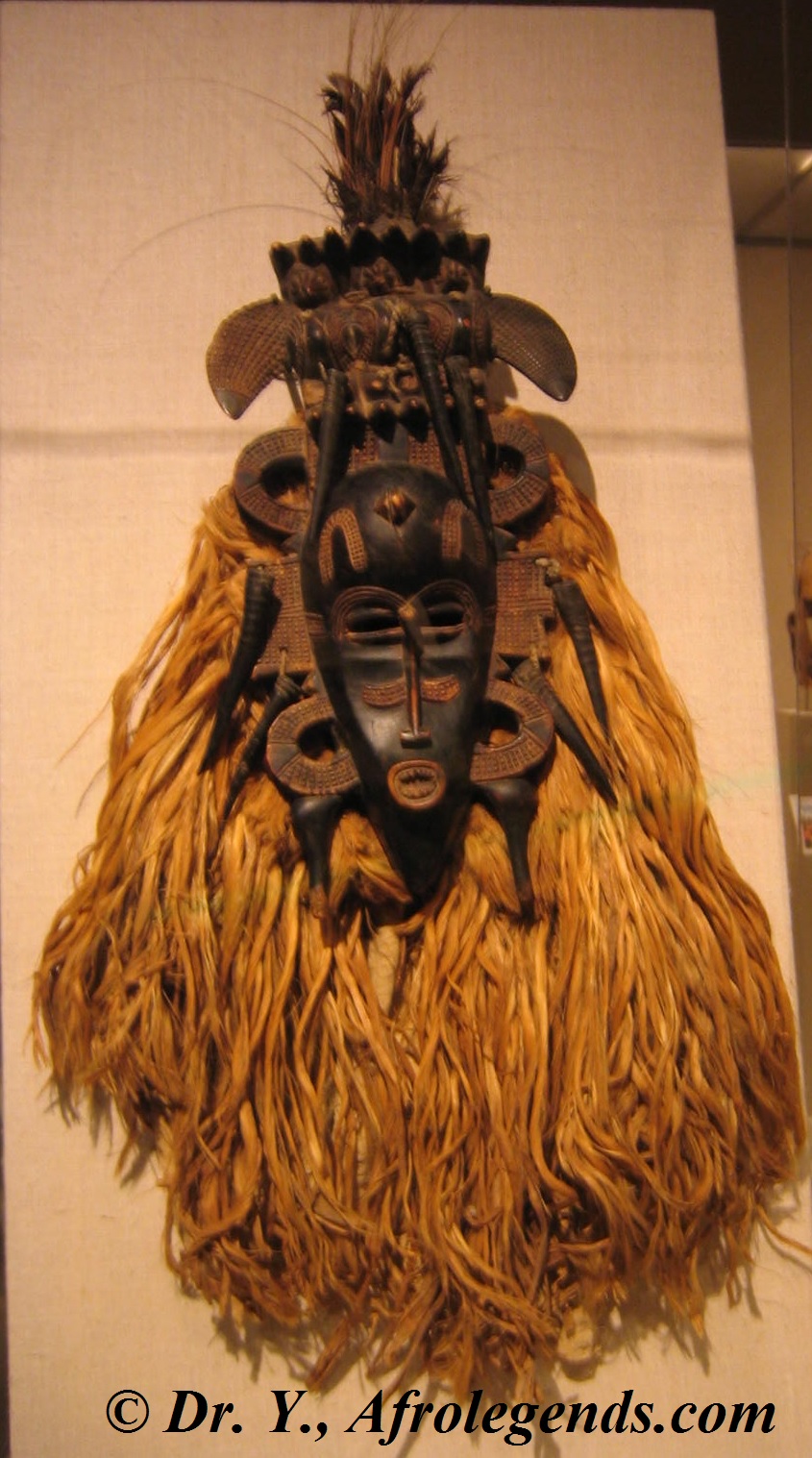
In Africa, there is the concept of fetishism which has been prevalent as a description of African beliefs. Thus, a fetish is an object which holds spiritual power or supernatural significance. Given that African statues hold deep cultural, spiritual, and symbolic significance [Authorship in African Art: The Case of Yoruba Art], the term fetishism has been historically associated to them. Early European anthropologists have linked African religions and statues to fetishism. However, we are learning that this was a technique designed by Europeans to denigrate and dehumanize the African person so as to justify slavery [Dum Diversas or The Vatican’s Authorization of Slavery] early on, and colonialism later on.
Cheikh Anta Diop, the great Senegalese historian, anthropologist, philosopher, physicist, and politician, showed in his book, Nations Nègres et Culture: de l’Antiquite nègre égyptienne aux problèmes culturels de l’Afrique noire d’aujourd’hui, that fetishism in Africa is not an inherent school of thought, but rather arose from the disconnection of modern Africans to their original religions due to violent exposure to centuries of attacks (slavery) from the West. Thus, he said,

“From one end of Black Africa to the other, passing through Egypt, the statues were originally intended to be the support of the immortal “double” of the ancestor after his earthly death. Placed in a sacred place, the statue was the object of offerings and libations: this fact, misinterpreted by Westerners, created the false idea of fetishism. In reality, there is a tendency towards fetishism, that is, idolatry, only where the meaning of the cult has been forgotten through a break in tradition.”
Cheikh Anta Diop, Nations Nègres et Culture, Présence Africaine, Paris p. 339 (1954). Translated to English by Dr. Y, Afrolegends.com.


 African Heritage