

Le génie incontesté du Zouk Africain n’est plus! J’ai les yeux remplis de larmes, et l’âme fendue, car c’est encore hier que j’écoutais ‘Bane‘, Nge‘, ‘Bijou‘, ‘Chérie‘, ‘Adia‘, et ‘Assombo‘! Oliver N’Goma (affectueusement NOLI) est un artiste Gabonais, dont la voix suave a fait vibrer l’Afrique toute entière au rythme du Zouk en langues Gabonaises. A mon avis, le don d’ Oliver se mesurait par l’amour des choses bien faites, des melodies dansantes, et de la recherche de la perfection! L’on pouvait ressentir dans sa musique les rayons de soleil sur la peau, et la joie de vivre. Beaucoup disent qu’il devait certainement être un grand amoureux, et adorer les femmes… car à travers ses mélodies, l’on se sentait bercer par l’amour et chaque femme se sentait belle et desirée! La chanson ‘BANE‘ sortie en 1989 fait partie des plus grands hits de la musique africaine moderne a l’egal de ‘MARIO‘ de Franco, d’ANCIEN COMBATTANT de Zao, de PATA PATA de Miriam Makeba, ou encore de KWASSA KWASSA de Kanda Bongo Man. Ce titre est marqué par un equilibre entre la richesse mélodique africaine, et une rythmique zoukante très efficace pour la danse. 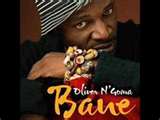 L’album BANE, devient l’une des plus grosses ventes de l’histoire de la musique africaine. Depuis 1990 aucun autre titre n’a réussi à faire ombre à BANE dans les hit-parades comme dans le coeur du public. L’album ‘ADIA‘ qui voit le jour mi-décembre 95, est un melange parfait de sophistication et foisonnement rythmique. En 2001, apparait ‘SÉVA‘, suivit de ‘SAGA‘ en mai 2006. Tous ces titres confirment clairement le status de roi incontesté du Zouk Africain conferé a Oliver N’Goma! Cher Oliver, tu nous manqueras certainement, mais ton oeuvre bercera l’humanité pour les siecles a venir! Si j’etais reine, je te confererais le status de Roi! Love…
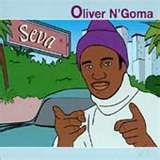 Oliver N’Goma, the king of Afro-Zouk is no longer! Hailing from Gabon, Oliver is one of those artists who only come once in a generation, and whose love for perfection make them unforgettable! His title and album ‘BANE‘ has become one of the most sold singles and albums in the history of African music; it combines warm lyrics, suave melody, and dancing rhythms only found in African cultures! Oliver N’Goma’s music transcends age, race, and gender… Oliver’s love of life could be felt in his music. He was a genius, whose music confered love, life, joy, and peace. Oliver, you will sorely be missed, but your music will remain with us forever. Love…



 African Heritage