

We take a minute today to salute the African fraternity displayed by our brothers of the Alliance des Etats du Sahel (AES – Alliance of Sahel States). It is no secret that islamic terrorists funded by ‘we know who’, have blockaded the distribution of fuel in the capital of Mali, Bamako, for the past 2 months. The jihadists have imposed blockades, multiplied attacks on fuel convoys, and disrupted transported routes, which has almost paralyzed the city.
The sister country of Niger sent a convoy of trucks to Mali carrying fuel across 1,400 km amid the ongoing regional insecurity. It took 21 days for the convoy of 82 petrol tankers to arrive in Bamako from Niamey. The convoy arrived on 25 November. This example of fraternity among African nations is a warm balm to the heart.
Since the creation of the AES, a confederation formed by Mali, Burkina Faso, and Niger, the governments have presented an alliance to deepen their security, defence, and economy, amidst the barricade of open sanctions and hidden attacks that have come from the West and its puppet organization that is the Economic Community of West African States (ECOWAS).
Excerpts below are from APA News.
=====
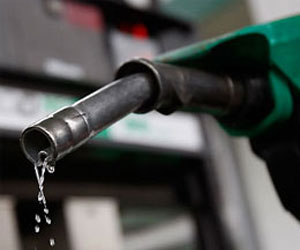
A large convoy of 82 hydrocarbon tankers from Niamey successfully arrived in Bamako on November 22, completing a major delivery that signals Niger’s official support for Mali.
This operation takes place amid persistent supply tensions in Mali and underscores the evolving regional solidarity within the Alliance of Sahel States (AES).
The fuel shipment, a donation initiated by Nigerien President Abdourahamane Tiani, reached the Malian capital after navigating the sensitive Niamey-Bamako axis—a crucial corridor challenged by insecurity in certain border areas. The Malian government officially received the 82 tankers, handing them over to the Minister of Industry and Trade.
The delivery is critically important given Mali’s heavy reliance on imports to meet its energy needs. The country’s daily fuel requirements are estimated at approximately 40,000 barrels of hydrocarbons (equating to about 6.3 to 6.5 million liters per day). This massive consumption, driven by road transport and growing electricity demands coupled with a lack of national refining infrastructure, makes the nation highly vulnerable to external disruptions and embargoes. Malian authorities confirm that this shipment will help to temporarily stabilize the domestic market.
…

 African Heritage