

I came across another gem in the book of Professor Bwemba Bong, “Quand l’Africain était l’or noir de l’Europe. L’Afrique: Actrice ou Victime de la Traite des Noirs? – Démontage des mensonges et de la falsification de l’histoire de l’hydre des razzias négrières transatlantiques” (When the African was the black gold of Europe. Africa: Actress or Victim of the Slave Trade ? – Dismantling the lies and falsification of the hydra history of the transatlantic Slave Raids).” After the textile industry, and the Agriculture in the Kongo Kingdom, this time, it is about the rich fauna of the Kongo in the 16th century.
In his book, Pr. Bong shows that the wealth of the African fauna, and in this case at hand, of the Kongo basin. Note the use of ostrich and peacock feathers for umbrella, and the special place of the peacock whose feathers serve as symbol of royalty; or the skin of the pelican which is so warm that it was used to warm people when feeling cold; or even these birds who sang arias so much that they were esteemed by royalty since ancient times.
Filippo Pigafetta et Duarte Lopes, Le royaume de Congo et les contrees environnantes (1591), Chandeigne/Unesco, 2002, p. 112-113 (trad. Willy Bal, présentation et notes Willy Bal); Bwemba Bong, Quand l’Africain était l’or noir de l’Europe. L’Afrique: Actrice ou Victime de la Traite des Noirs?, MedouNeter 2022, p. 179-180 (translated to English by Dr. Y, Afrolegends.com). Enjoy!
=====
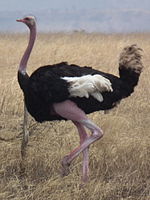 Let us now talk about birds, and first of all of ostriches, which hold first place due to their height. They are found in the regions of Sundi and Batta, towards Murombos. Their young hatch in the heat of the sun. The feathers are used to make badges and war standards. Mixed with peacock feathers, they are arranged in the shape of an umbrella. Since we have come to speak of peacocks, let us say that they are raised in Angola, in a wood surrounded by walls; the king does not allow anyone else to possess them, because their feathers serve as insignia of royalty. Ancient stories tell us that Alexander the Great had made this bird, when it was seen for the first time in Europe, an object of important privileges.
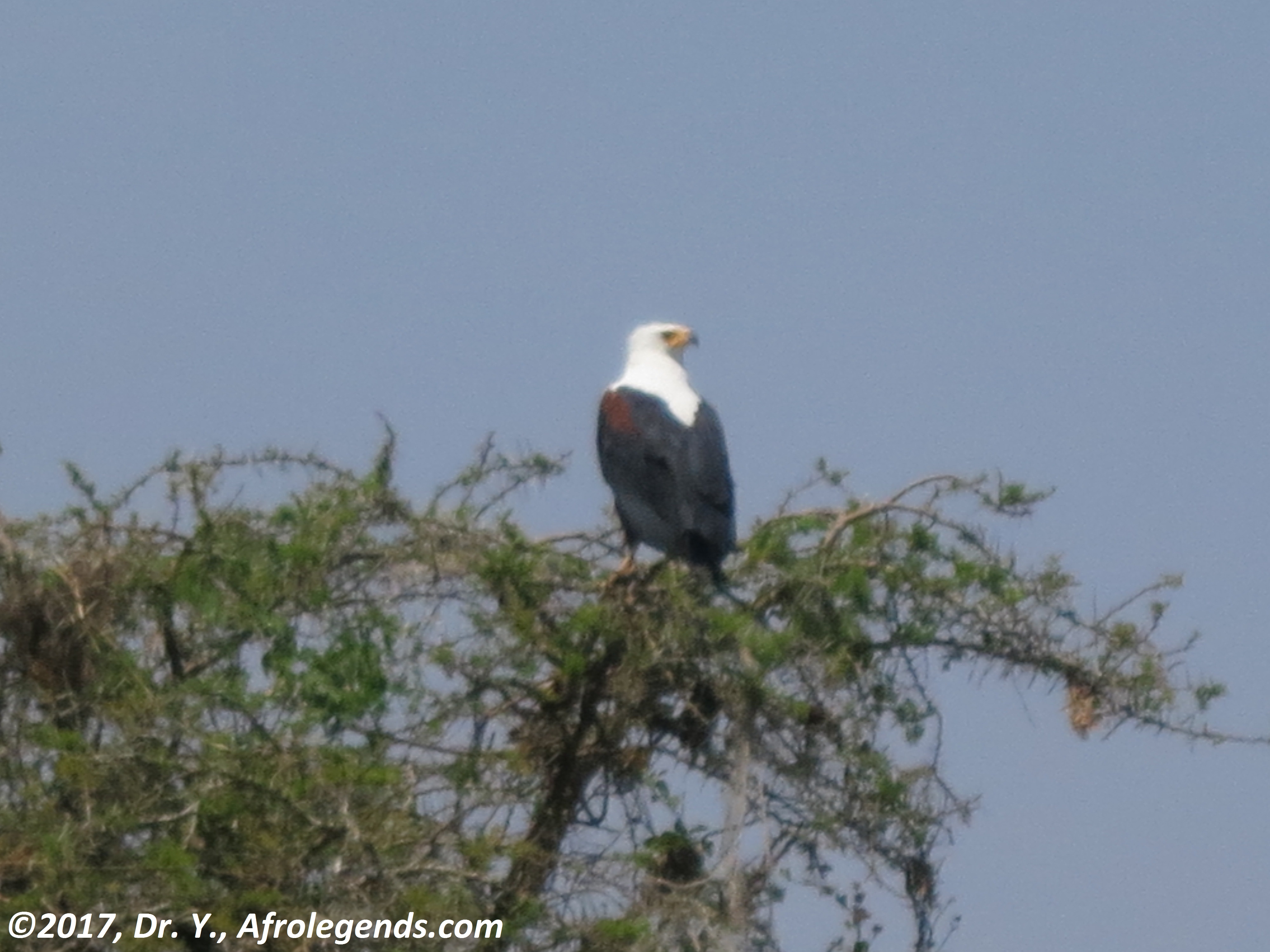 There are also roosters, called guinea fowl, and hens, geese, ducks of all kinds, both wild and domestic, partridges in such quantity that children catch them with a snare. We also see other birds like pheasants called “gallignoles”, pigeons, turtledoves, passerines called becfigues [ortolan] and which are innumerable, birds of prey like golden eagles, falcons, vultures, sparrowhawks and many others, which the inhabitants do not use for hunting.
Also seabirds, like those that the Portuguese call pelicans: they are white, large, swim underwater and have such a wide throat that they can swallow a whole fish; moreover, these birds have such a strong stomach and have such natural heat that they can digest whole fish; their skin is so warm that the inhabitants of the country use it as a means of warming up in case of a cold stomach; therefore it is esteemed.
There are also many white egrets and gray herons living in these marshes, called royal. There are other birds, which resemble cranes: about the size of storks, they are very beautiful to see with red beaks and feet, most of the feathers red and white, some dark gray. The locals call them flamingos by analogy. The flesh of these birds is eaten.
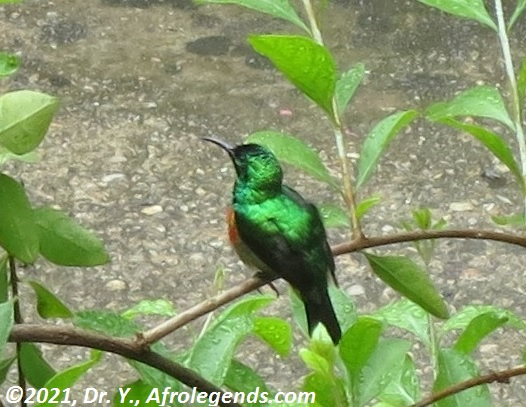
Various species of parrots are also found: some are large with gray plumage, very talkative, others are small, green and hardly speak. Let us also note small birds that are called singers, larger than canaries, with red beaks and plumage; others, green with black legs and beaks: the song of these is the sweetest of all, one would almost say that they speak while singing; still others, multicolored. All these birds sing diversely, so well that the lords of this country, since ancient times, have always kept them in cages and greatly appreciated their song.

 African Heritage