
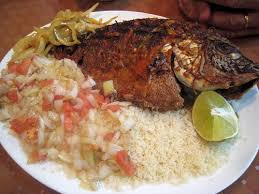
This past weekend, I visited an Ivorian friend who served me Attiéké, Ivory Coast’s iconic dish made from fermented cassava roots, which is part of almost all Ivorian tables. Few days ago, the attiéké, has been inscribed on the UNESCO’s Representative List of the Intangible Cultural Heritage of Humanity. What is the UNESCO list of Intangible Cultural Heritage, you may ask? The Intangible heritage focuses on the non-physical aspects of a culture, contrary to the tangible heritage which focuses on monuments and natural landscapes, working on the preservation of traditions, practices, expressions, and knowledge of entire communities. Thus, African treasures which are part of the UNESCO tangible heritage list would be Great Zimbabwe, the Rock-hewn churches of Lalibela (Ethiopia), Timbuktu (Mali), or Pyramids of Giza (Egypt), while intangible heritages would be the Congolese Rumba and now Attiéké.
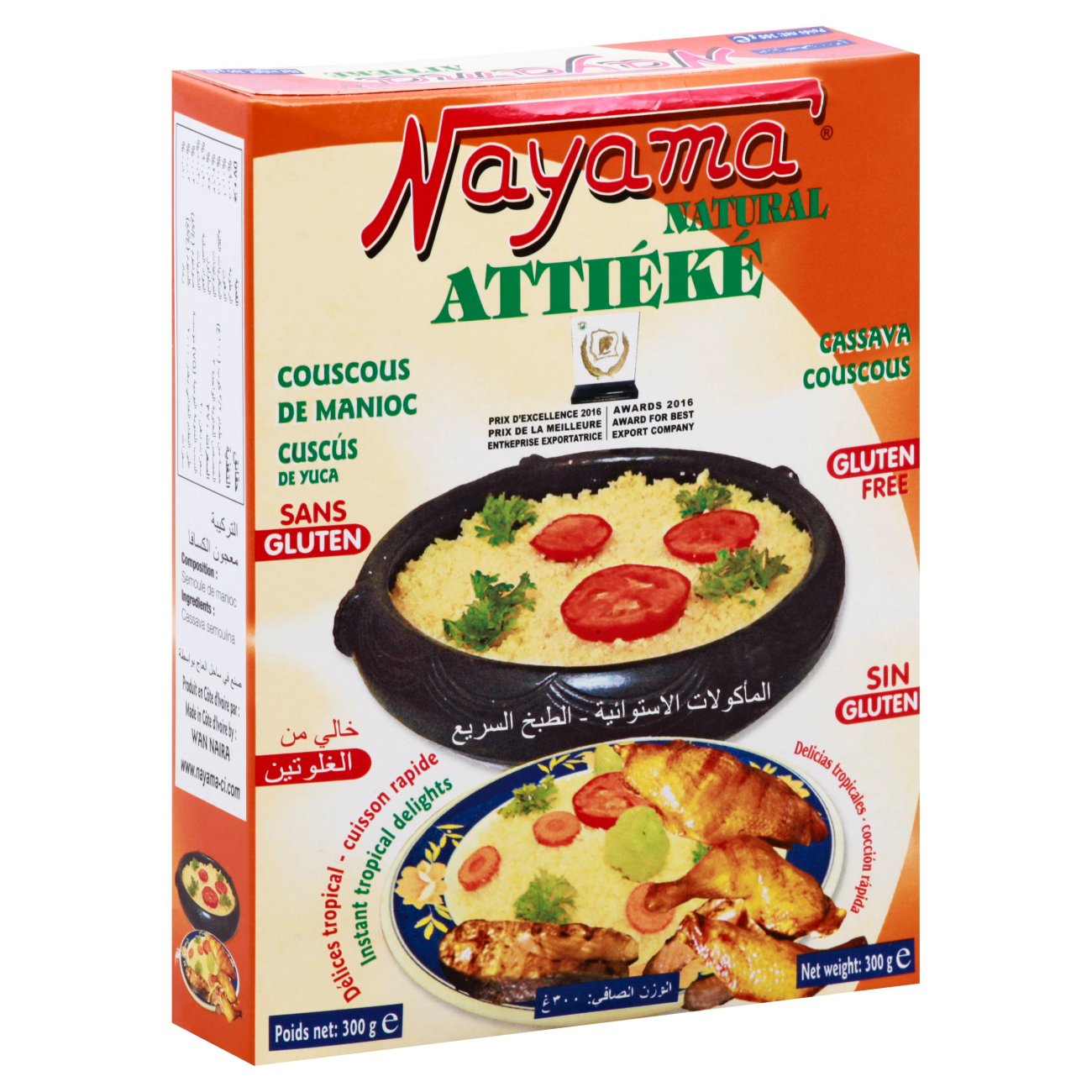
Attiéké is often nicknamed “Ivorian couscous,” because it is a staple made from grated, fermented cassava roots, which has a texture similar to the semolina couscous consumed in the countries of the Maghreb, in northern Africa. The Attiéké originated in the coastal regions of Ivory Coast centuries ago; today, it has become a culinary cornerstone across the country and even beyond its frontiers. The dish is versatile, often paired with grilled fish and served during meals and special ceremonies such as weddings, baptisms, and funerals. It also represents a livelihood for many women in Ivory Coast, as its production is an intricate, multi-day process which has been traditionally led by women and passed down from generation to generation. This tradition includes peeling, grating, fermenting, pressing, drying, and steaming the cassava pulp. These skills, which are central to its preparation, have also been recognized as intangible cultural heritage. Today, Cote d’Ivoire produces over 40,000 tons of Attieke per year, and its commercialization and consumption has expanded beyond the country’s border to other African countries, and other continents.

The UNESCO’s recognition of this Ivorian treasure highlights the importance of preserving not just the dish itself but also the traditional knowledge and skills associated with its preparation. The generational transfer of these skills ensures attiéké’s role as a cultural bridge in Ivorian society.
To learn more, please read Afrikana’s post on Attieke, and this BBC article.

 African Heritage