
Le léopard est tâcheté, sa queue doit aussi l’être (Proverbe Bamoun – Cameroun).
The leopard’s is spotted, its tail must also be spotted (Bamun proverb – Cameroon).

Le léopard est tâcheté, sa queue doit aussi l’être (Proverbe Bamoun – Cameroun).
The leopard’s is spotted, its tail must also be spotted (Bamun proverb – Cameroon).

At the beginning of the month, on November 1, 2023, the German president Frank-Walter Steinmeier apologized for the first time for the Maji Maji massacre and other colonial crimes committed by Germany in eastern Africa in what was then German East Africa, a colony comprised of Burundi, Rwanda (Ruanda-Urundi), mainland Tanzania (Tanganyika), and a small region in modern-day Mozambique known as the Kionga Triangle. The Maji Maji rebellion led to the death of over 300,000 Africans in 1905, in Tanganyika.
As we uncover this somber chapter of the history of Tanzania (then part of German East Africa), it is important to note that the events related mark yet again another part of German history that has been erased from history books: genocides in Africa.

After the Berlin conference of 1884, Germany had several colonies in Africa, German South-West Africa (Namibia), German East Africa (Ruanda-Urundi, Tanganyika, and the Kionga Triangle), Kamerun, and Togoland. Germany tried to reinforce their presence in the different regions by using repressive methods. They built roads, bridges, and more, through forced labor. In 1902, in Tanganyika, they forced the populations to plant cotton as a cash-crop for export, levying harsh taxes upon whoever would not bring a particular quota of cotton. This caused an uproar among the populations who had to leave their own cultures of edible plants to cultivate cotton that nobody ate and which brought nothing to them but tough sanctions from the German occupants. In 1905, when a drought hit, the populations had reached breaking point. It is at that time that a prophet by the name of Kinjikitile Ngwale emerged, claiming to have made a war medicine, a potion that could repel German bullets called “Maji Maji,” which means “sacred water,” maji being water in Kiswahili. Armed with arrows, spears, and doused with Maji Maji water, the first warriors of the rebellion began to move against the Germans, attacking German outposts, and destroying cotton crops. Thus started the Maji Maji rebellion which spread throughout the colony, involving over 20 different ethnic groups, leading to a war which lasted from 1905 to 1907 where 75,000 to 300,000 Africans died.

As we saw earlier, there had been the Abushiri revolt of 1888 to 1889, the Chagga revolt with Mangi Meli in the North east of Tanganyika earlier, the Wahehe (Hehe) revolt of 1891 to 1898 which culminated with the decapitation of King Mkwawa, all served as precursors to the Maji Maji uprising. The height of the Maji Maji rebellion came at Mahenge on August 1905 where several thousand warriors attacked but failed to overrun a German stronghold defended by Lieutenant von Hassel. On October 21, 1905 the Germans retaliated with an attack on the camp of the unsuspecting Ngoni people who had recently joined the rebellion. The Germans killed hundreds of men, women, and children. This attack marked the beginning of a brutal counteroffensive that left an estimated 75,000 Maji Maji warriors dead by 1907. The Germans also adopted famine as a weapon, with their scorched-earth technique which destroyed the crops of the populations creating mass starvation; Captain Wangenheim, one of German troops’ leaders in the colony, wrote to the Governor of German East Africa Gustav Adolf von Götzen, “Only hunger and want can bring about a final submission. Military actions alone will remain more or less a drop in the ocean.”

During his visit to Tanzania at the beginning of the month, the German president stopped at the museum in Songea which was built in homage of Chief Songea Mbano, one of the leaders of the Maji Maji rebellion, executed in 1906 by German forces. Songea Mbano was a great Ngoni warrior, hanged in 1906 during the time of German repression of the Maji Maji rebellion. Songea had been spared the death sentence because he had surrendered. However he demanded to be hanged along with the other Ngoni leaders. The Germans happily complied.
This marked a dark chapter in the history of the country, and the entire region. Today, it is also seen by Tanzanians as the beginning of true nationalism triggered by the unity of several large groups in Tanzania to fight the foreign invaders. To learn more, check out Violence in Twentieth Century – The Maji Maji Rebellion, 300,000 Tanzanians were killed by Germany during the Maji-Maji uprising – it was genocide and it should be called that, and Was Quashing the Maji-Maji Uprising Genocide? An Evaluation of Germany’s Conduct through the Lens of International Criminal Law by K. Bachmann.
 One day, at church, a man is praying on the pew loudly, “Lord, please send me 4,000 Naira, that is all I need! … Lord! if you send me ₦4,000, I will do anything!… O Lord, answer my prayers… all I need is ₦4,000 … JESUS!!! ₦4,000 is all I need! Lord of Hosts, let ₦4,000 rain on me.” The man goes on in his prayers screaming and shouting in the church.
Suddenly, there is a tap on his shoulder… he stops, opens his eyes, thinking to himself “Who in this world is interrupting my prayers?” The man seated next to him, hands him ₦4,000, and continues praying. The other man is so happy, and says, “Wait, God really answers prayers so fast!”
At the end of the church service, he asks his pew neighbor, “neighbor, you don’t know what you have done for me… but why did you give me ₦4,000 ?”
The man replies, “with your loud screams, you were blocking my prayers for ₦50 millions.”
Everybody has his level of problems. Dr. Y. Afrolegends.com
Mali military forces have succeeded in liberating the city of Kidal from terrorist groups where France and its allies and the MINUSMA could not. They succeeded in a few days, where it took years for France and company. On November 14 2023, president Assimi Goïta of Mali announced the liberation of Kidal, stronghold of terrorist groups for the past few years. The news was so stunning that even the BBC who has been calling the Mali government, ‘the junta’ and all sorts of names, and always showing ugly pictures of Assimi Goïta, had to, begrudgingly write the article and for once showed him in a decent image :). When you listen or read the western media, they say that it is thanks to the help of Wagner that the Malian forces freed the town… Malian forces liberated Kidal, that is all that matters! France was there, how many years, and could not defeat them!

This goes without citing the treacherous behavior of the MINUSMA, the UN peacekeeping mission, which weeks before they were set to leave at the request of the Malian government, breached their agreements with the government for a safe handout, and left abruptly leaving all sorts of heavy artillery for the rebel groups to take over the city… I wonder how the MINUSMA must be feeling now?
Joy is overfilling our hearts: it is a first step and we are so proud of our FAMas (Forces Armées Maliennes / Malian Armed Forces)… we are so proud of Mali. We need to stay focused and continue the fight. This shows what we have been saying for years: Africans can govern themselves and are sick and tired of foreign interference and intrusion in our affairs. We all know who the real terrorists are in Mali, they are groups paid by these foreign forces to destabilize the region so as to keep getting free resources. This is a first victory, and there will be many more to come. As Thomas Sankara used to say, “La Patrie ou la mort, nous vaincrons!”
Excerpts below are from AfricaNews.
=====

Mali’s military has seized control of the northern town of Kidal, marking the first time the army has held the Tuareg rebel stronghold in nearly a decade, state broadcaster ORTM reported Tuesday.
“This is a message from the president of the transition to the Malian people,” journalist Ibrahim Traore said in his introduction to the ORTM news bulletin. “Today, our armed and security forces have seized Kidal. Our mission is not over.”
…
Separatist Tuareg rebels in the north have long sought an independent state they call Azawad. In 2012, they dislodged the Malian military from the town, setting into motion a series of events that destabilized the country.
… Amid the chaos, Islamic extremists soon seized control of the major northern towns including Kidal, imposing their strict interpretation of Islamic law known as Shariah.
In 2013, France led a military intervention to oust the extremists from power, but they later regrouped and spent the next decade launching attacks on the Malian military and U.N. peacekeepers.
Another military coup in 2020, led by transition president Col. Assimi Goïta, resulted in deteriorating relations with Mali’s international partners. Mali’s foreign minister ordered the U.N. peacekeeping mission known as MINUSMA to depart, and forces left Kidal at the beginning of November.

Last month, King Willem-Alexander and Queen Maxima of the Netherlands visited South Africa, for what was their first official visit, and decided to visit the Iziko Slave Museum in Cape Town. At the end of their visit, as they were exiting the museum, they were surprised by about 100 protesters who confronted them about their country’s part in the enslavement of Africans transported to the Americas. Excerpts below are from AP.
=====

CAPE TOWN, South Africa (AP) — Angry protesters in Cape Town confronted the king and queen of the Netherlands on Friday as they visited a museum that traces part of their country’s 150-year involvement in slavery in South Africa.
King Willem-Alexander and Queen Maxima were leaving the Slave Lodge building in central Cape Town when a small group of protesters representing South Africa’s First Nations groups — the earliest inhabitants of the region around Cape Town — surrounded the royal couple and shouted slogans about Dutch colonizers stealing land from their ancestors.
… The Dutch colonized the southwestern part of South Africa in 1652 through the Dutch East India trading company. They controlled the Dutch Cape Colony for more than 150 years before British occupation. Modern-day South Africa still reflects that complicated Dutch history, most notably in the Afrikaans language, which is derived from Dutch and is widely spoken as an official language of the country, including by First Nations descendants.

King Willem-Alexander and Queen Maxima made no speeches during their visit to the Slave Lodge but spent time walking through rooms where slaves were kept under Dutch colonial rule. The Slave Lodge was built in 1679, making it one of the oldest buildings in Cape Town. It was used to keep slaves — men, women and children — until 1811. Slavery in South Africa was abolished by the English colonizers in 1834.
Garth Erasmus, a First Nations representative who accompanied the king and queen on their walk through the Slave Lodge, said their visit should serve to “exorcise some ghosts.”
The Dutch East India Company established Cape Town as a settlement for trading ships to pick up supplies on their way to and from Asia. Slaves were brought to work at the colony from Asian and other African countries, but First Nations inhabitants of South Africa were also enslaved and forced off their land. Historians estimate there were nearly 40,000 slaves in the Cape Colony when slavery ended.
…

Last July, Dutch King Willem-Alexander apologized for his country’s involvement in slavery, transporting Africans to the Americas. At this point, any blind person can clearly see the rush for the New Scramble for Africa. As said earlier, although we hear these apologies, Africans are tired of these empty words followed by no actions; words spoken to put Africans back to sleep, while another New Scramble starts. Africans are not dumb: Africa is at the center of the survival of the world. Now we see all these heads of state, kings, queens, and pope, crisscross the African continent; Africans have to wake up… to not fall asleep to these sign off the continent.
Excerpts below are from DW.
=====
The Netherlands is marking a century and a half since the end of the Dutch slave trade which transported Africans to the Americas. King Willem-Alexander used the occasion to apologize on behalf of his country.
Dutch King Willem-Alexander has apologized for his country’s historic involvement in slavery and its ongoing repercussions, as the Netherlands on Saturday begins an official event to mark 150 years since the end of slavery in Dutch colonies.
The king issued his apology during a speech marking the event.
“Today I’m standing here in front of you as your king and as part of the government. Today I am apologizing myself,” Willem-Alexander said. “And I feel the weight of the words in my heart and my soul.”
The king commissioned a study into the exact role the Dutch royal family, the House of Orange-Nassau, played in slavery in the Netherlands.
He asked for forgiveness “for the clear failure to act in the face of this crime against humanity.”

Thousands of descendants from the former Dutch colony of Suriname and the Dutch overseas territories of Aruba, Bonaire and Curacao are attending celebrations in Amsterdam.
The event has been dubbed “Keti Koti,” meaning “breaking chains” in Sranan Togo, a Creole language spoken in Suriname.
…
Beginning in the 17th Century, the Netherlands grew into one of Europe’s major colonial powers and was responsible for about 5% of the trans-Atlantic slave trade.
Some 600,000 slaves were transported from Africa to colonies in the Americas, and many Javanese and Balinese people were enslaved and taken to South Africa under Dutch colonial rule.
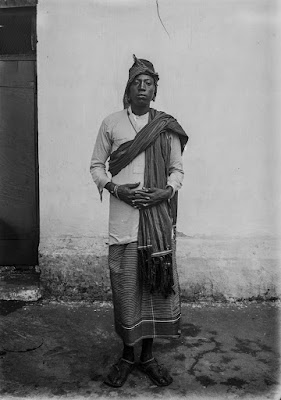
Last week, the German President apologized for colonial past in Tanzania just a few days after the grandson of Mangi Meli reiterated his demand for the return of his grandfather’s skull. The story was published in the BBC. To us, Africans, it is a painful read: how can someone decapitate your father, and then take away his skull is inconceivable. It has been over 120 years; and some ask us to forgive, forgive when words are not followed by actions?
Excerpts below are from the BBC.
=====
Isaria Anael Meli has been looking for his grandfather’s remains for more than six decades.
He believes the skull ended up in a Berlin museum after his grandfather, Mangi Meli, along with 18 other chiefs and advisers, was hanged by a German colonial force 123 years ago.
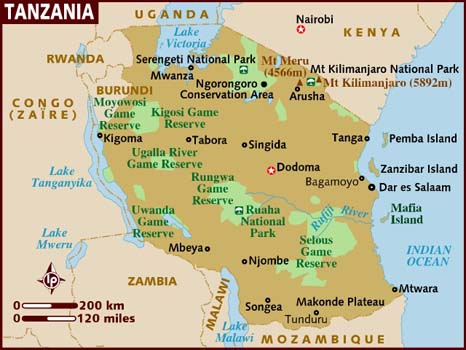
After all this time, a German minister has told the BBC the country is prepared to apologise for the executions in what is now northern Tanzania.
Other descendants have also been searching for the remains and recently, in an unprecedented use of DNA research, two of the skulls of those killed have been identified among a museum collection of thousands [Germany Matches DNA from African Skulls looted during Colonial Era].
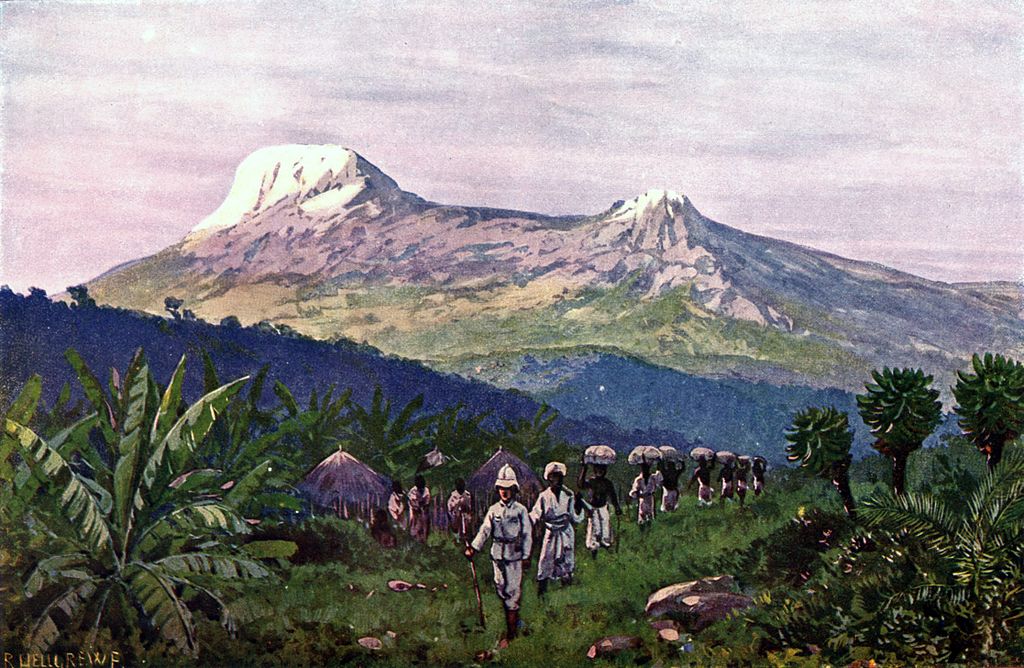
It is rare to find an acacia tree on the lower slopes of Mount Kilimanjaro. Its twisting branches reach above the steep road and stand out among the denser lush vegetation.
At one time, it shaded a market for the villagers of Tsudunyi, a part of what is now called Old Moshi, who lived off the fertile land and enjoyed the cooler temperatures that the higher altitude brought.
But this focal point for the community became the scene of a great tragedy. Despite the peace of the natural surroundings today, its impact has reverberated down the decades.
It was here on 2 March 1900 that, as the descendants tell it, one-by-one the 19 men were hanged. They had been hastily tried the day before, accused of plotting to attack the German colonial forces.
…
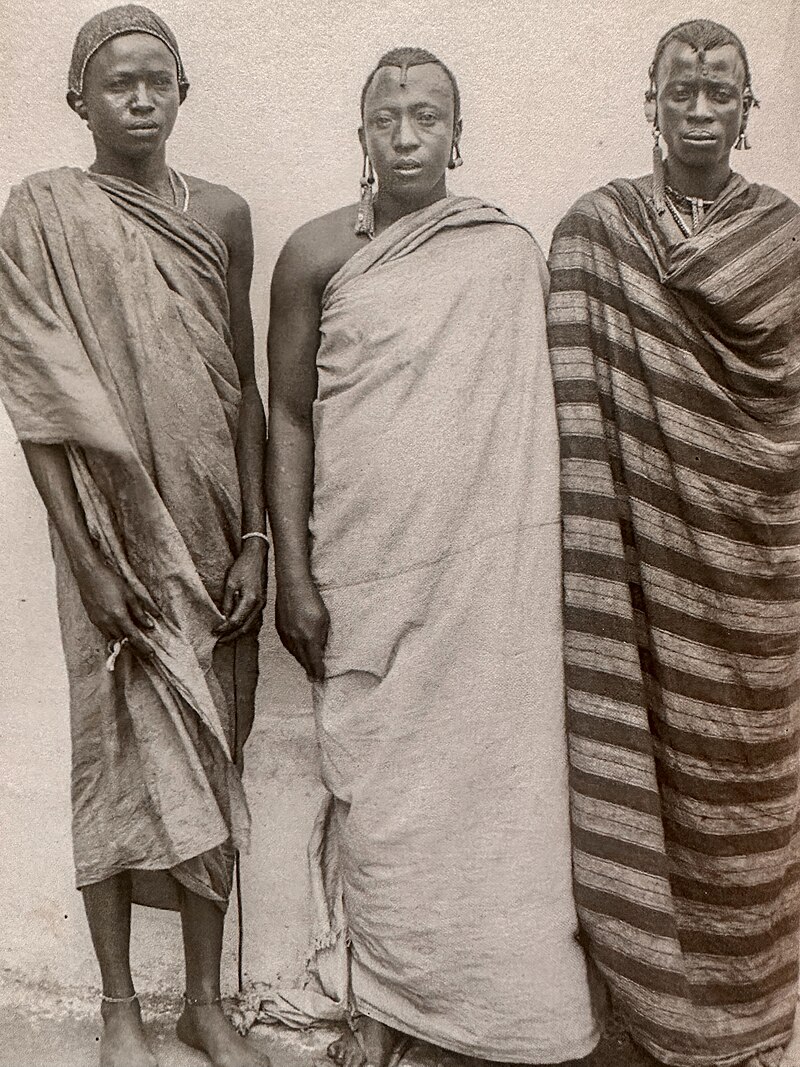
Mangi Meli, the most prominent mangi, or chief, among those who were killed, had in 1892 successfully defeated the German forces. That success was later reversed and by the end of the 19th Century, the Europeans were keen to stamp their authority on this part of what was known as German East Africa.
They wanted to make an example of Mangi Meli and other local leaders who may have been planning an uprising.
The humiliation did not end there. While most of the torsos are believed to be buried in a mass grave somewhere near the tree, their heads were at some point removed, packed up and sent 6,600km (4,100 miles) to the German capital. In some cases the complete skeletons were shipped.
When speaking about what happened to his grandfather, Mr Meli does not sound angry, but there is a sadness in his voice and a sense of bewilderment that this was allowed to happen.
The lively 92-year-old was told about the killing of Mangi Meli by his grandmother, who he says was forced to watch the execution, and explains that the chief came to him at night telling him that he would return one day.
“Always, always, always he was coming to me in my dreams,” he says.
His floppy sun hat and twinkling eyes when he smiles disguise his tenacious personality.
Since at least the 1960s, Mr Meli had been writing to the German and Tanzanian authorities urging them to look for the remains of his grandfather.

He says officials tried to put him off by telling him that relevant records had been destroyed during World War Two. But Mr Meli was not deterred.
“Visitors are always crying: ‘Tell all the people of Germany to return the skull.’
“They kept it somewhere just because they thought the Mangi Meli family were small people – believing that they could do what they wanted. But remember that this skull is needed by the whole country – not me, myself, only.”
There is a sense of profound loss that goes beyond the idea that this was a historical injustice.
…
Last September, we talked about a German museum which was able to match the DNA from looted African skulls to their descendants today. One of the skulls had a single word inscribed “Akida” who was believed to be a high-ranking advisor to Mangi Meli, a ruler of the Chagga people. It is no secret the fate that this advisor must have found, given that Mangi Meli had been hanged and decapitated by the Germans for leading an uprising against German invaders in 1900, along with 18 other Chagga, Meru, and Arusha leaders; it is not a far guess that Akida must have been hanged with King Meli.
Who was Mangi Meli?
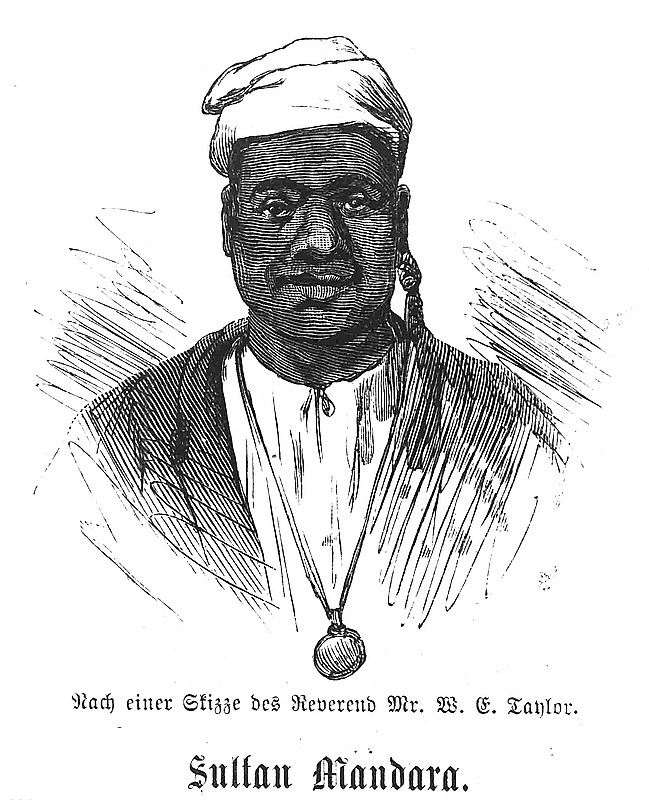
Mangi (King) Meli was a ruler of the Chagga people of Moshi, one of the sovereign Chagga states, in the 1890s. He was the first son of Mangi Rindi Mandara from his second wife Sesembu. Born in 1866, he ascended his father’s throne in 1891. It is said that he was smart, exuberant, and extremely valiant.
Meli is hailed as one of the heroes of the former Tanganyika colony which was part of German East Africa which encompassed Rwanda, Burundi (Ruanda-Urundi), modern-day Tanzania (except Zanzibar), and part of the Kionga triangle in Mozambique. Meli has been prominent in the fight against colonial encroachment on the slopes of Mount Kilimanjaro.
At the time when he became Mangi, the Germans were trying to lay hold on African territories, and every means were used. In 1892, there was an incident involving a young girl who the German forces wanted to capture, and when the Mangi of Moshi refused, the German troops fired, and the Moshi retaliated, killing one Askari (African serving in the German colonial forces). The German troops, led by Lt von Bulow, attacked, but were successfully defeated by Mangi Meli. This victory of the Meli made the Germans back down for 51 days.
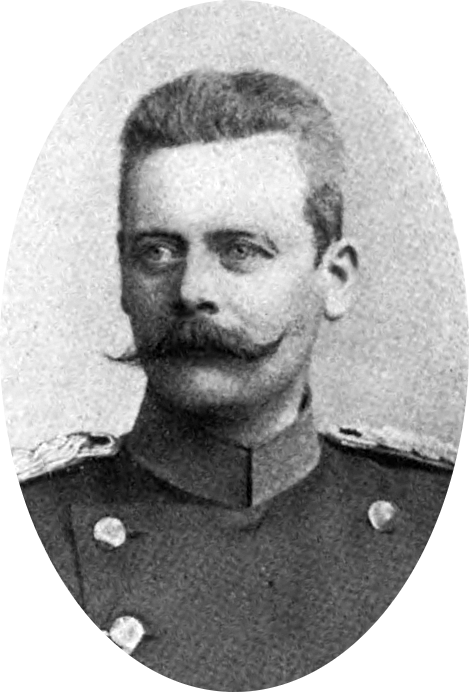
Based on the lie of a “Chagga revolt” orchestrated by a neighboring king, Mangi Marealle of Marangu who had made pacts with the Germans including the notorious murderer explorer Carl Peters, Col. Friedrich von Schele, the deputy governor, led the Germans as they moved back to Kilimanjaro on July 31, 1892, launching an effort to seize Meli of Moshi, destroying and plundering Meli’s lands. Yet they could not capture Mangi Meli. They occupied his lands and started enslaving his people. However, bidding his time to strike back, Mangi Meli united over following years with other Mangis of neighboring Chagga states, forming alliances with other Meru and Arusha kings as well. However, his plan was betrayed by an informant from Mangi Marealle. This plan culminated on 02 March 1900, when the Germans called the Chagga kings whom they accused of fomenting rebellion.
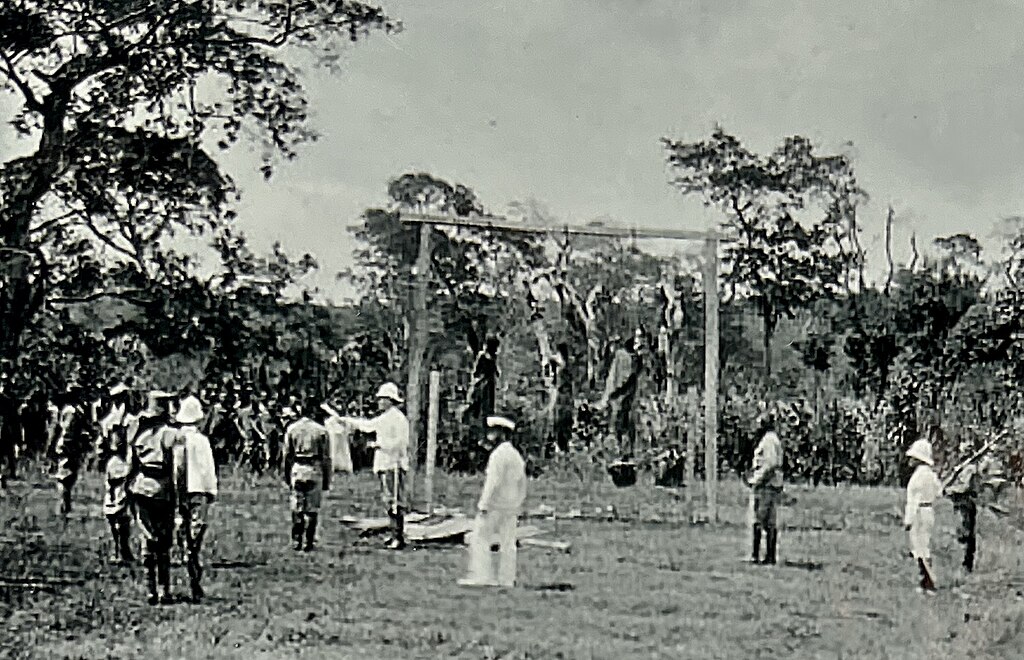
After his capture, Meli was convicted of rebellion and was hanged alongside 18 other kings and noblemen of Chagga, Meru, and Arusha; one of these kings was Mangi Ngalami of the Siha Kingdom, one of the numerous Chagga states. Their execution was public. However, when Meli was hanged, he did not die immediately; it is said that he hung on the tree for 7 hours alive until he was shot by a soldier. Following his death, the German colonial administration ordered his head be severed from the body; this was the fate for many executed on that day. The skulls are believed to have been sent to Berlin to Felix von Luschan, an anthropologist and curator at the Royal museum of Ethnology of Berlin, who requested them to Lt. Col. Moritz Merker who was second in command at the German military outpost of Moshi.
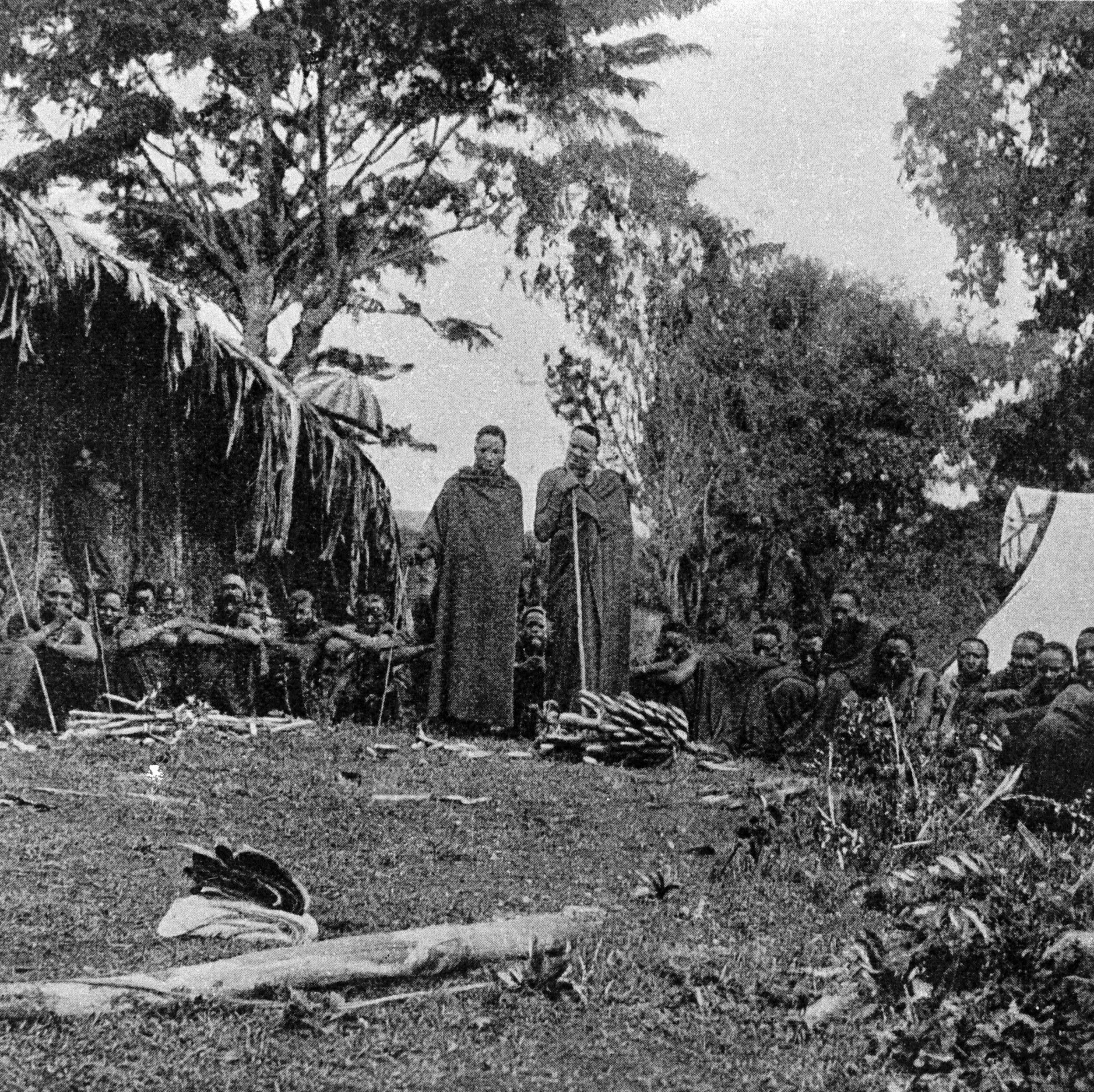
Today, descendants of both Mangi Meli and Mangi Ngalami and others are searching for the skulls of their ancestors. The grandson of Mangi Meli, Isaria Meli, has founded a foundation to search for the skull of Mangi Meli and turned to Stiftung Preußischer Kulturbesitz (SPK, Prussian Cultural Heritage Foundation) in 2016 to identify the remains of his grandfather, to no avail. Efforts are being made to recover his remains (and those of the other kings) and return them for proper burial in Tanzania. In Chagga culture, and many African cultures, the burial of a body after death is an essential ritual; without a proper funeral and resting place, the soul cannot find peace. Many of the skulls and remains ended up in different museums of Berlin, or in private collections (I cannot fathom why someone would want someone’s skull in their private collection ???). There are cases where entire skeletons were shipped to Germany. This was the case when in 1902, the whole skeleton of Mangi Lobulu of the Meru, another leader executed at the same time as Mangi Meli and Mangi Ngalami, was sent to Germany by Merker; over the decades, it eventually made its way to the American Museum of Natural History in New York City where it was located by German researcher Konradin Kunze 100 years later.
Please check out Flinn Works production “Mangi Meli Remains,” and read the article in the Dial.
As you think of Mangi Meli, remember his bravery, and celebrate his spirit for the freedom of the Chagga people, and others, on the slope of Mount Kilimanjaro.
On a visit to Tanzania on November 1, 2023, German President Frank-Walter Steinmeier apologized for the first time for the Maji Maji massacre and other colonial crimes committed by Germany in eastern Africa in what was then German East Africa, a colony comprised of Burundi, Rwanda (Ruanda-Urundi), mainland Tanzania (Tanganyika), and a small region in modern-day Mozambique known as the Kionga Triangle. The Maji Maji rebellion led to the murder of over 300,000 Africans at the hand of German forces in 1905, in Tanganyika .

President Steinmeier vowed to raise awareness of the atrocities in his country, in a step towards “communal healing” of the bloody past. “I would like to ask for forgiveness for what Germans did to your ancestors here,” Steinmeier said during a visit to the Maji Maji Museum in the southern Tanzanian city of Songea. “What happened here is our shared history, the history of your ancestors and the history of our ancestors in Germany.” “I want to assure you that we Germans will search with you for answers to the unanswered questions that give you no peace.”

A few years back, we shared how the German people we met did not even know that Germany had African colonies! or that Germany committed the very first genocide of the 20th century on African soil! What do they think was the place of Otto Von Bismark in the 1884 Berlin Conference? (Most are Unaware of Germany’s Colonial Past and the First Genocide of the 20th Century). This to say that Germans suffer from amnesia when it comes to Africa, so the German president is vowing to make it known.
We appreciate the German President’s formal apology. However, it needs to be followed by actions, and cannot be just another empty “sorry” meant to appease us so we close our eyes to future atrocities committed in the name of cooperation. Clear actions need to follow: return of remains, return of lands, opening of archives, a clear “here is what we will do to right the wrongs,…” a clear correction and inclusion in the history textbooks, and above all a clear “respect for those killed, and for those living today,” reparations, and so much more. We are tired of empty sorry!
Excerpts below are from the BBC.
=====
The German president has expressed “shame” for the colonial atrocities his country inflicted on Tanzania.
German forces killed almost 300,000 people during the Maji Maji rebellion in the early 1900s, one of the bloodiest anti-colonial uprisings.
President Frank-Walter Steinmeier was speaking at a museum in Songea, where the uprising took place.
“I would like to ask for forgiveness for what Germans did to your ancestors here,” he said.
“What happened here is our shared history, the history of your ancestors and the history of our ancestors in Germany.”
The Maji Maji rebellion was triggered by a German policy designed to force the indigenous population to grow cotton for export. Tanzania, then known as Tanganyika, was a part of German East Africa, which also consisted of modern-day Rwanda, Burundi and parts of Mozambique.
President Steinmeier said he hoped Tanzania and Germany could work towards “communal processing” of the past. He promised to “take these stories with me to Germany, so that more people in my country will know about them.” Germany has, until recently, had “colonial amnesia”, according to Jürgen Zimmerer, a history professor at the University of Hamburg. “The brutality and the racism of this colonial empire was not understood in the German public.”
As part of the three-day visit, the president met the descendants of one of the Maji Maji leaders, Chief Songea Mbano, who was among those executed in 1906. He is now considered a national hero in Tanzania and President Steinmeier told the family the German authorities would try to find his remains.
Thousands of human remains were brought from German colonies – partly as “trophies” but also for racist research.
… On Tuesday, after meeting President Samia Suluhu Hassan in Dar es Salaam, he [President Steinmeier] promised that Germany would co-operate with Tanzania for the “repatriation of cultural property“.
Tanzania historian Mohamed Said welcomed the president’s apology but told the BBC it did not go far enough. “They decided to set farms on fire so people would run out of food and be unable to fight. This is unacceptable, in today’s world they would be taken to court,” he said.
…

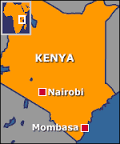
King Charles III landed in Kenya on Tuesday October 31, 2023. On his first official visit to Kenya as monarch, the king of the British gave a speech in which he acknowledged the past atrocities committed by Great Britain and its colonial legacy. He said there were ‘no excuses‘ for it, yet did not apologize! He told guests that “the wrongdoings of the past are a cause of the greatest sorrow and the deepest regret.” He recognized the “abhorrent and unjustifiable acts of violence committed against Kenyans” in their struggle for statehood adding, “there can be no excuse.” Today, he held a private meeting with the family of Kenyan freedom fighter Dedan Kimathi murdered by the British colonial regime, and whose remains are still to be found to this day; the British High Commission said that the meeting was an “opportunity for the king to hear firsthand about the violence committed against Kenyans during their struggle for independence.” Are we supposed to clap for the king? Why does it have to be a private meeting? Kimathi no longer just belongs to his family, but to the whole of Kenya as he led the rebellion to liberate the whole country; thus whatever concerns him, concerns ALL Kenyans!
Are we surprised? NO… we are used to these useless kings and presidents of the former colonial powers parading in our countries with nothing to show for… walk and expect to be treated well by us, when they have not even given us the decency of burying our dead or returning the skulls of our ancestors, let alone recognize the genocides committed by their forces on our lands, or even the trauma caused, or even our lands confiscated, futures destroyed, and our resources to this day stolen away. (France Admits Murder of Algerians … A Step Forward?, In Madagascar, People remember one of the deadliest French colonial wars in history, French President Acknowledges French Genocide in Cameroon, Belgian King Expresses ‘Deepest Regrets’ for Colonial Past in Congo). It is just saddening that African leaders empty coffers for these parades.
Excerpts below are from the Washington Post.
=====
Speaking at a state banquet Tuesday, Charles hewed closely to the British government line, saying he felt “the greatest sorrow and the deepest regret” for the wrongdoings of the past. He steered clear of any language that might open a broader conversation about reparations.
Nonetheless, Britain, like other former colonial powers, is in a period of reckoning, and the king has been under pressure to address the legacy of decades of British rule in East Africa.
…
Britain-Kenya relations at the “official level are very good,” said Nick Westcott, a professor of diplomacy at SOAS University of London and former director of the Royal African Society, but “that’s not to say there’s not some difficult issues that go back to the colonial period.”
… There have been calls for Charles to acknowledge, in particular, the violent suppression carried out by British authorities in Kenya during the early reign of his mother, Queen Elizabeth II. In the 1950s, British officials responded to what was known as the Mau Mau revolt — a movement to reclaim land and independence — with a brutal crackdown on the broader population. Thousands were killed and significant numbers imprisoned and tortured…



 African Heritage