
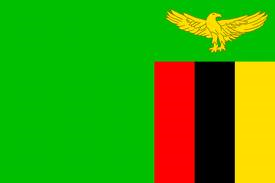
At end of 2021, we all screamed when we heard news that the only Ugandan international airport at Entebbe was about to be seized by China to pay the country’s debt. This was avoided at the last minute. Zambia is another matter all together, when talking about Zambia these days, there is no way to avoid the Zambia Sovereign Debt Crisis: in 2020, it was the first country to declare bankruptcy as the pandemic had drawn it to its knees, and it was on the verge of a full Chinese takeover. Can you only imagine the instantaneous gray hairs a president will get after getting elected and finding that not only are the country’s coffers empty, but above all, the country is so deep in debt that it will need a miracle to come out of it? Today, President Hichilema applauded the debt deal, which is a big step forward. However, one cannot help but wonder what sort of deals were made, and how many generations of Zambians will have to pay for it (DRC and Zambia Sign Over Cobalt and Copper Resources Rights to the United States?). At this point, don’t you think former president Edgar Lungu and its cronies deserve to be prosecuted for madly borrowing away Zambians’ future? Below are excerpts from the BBC.
====

Zambia’s President Hakainde Hichilema can finally breathe a sigh of relief as the outlines of a deal aimed at lifting his country out of its debt crisis have been unveiled.
In 2020, the copper-rich country became the first African nation to default on its debt payments during the Covid pandemic. It was burdened by loans and high interest rates that severely restricted the government’s ability to invest in critical social programmes and infrastructure development, both crucial for economic growth.
Following months of talks, Zambia has now successfully agreed new repayment terms with its state creditors on up to $6.3bn (£5bn) debt, including over $4bn owed to China.
… Although the details of the deal have not yet been released [as always, populations are kept in the dark, while their future is being signed over], it appears that Zambia will be granted an extended repayment time of over 20 years, including a three-year grace period with interest-only payments.
Experts have praised the government for securing the agreement and are hopeful that this will improve Zambia’s economic situation.
Economist Isaac Mwaipopo, from the think-tank the Centre For Trade Policy and Development, believes it will help inspire investor confidence, but urges the government to follow an economic recovery plan.
“There’s a need to come up with a clear plan in terms of reconstructing the economy, especially that we will still be on an IMF programme [which developing country has ever been helped by the IMF?] for the next three years. It will be very important that sectors are identified which can be strategic for growth, boosting job creation and aiding poverty alleviation.”
… By renegotiating the debt terms, Zambia gains valuable breathing space to stabilise its economy, implement necessary reforms and pursue long-term growth. This newfound flexibility can be redirected toward investment in healthcare, education, infrastructure and social welfare.
…

 African Heritage